Source Foldable CE Inflatable Towable Float for Sea, Lake, Pool
Find 30 Foldable CE Inflatable Towable Float options from verified Chinese manufacturers. Compare PVC sizes, customization, and MOQs for sea, lake, or pool use.
Key considerations
Products List

Custom Size Outdoor Foldable Floating Water Platform Inflatable Floating Dock
$189.00 - $299.00
MOQ: 1 Pieces


Inflatable Dock Platform Inflatable Floating Dock with Air Pump No EVA
$189.00 - $299.00
MOQ: 1 Pieces


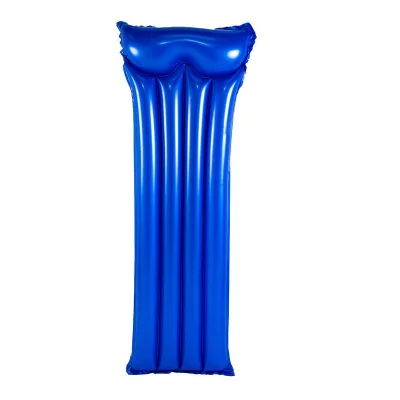

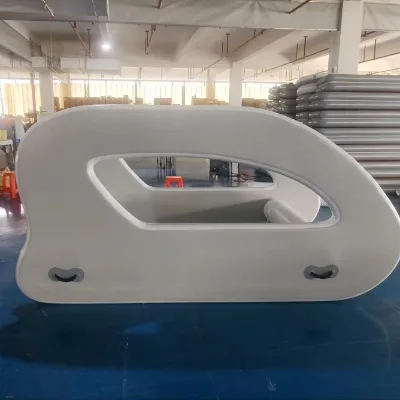


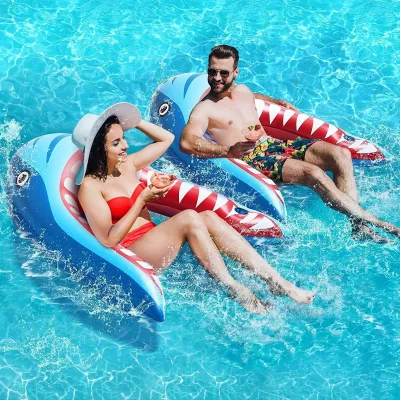
Inflatable Pool Float for Adults and Kids Shark Inflatable Swim Tube Raft
$6.05 - $6.75
MOQ: 1000 Pieces


Inflatable Platform for Boat / Inflatable Floating Platform / Inflatable Float Dock
$129.00 - $169.00
MOQ: 1 Pieces


Swimming Inflatable Water Floating Buoy, Inflatable Safety Buoy, Sup Buoy
$119.00 - $129.00
MOQ: 1 Pieces
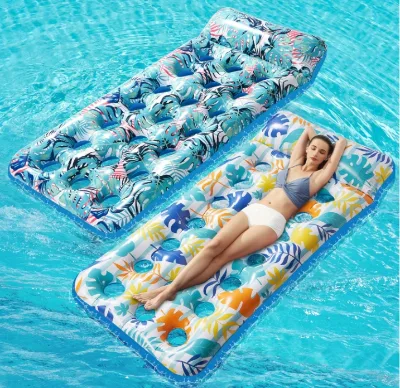

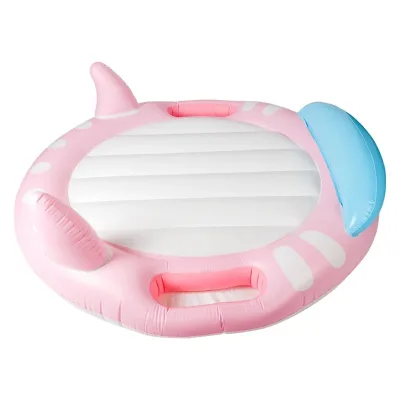
Comprehensive Sourcing Guide
Strategic Sourcing Guide for Foldable CE Inflatable Towable Floats
The global market for water recreation equipment has seen a surge in demand for versatile, portable, and compliant inflatables. Among these, the Foldable CE Inflatable Towable Float represents a critical category for B2B buyers, distributors, and rental operators. Sourcing these products requires a disciplined approach that balances technical performance, regulatory adherence, and supply chain reliability. This guide provides a comprehensive framework for evaluating potential suppliers and products, grounded in observed market data and verified product attributes.
Technical Specifications and Material Integrity
When evaluating a Foldable CE Inflatable Towable Float, the primary focus must be on material composition and dimensional consistency. The core material for these units is consistently identified as PVC (Polyvinyl Chloride), a choice driven by its durability, resistance to UV degradation, and ability to maintain structural integrity under pressure. Buyers must verify that the PVC used is of a thickness sufficient to withstand the dynamic loads associated with towing, which often involves high-speed water sports.
Dimensions vary significantly based on the intended application and target demographic. Market observations indicate a wide range of sizes, from compact units measuring approximately 1.5m x 3.5m x 15cm to larger configurations reaching 4m x 2m x 0.2m. Specific models, such as those designated by model numbers like ZBY-DOCK-002 or ZBY-DOCK-003, offer standardized dimensions like 2.74m x 2.44m x 0.2m. However, the "Custom Made" standard is prevalent, allowing for bespoke sizing to meet specific client requirements. The thickness of the material and the construction method are equally vital; welding techniques are frequently employed to ensure seams are robust and leak-proof, a critical factor for safety during high-impact towing scenarios.
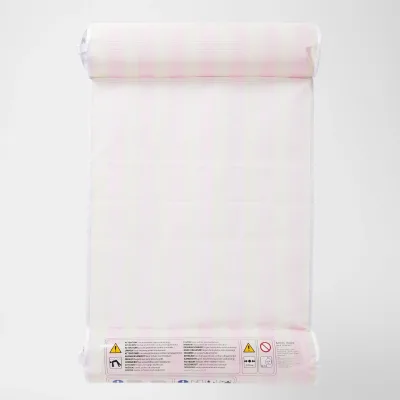
The foldability aspect is a key differentiator for logistics. Products described as "Folded" or designed for easy transport often utilize specific valve systems and folding patterns that reduce the packed volume. The standard packing method typically involves PVC bags for the inflatable components and cartons for accessories like pumps and blowers. Buyers should confirm that the folded dimensions align with their storage and shipping constraints, as the "European" style often implies specific design aesthetics and packing efficiencies that may differ from other regional standards.
Compliance and Certification Verification
Regulatory compliance is non-negotiable in the inflatable water sports sector. The "CE" mark is a recurring and high-confidence attribute observed in the product data, indicating conformity with health, safety, and environmental protection standards for products sold within the European Economic Area. However, the presence of a CE mark on a listing does not automatically guarantee that every unit meets the specific directives required for towable floats. Buyers must request the specific test reports and technical files that substantiate the CE claim, ensuring the product has undergone the necessary risk assessments and load testing.
Beyond CE, other certifications such as BSCI (Business Social Compliance Initiative) may be present, reflecting the supplier's commitment to ethical labor practices. While BSCI is not a product safety standard, it is a valuable indicator of a supplier's operational maturity. The "Allowable Passenger" count is another critical compliance metric; data suggests capacities ranging from single users to groups of ten, with specific certifications tied to these passenger limits. It is essential to verify that the stated passenger capacity is backed by engineering calculations and not merely a marketing estimate.
Buyers should also be aware that "custom made" standards often imply that the product is built to a specific order rather than a pre-existing mass-market standard. In these cases, the certification process may need to be tailored to the specific configuration. The "prod_standard" field often lists dimensions or custom specifications, but the underlying safety standard (such as EN 14960 for inflatable boats) should be explicitly referenced in the supplier's documentation.
Cost Drivers and Pricing Dynamics
The pricing structure for foldable CE inflatable towable floats is influenced by several variables, including material quality, customization level, and order volume. The observed price range in the market spans from $1 to $1,800, a wide spectrum that reflects the diversity of product types from simple single-item floats to complex, multi-person towable systems. This variance is not arbitrary; it correlates directly with the size, the thickness of the PVC material, the complexity of the welding, and the inclusion of accessories.
Minimum Order Quantity (MOQ) is a significant cost driver. Data indicates MOQs ranging from 1 piece to 3,000 pieces. Suppliers offering an MOQ of 1 piece are typically catering to sample orders or very small niche markets, often at a higher unit cost. Conversely, bulk orders with higher MOQs, such as 100 or 10 pieces, generally benefit from economies of scale, reducing the per-unit price. Buyers must calculate the total landed cost, which includes the unit price, shipping, and any tariffs, rather than focusing solely on the sticker price.
Additional cost factors include the customization of logos, colors, and printing. While "Accept Customized" is a standard offering, the complexity of the design and the number of colors can impact the setup costs and the unit price. The inclusion of accessories like pumps, repair kits, and suitable plugs also adds to the overall cost. Buyers should request a detailed breakdown of these costs to understand where the value lies and to ensure they are not paying for unnecessary features.
Typical Applications and Usage Scenarios
The versatility of foldable CE inflatable towable floats makes them suitable for a wide array of applications. The "Occasion" data highlights usage in sea, ocean, lake, pool, and yacht environments. This adaptability is crucial for B2B buyers targeting different market segments. For instance, a rental business at a resort may require robust, colorful floats suitable for children and adults, while a professional water sports operator might need high-performance units designed for adult use and high-speed towing.
The "Suitable People" attribute indicates that these products are designed for both adults and children, with some models specifically targeting the 3-18 years age range. This demographic targeting influences the design, with smaller, lower-profile floats for children and larger, more stable units for adults. The "Style" of the product, often described as "European," may appeal to markets with specific aesthetic preferences, while the "Colorful" nature of the units makes them attractive for recreational use.
In addition to recreational use, these floats are increasingly utilized in commercial settings such as parks and yacht clubs. The "Water Sport" usage category confirms their primary function in activities like tubing, wakeboarding, and general towing. Buyers should ensure that the selected product matches the specific water conditions of their intended location, as ocean use requires higher durability against saltwater and waves compared to pool or lake use.
Supplier Evaluation and Operational Capabilities
Selecting the right supplier is as critical as selecting the right product. The "Location" data reveals that many suppliers originate from China, with specific hubs in Guangdong and Jiangsu provinces. These regions are known for their manufacturing expertise in PVC products, but buyers must conduct due diligence to ensure the supplier has the capacity to meet their specific needs.
Key evaluation criteria include the supplier's ability to handle customization. The "Customization" attribute is listed as "Available," but the extent of this capability varies. Some suppliers may offer basic color changes, while others can modify dimensions, materials, and branding. The "Lead Time" of 7-15 working days is a standard benchmark, but buyers should verify if this timeline is consistent or if it fluctuates based on order volume and customization complexity.
The "Condition" of the product is listed as "New," which is standard for B2B transactions, but buyers should also inquire about the supplier's quality control processes. A supplier that offers "Repair Kits" as standard accessories demonstrates a commitment to product longevity and customer support. Additionally, the "Packing" method, whether in PVC bags or cartons, should be evaluated for its ability to protect the product during transit, especially for international shipping.
Quality Control and Long-Term Procurement Strategy
Ensuring consistent quality is paramount in the inflatable market. The "Welding" technique is a critical quality indicator, as poor welding can lead to seam failures and safety hazards. Buyers should request samples or third-party inspection reports to verify the integrity of the welds and the overall construction. The "Material" quality, specifically the PVC, should be tested for tensile strength and puncture resistance.
Long-term procurement strategies should focus on building a relationship with a supplier that can scale with the buyer's growth. The "MOQ" flexibility is a key factor here; a supplier that can accommodate orders ranging from 10 pieces to 3,000 pieces offers greater agility. Buyers should also consider the "Standard" of the product, ensuring that it aligns with their long-term business goals and regulatory requirements.
Finally, the "Folded" nature of the product offers logistical advantages, reducing storage space and shipping costs. However, buyers must ensure that the folding mechanism does not compromise the structural integrity of the float. A comprehensive quality control plan should include pre-shipment inspections, testing of the inflation and deflation cycles, and verification of all accessories. By adhering to these rigorous standards, buyers can secure a reliable supply of high-quality foldable CE inflatable towable floats that meet the demands of their customers and the market.
Comparative Analysis of Product Attributes
To facilitate a clearer understanding of the market landscape, the following table summarizes key attributes observed in the product data, highlighting the variability and standardization across different listings.
| Attribute | Observed Range/Value | Relevance to Buyer |
|---|---|---|
| Material | PVC | Determines durability and UV resistance. |
| Certification | CE, BSCI | CE is mandatory for EU; BSCI indicates ethical sourcing. |
| Size | 1.5m x 3.5m to 4m x 2m | Must match intended usage and storage constraints. |
| MOQ | 1 to 3,000 PCS | Impacts initial investment and inventory risk. |
| Lead Time | 7-15 Working Days | Critical for supply chain planning and delivery schedules. |
| Customization | Available (Logo, Color, Size) | Essential for branding and specific client requirements. |
| Accessories | Pump, Repair Kits, Plug | Adds value and ensures operational readiness. |
| Origin | China (Guangdong, Jiangsu) | Influences shipping costs and lead times. |
| Style | European, Customized | Affects market appeal and aesthetic alignment. |
This table serves as a quick reference for buyers to compare potential suppliers and products, ensuring that all critical factors are considered during the sourcing process. By focusing on these verified attributes, buyers can make informed decisions that align with their strategic objectives and operational needs.
FAQs
What certifications are available for these inflatables?
CE certification is a high-confidence fact observed for these products. Some listings also indicate BSCI certification, which reflects ethical labor practices rather than product safety standards. Buyers should verify specific test reports to ensure compliance with safety directives.
How can I customize the size and branding?
Customization is available for size, logo, printing, and color. The product standard is listed as custom made, allowing for bespoke dimensions like 2.74x2.44x0.2m or 4x2x0.2m. Buyers can request specific configurations to meet unique client requirements.
What is the typical lead time for production?
The standard lead time is 7-15 working days. This timeline may vary based on order volume and the complexity of customization requests. Buyers should confirm the specific schedule with the supplier before placing an order.
Which materials are used for construction?
The core material is consistently identified as PVC. This material is chosen for its durability and resistance to UV degradation. Welding techniques are frequently employed to ensure robust, leak-proof seams suitable for towing scenarios.
Can I order a single unit as a sample?
Yes, an MOQ of 1 piece is observed for some listings. However, other suppliers may require higher minimums, such as 10 or 1000 pieces. Buyers should check the specific MOQ for their chosen supplier to understand inventory requirements.
What accessories are included with the float?
Standard accessories include a pump, repair kits, and suitable plugs. The packing method typically involves PVC bags for the inflatable and cartons for the pump or blower. Buyers should verify the specific contents listed in the product description.