Source Foldable Padded Keyboard Case for Travel, Cycling, Storage
Compare 30 listings for the Foldable Padded Keyboard Case featuring waterproof, shockproof, and dustproof protection. Buyers can evaluate customized sizes, materials like EVA and PU, and OEM options for travel, cycling, and outdoor storage needs.
Key considerations
Products List
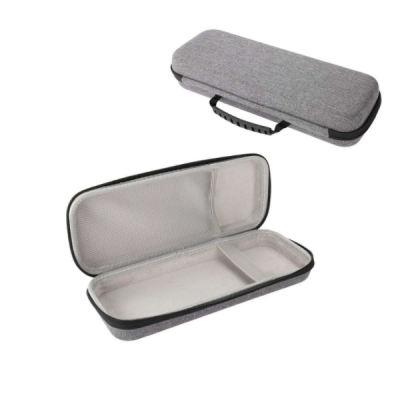
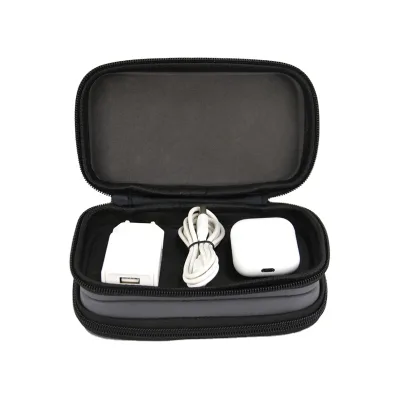
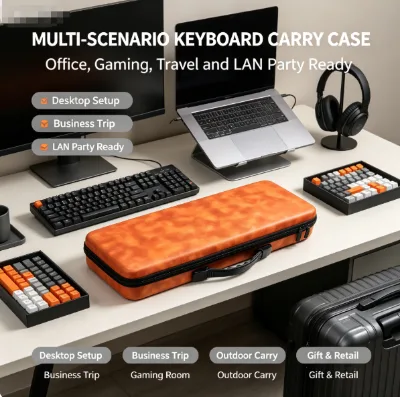


Generation Case with Keyboard, Tablet Covers Cases Detachable Keyboard
$17.50 - $23.50
MOQ: 200 Pieces

Keyboard iPad All-in-One Keyboard Case with Protector Case for iPad Tablet
$17.00 - $18.50
MOQ: 100 Pieces

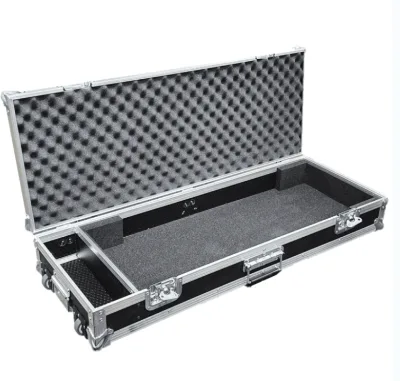


High Performance Alkaline Resistant Aluminum Keyboard Case for Professional Storage
$30.00 - $34.00
MOQ: 50 Pieces

High Performance Rustproof Aluminum Keyboard Case for Professional Storage
$35.00 - $40.00
MOQ: 50 Pieces


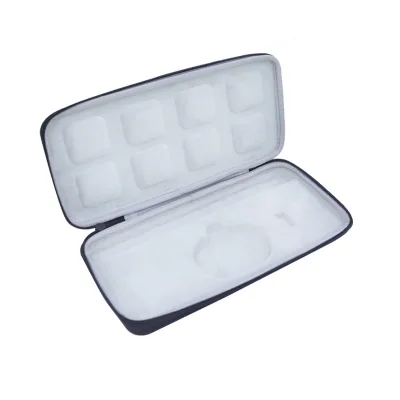
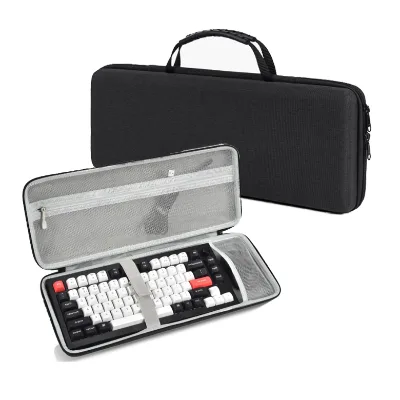
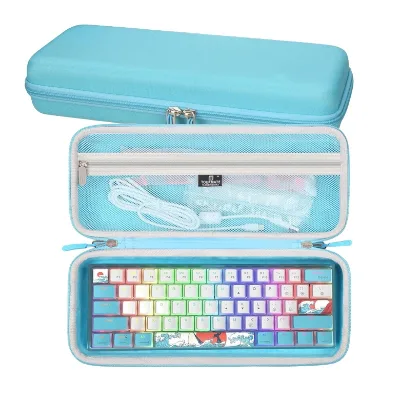
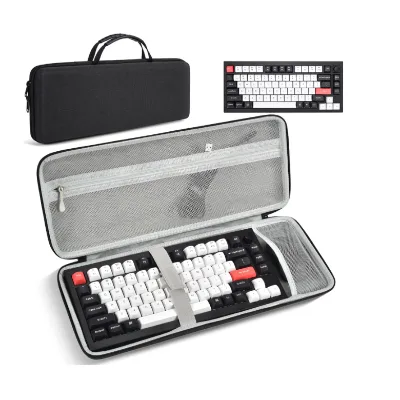
Comprehensive Sourcing Guide
Strategic Sourcing Guide for Foldable Padded Keyboard Cases
Understanding Product Architecture and Material Composition
When sourcing a Foldable Padded Keyboard Case, buyers must first distinguish between the protective housing and the keyboard itself, as the supply chain often separates these components. The core product in this category is a protective carrying solution designed to shield mechanical or membrane keyboards during transit. The primary material observed in high-quality instances is Ethylene-Vinyl Acetate (EVA), chosen for its unique balance of rigidity and flexibility. This material forms the structural shell, often combined with a PU (Polyurethane) outer coating to enhance water resistance and provide a sleek, durable finish. The interior lining is equally critical; specifications frequently cite Mutispandex or Velvet to prevent scratches on the keyboard surface while offering a soft, shock-absorbing environment.
The construction of these cases typically involves a multi-layer approach. The outer layer provides the initial defense against environmental factors, while the EVA core offers the necessary padding to absorb impact. The inner lining ensures that the keyboard remains secure and does not shift during movement. Some advanced models integrate a combination of PU, EVA, and Spandex to achieve specific performance metrics such as being lightweight yet durable. The design philosophy often leans towards a "foldable" or compact structure, allowing the case to be easily carried in a backpack or briefcase without taking up excessive space. This portability is a key feature, alongside other attributes like being dustproof, waterproof, and shockproof, which are essential for professionals who travel frequently or work in varied environments.
Technical Specifications and Functional Attributes
The technical specifications of a Foldable Padded Keyboard Case vary significantly based on the intended use and the size of the keyboard it is designed to protect. Dimensions are a primary consideration; while some models offer customized sizes to fit specific keyboard layouts, standard configurations often adhere to precise measurements. For instance, a typical large-capacity case might measure approximately 44 cm in length, 18.5 cm in width, and 7.5 cm in height. These dimensions are crucial for ensuring that the keyboard fits snugly without excessive movement, which could lead to damage. The single package size is often identical to the product dimensions, simplifying logistics and storage calculations for the buyer.
Functionality extends beyond simple storage. The closure mechanism is a vital technical component, with zippers being the standard choice for secure fastening. The number of compartments is another variable; effective cases often feature 2-3 distinct sections to organize accessories such as cables, keycap pullers, or cleaning tools alongside the main keyboard. The style of the case can range from simple and classic to modern and fashionable, catering to different aesthetic preferences. Additionally, the case may be designed with specific features like a PU cover for enhanced durability or a compact design for maximum portability. The ability to withstand various environmental conditions is paramount, with features like water resistance and shockproof capabilities being standard expectations for professional-grade equipment.
Compliance, Certification, and Quality Assurance
In the B2B procurement of protective cases, verifying compliance and certification is a non-negotiable step to ensure product reliability and market acceptance. While specific test data for every batch may not be available in initial listings, buyers should look for evidence of quality management systems. A high-confidence indicator of a reputable manufacturer is the possession of ISO9001 certification, which demonstrates a commitment to consistent quality control processes. This certification suggests that the supplier adheres to international standards for managing quality, reducing the risk of defects in the final product.
Beyond formal certifications, buyers must evaluate the material safety and durability claims. The use of EVA and PU materials should be verified to ensure they meet environmental and safety standards, particularly if the products are intended for export to regions with strict regulations on chemical usage. The "Eco-Friendly" attribute mentioned in some product descriptions should be substantiated through supplier documentation or third-party testing reports. Buyers should request material safety data sheets (MSDS) to confirm that the adhesives, dyes, and coatings used in the manufacturing process do not contain harmful substances. Furthermore, the claim of being "waterproof" or "shockproof" requires verification through standardized testing protocols, such as IP rating assessments or drop tests, to ensure the product performs as advertised under real-world conditions.
Cost Drivers and Pricing Dynamics
The pricing of foldable padded keyboard cases is influenced by a complex interplay of factors, including material costs, customization levels, and order volume. The observed price range in the market spans from $0.18 to $60 per unit, reflecting the vast difference between basic, unbranded models and premium, highly customized solutions. Several key drivers contribute to this variance. The choice of materials is a primary factor; cases utilizing high-grade EVA with premium PU coatings and soft velvet linings will command a higher price point compared to those using standard materials.
Customization is another significant cost driver. Buyers requesting custom logos, specific color schemes, or unique dimensions will incur additional tooling and setup costs. The "Accept Customized Logo" and "Customized Color" options indicate that the supplier is willing to tailor the product, but this flexibility comes at a premium. The Minimum Order Quantity (MOQ) also plays a crucial role in pricing. While some suppliers may offer low MOQs starting at 1 unit for sampling, bulk orders typically require commitments ranging from 300 to 2000 pieces. Higher order volumes generally result in lower unit costs due to economies of scale. Additionally, the complexity of the design, such as the number of compartments or the inclusion of specialized features like RGB backlighting integration (though rare for cases, more common for the keyboards themselves), can impact the final price.
Supplier Evaluation and Operational Capabilities
Selecting the right supplier requires a thorough evaluation of their operational capabilities and business practices. Buyers should prioritize suppliers who demonstrate flexibility in their production processes, such as those that warmly welcome OEM (Original Equipment Manufacturer) and ODM (Original Design Manufacturer) requests. This willingness to collaborate on design and branding is essential for companies looking to create a unique product identity. The location of the supplier is also a relevant factor; many manufacturers are based in Guangdong, China, a hub known for its robust manufacturing infrastructure and supply chain efficiency.
Lead times and sample availability are critical metrics for planning procurement cycles. A typical sample time for these products ranges from 5 to 7 working days, allowing buyers to evaluate the quality before committing to a large order. Buyers should verify the supplier's ability to meet specific deadlines, especially for time-sensitive projects. The packaging method is another aspect to consider; standard practices often include individual poly bags followed by carton packing to ensure safe transit. The single gross weight of the product, which can be around 1.882 kg for larger models, should be factored into shipping cost calculations. Additionally, the supplier's track record in handling custom orders and their responsiveness to inquiries are strong indicators of their reliability as a long-term partner.
Typical Applications and Market Segmentation
Foldable padded keyboard cases serve a diverse range of applications, catering to various market segments. The primary use case is for professionals who require reliable protection for their equipment while traveling. This includes musicians, audio engineers, and IT professionals who frequently move between venues or work sites. The "Travel," "Outdoor," and "Cycling" applications highlight the versatility of these cases in dynamic environments where equipment is exposed to the elements and physical stress.
Beyond professional use, these cases are also suitable for everyday storage and organization. The "Daily," "Storage," and "Packaging" applications suggest that they are valuable for consumers who want to keep their keyboards safe at home or in the office. The "Multi-Functional" nature of the product allows it to be used for more than just keyboards; it can store other sensitive electronic devices or tools. The "Protect" feature is central to all these applications, emphasizing the case's role in preventing damage from drops, dust, and moisture. The "Large Capacity" and "Reusable" attributes make them ideal for users who need to carry multiple accessories or who prefer sustainable packaging solutions. Understanding these applications helps buyers tailor their sourcing strategy to meet the specific needs of their target market, whether it is B2B clients in the tech industry or B2C consumers looking for durable gear.
Long-Term Procurement Considerations
Sourcing foldable padded keyboard cases is not merely a transactional activity but a strategic decision that impacts long-term business operations. Buyers should consider the scalability of their supplier's production capacity to ensure they can meet growing demand without compromising quality. The ability to maintain consistent product specifications over time is crucial for brand reputation. Regular quality control checks should be implemented to monitor the consistency of materials, stitching, and zipper functionality.
Sustainability is an increasingly important factor in long-term procurement. Buyers should evaluate the environmental impact of the materials used and the manufacturing processes. The "Eco-Friendly" attribute, if verified, can be a significant selling point for environmentally conscious consumers. Additionally, the "Reusable" nature of the cases aligns with global trends towards reducing waste. Buyers should also plan for the lifecycle of the product, considering how the case can be maintained or repaired to extend its usability. Establishing a strong relationship with the supplier, including clear communication channels and agreed-upon service level agreements, will facilitate smoother operations and better risk management. By focusing on these long-term considerations, buyers can build a resilient supply chain that supports their business growth and adapts to changing market conditions.
FAQs
What materials are used for foldable padded keyboard cases?
These cases typically use EVA for the structural shell, combined with a PU outer coating and a Mutispandex or Velvet lining. This multi-layer construction ensures the device is protected from shock, dust, and water while preventing scratches on the keyboard surface during transit.
Can I customize the logo and color of the case?
Yes, customization for logos and colors is acceptable and warmly welcomed by suppliers. Buyers can request specific designs, though this may affect the minimum order quantity and unit price depending on the complexity of the customization requested.
What is the typical minimum order quantity for these cases?
The minimum order quantity varies by supplier but commonly ranges from 300 to 500 pieces. Some suppliers may offer lower quantities for sampling, but bulk orders generally require meeting these thresholds to secure the standard pricing and production slots.
How long does it take to receive a sample?
Sample production typically takes between 5 to 7 working days. This lead time allows buyers to verify the quality of materials like EVA and PU before committing to a larger bulk order, ensuring the product meets specific durability standards.
Which certifications do manufacturers usually hold for these cases?
High-confidence manufacturers often hold ISO9001 certification to demonstrate consistent quality management processes. This certification indicates that the supplier adheres to international standards for managing quality, reducing the risk of defects in the final protective case products.
What are the standard dimensions for a large capacity case?
Standard large capacity cases often measure approximately 44 cm in length, 18.5 cm in width, and 7.5 cm in height. These dimensions are designed to fit specific keyboard layouts snugly while providing ample space for accessories in the 2-3 compartments.