Source Water Resistant Diaper Bag with Changing Station for Travel, Outdoors, Daily
Compare 30 listings of Water Resistant Diaper Bag with Changing Station designed for traveling, outdoor activities, and daily baby care. These options feature adjustable straps, multi-pocket storage, and water-resistant coatings to meet diverse sourcing needs; compare the available evidence and request quotations based on your requirements.
Key considerations
Products List

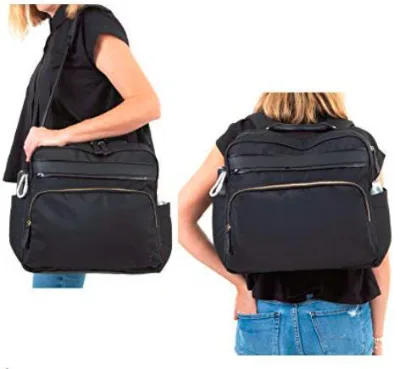


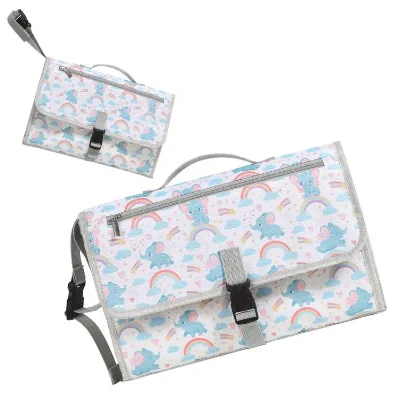
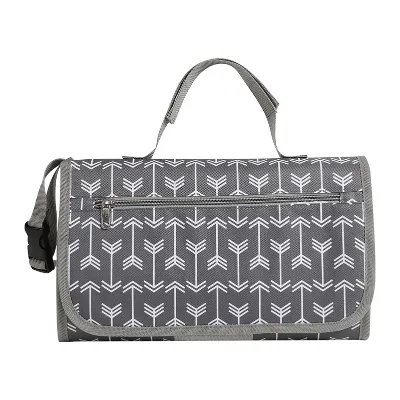


Diapers Baby Bag Hot Sale Durable Diaper Bag with Changing Station Grey
$8.99 - $11.50
MOQ: 500 Pieces


Multifunction Water Resistant Diaper Bag Backpack with Insulated Pockets
$8.99 - $11.50
MOQ: 500 Pieces

Pink Diaper Bag with Changing Station Mommy Bag Diaper Backpack for Travel
$8.99 - $12.65
MOQ: 500 Pieces


Large Multifunction Waterproof Travel Baby Changing Bag Diaper Bag Backpack
$8.79 - $10.99
MOQ: 500 Pieces


Comprehensive Sourcing Guide
Water Resistant Diaper Bag with Changing Station Sourcing Guide
Procurement teams must first distinguish between products labeled as water-resistant and those claiming fully waterproof performance, as the supplied data reveals a clear divergence in coating technologies. Some listings specify a water-resistant coating suitable for daily travel, while others assert fully waterproof capabilities, requiring buyers to verify the specific material treatment before finalizing orders. This distinction directly impacts the suitability of the bag for different weather conditions and usage scenarios, necessitating a careful review of the product description to ensure the claimed protection matches the intended operational environment.
Buyers should also scrutinize the material composition, as the observed inventory includes both Nylon and Polyester with PU coatings, each offering different durability profiles. The presence of 210D Nylon lining in some models suggests a focus on lightweight strength, whereas Polyester and PU combinations may offer enhanced abrasion resistance for rugged outdoor use. Understanding these material variances is critical for selecting a bag that balances weight, durability, and water protection, ensuring the final product meets the specific demands of parents who require reliable gear for both urban commuting and outdoor adventures.
Product Scope and Observed Listing Signals
The market for water-resistant diaper bags with changing stations currently features a diverse range of models, including specific designs like the OFFL2179 and DP18050, which cater to distinct capacity needs. Listings indicate capacity ranges from 20 to 34 liters, with some large models exceeding 50cm in size, allowing buyers to match the bag volume to their specific storage requirements for diapers, bottles, and clothing. This variation in size and capacity means that procurement strategies must account for the end-user's lifestyle, whether they require a compact bag for quick outings or a larger backpack for extended travel and daily packing.
Visual and functional attributes observed in the listings, such as multi-pocket configurations and adjustable straps, are standard features that enhance usability for caregivers. The available color palette, including pink, grey, green, blue, and black, alongside options for customized colors, provides flexibility for branding or personal preference. However, buyers must verify that the "changing station" functionality is integrated into the design, as some products are explicitly marketed as multi-purpose baby changing bags while others focus primarily on general storage, requiring a clear definition of the changing pad integration during the sourcing process.
Technical Specifications to Verify
When evaluating technical specifications, the physical dimensions and weight of the product are paramount for logistics and user comfort. The observed data includes specific package sizes such as 36x30x20 cm and standard dimensions of 31x20x41 cm, which influence shipping costs and storage efficiency. Buyers must confirm whether the listed dimensions refer to the product itself or the single package size, as discrepancies can lead to unexpected freight charges. Additionally, the single gross weight of 3.000 kg for certain models highlights the importance of verifying the actual product weight against the shipping weight to ensure accurate cost modeling and handling requirements.
Waterproofing performance requires rigorous verification beyond marketing labels, as the data presents both "water-resistant coating" and "fully waterproof" claims. Buyers should request detailed test results or material specifications to confirm the level of protection, especially since some items are described as water-resistant while others claim full waterproofing. The presence of features like double shoulder designs and solid patterns should be cross-referenced with the intended use, ensuring that the structural integrity and aesthetic choices align with the durability expectations for a product designed for baby outdoor daily packing and travel.
Compliance and Safety Documentation
Safety and compliance documentation are essential for products intended for infant use, particularly when the item includes a changing station or direct contact with baby care items. The observed listings mention ISO9001 certification, which indicates a supplier's adherence to quality management systems, but this does not automatically guarantee product safety for infants. Procurement teams must verify if specific safety standards for baby products, such as chemical restrictions or physical safety tests, are included in the supplier's quality assurance protocols, as general ISO certification may not cover the specific hazards associated with diaper bags and changing surfaces.
Documentation regarding the origin of materials and manufacturing processes is equally critical for ensuring that the product meets regional safety regulations. The data indicates origins in Guangdong and Fujian, China, regions known for manufacturing these goods, but buyers must confirm that the specific factory holds relevant certifications for the target market. It is vital to request proof of compliance with local safety standards, such as those regarding flame retardancy or toxic substance limits, to mitigate liability risks and ensure that the water-resistant diaper bag is safe for daily use by families.
Cost Drivers and Commercial Terms
Cost structures for water-resistant diaper bags are heavily influenced by material choices, customization levels, and order volume. The observed MOQ ranges from 2 to 1000 pieces, with specific listings noting an MOQ of 100 pieces, which significantly impacts the unit price and initial investment required. Buyers must analyze how customization options, such as OEM/ODM services and customized colors, affect the final cost, as these value-added services often incur additional setup fees and higher per-unit pricing compared to standard stock items.
Commercial terms regarding lead times and sample availability also play a crucial role in the total cost of ownership. The data shows a sample time of 5-7 days, which is a relatively short turnaround for prototyping, but buyers must clarify the production lead time for bulk orders to ensure alignment with their supply chain schedules. Understanding the relationship between the selling units, packing methods, and the single package size is necessary to calculate accurate landed costs, including freight and duties, ensuring that the financial projection remains within budget while maintaining the desired quality and feature set.
Supplier Qualification and Quality Control
Supplier qualification should extend beyond basic business registration to include a thorough assessment of their manufacturing capabilities and quality control systems. The presence of OEM/ODM services and brand name options like Hqartisan suggests that suppliers are capable of custom production, but buyers must verify their track record for maintaining consistency in water-resistant coatings and material quality. It is advisable to conduct on-site audits or request detailed quality control reports to ensure that the production process consistently meets the specified standards for durability and water protection.
Quality control protocols must specifically address the integration of the changing station and the durability of the water-resistant features. Since the product is designed for baby outdoor daily packing, the stitching, zippers, and coating application must withstand frequent use and exposure to moisture. Buyers should establish clear acceptance criteria for defect rates, particularly regarding the functionality of multi-pocket designs and the integrity of the adjustable straps, to prevent returns and maintain brand reputation in a competitive market.
Long-Term Procurement Checks
Long-term procurement success depends on establishing a robust framework for ongoing performance monitoring and supplier relationship management. Buyers should implement regular quality audits to ensure that the water-resistant properties and material integrity remain consistent over time, as degradation in coating quality can occur with repeated manufacturing cycles. Maintaining open communication channels with the supplier allows for early detection of potential issues, ensuring that any deviations from the agreed specifications are addressed before they impact the supply chain or customer satisfaction.
Strategic planning for future orders should include evaluating the scalability of the supplier's production capacity and their ability to adapt to changing market demands. As the product line evolves, buyers may need to adjust specifications for capacity, color, or material composition to meet new trends or regulatory requirements. By maintaining a flexible yet disciplined approach to procurement, organizations can ensure a steady supply of high-quality water-resistant diaper bags with changing stations that continue to meet the evolving needs of parents and caregivers.
FAQs
What materials are used for water resistant diaper bags?
These bags typically utilize durable materials such as nylon, polyester, and PU to ensure longevity and functionality. The lining often features 210D nylon for added strength. Some models include water-resistant coatings or fully waterproof designs to protect contents from moisture. These material choices support the bag's primary function as a reliable organizer for daily baby care needs and outdoor activities.
Can I customize the colors and branding of these bags?
Yes, customization is available for both colors and branding. Buyers can select from standard options like pink, grey, green, blue, or black, or request customized colors to match specific brand identities. OEM and ODM services are accepted, allowing for tailored designs. This flexibility ensures that the final product aligns with your marketing strategy and target audience preferences effectively.
What is the typical capacity and size of these diaper bags?
The capacity generally ranges from 20 to 34 liters, suitable for carrying essential baby items. The standard size is approximately 31x20x41 cm, classified as large. Some models offer a 30L capacity with a single package size of 36x30x20 cm. This spacious design ensures ample room for diapers, wipes, and clothing, making it ideal for travel and daily outdoor use.
Are these bags suitable for unisex or female users?
These bags are designed to accommodate various user preferences, with options available for both female and unisex markets. While some styles feature simple designs suitable for daily use, others offer multi-pocket and adjustable strap features for enhanced functionality. The versatile design ensures that the bag meets the practical needs of parents regardless of gender, providing comfort and convenience during travel or outdoor activities.
What certifications do these diaper bag manufacturers hold?
Manufacturers often hold ISO9001 certification, indicating adherence to quality management standards. This certification ensures that production processes meet international requirements for consistency and reliability. Buyers can verify these credentials to ensure product quality and manufacturing standards. The focus on certified production helps maintain high standards in material selection, assembly, and final inspection, providing confidence in the durability and safety of the diaper bags.
What is the minimum order quantity for these bags?
The minimum order quantity typically ranges from 2 to 1000 pieces, depending on the supplier and customization requirements. Standard items may have lower MOQs, while customized designs with specific colors or branding might require higher volumes. This flexibility allows buyers to order samples or bulk quantities based on their market demand. It is advisable to confirm the exact MOQ with the supplier before placing an order.