Source Folding Motorcycle License Plate Bracket for Touring, Racing, and Commuting
Explore 30 verified options for a Folding Motorcycle License Plate Bracket designed for touring, racing, and daily commuting. Buyers can compare specifications, pricing, and customization features to find the ideal mounting solution for their vehicle needs.
Key considerations
Products List


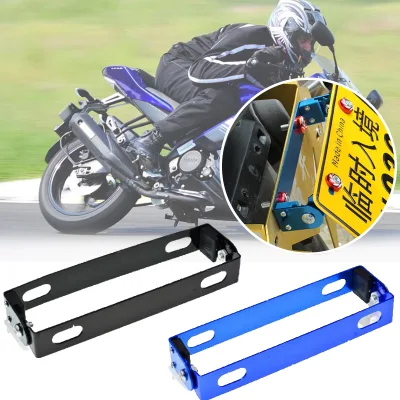

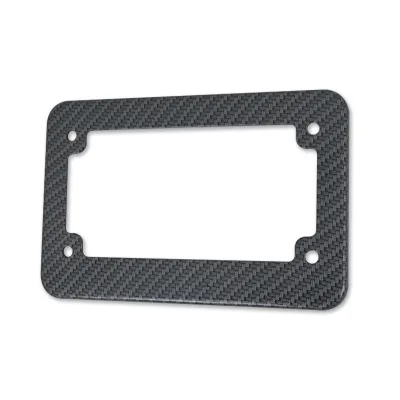
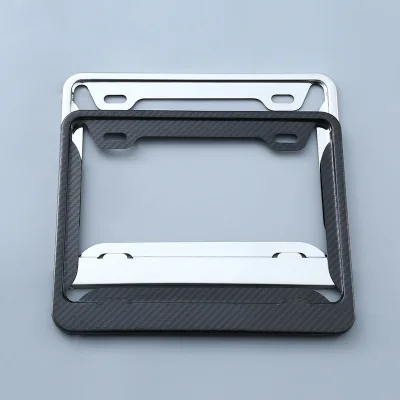
License Plate, Car Plate, Number Plate, Registration Plate, Motorcycle Plate
$1.00 - $2.00
MOQ: 500 Pieces


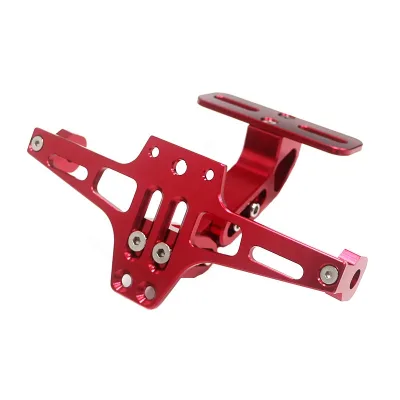


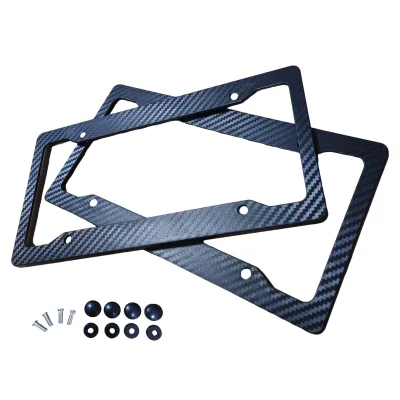
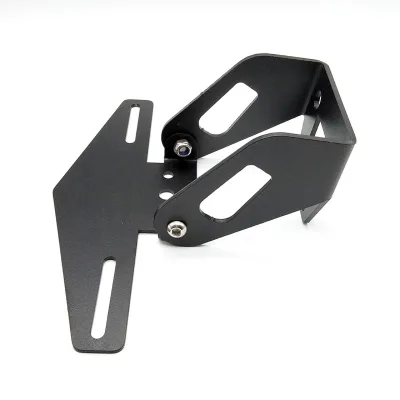
Comprehensive Sourcing Guide
Strategic Sourcing Guide for Folding Motorcycle License Plate Brackets
Understanding the Product Category and Functional Requirements
The core keyword "Folding Motorcycle License Plate Bracket" refers to a specialized hardware component designed to secure a vehicle's license plate while offering the mechanical advantage of a folding mechanism. This feature is particularly critical for motorcycles that require compliance with varying international traffic regulations, storage constraints, or specific aesthetic preferences. Unlike static mounts, a folding bracket allows the plate to be rotated or collapsed, often to prevent damage during parking or to meet local laws that prohibit protruding accessories.
Based on the observed product attributes, the market for these components is diverse, ranging from simple hanging types to more complex CNC-machined units. The primary functional observation is the "Hanging" type classification, which suggests a suspension mechanism where the plate is suspended from a mounting point rather than being rigidly bolted to the frame in a fixed position. The material composition is predominantly Aluminum or Alloy, selected for its high strength-to-weight ratio and resistance to corrosion, which is essential for outdoor motorcycle applications. The "Sport" style attribute indicates that many of these brackets are designed with an aggressive, performance-oriented aesthetic, often featuring black, red, or blue finishes to match custom motorcycle builds.
When evaluating the folding mechanism, buyers must distinguish between simple hinges and complex locking systems. The provided data notes a "Tolerance" of +/- 0.2, which is a critical metric for the precision of the folding joints. If the tolerance is too loose, the bracket may wobble or fail to lock securely; if too tight, the folding action may be stiff or prone to seizing. The production method is frequently cited as "CNC Machines," implying that the folding components are machined to high precision rather than cast, ensuring the durability required for the repeated stress of folding and unfolding.
Technical Specifications and Material Standards
Selecting the correct technical specifications is the first line of defense against procurement failure. The product data reveals a wide range of model numbers, such as MLPF-0001, YP-895, YP-900, and various LK series models (LK10-025 through LK10-044). This variety suggests that there is no single universal standard for folding brackets; instead, specifications are often tailored to specific motorcycle models or regional requirements.
The material specification is a key differentiator. While "Aluminum" is the primary material listed, some entries specify "Alloy," which may refer to specific aluminum alloys (e.g., 6061 or 7075) known for enhanced hardness. The "International Standard" and specific national standards like "BS, ANSI, JIS, GB, GOST, ASTM, DIN" indicate that compliant products must adhere to rigorous dimensional and mechanical testing protocols. Buyers should verify that the specific model they intend to purchase aligns with the relevant standard for their target market. For instance, a bracket intended for the European market must strictly comply with DIN standards, while those for the US market require ANSI or ASTM compliance.
Dimensional specifications are equally vital. The observed package sizes vary significantly, with single package sizes ranging from 18x7x3 cm to 50x20x20 cm. This variance likely correlates with the folding mechanism's complexity and the inclusion of packaging materials like "OPP Bag," "Carton Box," or "Blister" packs. The weight of the product is listed as 90g for certain models, which serves as a baseline for lightweight applications. However, buyers must be cautious, as the weight can vary based on the thickness of the aluminum and the complexity of the folding joint. The "Thickened" attribute suggests that some models are reinforced for added durability, a feature that should be verified against the specific load requirements of the license plate and any potential wind resistance.
Compliance, Certification, and Regulatory Verification
In the B2B procurement of motorcycle accessories, compliance is not merely a formality but a legal necessity. The product data lists several certifications, including "ISOGS," "RoHS," "CE," and "ISO9001." It is crucial to understand that these certifications are not automatically applied to every SKU within a supplier's catalog. The presence of "ISO9001: Material:Alloy" in one entry and "ISO9001: 2000" in another suggests that certification status may vary by production batch or specific model line.
Buyers must verify the current validity of these certifications. RoHS (Restriction of Hazardous Substances) compliance is essential for products entering the European Union, ensuring that the aluminum alloy and any coatings do not contain restricted heavy metals. CE marking indicates conformity with health, safety, and environmental protection standards for products sold within the European Economic Area. However, the data also lists "Standard: customized" for some models, which implies that certain brackets may be produced to order without pre-existing certification. In such cases, the buyer assumes the responsibility of ensuring the product meets the regulatory requirements of the destination country.
Furthermore, the "International Standard" designation is broad. Buyers should request specific test reports or certificates of conformity that reference the exact standard number (e.g., DIN 70000 or ASTM F1554) relevant to the folding mechanism's structural integrity. The "Tolerance" of +/- 0.2 mentioned in the data is a manufacturing capability, but it does not constitute a certification. A product may be machined to this tolerance but still fail to meet the safety standards required for road use if the folding latch mechanism is not robust enough. Therefore, the procurement strategy must include a request for third-party testing results that validate the folding mechanism's ability to withstand vibration and impact, which are common in motorcycle environments.
Cost Drivers and Pricing Dynamics
The pricing landscape for folding motorcycle license plate brackets is influenced by several distinct factors, as evidenced by the observed price range of $0.53 to $10.50 USD. This wide disparity indicates that the cost is not solely determined by the raw material but heavily by the complexity of the design, the precision of the manufacturing, and the level of customization.
The primary cost driver is the manufacturing process. Products produced by "CNC Machines" generally command a higher price point than those made via casting or stamping due to the higher labor and machine time costs involved. The "Thickened" attribute and the "Aluminum Making: CNC" specification suggest that premium models utilize more material and more complex machining operations, pushing the price toward the upper end of the observed range. Conversely, basic models with simple folding mechanisms and standard packaging (e.g., "OPP Bag") may fall near the lower end of the price spectrum.
Customization is another significant cost factor. The data confirms that "Customization" and "Customized" are available attributes. Customization can include changes to the color (Black, Red, Blue), the addition of logos, or modifications to the folding geometry to fit specific motorcycle frames. These custom orders often require a higher Minimum Order Quantity (MOQ) to amortize the setup costs. The observed MOQ range of 5 to 1000 units reflects this dynamic. A buyer seeking a standard, off-the-shelf model might find an MOQ as low as 5 or 20 pieces, while a custom-branded order could require an MOQ of 300 or even 1000 pieces.
Packaging also impacts the final unit cost. The transition from simple "OPP Bag" to "Carton Box" or "Blister" packaging adds material and labor costs. Additionally, the "Delivery Date" of 7-15 days suggests that lead times are relatively short for standard items, but custom orders may extend this timeline, affecting the overall cost structure through expedited shipping fees or production scheduling premiums. Buyers should analyze the total landed cost, including shipping and potential tariffs, rather than focusing solely on the unit price, as the $0.53 to $10.50 range represents a significant variance in value proposition.
Supplier Evaluation and Production Capabilities
Evaluating suppliers for folding motorcycle license plate brackets requires a deep dive into their production capabilities and operational history. The data indicates that production originates from "Zhejiang, China" and "China" generally, a region known for its robust manufacturing ecosystem. However, the presence of multiple model numbers (YP-895, YP-900, LK series) suggests that some suppliers may be trading companies aggregating products from various factories, while others may be direct manufacturers with their own CNC facilities.
A critical evaluation metric is the "Produced by: CNC Machines" attribute. Buyers should verify whether the supplier owns the CNC machinery or outsources the machining. Direct ownership often ensures better quality control and faster turnaround times for custom modifications. The "Tolerance" of +/- 0.2 is a specific capability claim; a reputable supplier should be able to provide calibration records or quality control logs that demonstrate consistent adherence to this tolerance across production batches.
The "Condition: New" attribute is standard but should be verified in the context of the supplier's inventory management. Are they selling new, unused stock, or are they refurbishing old inventory? For a folding mechanism, the condition of the hinges and locking pins is paramount. A supplier with a reputation for high-quality stock will likely offer warranties or guarantees regarding the structural integrity of the folding mechanism.
Furthermore, the "Selling Units: Single" and "Single Item" attributes suggest that the supplier is capable of handling both bulk B2B orders and smaller retail-sized transactions. This flexibility is a positive indicator of a mature supply chain. However, buyers must be wary of suppliers who claim to offer "Customized" products but lack the engineering resources to validate the design changes. A robust supplier will have an engineering team capable of reviewing CAD files for custom folding brackets to ensure that the proposed design does not compromise the structural integrity of the aluminum alloy.
Quality Control and Long-Term Procurement Strategy
Implementing a rigorous quality control (QC) protocol is essential for long-term success in sourcing folding motorcycle license plate brackets. The "Standard: customized" and "Standard: aluminum holders" entries highlight the variability in product definitions. A robust QC strategy must begin with a clear definition of the acceptance criteria. This includes verifying the material composition (Aluminum vs. Alloy), the dimensional accuracy (Tolerance +/- 0.2), and the functional performance of the folding mechanism.
Buyers should request pre-shipment inspections that specifically test the folding and locking action. This involves subjecting the bracket to repeated cycles of folding and unfolding to ensure the hinge does not loosen or the locking mechanism does not fail. The "Weight: 90g" specification should be used as a baseline, but the actual weight of the sample must be measured to ensure consistency with the bulk order. Any significant deviation could indicate a change in material density or wall thickness, which would affect the product's durability.
Packaging integrity is another critical QC point. The "Packing: OPP Bag/Carton" and "prod_packing: Box" variations suggest that packaging must be tailored to the specific product model. The packaging must protect the folding mechanism from damage during transit. A compromised hinge due to poor packaging can render the product useless, leading to high return rates and customer dissatisfaction.
For long-term procurement, buyers should establish a relationship with suppliers who offer consistent quality and transparent communication. The "Lead Time: 7-15 Days" is a standard expectation, but buyers should negotiate specific terms for custom orders to ensure that lead times do not become a bottleneck. Additionally, maintaining a buffer stock of standard models can mitigate supply chain disruptions. The "MOQ: 300PCS" and "MOQ: 20 Pcs" ranges indicate that buyers can start with small orders to test quality before committing to larger volumes. This phased approach minimizes risk and allows for iterative improvements based on real-world performance data.
Typical Applications and Market Fit
The "Application: All Motorcycle" attribute suggests a broad market fit, but the reality is more nuanced. Folding brackets are particularly suited for sport bikes, cruisers, and custom motorcycles where aesthetics and storage are priorities. The "Sport" style and "Black or Red or Blue" color options align with the customization trends in the motorcycle community. These brackets are often used in scenarios where the license plate must be concealed or folded away, such as in regions with strict laws against protruding objects or for riders who frequently park in tight spaces.
The "Hanging" type classification indicates that these brackets are designed to be mounted in a way that allows the plate to hang freely or fold down. This is distinct from rigid frame mounts and is ideal for motorcycles with limited mounting points. The "LED Flash Function: No" attribute clarifies that these are purely mechanical brackets, not electronic accessories, which simplifies the installation process and reduces the risk of electrical failures.
In terms of market fit, the "International Standard" and various national standards (BS, ANSI, JIS, etc.) suggest that these products are designed for global distribution. Buyers targeting specific regions should ensure that the bracket's design complies with local regulations regarding license plate visibility and mounting height. The "Customized" nature of some models allows for adaptation to these regional requirements, making them a versatile option for international distributors. However, the "Standard: customized" entry also warns that some products may not be universally compatible, requiring careful verification of fitment for specific motorcycle models before large-scale procurement.
Final Procurement Considerations
In conclusion, sourcing folding motorcycle license plate brackets requires a balanced approach that considers technical specifications, compliance, cost, and supplier reliability. The wide range of models, materials, and certifications available in the market offers buyers significant flexibility but also demands rigorous due diligence. By focusing on the verified attributes such as CNC production, aluminum construction, and specific tolerances, buyers can ensure they are procuring high-quality products that meet their operational needs.
The observed price range of $0.53 to $10.50 and MOQs from 5 to 1000 units provide a clear framework for budgeting and inventory planning. Buyers should prioritize suppliers who can demonstrate consistent quality control, valid certifications, and the capacity to meet the specific customization requirements of their market. By adhering to these principles, procurement teams can build a reliable supply chain for folding motorcycle license plate brackets that supports both immediate sales needs and long-term business growth.
FAQs
What materials are used for folding motorcycle license plate brackets?
These brackets are primarily made from aluminum or alloy materials. The data confirms aluminum is the standard composition, with some entries specifying alloy for enhanced hardness and corrosion resistance suitable for outdoor motorcycle applications.
Can I request customization for these license plate brackets?
Yes, customization is available for these products. Buyers can request specific colors like black, red, or blue, and some models allow for custom branding or design modifications, though this may require higher minimum order quantities.
What is the typical lead time for delivery of these brackets?
The standard delivery date ranges from 7 to 15 days. This lead time applies to standard orders, while custom orders or those requiring specific certifications might have extended timelines depending on the supplier's production capacity.
Which certifications are available for these motorcycle license plate holders?
Available certifications include ISO9001, RoHS, CE, and ISOGS. These certifications ensure compliance with international standards, though buyers should verify that specific models carry the required certification for their target market before purchasing.
How does the MOQ vary for different bracket models?
The minimum order quantity ranges from 20 pieces to 1000 units. Basic models may have an MOQ as low as 20 or 300 pieces, while custom orders often require higher volumes to amortize setup and machining costs effectively.
What production methods are used for these brackets?
Many brackets are produced using CNC machines to ensure high precision. This method allows for tight tolerances of plus or minus 0.2 millimeters, ensuring the folding mechanism operates smoothly and meets durability requirements for road use.