Source Folding Space Saving TV Tray for Living Room, Bedroom, Office
Explore 30 verified options for the Folding Space Saving TV Tray designed for compact living. Buyers can compare features like material, dimensions, and customization to find the ideal unit for their specific space-saving needs.
Key considerations
Products List

$13.95 - $14.10
MOQ: 1000 Pieces


Comprehensive Sourcing Guide
Strategic Sourcing Guide for Folding Space Saving TV Trays
The global market for compact living solutions has driven a significant surge in demand for furniture that maximizes utility without consuming floor area. Among these innovations, the Folding Space Saving TV Tray has emerged as a critical category for modern households, small apartments, and multi-purpose commercial spaces. Sourcing these items requires a nuanced understanding of material science, mechanical engineering, and supply chain logistics. This guide provides a disciplined framework for buyers to navigate the procurement process, ensuring that selected products meet rigorous functional and safety standards while aligning with budgetary constraints.
Technical Specifications and Material Integrity
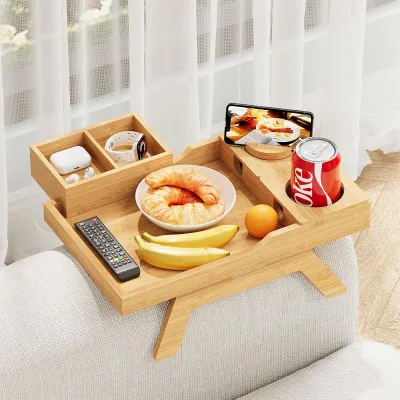
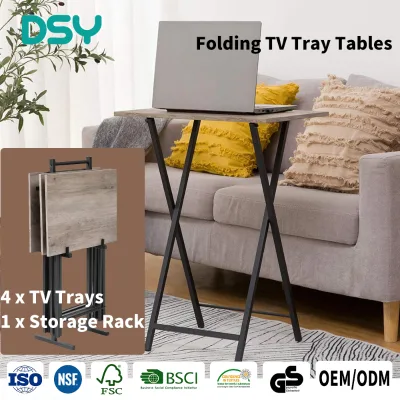
When evaluating folding space saving TV trays, the primary technical focus must be on the structural composition and the mechanism of the folding action. The material selection is the first determinant of product longevity and aesthetic appeal. In the current market, a diverse range of materials is available, from natural bamboo to engineered steel and wood composites. For instance, specific product profiles indicate the use of bamboo as a primary material, offering a natural aesthetic with inherent durability. Conversely, other variants utilize metal frames, specifically steel, to ensure high load-bearing capacity and resistance to deformation over time. The top surface often combines wood or metal with specific finishes, such as lacquer, to enhance resistance to moisture and scratches.
The mechanical design of the folding mechanism is equally critical. A successful product must balance ease of use with structural rigidity. Buyers should verify that the folding action is smooth and that the unit locks securely in both the open and closed positions. The "folded" attribute is a key specification, indicating that the product can be stored vertically or horizontally to minimize footprint. Dimensions are often customizable, with standard tolerances typically falling within ±1mm for precise fitment. The weight of the unit is another vital metric; while some lightweight models are designed for portability, others prioritize stability, which may result in a higher gross weight. The single volume and capacity of the tray must also be assessed to ensure it can accommodate the intended use, whether for dining, working, or entertainment purposes.
Functional Design and Application Scenarios
The functional versatility of a folding TV tray extends beyond simple storage. These units are designed to serve as multi-functional surfaces that adapt to various living environments. The "Multi-functional Save Space" attribute highlights the core value proposition: transforming a limited area into a functional workspace or dining zone. The number of compartments is a significant differentiator, with some models offering 4 to 7 distinct sections for organizing remote controls, coasters, or small accessories. This organizational capacity is particularly valuable in living rooms where clutter can quickly accumulate.
The applicable space for these products is predominantly the living room, but their utility extends to home offices, dormitories, and even hospitality settings. The specific use cases often include serving as a coffee table extension or a temporary desk. The shape of the tray, typically rectangular, provides a stable surface area, while the style—ranging from Country to Modern-Style and Classic—allows for seamless integration with existing interior design themes. Color options further enhance customization, with combinations such as Greige + black, Marble + gold, and Rustic brown + black available to match diverse decor preferences. The ability to accept customized logos and OEM/ODM services allows businesses to brand these units for corporate gifting or retail distribution.
Cost Drivers and Pricing Dynamics
Understanding the cost structure of folding space saving TV trays is essential for effective budget management. The observed price range in the market spans from $1.50 to $500, reflecting a wide spectrum of quality, material, and customization levels. Several factors drive these price variations. The primary cost driver is the raw material; bamboo and solid wood generally command higher prices than standard steel or engineered composites due to sourcing and processing costs. The complexity of the finishing process, such as the application of lacquer or specialized coatings, also adds to the unit cost.
Minimum Order Quantity (MOQ) is another significant factor influencing the total cost of procurement. The market shows an MOQ range from 1 to 3000 pieces. While some suppliers offer low MOQs for testing or small-scale projects, larger orders typically benefit from economies of scale. However, buyers must be cautious of suppliers who advertise low prices but impose high MOQs that may not align with inventory needs. The customization level is a third major cost driver. Products with standard specifications are generally more affordable, whereas those requiring custom sizes, specific colors, or branded logos will incur additional tooling and setup fees. Buyers should also consider the packaging requirements, as "mail packing" or specialized protective packaging can add to the overall landed cost.
Supplier Evaluation and Verification Protocols
Selecting the right supplier is a critical step in the sourcing process. Buyers should prioritize suppliers who demonstrate transparency in their production capabilities and adherence to quality standards. The place of origin is a key indicator of manufacturing expertise; for example, suppliers from Fujian, China, are known for their proficiency in wood and bamboo processing. When evaluating potential partners, buyers should verify the supplier's capacity to handle OEM/ODM requests and their ability to provide customized solutions.
A robust supplier evaluation should include a review of their product portfolio to ensure consistency in quality. The presence of specific product attributes, such as a "Single" tier design or "Fixed" angle mechanisms, indicates a specialized focus that may align with specific buyer needs. Buyers should also assess the supplier's responsiveness to customization requests, such as logo placement or dimensional adjustments. It is crucial to avoid suppliers who make unverifiable claims about certifications or performance metrics. Instead, focus on tangible evidence of quality, such as sample availability and detailed product specifications. The "Standard" specification and "Model Number" (e.g., AYH-4022 or LGT-LCD2) serve as reference points for consistency across orders.
Quality Control and Compliance Standards
Quality control is paramount when sourcing furniture that involves mechanical folding mechanisms. Buyers must ensure that the products undergo rigorous testing to verify structural integrity and safety. While specific test results are not universally standardized in the provided context, buyers should request evidence of dimensional tolerance compliance, typically within ±1mm, to ensure precise manufacturing. Weight tolerance, often specified as ±1%, is another critical metric to verify, ensuring that the product meets the advertised specifications without significant deviation.
Compliance and certification checks are essential to mitigate risks associated with product safety and environmental regulations. Buyers should verify that the materials used, such as bamboo or steel, meet relevant international standards for safety and sustainability. The use of lacquer and other finishes should be checked for compliance with VOC (Volatile Organic Compounds) regulations, particularly for products intended for indoor use. Although specific certification names are not provided in the source data, buyers should insist on documentation proving that the materials are free from harmful substances and that the manufacturing process adheres to environmental guidelines. The "Easy Assembly" feature should also be validated through user testing to ensure that the final product is safe and straightforward to set up.
Long-Term Procurement and Supply Chain Considerations
Sourcing folding space saving TV trays is not a one-time transaction but a strategic partnership that requires long-term planning. Buyers should consider the lead times and production capacity of their suppliers to ensure a steady supply of inventory. The "Single volume" and "Single gross weight" specifications are important for logistics planning, as they directly impact shipping costs and storage requirements. A supplier with a capacity of 0-1L for packaging or storage might indicate a specific logistical constraint that needs to be managed.
To mitigate supply chain risks, buyers should diversify their supplier base and establish clear communication channels for order tracking and quality assurance. The ability to accept customized orders allows for flexibility in responding to market trends, such as changes in color preferences or functional requirements. Additionally, buyers should monitor the market for new materials and technologies that could enhance product performance. By maintaining a focus on quality, compliance, and supplier reliability, buyers can build a resilient supply chain that supports the growing demand for space-saving furniture solutions.
Comparative Analysis of Product Attributes
To facilitate informed decision-making, the following table summarizes key attributes observed in the market for folding space saving TV trays. This comparison highlights the diversity in materials, styles, and functional designs available to buyers.
| Attribute Category | Option A (Bamboo Focus) | Option B (Metal/Steel Focus) | Option C (Mixed Material) |
|---|---|---|---|
| Primary Material | Bamboo | Steel / Metal Frame | Wood Top + Metal Frame |
| Style | Country / Natural | Modern / Industrial | Classic / Modern-Style |
| Color Options | Natural | Black / Greige + Black | Marble + Gold / Rustic Brown |
| Folding Mechanism | Fixed Angle | Folded / Yes | Folded / Yes |
| Compartments | 4-7 | Single Tier | Multi-functional |
| Finish | Lacquer | Standard | Lacquer / Custom |
| Customization | Logo / Size | Logo / Color | Logo / Size / Color |
| Origin | Fujian, China | Various | Various |
| MOQ Range | 300 pcs | 1-3000 pcs | 1-3000 pcs |
This comparison underscores the importance of aligning product attributes with specific buyer requirements. Whether the priority is natural aesthetics, industrial durability, or versatile customization, the market offers a range of options to suit diverse needs. By carefully evaluating these attributes, buyers can make strategic decisions that optimize value and performance in the competitive landscape of space-saving furniture.
FAQs
What materials are used for folding space saving tv trays?
These trays are constructed from bamboo, steel, or wood tops with metal frames. The bamboo variants offer a natural aesthetic with lacquer finishes, while steel frames ensure high load-bearing capacity and resistance to deformation over time.
How many compartments do these storage trays typically have?
Most models feature between 4 to 7 distinct compartments for organizing accessories. This design helps keep remote controls and coasters tidy in living rooms, maximizing the utility of the limited surface area provided by the tray.
Can I customize the size and logo on these trays?
Yes, custom sizes and logos are acceptable for these products. Buyers can request specific dimensions within standard tolerances and add branded logos, making them suitable for corporate gifting or specific retail distribution needs.
What is the minimum order quantity for these furniture items?
The minimum order quantity typically starts at 300 pieces for standard orders. However, the market range extends from 1 to 3000 units, allowing flexibility for small testing projects or large-scale inventory replenishment depending on the supplier.
Where are these folding trays manufactured?
The primary place of origin for these items is Fujian, China. Suppliers in this region are known for their proficiency in wood and bamboo processing, ensuring quality finishes like lacquer and structural integrity for the folding mechanisms.
What styles are available for these living room furniture pieces?
Available styles include Country, Modern-Style, and Classic designs to match various interiors. Color options range from natural bamboo to combinations like Greige plus black or Marble plus gold, ensuring seamless integration with existing decor themes.