Source Folding Table and Chair for Garden, Outdoor, and Villa Use
Explore 30 listings for Folding Table and Chair options suitable for garden, outdoor, and villa applications. Buyers can compare specifications like material, size, and foldability across suppliers from China to find the right outdoor furniture solution; compare the available evidence and request quotations based on your requirements.
Updated
Key considerations
Products List
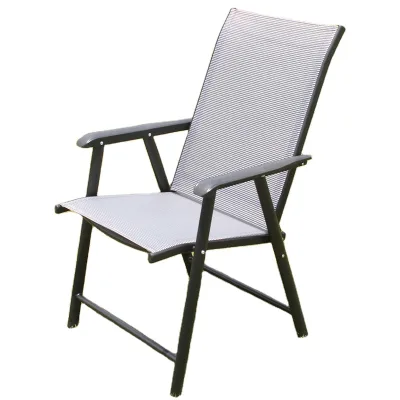


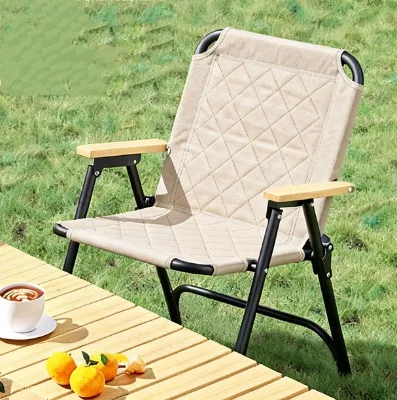
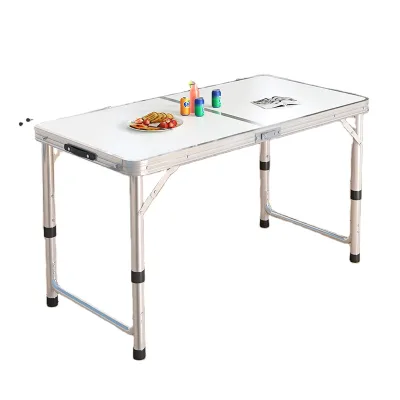
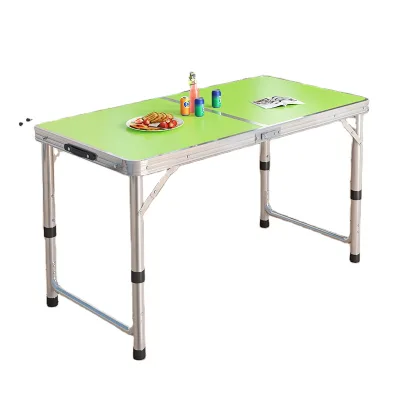
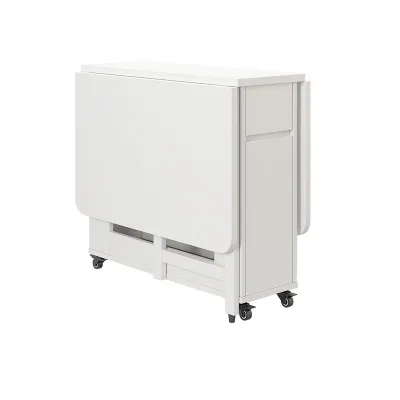
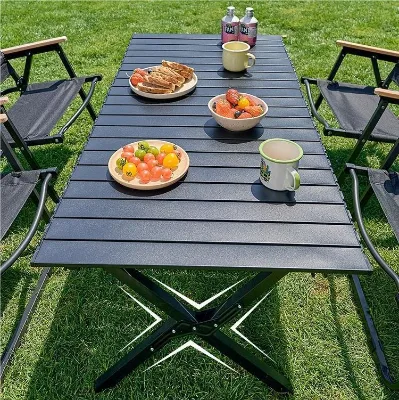
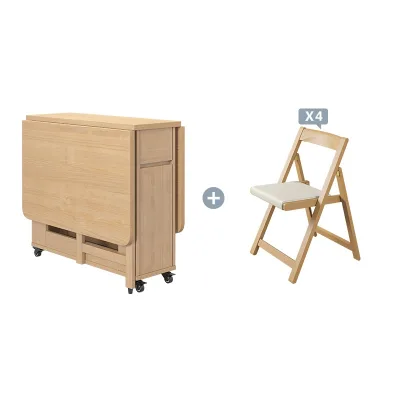
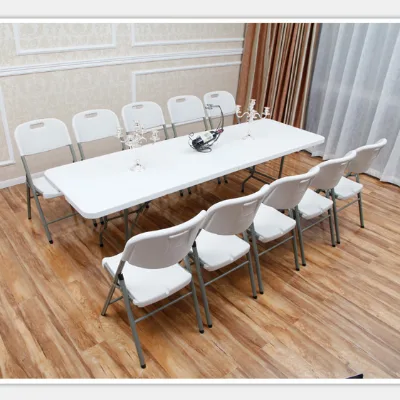
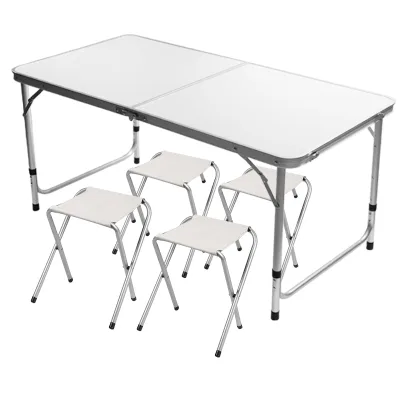



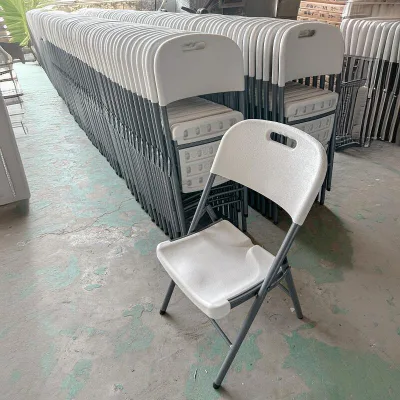
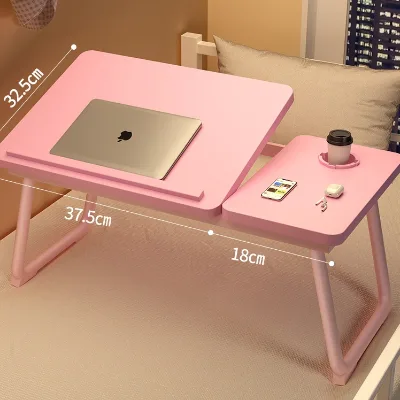

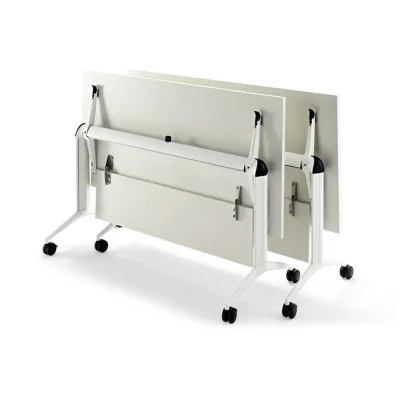


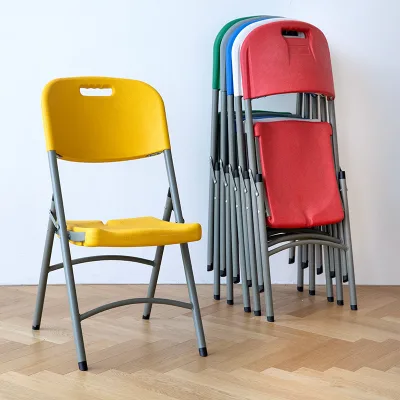
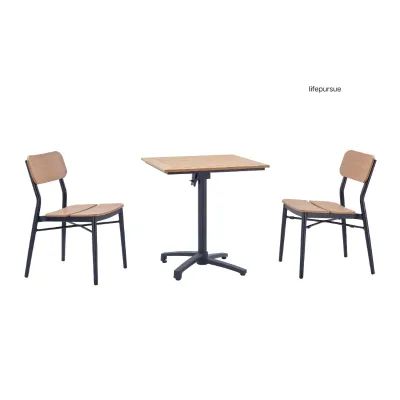
Comprehensive Sourcing Guide
Folding Table and Chair Sourcing Guide
Procuring Folding Table and Chair sets requires a disciplined approach to verifying material integrity and structural reliability, as these items face frequent mechanical stress during deployment. Buyers must distinguish between products designed for heavy-duty outdoor commercial use and those intended for light residential leisure, as the engineering tolerances differ significantly. The observed market data indicates a wide variance in origin locations, including Jiangsu, Chongqing, and Guangdong provinces, which suggests diverse manufacturing ecosystems with varying quality control standards. Understanding these geographic distinctions helps in assessing logistics costs and supply chain resilience, ensuring that the selected supplier can meet volume demands without compromising on the foldable mechanism’s durability.
Furthermore, the diversity in product attributes, such as frame materials ranging from plastic to aluminum and iron, necessitates a clear definition of performance requirements before engaging with suppliers. A buyer must determine whether the primary need is portability, weather resistance, or aesthetic integration with existing outdoor furniture. The presence of specific model numbers like H.M-Y53 and JXT-253 in listings highlights the importance of precise specification matching, as generic searches may yield incompatible components. By establishing a rigorous verification protocol for each attribute, procurement teams can mitigate the risk of receiving products that fail to meet the functional expectations of the end-user, thereby protecting brand reputation and reducing return rates.
Product Scope and Observed Listing Signals
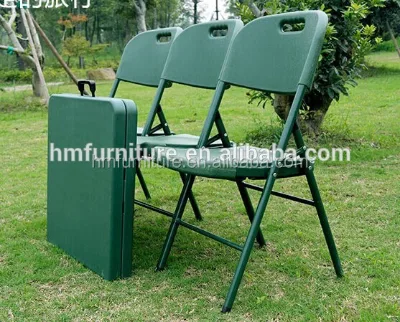
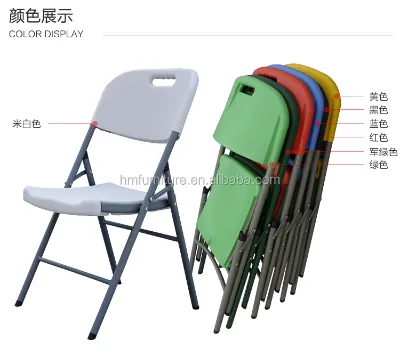
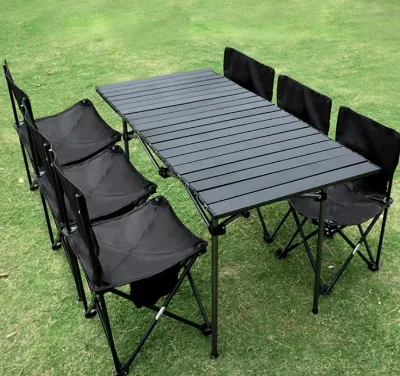
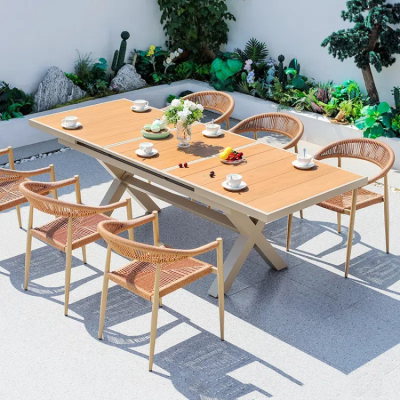
The current market landscape for Folding Table and Chair sets reveals a broad spectrum of design styles and functional applications, ranging from modern outdoor leisure to traditional Chinese aesthetic preferences. Listings indicate specific uses such as garden chairs and outdoor tables, with some products explicitly marketed for villa settings or leisure facilities. The observed color options include white, light gray, and black, allowing for flexible integration into various interior and exterior design schemes. Buyers should note that some products are described as having a "Mail packing" feature, which suggests a focus on efficient shipping and reduced dimensional weight, a critical factor for international logistics cost management.
Additionally, the data shows a mix of folded and non-folded states in product descriptions, which can cause confusion if not carefully reviewed. For instance, some items are labeled as "Foldable" with a "Yes" attribute, while others may have conflicting or ambiguous status indicators. The presence of customization options, such as available branding or specific size adjustments, offers opportunities for private labeling but requires clear communication of technical constraints. Buyers must verify whether the "Customized" attribute applies to the frame material, panel type, or overall dimensions, as this directly impacts the minimum order quantity and production lead time. Clear identification of these signals prevents misalignment between procurement expectations and supplier capabilities.
Technical Specifications to Verify
Verifying technical specifications is paramount when sourcing folding furniture, as the structural integrity of the foldable mechanism determines the product’s lifespan and safety. Buyers should prioritize the verification of frame materials, with observed options including aluminum, iron, and plastic, each offering distinct advantages in terms of weight, corrosion resistance, and cost. For example, aluminum frames are often preferred for their lightweight nature and rust resistance, while iron frames may offer greater stability at the expense of increased weight. The size specifications, such as 455088cm for chairs or 50X69cm for tables, must be cross-referenced with the intended user demographics and space constraints to ensure ergonomic comfort and functional utility.
Moreover, the panel type and overall dimensions of the table surface require precise measurement to ensure compatibility with standard chair sizes and outdoor spaces. Buyers should request detailed technical drawings or CAD files to confirm the hinge mechanisms and locking systems, which are critical for preventing accidental collapse during use. The observation of specific model numbers like JXT090 and F1082 indicates that suppliers may have proprietary designs, making it essential to verify that the quoted specifications match the exact physical product. Additionally, checking the condition of the product, whether new or refurbished, and the packaging details, such as carton box standards, ensures that the items arrive in pristine condition, ready for immediate deployment or retail display.
Compliance and Safety Documentation
Compliance with safety standards is non-negotiable for folding furniture, particularly when the products are intended for commercial or public use. Buyers must ensure that suppliers provide relevant certification documents, such as SGS testing reports, which validate the structural integrity and material safety of the products. The presence of a "Standard" attribute indicating SGS in some listings suggests that certain manufacturers adhere to recognized quality benchmarks, but buyers should verify the scope of these certifications to ensure they cover the specific components of the folding mechanism. Without proper documentation, there is a heightened risk of product liability issues, especially if the furniture fails under normal usage conditions.
Furthermore, warranty terms provide an additional layer of protection for buyers, with some listings offering a two-year warranty period. This indicates a level of confidence in the product’s durability and suggests that the supplier is willing to stand behind their manufacturing quality. Buyers should carefully review the warranty conditions to understand what is covered, such as frame defects or fabric tears, and the process for claiming repairs or replacements. It is also important to verify if the warranty applies globally or is restricted to specific regions, as this affects the long-term support and maintenance costs. Ensuring that all compliance and warranty aspects are clearly defined in the contract protects the buyer from unforeseen liabilities and enhances customer trust.
Cost Drivers and Commercial Terms
Understanding the cost drivers associated with Folding Table and Chair sets is essential for effective budget management and negotiation. The primary cost factors include the raw material prices, such as aluminum versus iron, and the complexity of the folding mechanism, which influences manufacturing labor costs. Observed price ranges vary significantly, from low-cost plastic options to higher-end aluminum sets, reflecting the diversity in quality and material composition. Buyers should analyze the cost breakdown to identify areas where value can be added without proportionally increasing the price, such as optimizing packaging to reduce shipping volume or selecting materials that offer a better balance of durability and cost.
Commercial terms, including minimum order quantities (MOQ) and payment conditions, also play a crucial role in the total cost of ownership. The observed MOQ range of 1 to 1000 units allows for flexibility, enabling buyers to start with smaller test orders before scaling up. However, higher volumes may unlock better pricing tiers and more favorable payment terms, such as extended credit periods. Buyers should negotiate these terms based on their projected sales volume and cash flow requirements, ensuring that the supplier’s expectations align with their business model. Additionally, considering the lead times and production capacity of the supplier helps in planning inventory levels and avoiding stockouts, which can disrupt sales and customer satisfaction.
Supplier Qualification and Quality Control
Supplier qualification is a critical step in mitigating supply chain risks and ensuring consistent product quality. Buyers should conduct thorough due diligence on potential suppliers, verifying their business licenses, manufacturing capabilities, and past performance records. The observed diversity in place of origin, including Jiangsu, Chongqing, and Guangdong, suggests that buyers should evaluate the local industrial clusters and their specific strengths in furniture manufacturing. Suppliers with a proven track record in exporting folding furniture are more likely to understand international quality standards and logistics requirements, reducing the likelihood of delays or compliance issues.
Quality control measures must be established early in the procurement process to ensure that the final products meet the specified requirements. Buyers should implement pre-production samples approval, in-process inspections, and final random inspections to catch defects before shipment. The observation of specific packaging details, such as carton box standards, indicates that suppliers have established protocols for protecting products during transit. Buyers should verify these protocols and request photos or videos of the packaging process to ensure that the items are adequately protected. Additionally, establishing a clear communication channel for addressing quality issues and defining the resolution process helps in maintaining a productive relationship with the supplier and ensuring continuous improvement.
Long-Term Procurement Checks
Long-term procurement success depends on continuous monitoring of supplier performance and market trends. Buyers should regularly review key performance indicators, such as on-time delivery rates, defect rates, and responsiveness to issues, to assess the supplier’s reliability. The dynamic nature of the furniture market, with evolving design trends and material innovations, requires buyers to stay informed about new product offerings and technological advancements. By maintaining a diversified supplier base, buyers can reduce dependency on a single source and mitigate the risk of supply disruptions. Regular audits and feedback sessions with suppliers help in identifying areas for improvement and fostering a collaborative relationship focused on mutual growth.
Furthermore, buyers should periodically reassess their product specifications and market requirements to ensure alignment with customer needs and regulatory changes. The observation of customization options and varying design styles suggests that there is a demand for tailored solutions, which buyers can leverage to differentiate their offerings. By staying agile and responsive to market signals, buyers can optimize their product portfolio and maintain a competitive edge. Additionally, building strong relationships with suppliers through consistent communication and fair business practices enhances trust and cooperation, leading to better pricing, priority production, and exclusive access to new products. This strategic approach ensures sustainable procurement outcomes and long-term business success.
FAQs
What materials are used for Folding Table and Chair sets?
The available sets utilize plastic, metal, aluminum, and iron materials. Specific models feature plastic chairs with metal frames or aluminum frames for outdoor furniture. These material choices ensure durability for garden chairs and outdoor tables while maintaining lightweight properties for easy transport and storage in various environments.
Can Folding Table and Chair sets be customized?
Yes, customization is available for certain Folding Table and Chair sets. Buyers can request specific designs, such as Chinese style or modern aesthetics, and choose from colors like white, light gray, or black. Customized options allow for tailored solutions to meet specific outdoor furniture requirements and branding needs for villa or leisure facilities.
What are the standard specifications for these folding sets?
Standard specifications include sizes like 45*50*88cm for chairs and 50X69cm for tables. Models such as HM-Y53 and JXT090 offer distinct dimensions. Some sets are foldable for compact storage, while others remain fixed. These specifications ensure the furniture fits various outdoor spaces, from gardens to leisure facilities, providing functional and space-saving solutions.
Where are these Folding Table and Chair sets manufactured?
These sets are manufactured in China, with origins in Jiangsu, Chongqing, Guangdong, and Ningbo. Different models originate from these specific regions, indicating a diverse supply chain. Buyers can source products from these locations, ensuring access to a wide range of manufacturers specializing in outdoor furniture and garden chair production with varying capabilities.
What certifications and standards apply to these products?
Some Folding Table and Chair sets adhere to SGS standards, ensuring quality and safety. While not all products list specific certifications, those that do meet recognized industry benchmarks. Buyers should verify certification details for specific models, as standards may vary by manufacturer and product type, particularly for outdoor furniture intended for commercial or residential use.
How are Folding Table and Chair sets packaged?
Packaging typically includes carton boxes for secure transport. Some sets are mail-packed for efficient shipping. The packaging ensures products arrive in new condition, protecting materials like plastic, metal, and aluminum. Buyers should confirm packaging details for specific models, as methods may vary based on product size, weight, and manufacturer preferences for outdoor furniture delivery.