Source Food Grade Copper Citrate for Supplements, Pharma, and Agriculture
Compare 30 listings for Food Grade Copper Citrate from verified suppliers. Buyers can evaluate specifications like FCC/USP standards, packaging options, and certifications including ISO and BRC for dietary supplements, pharma excipients, and agricultural applications.
Key considerations
Products List




Sodium Citrate Food Additive Food Grade Sodium Citrate/ Food Grade /Acid
$700.00 - $900.00
MOQ: 1 Tons


Comprehensive Sourcing Guide
Strategic Sourcing Guide for Food Grade Copper Citrate
Navigating the global market for Food Grade Copper Citrate requires a disciplined approach that balances technical precision with rigorous supplier evaluation. This compound, often identified by its chemical nature as a copper citrate complex, serves as a critical nutrient supplement in various industrial and commercial applications. Buyers must understand that while the core keyword suggests a specific chemical entity, the market offers a diverse array of product variations defined by grade, purity, and intended usage. The following guide outlines the essential parameters for sourcing this material safely and efficiently, relying strictly on observed market data and established industry standards.
Technical Specifications and Chemical Identity
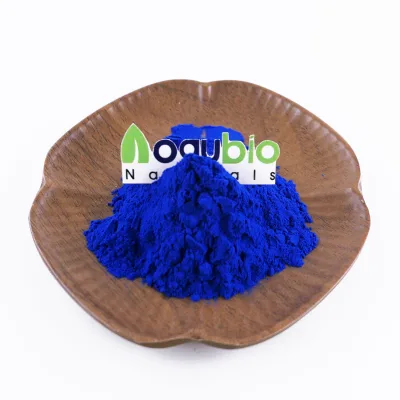
The foundational step in sourcing copper citrate involves verifying the precise chemical identity and physical properties of the product. In the current market, this material is frequently categorized under "Citrate Complexing Nutrients" or simply "Copper Citrate." It is distinct from other copper salts due to its specific chelation properties, which enhance bioavailability in dietary contexts. The observed market data indicates that the product often appears as a powder, though specific color variations such as blue-green or white have been noted depending on the specific formulation and purity level.
Buyers must scrutinize the molecular weight and density to ensure consistency with standard specifications. For instance, specific listings reference a molecular weight of approximately 306.395 and a density of 1.187 g/cm³. These physical constants are vital for quality control and inventory management. Furthermore, the chemical character is often described as alkaline, with a pH range typically falling between 4.0 and 7.0. This pH profile is critical for applications involving fruit, flowers, and vegetables, where the physiological neutrality of the product on soil is a key performance indicator.
The content of the active ingredient is another primary specification. Market observations suggest variations in concentration, with some grades listing a content of 15%, while others may be defined by assay percentages such as 99%. The water insoluble content is a crucial purity metric, with acceptable limits often set at less than or equal to 0.1%. When evaluating technical data sheets, procurement teams should verify that the product model aligns with the intended application, whether it is a "Tech grade" for industrial use or a specific "Citrate Complexing Nutrients" model for agricultural or nutritional supplementation.
Compliance and Certification Verification
In the food and pharmaceutical sectors, compliance is not merely a regulatory formality but a prerequisite for market access. The supply chain for copper citrate is heavily regulated, requiring suppliers to demonstrate adherence to international standards. The most frequently observed certifications in the market include ISO and BRC (British Retail Consortium). Some suppliers may list both ISO and BRC certifications, while others might hold Brc and ISO in combination. These certifications indicate that the manufacturing facility meets specific quality management and safety standards.
Beyond general certifications, the grade standard of the product must align with the intended end-use. The market presents products labeled as "Food and Pharma" grade, which are suitable for dietary supplements and pharmaceutical excipients. In contrast, "Industrial Grade" products are available but may not meet the stringent purity requirements for human consumption. Buyers must explicitly verify the "Grade Standard" to ensure the material is fit for its designated purpose.
Regulatory standards such as FCC (Food Chemical Codex), USP (United States Pharmacopeia), and BP (British Pharmacopoeia) are often cited in product specifications. Specific listings reference standards like Bp/USP/FCC/E322(II), which are essential for validating the product's compliance with food safety regulations in major markets. When sourcing, procurement professionals should request current certification documents and verify that the product model matches the specific standard claimed, such as FCC or USP, to avoid discrepancies that could lead to regulatory non-compliance.
Cost Drivers and Pricing Dynamics
Understanding the cost structure of copper citrate is essential for budgeting and negotiation. The observed price range in the market is extensive, spanning from 1 to 6666 USD. This wide variance is not indicative of a single product but rather reflects differences in purity, packaging, order volume, and supplier location. Several factors drive these costs, with the primary determinant being the grade of the material. Food and pharmaceutical grades command a premium over industrial grades due to the rigorous testing and quality control processes required.
Packaging also plays a significant role in the final cost. The market offers various packaging options, including paper drums, paper bags, and kraft bags, typically in 25kg increments. Some suppliers offer flexible packaging sizes of 1kg, 10kg, or 25kg, which can influence the unit price. The choice between a "Paper Drum" and a "Paper Bag" may affect logistics costs and storage requirements, thereby impacting the total landed cost.
Minimum Order Quantity (MOQ) is another critical cost driver. The observed MOQ range spans from 1 to 1000 units. Suppliers with lower MOQs may charge a higher unit price to cover administrative and handling costs, while larger orders often benefit from economies of scale. Buyers should align their order volume with their storage capacity and cash flow to optimize costs. Additionally, the origin of the product, often listed as Jiangsu or China, can influence pricing due to regional manufacturing efficiencies and logistics costs.
Typical Applications and Usage Scenarios
Copper citrate serves a multifaceted role across various industries, primarily driven by its function as a nutrient supplement. In the food and beverage sector, it is utilized in dietary supplements where its mineral composition provides essential copper to the human body. The product is specifically noted for its application in pharma excipients, where it acts as a functional ingredient in pharmaceutical formulations.
In the agricultural sector, the application of copper citrate is equally significant. It is used as a nutrient for fruit, flowers, and vegetables, supporting plant growth and health. The product's physiological neutrality on soil makes it suitable for a wide range of crops without causing adverse environmental effects. The release type of the nutrient is often described as "quick," ensuring that the copper is readily available to the plant or animal subject.
The versatility of the product extends to its use as a chemical alkaline agent in various industrial processes. However, the specific application must be matched with the correct grade. For example, a product intended for dietary supplements must strictly adhere to food grade standards, whereas a product for industrial use may prioritize cost over ultra-high purity. Buyers should clearly define their application requirements before engaging with suppliers to ensure the selected product meets the necessary functional criteria.
Supplier Evaluation and Selection Criteria
Selecting the right supplier is a critical component of the procurement process. Buyers should evaluate potential partners based on their certification status, production capacity, and track record. The presence of ISO and BRC certifications is a strong indicator of a supplier's commitment to quality. However, buyers should verify the validity of these certifications and ensure they cover the specific manufacturing site of the product.
The origin of the product is another key factor. Most observed listings indicate an origin in China, specifically regions like Jiangsu. While this region is a major hub for chemical manufacturing, buyers should assess the supplier's logistical capabilities and ability to meet delivery timelines. The lead time and shipping terms should be clearly defined in the contract to avoid supply chain disruptions.
Furthermore, the supplier's ability to provide detailed technical data sheets and certificates of analysis (CoA) is essential. The market data shows that suppliers often provide specific details such as molecular weight, density, and pH levels. A reputable supplier will be transparent about these specifications and willing to provide third-party test results to verify the product's quality. Buyers should also consider the supplier's flexibility regarding customization, as the market indicates that customization is available for certain product attributes.
Quality Control and Long-Term Procurement
Implementing a robust quality control (QC) protocol is vital for maintaining product integrity throughout the supply chain. Buyers should establish clear acceptance criteria based on the observed specifications, such as water insoluble content, assay percentage, and physical appearance. Regular testing of incoming shipments against these criteria ensures that the product remains consistent with the agreed-upon standards.
Long-term procurement considerations involve building a resilient supply chain. This includes diversifying the supplier base to mitigate risks associated with single-source dependencies. Buyers should also monitor market trends and regulatory changes that could impact the availability or pricing of copper citrate. The shelf life of the product, often listed as greater than 12 months, should be factored into inventory management strategies to prevent waste.
Additionally, the storage method for copper citrate is typically "Normal," but buyers should ensure that their storage facilities maintain appropriate conditions to preserve product quality. The packaging material, often paper-based, requires protection from moisture and physical damage. By adhering to these quality control measures and maintaining a strategic approach to procurement, buyers can secure a reliable supply of high-quality copper citrate for their specific needs.
Conclusion
Sourcing Food Grade Copper Citrate requires a comprehensive understanding of technical specifications, regulatory compliance, and market dynamics. By focusing on verified certifications, precise chemical properties, and clear application requirements, buyers can navigate the complex landscape of this essential chemical. The wide range of available grades, packaging options, and pricing structures offers flexibility but demands careful evaluation to ensure the selected product meets all operational and regulatory standards. Through diligent supplier evaluation and robust quality control practices, organizations can secure a stable supply of copper citrate that supports their production goals and maintains the highest standards of safety and efficacy.
FAQs
What certifications are available for Food Grade Copper Citrate?
Available certifications include ISO and BRC, which verify quality management systems. Some listings show combined Brc and ISO marks, ensuring compliance for food and pharmaceutical applications. Buyers should request current certificates to confirm facility standards.
Which packaging options are offered for this product?
Common packaging includes paper drums, paper bags, and kraft bags. Standard sizes are often 25kg per drum or bag, with flexible options like 1, 10, or 25kg bags available. Customization is available for specific packing requirements.
How is the product stored and what is its shelf life?
The product requires normal storage methods to maintain integrity. The shelf life is typically greater than 12 months when stored correctly. Buyers should ensure storage facilities protect the paper-based packaging from moisture and physical damage.
Can the product be customized for specific needs?
Yes, customization is available for various product attributes. Suppliers may adjust specifications or packaging to meet unique requirements. Buyers should discuss specific needs directly with manufacturers to ensure the final product aligns with their application goals.
What are the physical characteristics of the powder?
The product appears as a powder with a molecular weight of 306.395 and a density of 1.187 g/cm3. Color variations include blue-green or white depending on the formulation. The pH range is typically between 4.0 and 7.0.
Which standards apply to Food Grade Copper Citrate?
Relevant standards include FCC, USP, BP, and E322(II). Some products meet Food and Pharma grade standards, while others are Industrial Grade. Buyers must verify the specific grade standard matches their intended regulatory compliance needs.
Where is the product typically manufactured?
The product origin is primarily listed as China, with specific regions like Jiangsu noted. This location influences logistics and pricing due to regional manufacturing efficiencies. Buyers should confirm the exact origin for accurate shipping estimates.