Source Food Grade Cyathula Root Extract for Food, Cosmetic, and Health Applications
Find 30 verified suppliers of Food Grade Cyathula Root Extract for food, cosmetic, and health applications. Compare specifications, certifications, and pricing to identify suitable vendors for your sourcing needs; compare the available evidence and request quotations based on your requirements.
Key considerations
Products List
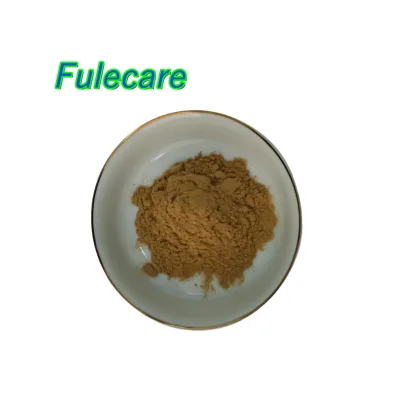
Cyathula Root Extract Root Derived Wellness Supplement Topical comfort Application
$15.35 - $20.47
MOQ: 1 Minimum


Bupleurum Extract 10: 1 Bupleurum Root Extract Food Grade Herbal Extract Powder
$20.00 - $60.00
MOQ: 1 grams


Marshmallow Root Extract Supply Marshmallow Extract High Quality 10: 1
$15.00 - $25.00
MOQ: 1 kilograms




Comprehensive Sourcing Guide
Food Grade Cyathula Root Extract Sourcing Guide
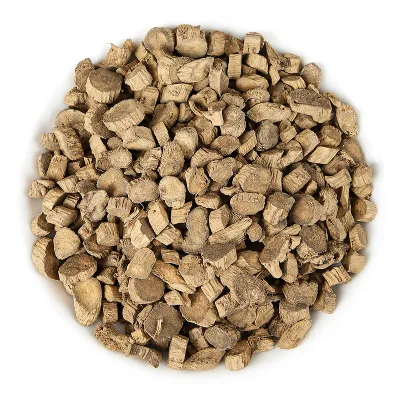
Buyers must first distinguish between crude herbal forms and standardized extracts when evaluating Cyathula Root Extract listings. The market presents both whole root slices and processed powders, with specific listings indicating a brown-yellow powder appearance derived from spray drying or solvent extraction methods. Procurement teams should verify whether the supplier offers the specific form required for their production line, as the physical state dictates downstream processing capabilities and equipment compatibility.
Verification of the active ingredient profile is critical before committing to a purchase order. While some listings highlight Cyasterone as the primary active component, others reference general Vitamin content or Smilax Saponins, suggesting potential confusion between different botanical sources in the catalog. Buyers must explicitly confirm that the specific batch corresponds to Radix Cyathulae and contains the intended phytochemical markers to ensure the final product meets efficacy standards for food, cosmetic, or health food applications.
Product Scope and Observed Listing Signals
The observed product range includes variations in packaging and physical specifications that directly impact logistics and storage requirements. Listings frequently specify a 1kg bag or 25kg drum format, often utilizing vacuum packing or aluminum foil bags to maintain stability. These packaging choices are essential for preserving the integrity of the powder, which is typically stored in cool, dry places to prevent degradation over the stated two-year shelf life.
Seasonality and cultivation methods also define the scope of available inventory for this botanical extract. Most suppliers indicate artificial planting as the cultivation method, ensuring a consistent supply chain that is not subject to wild harvest fluctuations. The product is generally available across all seasons, allowing for continuous procurement cycles, though buyers should confirm that the specific lot matches the required grade, such as food grade, to avoid regulatory issues in the destination market.
Technical Specifications to Verify
Technical due diligence requires a rigorous check of the assay methods and specification limits provided by the supplier. Buyers should demand evidence of UV or HPLC testing to validate the concentration of active ingredients, as specifications like 0.99 purity or specific assay results are not universal across all listings. Without confirmed test data, the actual potency of the Cyasterone or other markers may vary significantly between batches, leading to inconsistent product performance in the final application.
Physical and chemical properties must align with the intended use case in food, cosmetic, or health food manufacturing. The product is described as a natural yellow powder, but the exact color intensity and particle size distribution can vary based on the extraction type, whether spray drying or solvent extraction was employed. Procurement teams must verify that the standard form, whether whole root, slice, or powder, matches the technical requirements of their formulation process to ensure proper solubility and mixing characteristics.
Compliance and Safety Documentation
Navigating the certification landscape for Cyathula Root Extract requires careful validation of the specific documents provided by the supplier. While some listings mention ISO9001, Halal, and Kosher certifications, others cite FDA, ISO22000, GMP, and HACCP standards. Buyers must request current, valid certificates that correspond to the specific facility producing the extract, as the presence of one certification does not guarantee compliance with others or with the regulatory requirements of the importing country.
Safety documentation must extend beyond general certifications to include specific batch testing reports and material safety data sheets. The product is intended for human consumption in various forms, including capsules, tablets, and pastes, necessitating strict adherence to safety standards. Buyers should verify that the supplier provides comprehensive analysis for heavy metals, pesticide residues, and microbial counts to ensure the extract meets the stringent safety thresholds required for food and cosmetic grade applications.
Cost Drivers and Commercial Terms
Pricing for Cyathula Root Extract is influenced by the complexity of the extraction process and the level of standardization required. Listings show a wide price range, reflecting differences between crude medicine forms and highly processed, standardized extracts. Buyers should understand that higher costs often correlate with more rigorous quality control, specific active ingredient concentrations, and the inclusion of comprehensive testing documentation, rather than just the raw material weight.
Commercial terms such as Minimum Order Quantity (MOQ) and payment structures vary significantly across different supplier profiles. While some vendors offer an MOQ of 1 kg to accommodate small-scale testing, others may require larger volumes, with observed ranges extending up to 500 kg. Procurement teams must negotiate terms that balance inventory costs with cash flow, ensuring that the agreed-upon packaging, such as 1kg bags or 25kg drums, aligns with the logistical capabilities of the receiving facility.
Supplier Qualification and Quality Control
Supplier qualification begins with verifying the origin and cultivation practices of the raw material. The majority of listings indicate a place of origin in Shaanxi, China, with artificial planting methods ensuring a controlled supply of Radix Cyathulae. Buyers should confirm that the supplier maintains traceability from the farm to the final extraction facility, as this control is essential for maintaining consistency in the chemical profile and preventing contamination from wild or unregulated sources.
Quality control protocols must be explicitly defined in the supplier agreement to mitigate the risk of batch-to-batch variability. Buyers should require a detailed quality assurance plan that includes in-process controls during extraction and final product testing against established specifications. It is vital to establish clear acceptance criteria for appearance, assay results, and packaging integrity before shipment, ensuring that any deviation from the agreed standard triggers a rejection or rework protocol.
Long-Term Procurement Checks
Establishing a long-term partnership requires regular audits and continuous performance monitoring of the supplier's quality systems. Buyers should schedule periodic reviews of the supplier's production records, certification renewals, and test results to ensure ongoing compliance with safety and quality standards. This proactive approach helps identify potential issues early, such as changes in cultivation methods or extraction processes, before they impact the supply chain or final product quality.
Supply chain resilience depends on verifying the supplier's ability to maintain consistent lead times and inventory levels over time. While current listings suggest a stable supply, buyers must assess the supplier's contingency plans for raw material shortages or production disruptions. Regular communication and joint planning sessions can help align production schedules with market demand, ensuring a reliable flow of Cyathula Root Extract for continuous manufacturing operations.
FAQs
What is the active ingredient in Food Grade Cyathula Root Extract?
The primary active ingredient is Cyasterone, which is derived from the root of the Cyathula plant. This herbal extract is cultivated artificially and processed via spray drying to maintain potency. It is classified as a crude medicine and herbal supplement, suitable for various health applications while retaining its natural chemical profile.
How is Food Grade Cyathula Root Extract packaged for shipment?
The product is typically packaged in 1kg aluminum foil bags or 25kg drums for bulk shipping. Options include vacuum packing and plastic containers to ensure freshness. The packaging is designed for storage in cool, dry places, preserving the brown-yellow powder appearance and ensuring the two-year shelf life remains intact during transit and storage.
Can I customize the specification of Food Grade Cyathula Root Extract?
Yes, customization is available for buyers with specific requirements. The standard specification is listed as 0.99, but manufacturers can adjust processing to meet distinct needs. This flexibility allows for tailored solutions in food, cosmetic, and health food applications, ensuring the extract meets precise quality standards for your particular product formulation.
What certifications are held by Food Grade Cyathula Root Extract suppliers?
Suppliers typically hold ISO9001, Halal, and Kosher certifications, along with FDA, ISO22000, GMP, and HACCP approvals. These credentials ensure the product meets international safety and quality standards. The certifications cover the entire production process, from artificial planting to spray drying, guaranteeing that the final powder is safe for food and cosmetic use.
What is the minimum order quantity for Food Grade Cyathula Root Extract?
The minimum order quantity is generally 1 kg, allowing for small-scale testing or initial procurement. This low MOQ facilitates easier entry for buyers exploring the product for health care or cosmetic applications. It supports flexible sourcing strategies, enabling companies to order precise amounts without committing to large bulk volumes immediately upon establishing a supplier relationship.
Where is Food Grade Cyathula Root Extract sourced from?
The extract is sourced from Shaanxi, China, a region known for its herbal medicine production. The raw material, Radix Cyathulae, is artificially planted to ensure consistent quality and supply. This origin ensures that the product meets the specific standards required for Chinese herbal medicine applications, leveraging local expertise in root extraction and processing techniques.