Source Force Sealed EPDM Butterfly Valve for Water, Industrial, Food
Find and compare 30 Force Sealed EPDM Butterfly Valve options for water treatment, industrial processes, and food applications. These valves feature soft sealing surfaces, pneumatic or manual driving modes, and wafer or flange connections suitable for mid-pressure environments.
Key considerations
Products List


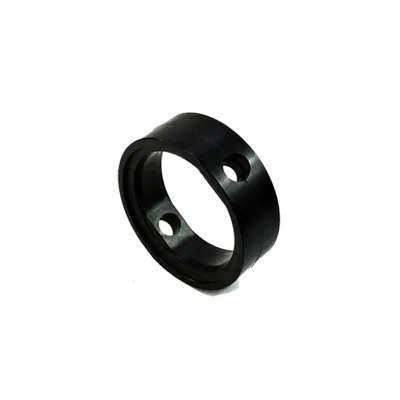


EPDM Rubber Seated Butterfly Valve DN80 Rubber Resilient Gasket Seals Spare Parts
$4.00 - $50.00
MOQ: 50 Pieces


EPDM Rubber Seated Butterfly Valve DN80 DN150 DN600 Gasket Seals Spare Parts
$4.00 - $50.00
MOQ: 50 Pieces


Comprehensive Sourcing Guide
Strategic Sourcing Guide for Force Sealed EPDM Butterfly Valves
The procurement of force sealed EPDM butterfly valves represents a critical decision point for industrial buyers managing fluid control systems in water treatment, general industrial processes, and specific sanitary applications. These valves are distinguished by their sealing mechanism, which relies on mechanical force to compress the elastomeric seat against the disc, ensuring a tight shut-off even under varying pressure conditions. When sourcing these components, buyers must navigate a complex landscape of material specifications, pressure ratings, and operational environments. The following guide provides a structured approach to evaluating suppliers and products, grounded in verified product attributes and industry standards, to ensure the acquisition of reliable, high-performance valve systems.
Technical Specifications and Material Compatibility
Understanding the precise technical parameters of a Force Sealed EPDM Butterfly Valve is the foundational step in the sourcing process. The core of this valve's performance lies in the interaction between the disc and the seat. The seat material is explicitly identified as EPDM (Ethylene Propylene Diene Monomer), often available alongside NBR or PTFE options depending on the specific application requirements. EPDM is particularly valued for its excellent resistance to water, steam, and weathering, making it ideal for water industrial usage. However, buyers must verify the specific grade of EPDM to ensure compatibility with the intended media, which can range from milk and food-grade liquids to oil and general industrial fluids.
The valve body construction is another critical variable. Observed data indicates that bodies are manufactured from casting materials, forge welding, or stainless steel (SS304), alongside cast iron. The choice of body material directly influences the valve's durability and resistance to corrosion. For instance, a cast iron body may be suitable for general water applications, while SS304 is preferred for sanitary or corrosive environments. The disc material, which rotates to control flow, is typically cast iron, cast steel, or stainless steel. The connection form varies significantly, with options including wafer, flange, and welding connections. Buyers must select the connection type that matches their existing piping infrastructure. Wafer connections are common for compact installations, while flange connections offer easier maintenance and higher structural integrity for larger diameters.
The driving mode is equally important for operational control. The market offers both manual and pneumatic actuation options. Pneumatic models, which can be double-acting or single-acting, are essential for automated systems requiring rapid response or remote control. The working temperature range for these valves generally spans from normal temperatures (-40°C to 120°C) to low-temperature environments (-100°C to -40°C), though specific product limits must be confirmed. Pressure ratings also vary, with options covering low-pressure scenarios (Pn < 1.6 MPa) and mid-pressure ranges (2.5 MPa < Pn < 6.4 MPa). Selecting a valve with a pressure rating that exceeds the system's maximum operating pressure is a standard safety practice.
Compliance, Certification, and Standard Verification
In the global B2B market, compliance with international standards is non-negotiable for ensuring safety and interoperability. While specific certification statuses vary by supplier, buyers should prioritize products that align with recognized standards such as ISO 9001 for quality management systems. The provided data references ISO 9001 as a mounting pad standard, suggesting a baseline for quality assurance in the manufacturing process. Additionally, standards like CE marking are observed in the product listings, indicating conformity with health, safety, and environmental protection standards for products sold within the European Economic Area.
Buyers must verify that the valve meets specific design and testing standards relevant to butterfly valves. Although general industry standards like EN 593 and ISO 5208 are often cited in the broader context of valve manufacturing, the exact compliance of a specific listing must be confirmed with the supplier. EN 593 typically covers metal butterfly valves, while ISO 5208 defines pressure testing procedures. It is crucial to request test reports, such as machinery test reports or inspection videos, which are noted as available in some product listings. These documents provide empirical evidence of the valve's performance under pressure and its sealing integrity.
Furthermore, the product origin plays a role in regulatory compliance. Many of the observed products originate from China, specifically regions like Zhejiang, which is a major hub for valve manufacturing. Buyers should ensure that the supplier can provide necessary documentation to meet local import regulations, including material certificates and pressure test records. The presence of specific standards like CE or ISO 9001 on a product page is a strong indicator, but it should not be assumed without verification. The buyer's responsibility is to request and validate these certifications before finalizing a purchase order.
Cost Drivers and Pricing Structure Analysis
The pricing of force sealed EPDM butterfly valves is influenced by a multitude of factors, resulting in a wide observed range from $1.2 to $1683 USD. This variance is not arbitrary but reflects differences in size, material quality, actuation type, and certification levels. The size of the valve, ranging from DN50 to DN600, is a primary cost driver. Larger valves require more raw material and more complex manufacturing processes, leading to higher unit costs. Similarly, the choice of body material significantly impacts price; stainless steel bodies are generally more expensive than cast iron or carbon steel alternatives due to the cost of the raw material and the additional processing required.
The driving mode is another significant cost factor. Manual valves are typically the most economical option, as they rely on a simple handwheel or lever mechanism. In contrast, pneumatic actuators, especially those that are double-acting or include positioners and solenoid valves, add substantial cost to the base valve. The complexity of the actuation system, including the need for air supply lines and control integration, drives up the overall price. Additionally, the customization options available, such as special coatings, specific seal materials, or unique connection forms, will increase the unit price.
Minimum Order Quantity (MOQ) also affects the effective cost per unit. The observed MOQ range is from 1 to 100 pieces, with some specific listings requiring a minimum of 20 pieces. Buyers purchasing small quantities may face higher per-unit costs or limited supplier options. Conversely, bulk orders often benefit from economies of scale, reducing the average cost. The packing method, whether in cartons or wooden crates, can also influence the final price, particularly for international shipping where wooden packaging is often required for export compliance. Buyers should analyze the total cost of ownership, including shipping, duties, and installation, rather than focusing solely on the unit price.
Typical Applications and Operational Environments
Force sealed EPDM butterfly valves are versatile components designed for a wide array of applications. The primary use cases identified include industrial usage, water industrial usage, and household usage. In the water industry, these valves are frequently employed in treatment plants, distribution networks, and irrigation systems due to EPDM's excellent resistance to water and its ability to provide a tight seal. The valve's ability to handle media such as milk, food, medical fluids, oil, and gas further expands its applicability. For sanitary applications, the use of SS304 bodies and PTFE/EPDM seats ensures compliance with hygiene standards, making them suitable for food and beverage processing.
The structural design of the valve, specifically the center sealing or single-eccentric sealing configurations, dictates its suitability for different pressure and temperature conditions. Center sealing valves are often used in general industrial applications where moderate pressure and temperature are expected. Single-eccentric sealing designs offer improved performance in higher pressure scenarios by reducing friction and wear on the seat. The working temperature range, from -100°C to 120°C, allows these valves to operate in diverse environments, from cryogenic applications to hot water systems. However, buyers must carefully match the valve's temperature rating to the specific process conditions to prevent seal degradation or failure.
The application medium is a critical consideration. While EPDM is excellent for water and steam, it may not be suitable for all oils or solvents. Buyers should verify the chemical compatibility of the EPDM seat with the specific fluid being handled. The valve's connection form, whether wafer, flange, or welding, must also align with the piping system's design. For instance, welding connections are often preferred in high-pressure or high-temperature pipelines where leak-tightness is paramount. Understanding the specific operational environment is essential for selecting the right valve configuration to ensure long-term reliability and safety.
Supplier Evaluation and Quality Control Protocols
Evaluating a supplier for force sealed EPDM butterfly valves requires a rigorous assessment of their capabilities and quality control measures. The supply chain for these components is global, with significant production originating from China. Buyers should verify the supplier's production capacity, lead times, and logistics capabilities. The observed shipment time of 30 days and logistics options including sea and air freight are standard considerations. Buyers must confirm that the supplier can meet their delivery schedules, especially for time-sensitive projects.
Quality control is paramount in valve procurement. Buyers should request detailed inspection reports, video evidence of outgoing inspections, and machinery test reports. These documents serve as proof of the valve's compliance with specified standards and performance requirements. The availability of a "Provided Inspection" service indicates a supplier's commitment to quality assurance. Additionally, the supplier's adherence to standards like ISO 9001 should be verified through valid certification documents. The supplier's ability to provide customization, such as specific seat materials or connection forms, is also a key indicator of their technical capability.
When evaluating suppliers, buyers should look for transparency in their product specifications. The product listing should clearly state the material of the seal surface, the valve body, and the disc. Ambiguities in these details can lead to procurement errors. Buyers should also assess the supplier's responsiveness to technical queries and their ability to provide after-sales support. A supplier that offers comprehensive technical documentation and is willing to engage in detailed discussions about the application requirements is more likely to deliver a satisfactory product. The supplier's reputation, customer reviews, and history of successful deliveries should also be considered in the evaluation process.
Long-Term Procurement and Lifecycle Management
Procuring force sealed EPDM butterfly valves is not just a one-time transaction but part of a long-term lifecycle management strategy. Buyers must consider the total cost of ownership, which includes installation, maintenance, and replacement costs. The durability of the EPDM seat and the robustness of the valve body are critical factors in determining the valve's service life. Regular maintenance, such as checking for leaks and inspecting the seal condition, is essential to prevent unexpected failures. Buyers should establish a maintenance schedule based on the valve's operating conditions and the manufacturer's recommendations.
The availability of spare parts and replacement components is another long-term consideration. Suppliers that offer a wide range of compatible parts, such as replacement seats, discs, and actuators, can significantly reduce downtime and maintenance costs. Buyers should also consider the scalability of their procurement strategy. As the facility expands or processes change, the ability to source additional valves with consistent specifications is crucial. Standardizing on a specific valve type and supplier can simplify inventory management and reduce the complexity of maintenance procedures.
Finally, buyers should stay informed about industry trends and technological advancements in valve technology. The development of new materials and sealing technologies can offer improved performance and longevity. By maintaining a proactive approach to procurement and supplier management, buyers can ensure that their fluid control systems remain efficient, reliable, and cost-effective over the long term. The strategic selection of force sealed EPDM butterfly valves, supported by thorough technical evaluation and supplier assessment, is key to achieving these objectives.
FAQs
What materials are used for the seat in these valves?
The seat material is typically EPDM, NBR, or PTFE. These options provide excellent resistance to water, steam, and various industrial fluids, ensuring a tight seal for different media applications.
Which connection forms are available for this valve type?
Available connection forms include wafer, flange, and welding. The choice depends on the existing piping infrastructure, with wafer being compact and flange offering easier maintenance for larger diameters.
Can the valve body be made from stainless steel?
Yes, the valve body can be manufactured from SS304, cast iron, or cast steel. Stainless steel is preferred for sanitary or corrosive environments, while cast iron suits general water applications.
What is the working temperature range for these valves?
The working temperature ranges from normal conditions between -40°C and 120°C, extending to low temperatures down to -100°C. Buyers must verify specific limits for their operational environment.
How is the driving mode configured for automation?
The driving mode can be manual or pneumatic, with pneumatic options available as double-acting or single-acting. Pneumatic actuation is essential for automated systems requiring rapid response or remote control.
What is the minimum order quantity for these valves?
The minimum order quantity ranges from 1 to 100 pieces, with some specific listings requiring a minimum of 20 pieces. Bulk orders often benefit from economies of scale compared to small quantities.
Which certifications are commonly associated with these products?
Products often reference ISO 9001 for quality management and CE marking for European compliance. Buyers should request valid certification documents and test reports to verify specific product standards.