Source For VW Hydraulic Steering Pump for Tractor Truck Harvester
Compare 30 listings For VW Hydraulic Steering Pump from verified Chinese suppliers. Options include models with 100cc displacement, load sensing functions, and OE numbers like 6614605180 for various car series and special machines; compare the available evidence and request quotations based on your requirements.
Key considerations
Products List

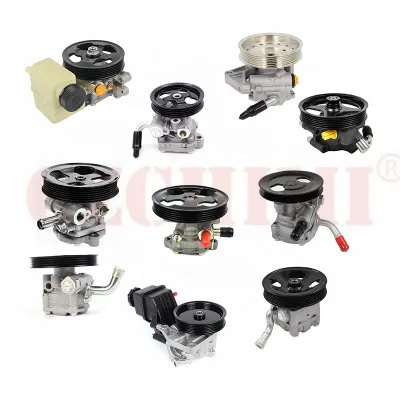


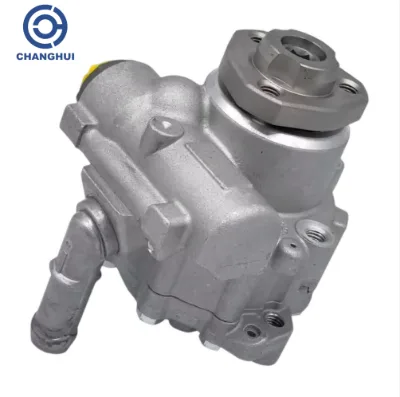


Auto Parts Hydraulic Power Steering Pump 377422155e 06873 Ak08025 for VW
$29.99 - $40.00
MOQ: 1 Pieces


Comprehensive Sourcing Guide
For VW Hydraulic Steering Pump Sourcing Guide
Procuring replacement hydraulic steering pumps for Volkswagen vehicles requires a disciplined approach to part identification and supplier vetting. The market offers numerous options, but success depends on matching the specific OE number to the correct vehicle generation and engine configuration. Buyers must prioritize accuracy in part numbering to avoid compatibility issues that can lead to costly returns or installation failures. This guide outlines the critical steps for sourcing high-quality units that meet original equipment standards.
The following sections provide a structured framework for evaluating suppliers, verifying technical specifications, and managing commercial risks. By focusing on observable listing signals and rigorous quality control measures, procurement teams can build a reliable supply chain for these essential automotive components. The goal is to secure parts that ensure vehicle safety and performance while maintaining cost efficiency through informed negotiation and clear contractual terms.
Product Scope and Observed Listing Signals
Suppliers typically list these pumps with specific model numbers such as 7D0422155, 048145155F, and 330422155B, which correspond to various Volkswagen and related European vehicle platforms. Listings often highlight compatibility with brands like Volvo, Land Rover, Ford, and Chrysler, indicating a broad aftermarket application scope. Buyers should carefully cross-reference these model numbers with their vehicle’s service manual to confirm exact fitment, as visual similarities can mask critical internal differences in gear design or shaft configuration.
Observed product attributes include a displacement of 100 Cc and a load sensing function, which are common in modern hydraulic systems. The units are described as new, with an original color and neutral packing, suggesting they are direct replacements rather than refurbished items. Some listings mention a performance level comparable to OEM standards, but buyers must verify this claim through independent testing or supplier documentation. The presence of multiple model numbers in a single listing often indicates a generic supplier offering a wide range of compatible parts.
Technical Specifications to Verify
The physical dimensions and weight of the pump are critical for ensuring proper installation within the engine bay. Standard packaging sizes vary, with some units measuring 16x19x27 cm and weighing approximately 2.5 kg, while others may have larger outer cartons for bulk shipping. Buyers should request detailed dimensional drawings to confirm clearance requirements and mounting bolt patterns. The material composition is typically iron or aluminum, with aluminum variants offering lighter weight and better heat dissipation, which can be a deciding factor for performance-oriented applications.
The power source type is hydraulic, requiring a compatible fluid system and pressure rating. The pump’s function as a load-sensing unit means it must respond dynamically to steering input, maintaining efficiency under varying loads. Buyers must verify the shaft diameter, spline count, and rotation direction to ensure mechanical compatibility with the vehicle’s engine belt system. Additionally, the single package size and gross weight data provided by suppliers should be used to calculate accurate freight costs and storage requirements for incoming inventory.
Compliance and Safety Documentation
Certifications such as CE, DOT, ISO, and GB are frequently cited in product listings, indicating adherence to specific regional and international standards. Buyers should request valid certification documents to verify that the supplier’s quality management system meets these requirements. The presence of an ISO certification suggests a structured approach to manufacturing consistency, which is crucial for maintaining performance across large production runs. However, buyers must distinguish between generic company certifications and product-specific approvals that validate the pump’s safety and reliability.
Safety documentation should include test reports for pressure endurance, leakage, and noise levels under operating conditions. These tests ensure that the pump can withstand the high pressures generated during steering maneuvers without failure. Buyers should also verify that the product meets relevant automotive industry standards for material safety and environmental compliance. Clear documentation of these compliance measures reduces liability risks and ensures that the installed parts meet regulatory requirements for roadworthiness.
Cost Drivers and Commercial Terms
The observed price range for these components varies significantly, reflecting differences in material quality, certification levels, and supplier overhead. Buyers should analyze the cost structure to understand the value proposition of each supplier, considering factors such as warranty coverage and after-sales support. The minimum order quantity (MOQ) typically ranges from one to one hundred pieces, allowing for flexible purchasing strategies based on inventory needs. Smaller MOQs are ideal for testing new suppliers, while larger orders can secure better pricing and consistent supply.
Delivery times are generally estimated at seven to fifteen days, which impacts inventory planning and order fulfillment strategies. Buyers should negotiate clear terms for shipping methods, including options like FedEx, DHL, UPS, and sea freight, to balance speed and cost. The sample charge policy is another commercial consideration, as it affects the initial cost of evaluating product quality. Transparent communication regarding lead times and shipping costs helps prevent unexpected delays and ensures that procurement activities align with production schedules.
Supplier Qualification and Quality Control
Evaluating supplier qualifications involves assessing their manufacturing capabilities, quality control processes, and track record in the automotive parts industry. Buyers should request information about the supplier’s production facilities, including equipment used for machining and testing. The origin of the product, often listed as Guangdong or Jiangsu in China, can provide insights into the regional manufacturing ecosystem and supply chain maturity. Suppliers with a history of exporting to multiple markets may have more robust quality assurance systems in place.
Quality control measures should include incoming material inspections, in-process checks, and final product testing before shipment. Buyers should verify that the supplier conducts functional tests on each pump to ensure proper operation and leak-free performance. The warranty period of one year is a standard offering, but buyers should clarify the terms and conditions for claims processing. Establishing a clear quality agreement with the supplier helps define expectations and provides a mechanism for addressing defects or performance issues.
Long-Term Procurement Checks
Building a sustainable supply chain requires regular performance reviews and continuous improvement initiatives. Buyers should monitor key metrics such as defect rates, delivery reliability, and responsiveness to technical queries. Establishing a feedback loop with the supplier allows for the identification and resolution of recurring issues, leading to improved product quality over time. Regular audits of the supplier’s quality management system can help ensure ongoing compliance with agreed-upon standards and specifications.
Strategic partnerships with reliable suppliers can lead to benefits such as priority production scheduling, exclusive access to new models, and collaborative engineering support. Buyers should invest in relationship management to foster trust and mutual growth. Long-term contracts can provide price stability and supply security, but they must be balanced with flexibility to adapt to market changes. Continuous evaluation of alternative suppliers ensures competitive pricing and reduces dependency on a single source, mitigating supply chain risks.
FAQs
What is the model number for this power steering pump?
The model number is 101s. This unit is designed as a replacement for various car series including Volvo, Land Rover, Ford, and Chrysler. It features a 100 Cc displacement and operates with hydraulic power. The pump is constructed from iron or aluminum materials depending on the specific variant selected by the buyer.
Can this steering pump be customized for specific applications?
Yes, customization is available for this power steering pump. It supports load sensing functions and fits applications like tractors, trucks, and harvesters. Buyers can request specific packaging options such as neutral boxes or customized cartons. The product origin is China, with options for Guangdong or Jiangsu manufacturing locations.
What certifications does this hydraulic pump hold?
The pump holds CE, DOT, ISO, and GB certifications. These standards ensure compliance with international quality and safety requirements. The product is new and comes with a one-year warranty. High-quality construction ensures reliable performance for repair and replacement purposes in various automotive and special machine applications.
What is the minimum order quantity for this pump?
The minimum order quantity is 1 piece. However, some listings indicate an MOQ of 100 pieces for specific bulk orders. Samples are available but may incur a charge. The product is sold as a single item with flexible shipping options including FedEx, DHL, and sea freight for larger quantities.
How long is the delivery time for this product?
The delivery time is typically 7 to 15 days. Shipping ports include Shanghai, Guangzhou, and Ningbo. Various shipping methods are available, such as air, sea, and express couriers. The product is in stock or new condition, allowing for relatively quick processing and dispatch to international buyers.
What is the packaging size for this steering pump?
The single package size is 16x19x27 cm with a gross weight of 2.5 kg. Standard packing includes one piece per inner carton. Outer cartons may hold three or four pieces depending on the variant. Customized packaging options are also available to meet specific buyer requirements for logistics and storage efficiency.