Source Forged Beadlock Drag Racing Wheels for Offroad, Drag Racing, and Upgrades
Compare 30 listings of Forged Beadlock Drag Racing Wheels featuring aluminum and steel materials with 4WD applications. Buyers can review specifications like PCD, width, and diameter to find suitable rims for passenger cars and offroad vehicles.
Key considerations
Products List


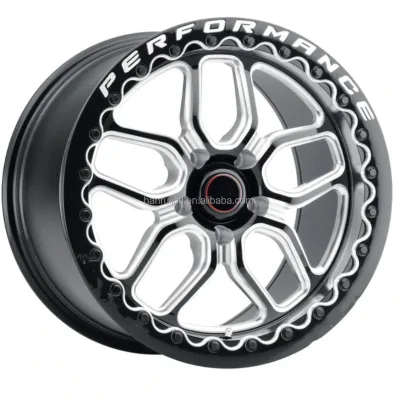
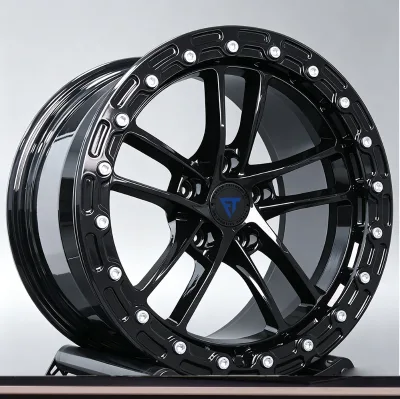
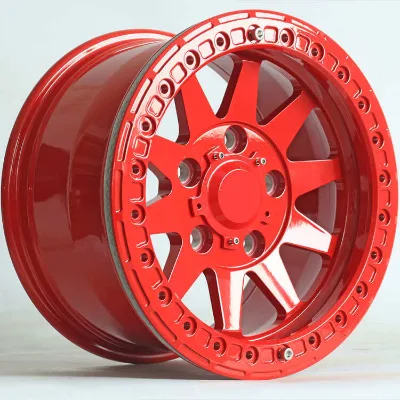

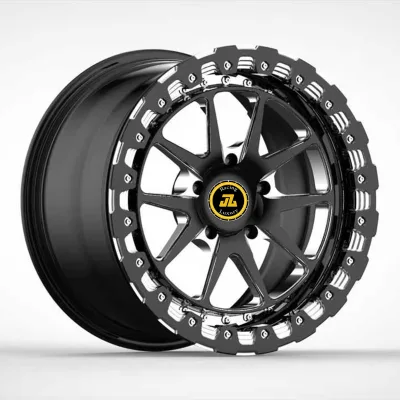
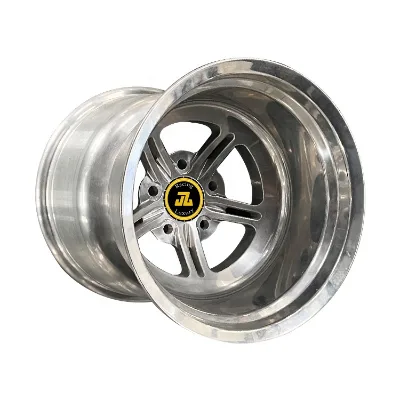


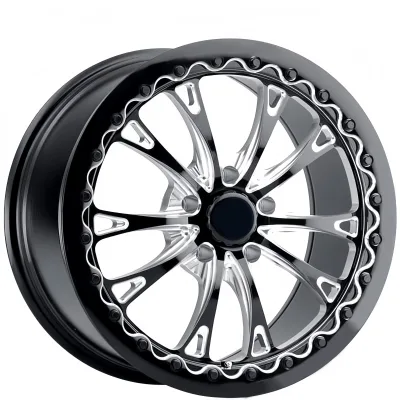
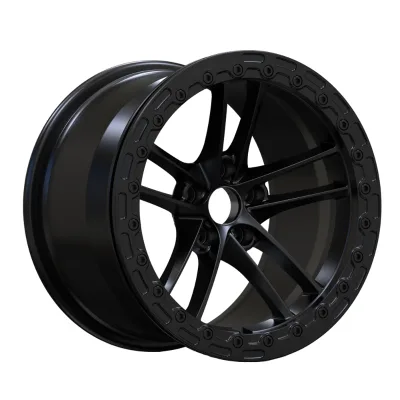
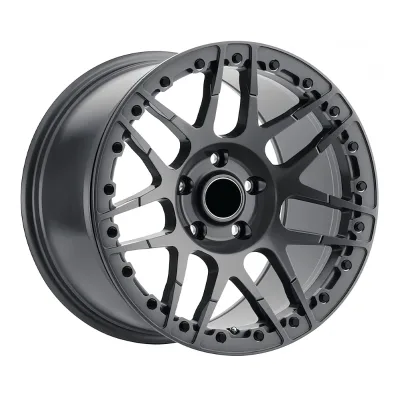
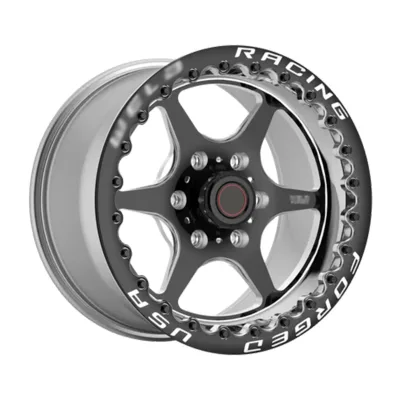
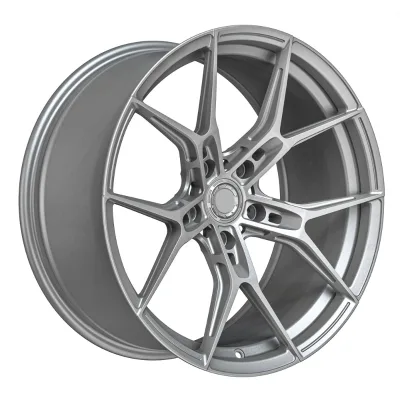
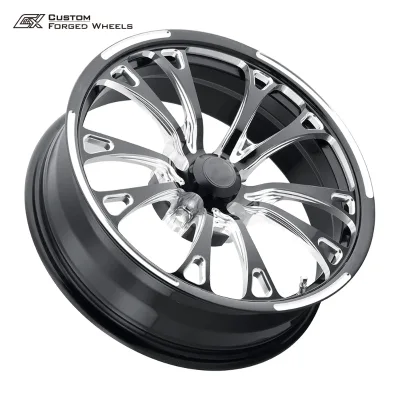


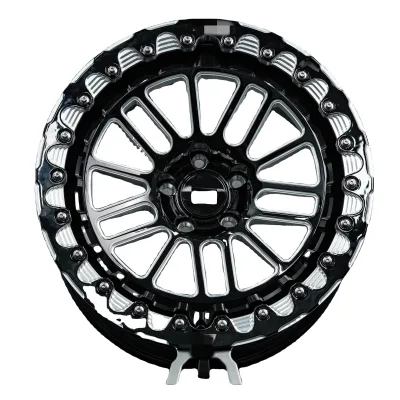
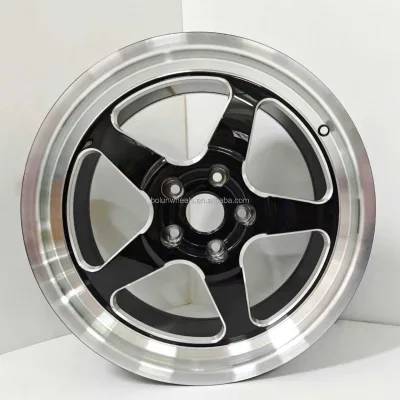
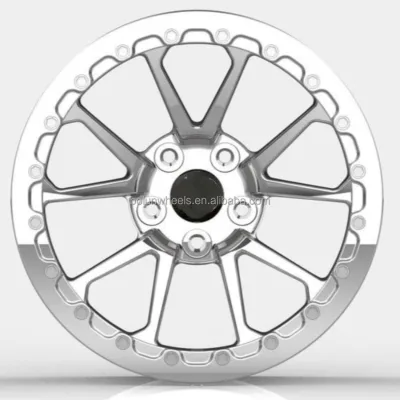
Comprehensive Sourcing Guide
Strategic Sourcing Guide for Forged Beadlock Drag Racing Wheels
Technical Specifications and Material Composition
When sourcing Forged Beadlock Drag Racing Wheels, the primary focus must be on the intersection of material integrity and structural geometry. The core keyword implies a specific application: high-torque, high-speed environments where wheel retention and weight reduction are critical. Based on available market data, the material composition for these components is predominantly aluminum, specifically citing 6061 aluminum as a standard alloy for high-performance applications. This alloy selection is vital because it offers an optimal balance of tensile strength and weight, which is essential for reducing unsprung mass in drag racing scenarios. The manufacturing process is explicitly identified as "forged," a method that aligns the grain structure of the metal, thereby enhancing durability compared to cast alternatives.
The physical dimensions of these wheels vary significantly to accommodate different vehicle platforms and racing classes. Observed specifications indicate a wheel hub diameter range spanning from 21 to 24 inches, with specific model listings highlighting a 20x11 configuration. The width of the rims is equally variable, with documented ranges extending from 7J to 14J, and specific width options listed as 7, 7.5, 8, 8.5, 9, 9.5, 10, 10.5, and 11 inches. For drag racing applications, the diameter options are extensive, covering 15, 18, 19, 20, 21, and 22 inches. The "beadlock" designation in this context often refers to a specific rim design intended to secure the tire bead under extreme conditions, though the exact mechanical locking mechanism must be verified against the specific product listing.
The PCD (Pitch Circle Diameter) is a critical fitment parameter that varies widely across the supply base. Data points show a diverse array of PCD values, including 112 mm, 130 mm, 120 mm, 108 mm, 115 mm, 127 mm, 100 mm, 139.7 mm, 98 mm, 165.1 mm, 114.3 mm, 120.65 mm, and 143.1 mm. Buyers must match these values precisely to their vehicle's hub specifications. Additionally, the offset (ET) is a crucial factor for stance and clearance, with observed values ranging from 18 mm to 70 mm, including specific increments like 20, 25, 30, 35, 40, 42, and 45 mm. The wheel construction is consistently described as "forged," and the design often features a five-spoke configuration or equal diameter spokes, which contribute to both aesthetic appeal and structural rigidity.
Compliance, Certification, and Safety Standards
In the realm of high-performance automotive components, compliance is not merely a formality but a prerequisite for liability and safety. When evaluating suppliers for Forged Beadlock Drag Racing Wheels, buyers must verify the presence of recognized international certifications. The supply data indicates that reputable manufacturers often hold ISO certifications, which serve as a baseline for quality management systems. More specifically, for wheels intended for road use or regulated racing, certifications such as TUV, JWL, VIA, TSE, SFI, and TS16949 are critical indicators of compliance with rigorous safety and performance standards.
The SFI (Specialty Equipment Market Association) certification is particularly relevant for drag racing applications, as it denotes that the wheel has passed specific dynamic testing for high-stress environments. Similarly, DOT (Department of Transportation) certification is essential if the wheels are intended for any street-legal application or mixed-use vehicles. Buyers should not assume that a "forged" label automatically implies compliance; the specific certification status must be confirmed through documentation provided by the supplier. The presence of a "custom" designation in product models suggests that the wheels may be tailored to specific racing classes, which often have their own unique certification requirements beyond general industry standards.
Furthermore, the standardization of the product is a key area of verification. While some listings reference standards like "20x11" or "15 inch to 17 inch," these often describe the product model rather than a regulatory standard. Buyers must distinguish between model identifiers and actual compliance standards. The absence of a specific certification in a product listing should trigger a request for proof of testing rather than an assumption of safety. The "High Performance" and "Quality" attributes listed in product descriptions are marketing terms that must be substantiated by the aforementioned third-party certifications. Without these, the risk of wheel failure under the extreme loads of drag racing is unacceptably high.
Cost Drivers and Pricing Dynamics
The pricing structure for Forged Beadlock Drag Racing Wheels is influenced by a complex matrix of factors, including material costs, manufacturing complexity, and customization levels. The observed price range in the market spans from $30 to $900 USD. This wide variance reflects the difference between standard production models and highly customized, high-performance units. The lower end of the spectrum may represent smaller diameter wheels, standard finishes, or less complex forging processes, while the upper end likely corresponds to larger diameters (e.g., 21-24 inches), specialized beadlock mechanisms, and premium finishes like glossy black.
Material costs play a significant role in the final price. The use of 6061 aluminum, a high-grade alloy, is more expensive than lower-grade alternatives. The forging process itself is energy-intensive and requires precise tooling, which adds to the manufacturing cost compared to casting. Customization is a major cost driver; the availability of "Custom Wheels Rim" options allows buyers to specify unique PCD, ET, and width combinations, but this bespoke approach inevitably increases the unit price. Additionally, the packaging requirements, such as the use of carton boxes with specific single package sizes (e.g., 60x60x33 cm) and gross weights (e.g., 9.0 kg), contribute to logistics costs, which are often factored into the final FOB price.
Minimum Order Quantity (MOQ) also impacts the effective cost per unit. The observed MOQ range is between 2 and 80 pieces. A lower MOQ of 2 pieces allows for small-scale procurement or testing, but the per-unit cost will be higher due to the fixed costs of setup and tooling. Conversely, larger orders may benefit from economies of scale, though the total capital outlay is higher. Buyers must balance their immediate needs against the long-term cost benefits of bulk purchasing. The "Selling Units" being listed as "Single item" suggests that some suppliers offer flexibility for individual purchases, which is advantageous for prototyping or single-vehicle builds.
Typical Applications and Performance Use Cases
The primary application for Forged Beadlock Drag Racing Wheels is clearly defined by the product attributes: "Passenger Car Use," "Offroad Vehicles," and specifically "Drag Racing." The "Purpose" is often listed as "for retrofit/upgrade," indicating that these wheels are designed to replace stock components to enhance performance. In drag racing, the reduction of unsprung mass is critical for improving acceleration and reducing the time to complete a quarter-mile run. The forged construction of these wheels provides the necessary strength to withstand the immense torque and G-forces generated during a launch, while the beadlock design ensures the tire remains seated on the rim even under extreme traction loads.
The versatility of these wheels extends to various vehicle types. While the "Product Name" explicitly mentions "Drag Racing Black Rims Forged Wheels for A90," the specifications also support use on off-road vehicles and general passenger cars. The wide range of PCD and diameter options allows for adaptation to a broad spectrum of platforms, from modified sedans to specialized dragsters. The "Equal Diameter Spoke" design and "Five Spoke" configurations are not merely aesthetic; they are engineered to distribute stress evenly across the wheel face, which is crucial for maintaining structural integrity during high-speed runs.
For off-road applications, the beadlock feature is particularly valuable, allowing for lower tire pressures to increase traction on loose surfaces without the risk of the tire unseating. However, the specific "Drag Racing" designation suggests a focus on high-speed stability and weight reduction rather than the heavy-duty durability required for rock crawling. Buyers must ensure that the specific wheel model they select aligns with their intended use case. A wheel optimized for drag racing may not have the same impact resistance as a wheel designed for extreme off-roading, and vice versa. The "Condition: New" and "High Performance" attributes reinforce the expectation that these components are intended for active, high-stress environments.
Supplier Evaluation and Quality Control Protocols
Evaluating suppliers for forged wheels requires a rigorous approach to quality control and verification. The "Place of Origin" is frequently listed as China, with specific mentions of Jiangsu province, a region known for its manufacturing capabilities. However, geographic origin alone does not guarantee quality. Buyers must prioritize suppliers who can provide transparent documentation regarding their manufacturing processes and quality assurance protocols. The "Craft" attribute of "Custom Wheels Rim" suggests a level of artisanal or semi-custom production, which requires close communication between the buyer and the manufacturer to ensure specifications are met.
Quality control should focus on verifying the "Forged" process. Buyers should request evidence of the forging method used, such as isothermal forging or closed-die forging, and inquire about the heat treatment processes applied to the 6061 aluminum. The "Quality: High Performance forged Wheels" claim must be backed by test data or certification records. Inspecting the "Single gross weight" and "Single package size" can also serve as a proxy for consistency; significant deviations in weight or dimensions between units may indicate quality control issues.
Furthermore, the "Warranty" terms are a critical indicator of supplier confidence. A warranty period of "3 years" is observed in the market, which suggests a commitment to product longevity. However, buyers must read the fine print to understand what is covered, such as structural failures versus cosmetic issues. The "Brand Name" and "Brand: OEM" attributes indicate that some suppliers operate as original equipment manufacturers or private labelers. Buyers should verify the brand's reputation and history in the automotive aftermarket. The "Customization: Available" attribute is a positive sign of flexibility, but it also necessitates a clear communication channel to ensure that custom specifications are accurately translated from the design phase to the final product.
Long-Term Procurement and Logistics Considerations
Sourcing Forged Beadlock Drag Racing Wheels involves long-term considerations regarding logistics, inventory management, and after-sales support. The "Product Packing" is typically listed as "Carton Box" or "Carton," with specific dimensions provided. These packaging details are essential for calculating shipping costs and determining storage requirements. The "Single package size" of 60x60x33 cm and a "Single gross weight" of 9.0 kg per unit are critical for freight planning. Buyers must account for the volume and weight of these items when negotiating shipping terms, especially for international orders.
Lead times and production capacity are also vital factors. While specific lead times are not explicitly stated in the provided data, the "Customization: Available" attribute implies that custom orders may require longer production cycles than standard stock items. Buyers should establish clear timelines with suppliers to avoid delays in their racing schedules. The "MOQ" of 2 to 80 pieces offers flexibility, but buyers should consider the implications of holding inventory. For high-performance parts, the risk of obsolescence or changes in vehicle specifications must be weighed against the benefits of bulk purchasing.
Finally, the "Purpose: for retrofit/upgrade" suggests that these wheels are often part of a larger vehicle modification project. Buyers should ensure that the procurement of wheels is synchronized with the availability of other components, such as tires, hubs, and suspension upgrades. The "Application: Car" and "Wheel Application: Passenger Car Use" attributes highlight the need for compatibility checks with existing vehicle systems. Long-term procurement success depends on building a relationship with a supplier who can provide consistent quality, reliable lead times, and responsive after-sales support, ensuring that the high-performance investment remains safe and effective over the life of the vehicle.
FAQs
What certifications are available for these forged wheels?
Reputable suppliers offer ISO, DOT, TUV, JWL, VIA, TSE, SFI, and TS16949 certifications. Buyers must verify specific documentation as not all listings include every standard, especially for custom models intended for drag racing or off-road use.
Which materials are used in the construction of these rims?
The primary materials observed are aluminum, specifically 6061 aluminum alloy, and steel. The 6061 aluminum is preferred for high-performance forged wheels due to its optimal balance of tensile strength and weight reduction for racing applications.
Can buyers customize the wheel specifications and dimensions?
Yes, customization is available for wheel rims, allowing for specific PCD, ET, and width combinations. Buyers can request custom models like 20x11 or 318SR, though this bespoke approach may impact the final unit price and lead time.
What is the typical minimum order quantity for these wheels?
The minimum order quantity ranges from 2 pieces to 80 pieces depending on the supplier and model. Lower MOQs allow for testing or single builds, while larger orders may benefit from economies of scale in the manufacturing process.
How do pricing and costs vary for these forged rims?
Prices range from 30 to 900 USD based on diameter, material grade, and customization levels. Larger diameters like 21-24 inches or specialized beadlock designs typically command higher prices compared to standard passenger car rim configurations.
Where are these forged wheels typically manufactured?
The products originate from China, with specific manufacturing hubs located in Jiangsu province. Buyers should verify the place of origin and supplier location to ensure logistics compatibility and quality control standards are met.