Source Forged Hexagon Brass Double Nipple for Plumbing, Gas, and Water
Compare 30 listings for Forged Hexagon Brass Double Nipple fittings from verified Chinese manufacturers. Buyers can evaluate specifications like thread types, materials, and certifications to find suitable options for industrial and residential applications; compare the available evidence and request quotations based on your requirements.
Key considerations
Products List


OEM&ODM Brass Forged Fitting Male Female Thread Hexagon Reduce Pipe Nipple
$0.40 - $0.75
MOQ: 1000 Pieces


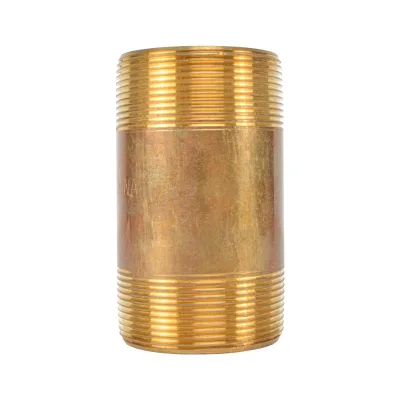


Wholesale Brass Pex Pipe Fittings Brass Straight Nipple Double with Oring
$0.82 - $0.84
MOQ: 2000 Pieces


Comprehensive Sourcing Guide
Forged Hexagon Brass Double Nipple Sourcing Guide
Procuring forged hexagon brass double nipples requires distinguishing between cast and forged manufacturing methods, as the forging process significantly enhances structural integrity for high-pressure applications. The observed product data confirms that forged items utilize specific metalworking techniques to align grain structures, offering superior resistance to vibration and thermal cycling compared to cast alternatives. Buyers must verify that the "Forged" attribute is explicitly stated in the technical specifications, as this distinction directly impacts the component's ability to withstand the high temperatures and mechanical stresses common in industrial piping systems.
When evaluating listings, it is critical to cross-reference the "Hexagon" head code with the "External Thread" distribution to ensure the fitting matches the required installation tools and torque specifications. The available data indicates that these fittings are often supplied in PP bags or standard exporting packages, which suggests a need for secondary packaging verification if the components are destined for automated assembly lines. Sourcing teams should prioritize suppliers who explicitly list the forging process alongside the brass material composition to avoid receiving cast products that may fail under the rigorous demands of petroleum, chemical, or electric power applications.
Product Scope and Observed Listing Signals
The market for brass double nipples presents a wide variance in nominal diameters, with observed listings ranging from small bore sizes up to 4 inches, necessitating precise size verification against the specific pipe schedule required. While some entries specify models like SK2012 or YZF-E33, the core product scope remains consistent in its function as a threaded union designed to connect two pipes or fittings. Buyers should note that the "Customization" attribute is frequently available, allowing for tailored thread types such as Bsp, G, or NPT, which is essential for integrating these components into diverse international piping standards.
Listing signals often include conflicting or broad material descriptions, such as references to stainless steel or copper alongside brass, requiring careful scrutiny of the specific material attribute for the intended order. The observed price range of 0.01 to 200 USD reflects significant differences in size, wall thickness, and certification levels, meaning that low-cost listings may not meet the durability requirements for high-temperature environments. Procurement specialists must filter for the "Brass" material tag and confirm the "Forged" production method to ensure the product aligns with the mechanical strength expectations for heavy-duty industrial use.
Technical Specifications to Verify
Verification of the nominal diameter and thread distribution is paramount, as the data shows a mix of internal and external thread configurations that must match the mating components exactly. The "External Thread" attribute is a key identifier for the double nipple configuration, ensuring compatibility with standard female-threaded fittings in water pipe and machinery applications. Buyers must confirm that the specified size, such as 1/2'' or 3/4'', aligns with the system's pressure rating, as the forging process is specifically noted to support high-temperature performance and structural rigidity.
The head code, typically identified as "Hexagon" in the observed data, dictates the torque application method and tooling requirements for installation and maintenance. It is essential to verify that the "Forged" technics are explicitly documented, as this process ensures the metal grain flow follows the contour of the fitting, reducing the risk of cracking under stress. Additionally, the surface finish, often described as "Polish," should be inspected to ensure it meets the corrosion resistance standards required for the specific fluid being transported, whether in chemical processing or general water distribution systems.
Compliance and Safety Documentation
Safety compliance for brass fittings in industrial settings often requires a suite of certifications, with observed listings citing UL, VDE, TUV, CSA, PSE, CCC, and CQC as potential standards. Buyers must request specific test reports for the exact batch being ordered, as the presence of a certification like CCC does not automatically guarantee compliance with international standards like DIN or ASME for all product variants. The "Standard" attribute in the data includes DIN, ASME, JIS, BS, and GB, indicating that the supplier must provide documentation proving the product meets the specific regional or industry standard applicable to the project.
Warranty terms observed in the market range from one to five years, serving as a critical indicator of the manufacturer's confidence in the forging quality and material consistency. A five-year warranty on a forged brass component suggests a robust quality control process, whereas a one-year term may indicate a more standard commercial offering. Procurement teams should ensure that the warranty documentation explicitly covers the "Forged" manufacturing method and the specific "Brass" alloy used, as these factors are central to the product's long-term reliability in high-pressure and high-temperature environments.
Cost Drivers and Commercial Terms
The commercial terms for forged brass fittings are heavily influenced by the raw material costs of brass and the energy-intensive nature of the forging process compared to casting. The observed MOQ range of 1 to 200,000 units allows for flexibility, but larger orders often secure better pricing tiers, particularly when the supplier offers customization for thread types or specific head codes. Buyers should analyze the "Delivery Time" of 20-30 days after payment as a baseline, understanding that custom forged items or those requiring specific certifications may extend this lead time significantly.
Packaging requirements, ranging from simple PP bags to strong plastic bags within cartons, represent a variable cost that can impact the total landed price, especially for international shipments. The "Exporting Package" standard is common, but buyers must specify if additional protective measures are needed to prevent damage during transit, as the hexagonal heads are susceptible to deformation if not properly cushioned. Negotiating the packing method and verifying the "Customized" options for branding or labeling can also influence the final unit cost and the efficiency of the receiving and storage operations.
Supplier Qualification and Quality Control
Supplier qualification should focus on verifying the origin of the product, with observed data pointing to manufacturing hubs in Zhengjiang and Jiangsu, China. Buyers must confirm that the supplier has the specific capability to produce "Forged" items rather than casting, as this distinction is critical for the mechanical properties of the double nipple. Requesting a facility audit or a video tour of the forging lines can provide assurance that the "Technics" claimed in the listing are genuinely implemented in the production process.
Quality control protocols must include random sampling to verify the "Hexagon" head dimensions and the "External Thread" pitch against the specified standards like DIN or ASME. The presence of certifications like SGS in the data suggests that third-party inspection is a viable option for buyers to validate the material composition and structural integrity before shipment. Establishing a clear acceptance criteria for surface finish and dimensional accuracy is essential, as these factors directly affect the leak-tight performance of the fitting in the final assembly.
Long-Term Procurement Checks
Long-term procurement success relies on monitoring the consistency of the "Forged" manufacturing process and the stability of the brass material supply chain. Buyers should implement periodic re-verification of the "Certification" status, ensuring that the supplier maintains their UL, VDE, or TUV accreditations over time, as these credentials are subject to renewal and audit. Tracking the performance of the fittings in the field, particularly regarding their resistance to high temperatures and corrosion, provides valuable data to assess the supplier's long-term reliability.
It is also vital to maintain a relationship with the supplier to ensure that the "Customization" capabilities remain available for future project requirements. As industry standards evolve, the ability to adapt to new thread distributions or material grades, such as transitioning to specific stainless steel alloys if needed, will be a key differentiator. Regularly reviewing the "Warranty" claims and the supplier's response to any quality issues will help maintain a robust supply chain that can withstand the demands of critical infrastructure and industrial applications.
FAQs
What materials are used for forged hexagon brass double nipples?
These fittings are primarily manufactured from brass, with some variants available in stainless steel grades such as SS304, SS304L, SS316, and SS316L. The brass construction ensures durability and resistance to corrosion, making it suitable for various industrial applications including water pipes and machinery. Customization options allow buyers to select the specific material grade that best fits their operational requirements and environmental conditions.
Can these fittings be customized for specific projects?
Yes, customization is available for these forged hexagon brass double nipples. Buyers can request specific modifications to meet unique project requirements. The manufacturer supports custom orders, allowing for tailored solutions in terms of dimensions, thread types, and surface finishes. This flexibility ensures that the fittings can be adapted to various piping systems and industrial applications, providing a precise fit for specialized engineering needs.
What certifications are associated with these pipe fittings?
The fittings come with various certifications including UL, VDE, TUV, CSA, PSE, CCC, and CQC. These certifications ensure that the products meet international safety and quality standards. The presence of CCC certification indicates compliance with Chinese national standards, while others like UL and TUV reflect adherence to global regulatory requirements. This ensures reliability and safety for use in diverse industrial and commercial environments.
What is the typical delivery time for these fittings?
The typical delivery time is usually within 20-30 days after payment. This timeframe allows for the manufacturing, quality control, and packaging processes to be completed efficiently. Buyers should plan their procurement schedules accordingly to ensure timely receipt of the fittings. The lead time may vary slightly depending on order volume and specific customization requirements, but the standard window provides a reliable estimate for logistics planning.
How are these brass fittings packaged for shipping?
The fittings are packaged in standard exporting packages, which may include PP bags, cartons, or strong plastic bags. Each unit is carefully packed to prevent damage during transit. The packaging is designed to protect the polished surface and threaded connections, ensuring that the products arrive in pristine condition. This robust packaging solution helps maintain the integrity of the fittings throughout the shipping process, reducing the risk of damage.
What thread types are available for these double nipples?
Available thread types include BSP, G, and NPT, among others. These standard thread distributions ensure compatibility with a wide range of piping systems and fittings. The external and internal thread options allow for versatile connections in various applications. Buyers can select the appropriate thread type based on their specific system requirements, ensuring secure and leak-free connections in industrial, chemical, and power applications.