Source Forged Fork Loader Tooth for Excavators, Loaders, and Mining
Find 30 options for Forged Fork Loader Tooth designed for heavy-duty earthmoving and mining applications. Buyers can compare specifications, hardness ratings, and customization services from verified manufacturers in China.
Key considerations
Products List


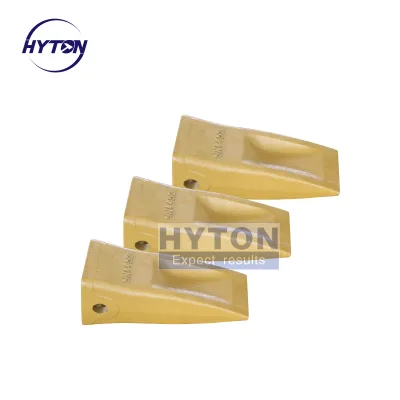
Forged Construction Equipment Spare Parts Excavator Forged Bucket Teeth
$5.00 - $20.00
MOQ: 1000 Pieces


High-Quality Forged Bucket Teeth for Excavators - Durable and Wholesale Price
$1250.00 - $1300.00
MOQ: 1 Tons




Comprehensive Sourcing Guide
Strategic Sourcing Guide for Forged Fork Loader Teeth
Understanding Product Specifications and Material Integrity
When sourcing forged fork loader teeth, buyers must first distinguish between general bucket teeth and specialized components designed for loader applications. The core keyword "Forged Fork Loader Tooth" implies a specific manufacturing process and structural requirement that differs from standard casting methods. Based on available industry data, the primary manufacturing process for high-durability teeth is forging. This process aligns the grain structure of the metal, resulting in superior mechanical properties compared to cast alternatives. The observed hardness range for such components typically falls between HRC 48 and HRC 52. This specific hardness level is critical for balancing wear resistance against impact toughness, ensuring the tooth can withstand the abrasive conditions of iron ore, quarries, and heavy earthmoving without fracturing under sudden shock loads.
The product attributes indicate that these components are often categorized as "Earthmoving Teeth," "Rock Teeth," or "Bucket Tiger Teeth," depending on the specific application intensity. While the term "fork loader" suggests a specific attachment, the underlying engineering principles often overlap with excavator bucket teeth, particularly regarding the adapter interface. Buyers should verify the exact part number compatibility, as variations exist even within the same machine class. For instance, specific part numbers like 61q6-31310RC or 7t3402tl represent distinct designs tailored to specific machine models such as the R220, J400, E325, or Sk350tl. The absence of a universal standard for "fork loader tooth" part numbers necessitates that procurement teams cross-reference the exact machine model and the original equipment manufacturer (OEM) specifications before placing an order.
Compliance, Certification, and Quality Standards
In the B2B procurement of heavy machinery components, certification serves as a primary indicator of a supplier's reliability and the consistency of their manufacturing processes. The observed market data highlights several key certifications that buyers should prioritize. ISO 9001 is a recurring standard, with specific instances citing versions such as ISO 9001:2008 and ISO 9001:2015. Additionally, the IATF 16949 certification is a significant marker, as it represents the international standard for quality management in the automotive and related industries, implying a rigorous approach to defect prevention and process control. The presence of CE certification further indicates compliance with European safety and environmental standards, which is often a requirement for exporting machinery parts to international markets.
However, buyers must treat these certifications as observations of specific supplier capabilities rather than universal guarantees for every listed product. The condition of the products is consistently noted as "New," and the quality control processes often include 100% inspection protocols. It is essential to verify that the supplier provides a Test Report for the specific batch of teeth being purchased. This documentation should confirm that the hardness, tensile strength, and dimensional tolerances meet the agreed-upon specifications. The standard for production is often described as "Base on drawing," meaning that the final product must strictly adhere to the technical drawings provided by the buyer or the OEM. When evaluating a supplier, request their current certification documents and ensure they match the specific versions (e.g., 2015 vs. 2008) required by your local regulations or corporate compliance policies.
Cost Drivers and Procurement Economics
The pricing structure for forged loader teeth is influenced by several dynamic factors, including raw material costs, the complexity of the forging process, and the level of customization required. The observed price range in the market spans from 1 to 1300 USD, a wide variance that reflects differences in product size, material grade, and order volume. The Minimum Order Quantity (MOQ) also varies significantly, ranging from 1 unit to 1000 units. This flexibility allows buyers to source small batches for immediate replacement needs or large volumes for inventory stocking.
Customization is a major cost driver. The data indicates that customization is available for attributes such as color (Gray-Black or Customized), surface treatment, and specific part numbers. When a buyer requests a non-standard part number or a specific hardness profile beyond the typical HRC 48-52 range, the cost will likely increase due to the need for specialized tooling and additional quality assurance steps. Furthermore, the production standard "1200800450" suggests that packaging and shipping dimensions can impact logistics costs. Buyers should consider the total landed cost, which includes the unit price, freight, and any duties, rather than focusing solely on the FOB price. The lead time is typically 7-10 days after the contract is established, but this can extend if the order requires custom tooling or if the supplier is managing a high volume of OEM orders.
Typical Applications and Operational Environments
The operational environment dictates the required specifications of the forged tooth. The data explicitly lists working conditions such as "Iron Ore," "Quarry," and general "Earthmoving." These environments are characterized by high abrasion and significant impact forces. In iron ore mining, the teeth must resist severe wear from sharp, abrasive rock, while in quarrying, they must withstand the shock of breaking hard rock formations. The "Bucket Tiger Tooth" designation often implies a design optimized for aggressive digging and ripping, where the tip geometry is critical for penetration and retention.
The compatibility with specific machine models is paramount. The observed data links specific part numbers to models like the R220, R305, J400, E325, and Sk350tl. A tooth designed for a crawler excavator may not be directly interchangeable with a wheel loader without verifying the adapter interface. The related parts, such as the Bucket Adapter, Bucket Pin, and Excavator Bucket, must be in good condition to ensure the tooth functions correctly. If the adapter is worn, the tooth will not seat properly, leading to premature failure and potential damage to the bucket. Therefore, buyers should inspect the entire assembly, including the adapter and pin, when replacing teeth. The "Forged Bucket Tooth" designation confirms that the component is built for these demanding applications, offering better fatigue life than cast alternatives.
Supplier Evaluation and Manufacturing Capabilities
Selecting the right supplier requires a deep dive into their manufacturing capabilities and business nature. The data identifies suppliers as "Manufacturer & Exporter," indicating that they control the production process rather than acting solely as traders. This distinction is crucial for ensuring quality control and supply chain stability. The location of production varies, with observations noting origins in Xiamen, Chengdu, and Zhejiang, China. While these regions are known for their manufacturing clusters, buyers should verify the specific factory location to assess logistics and potential geopolitical risks.
Key evaluation criteria include the supplier's ability to handle OEM and ODM services. The data confirms that OEM and ODM services are available, meaning suppliers can produce parts to the buyer's exact specifications or develop new designs. The "Forging Tolerance" is noted as "as Per Customer Demand," which highlights the flexibility of the manufacturing process. However, this also places the onus on the buyer to provide precise tolerance requirements. The "Service" attribute suggests that suppliers are willing to engage in long-term partnerships, potentially offering technical support and after-sales service. When evaluating a supplier, request samples to verify the "Good Mechanical Properties" claim and check their inventory levels to ensure they can meet the "7-10 Days" delivery promise during peak seasons.
Quality Control and Long-Term Procurement Strategy
Quality control is the backbone of a successful procurement strategy for heavy machinery components. The observed data emphasizes "100% Inspection" as a standard practice. This means every tooth should undergo a visual and dimensional check before leaving the factory. Buyers should also demand a Test Report that validates the hardness (HRC 48-52) and confirms the forging process was executed correctly. The "Surface Treatment" is listed as "Customized," which is a critical factor for corrosion resistance. In wet or corrosive environments, a specific coating or treatment may be necessary to extend the service life of the tooth.
For long-term procurement, buyers should establish a relationship with a supplier that offers consistent quality and reliable lead times. The "Product Packing" is described as "According to Customer Requirements" or "Pallet," indicating flexibility in shipping. Standardizing the packaging can reduce damage during transit and simplify inventory management. The "Condition: New" attribute is a baseline expectation, but buyers must ensure that the "New" condition refers to the actual manufacturing state and not a refurbished item. Finally, the "Advantage" of "Good Mechanical Properties" should be a recurring theme in the supplier's quality reports. By maintaining strict quality control protocols and fostering a collaborative relationship with a capable manufacturer, buyers can ensure a steady supply of high-performance forged loader teeth that minimize downtime and maximize operational efficiency.
Comparative Analysis of Product Attributes
To facilitate a clearer understanding of the market offerings, the following table summarizes the key attributes observed in the current supply landscape. This comparison helps buyers identify the specific features that align with their operational needs.
| Attribute Category | Observed Value / Range | Relevance to Buyer |
|---|---|---|
| Manufacturing Process | Forging | Ensures superior grain structure and impact resistance compared to casting. |
| Hardness Range | HRC 48-52 | Critical balance between wear resistance and toughness for heavy earthmoving. |
| Certifications | ISO 9001 (2008/2015), IATF 16949, CE | Indicates adherence to international quality and safety standards. |
| Product Condition | New | Guarantees the component is not refurbished or used. |
| Customization | Available (Color, Surface, Part No.) | Allows tailoring to specific machine models and environmental conditions. |
| Lead Time | 7-10 Days (Post-Contract) | Standard timeframe for production and initial delivery preparation. |
| MOQ | 1 - 1000 Units | Flexible ordering options for both small repairs and bulk stocking. |
| Working Conditions | Iron Ore, Quarry, Earthmoving | Defines the intended application and required durability levels. |
| Quality Control | 100% Inspection | Ensures every unit meets the specified tolerances before shipment. |
| Origin Locations | Xiamen, Chengdu, Zhejiang, China | Highlights major manufacturing hubs for heavy machinery components. |
This table serves as a reference point for buyers to verify that the products they are considering meet the essential criteria for forged loader teeth. By cross-referencing these attributes with their specific operational requirements, procurement teams can make informed decisions that optimize cost, performance, and reliability.
FAQs
What manufacturing process is used for forged fork loader teeth?
Forging is the primary manufacturing process used for these teeth to align metal grain structure. This method ensures superior mechanical properties and impact resistance compared to casting, making them suitable for heavy earthmoving applications.
Which certifications should buyers look for in a supplier?
Buyers should prioritize suppliers with ISO 9001, IATF 16949, or CE certifications. These standards indicate adherence to international quality management and safety protocols, ensuring consistent production of new aftermarket components.
How long is the typical delivery time for these components?
The standard delivery time is 7 to 10 days after the contract is established. This lead time applies to standard orders, though custom tooling or high-volume requests may require additional preparation time.
What is the hardness range for these forged teeth?
The hardness typically ranges from HRC 48 to HRC 52. This specific range balances wear resistance against impact toughness, allowing the teeth to withstand abrasive conditions in iron ore and quarries without fracturing.
Can suppliers provide customization for these bucket teeth?
Yes, customization is available for color, surface treatment, and specific part numbers. Buyers can request dimensions based on drawings or specific requirements, allowing the product to match exact machine models and working conditions.
What is the minimum order quantity for these products?
The minimum order quantity ranges from 1 to 1000 units depending on the supplier. This flexibility allows buyers to source small batches for immediate replacement or large volumes for inventory stocking.