Source Forged Square Sanitary Sight Glass for tanks, pipes, and vessels
Compare 30 Forged Square Sanitary Sight Glass options from Wenzhou suppliers. These stainless steel units feature DIN/GB/ISO standards, EPDM gaskets, and clamp or weld connections for tank and pipe applications.
Key considerations
Products List


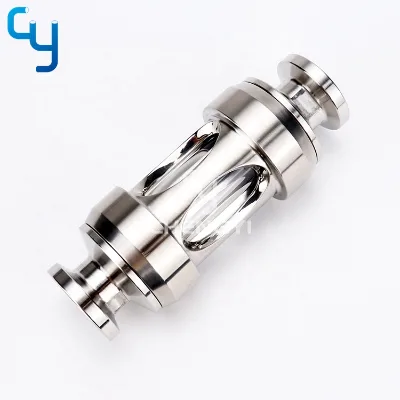
Sanitary Stainless Steel Welded Sight Glass Pipe Fitting Union Sight Glass
$15.00 - $20.00
MOQ: 1 Pieces


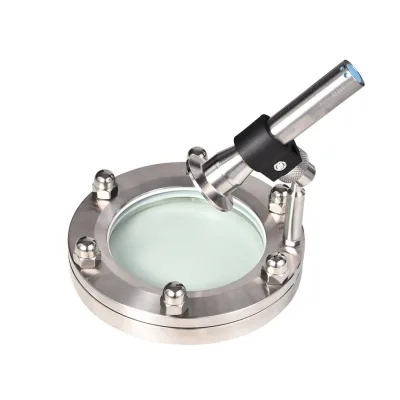
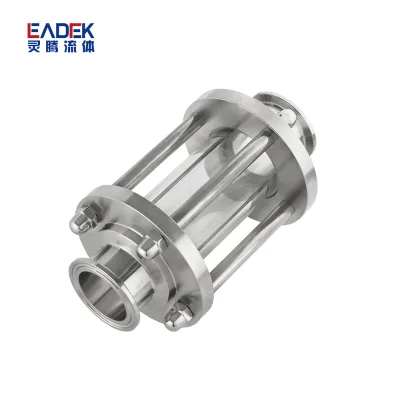
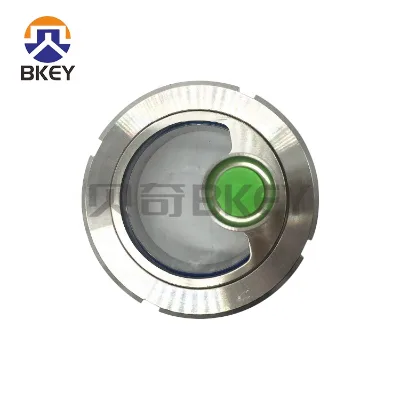
Stainless Steel Flange Sight Glass Sanitary Flange Sight Glass Led Light
$32.62 - $35.68
MOQ: 2 pieces
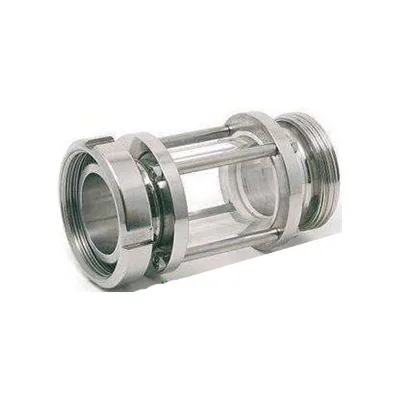
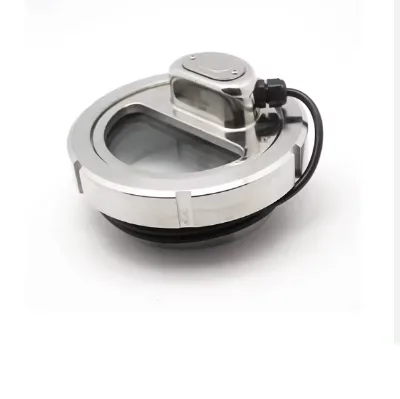
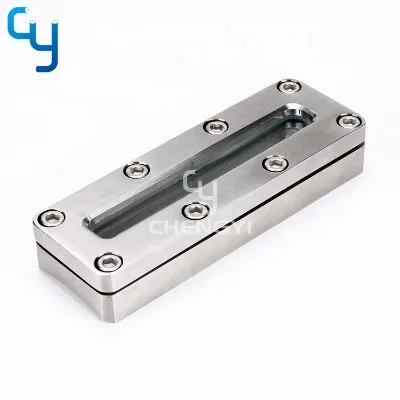
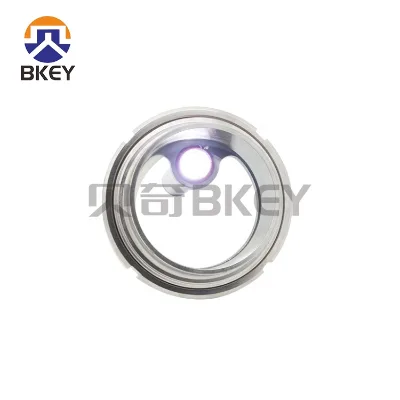
Sanitary Stainless Steel Rectangular Welding Long Sight Glass with Toughened Glass
$299.65 - $304.73
MOQ: 10 pieces




Comprehensive Sourcing Guide
Strategic Sourcing Guide for Forged Square Sanitary Sight Glass
Procuring a Forged Square Sanitary Sight Glass requires a rigorous understanding of the intersection between mechanical forging processes and sanitary design standards. Unlike cast or welded alternatives, forged components offer superior structural integrity, making them ideal for high-pressure or high-purity applications in the food, beverage, and pharmaceutical sectors. This guide synthesizes observed market data and technical attributes to assist procurement professionals in evaluating suppliers, verifying compliance, and ensuring long-term operational reliability without relying on unverified claims.
Technical Architecture and Material Specifications
The core of a Forged Square Sanitary Sight Glass lies in its manufacturing method and material composition. The term "forged" indicates that the metal body is shaped under high pressure, a process that aligns the grain structure of the metal to enhance strength and resistance to fatigue. In the observed market data, the primary material identified for these components is Stainless Steel, specifically grades SS304 and SS316L. The selection between these grades is critical; SS304 is suitable for general food and beverage applications, while SS316L offers enhanced corrosion resistance required for aggressive chemical environments or high-purity pharmaceutical processes.
The geometry of the sight glass is equally significant. While many sight glasses are circular, the specific requirement for a "square" shape implies a custom design often utilized for specific tank viewing windows or specialized piping configurations. The observed data confirms that customization is available, allowing buyers to specify non-standard dimensions. The body is typically constructed with a "High Borosilicate Glass" viewing element, which provides excellent thermal shock resistance and clarity. This glass is capable of withstanding working temperatures ranging from -10°C to +150°C, a range that covers most standard industrial processes.
Sealing integrity is maintained through gaskets made from materials such as EPDM, NBR, or PTFE. The specific choice of gasket material depends on the chemical compatibility with the product being viewed. For instance, EPDM is common for water and steam, while FPM (Viton) is often selected for harsher chemical environments. The maximum operating pressure observed in the current market context is 10 bar, though some specific models may be rated for lower external pressures between 2-5 bar. Buyers must verify the pressure rating against their specific system requirements, as the "Pipe Class" is sometimes listed as "Not Rated," necessitating a direct inquiry into the specific model's pressure limits.
Compliance, Certification, and Regulatory Standards
Navigating the regulatory landscape is a primary concern for sanitary equipment procurement. The observed data highlights a robust array of certifications and standards that suppliers may claim to meet. Key standards frequently referenced include DIN, GB, ISO, 3A, SMS, and IDF. These standards ensure that the sight glass meets international requirements for hygiene, dimensional accuracy, and material safety.
Specifically, the CE mark is a high-confidence fact observed in the product attributes, indicating compliance with European health, safety, and environmental protection standards. For applications in the United States or those requiring specific food-grade certifications, the presence of FDA, 3A, and SGS certifications is vital. The data also lists ISO9001:2008 as a potential quality management standard, though buyers should verify if the supplier holds the more recent ISO9001:2015 version.
When evaluating a supplier, procurement teams should request a Certificate of Conformity (CoC) that explicitly links the specific product model to these standards. It is important to note that while the data lists "DIN 7080" as a background standard, this should be treated as a reference point rather than a guaranteed specification for every unit. Buyers must confirm that the sight glass meets the specific sanitary standards required for their industry, such as the 3A Sanitary Standards for dairy and food processing or the SMS standards for pharmaceutical applications. The "Standard Exporting Package" mentioned in the data suggests that packaging is designed to prevent damage during transit, but it does not replace the need for material traceability documentation.
Cost Drivers and Procurement Variables
The cost of a Forged Square Sanitary Sight Glass is influenced by several distinct variables. The primary driver is the material grade; SS316L is significantly more expensive than SS304 due to the addition of molybdenum, which improves corrosion resistance. The forging process itself adds to the cost compared to casting, as it requires specialized tooling and higher energy consumption to achieve the desired grain structure.
Customization is another major cost factor. The data indicates that customization is available, which implies that non-standard sizes, shapes, or connection types will incur additional tooling charges and longer lead times. The observed price range in the market spans from $0.10 to $900 USD, a wide variance that reflects the difference between small, standard components and large, custom-engineered units. The Minimum Order Quantity (MOQ) ranges from 1 to 20 units, offering flexibility for small-scale projects but potentially limiting bulk discounts for very small orders.
Other cost considerations include the type of connection required. The data lists Clamp, Ferrule, and Weld as common connection types. Flanged connections are also mentioned in the context of specific models. The choice of connection affects the machining complexity and the overall price. Additionally, the lighting source, if the sight glass includes an integrated illumination system (noted as "White" lighting with "DC 24V" supply power), will add to the unit cost. Buyers should clarify whether the lighting is an integral part of the assembly or an optional accessory, as this impacts the total cost of ownership.
Typical Applications and Operational Context
Forged square sanitary sight glasses are predominantly used in industries where visual monitoring of fluid flow is critical for process control and safety. The primary application areas include tank and pipe systems in the food and beverage industry, where the visibility of product levels and flow consistency is essential. The "Function" of these devices is explicitly to "View the flow," allowing operators to detect blockages, air locks, or contamination without opening the system.
In the pharmaceutical sector, the use of SS316L and high-purity gaskets like PTFE or EPDM ensures that the sight glass does not introduce contaminants into the product stream. The square shape is particularly useful in applications where space constraints or specific tank geometries require a non-circular viewing window. The high borosilicate glass ensures that the viewing element remains clear even under thermal cycling, which is common in cleaning-in-place (CIP) and sterilization-in-place (SIP) processes.
The observed data mentions a "Design: High Light" feature, suggesting that some models are optimized for visibility in low-light environments or are designed to work with external lighting systems. This is particularly relevant in automated processing lines where visual sensors or human operators need to monitor the process continuously. The mounting hole diameter, observed to range from 0.5 to 6 inches, allows for integration into various pipe sizes, from small laboratory setups to large industrial storage tanks.
Supplier Evaluation and Quality Assurance
Evaluating a supplier for forged sanitary sight glasses requires a multi-faceted approach. The first step is verifying the supplier's location and manufacturing capability. The data consistently points to Wenzhou, Zhejiang, China, as a primary origin for these products. While this region is a known hub for sanitary fittings, buyers should not assume all suppliers in this location meet the same quality standards. It is essential to request evidence of the forging process, such as photos of the forging equipment or descriptions of the heat treatment procedures used to ensure the grain structure is aligned correctly.
Quality control should focus on the verification of material certifications. Buyers must demand mill test reports (MTRs) for the stainless steel used, confirming the grade (SS304 or SS316L) and the chemical composition. The gasket material should also be verified against the specific chemical requirements of the application. The "Warranty: online support" mentioned in the data is a positive indicator of supplier responsiveness, but it should be supplemented with a clear warranty policy regarding material defects and performance failures.
When comparing suppliers, a comparison table can be a valuable tool to visualize differences in certifications, material grades, and connection types. However, buyers must be cautious of suppliers who claim to meet all standards simultaneously without providing specific documentation for each. The "Standard" column in a comparison should reflect the actual certifications held by the supplier, such as CE, ISO9001, or 3A, rather than generic claims.
Long-Term Procurement and Maintenance Considerations
Long-term procurement success depends on the durability and maintainability of the sight glass. The forging process provides a robust body that resists deformation under pressure, but the glass element remains a consumable part. The high borosilicate glass is resistant to thermal shock, but it can still be damaged by mechanical impact or thermal stress beyond its rated limits. Buyers should consider the availability of replacement glass and gaskets when selecting a supplier.
The "Single package size" and "Carton" packing methods observed in the data suggest that the units are designed for standard shipping, but buyers should verify the packaging details to ensure they are sufficient for the specific logistics chain. For long-term operations, the ease of cleaning and maintenance is crucial. The "Clamp, Ferrule, Weld" connection options offer different maintenance profiles; clamp connections allow for quick disassembly for cleaning, while welded connections offer a more permanent, leak-proof solution but require cutting for maintenance.
Procurement teams should also consider the "Supply Power" requirements if the sight glass includes integrated lighting. The "DC 24V" specification indicates a low-voltage system, which is generally safe but requires compatible power supplies and wiring. Ensuring that the lighting source is "White" and provides adequate illumination is important for accurate visual monitoring. Finally, buyers should establish a relationship with the supplier for ongoing support, as the "online support" warranty suggests a commitment to post-sales assistance. Regular inspections and timely replacement of worn gaskets will extend the service life of the sight glass and maintain process integrity.
| Feature | Observation from Market Data | Procurement Verification Requirement |
|---|---|---|
| Material | Stainless Steel (SS304/316L) | Request Mill Test Reports (MTR) for grade verification. |
| Manufacturing | Forged | Verify forging process documentation and grain structure alignment. |
| Glass Type | High Borosilicate Glass | Confirm thermal shock resistance and working temperature limits. |
| Certifications | CE, ISO9001, 3A, FDA, SGS | Demand specific Certificates of Conformity for each standard. |
| Connections | Clamp, Ferrule, Weld, Flange | Select based on maintenance needs and system pressure. |
| Gasket | EPDM, NBR, PTFE, FPM | Match gasket material to chemical compatibility of the fluid. |
| Origin | Wenzhou, Zhejiang, China | Verify factory audit reports and quality control procedures. |
| Pressure | Up to 10 Bar (observed) | Confirm specific model pressure rating against system max. |
In conclusion, sourcing a Forged Square Sanitary Sight Glass requires a balance of technical verification and supplier evaluation. By focusing on the forging process, material grades, and specific certifications, buyers can ensure they acquire a product that meets the rigorous demands of sanitary applications. The availability of customization and a wide range of connection options provides flexibility, but it also necessitates careful specification to avoid unnecessary costs or performance issues. Through diligent due diligence and a focus on long-term maintenance, procurement professionals can secure reliable sight glass solutions that enhance process visibility and operational safety.
FAQs
What material grades are used for forged square sanitary sight glasses?
The primary material grades are SS304 and SS316L stainless steel. SS304 suits general food applications, while SS316L offers enhanced corrosion resistance for pharmaceutical processes requiring higher purity standards.
Which certifications are typically available for these sanitary sight glasses?
High-confidence certifications include CE, ISO9001, 3A, FDA, and SGS. These standards ensure compliance with international hygiene and safety requirements for food, beverage, and pharmaceutical industries.
How is the sealing integrity maintained in forged sanitary sight glasses?
Sealing is maintained using gaskets made from EPDM, NBR, PTFE, or FPM. The specific gasket material is selected based on chemical compatibility with the fluid being viewed and operating temperature ranges.
Can customization be requested for the shape and size of the sight glass?
Yes, customization is available for non-standard shapes and dimensions. Buyers can specify unique sizes ranging from DN25 to DN300 or specific connection types like clamp, ferrule, or weld.
What is the maximum operating pressure for these forged sight glass units?
The maximum operating pressure observed is 10 bar, though some models may be rated for lower external pressures between 2 to 5 bar. Buyers must verify specific model ratings against system requirements.
Which connection types are supported for installing these sanitary sight glasses?
Supported connection types include Clamp, Ferrule, Weld, and Flange. The choice depends on the piping system design and the need for quick disassembly or permanent sealing during operation.