Source Foundry Sulfur Carbon Additive for Steel, Cast Iron, and Refractories
Source 30 verified Foundry Sulfur Carbon Additive options tailored for steelmaking, cast iron production, and refractory applications. Compare key specifications such as fixed carbon content, ash levels, and particle sizes to identify the right material for your industrial needs.
Key considerations
Products List




Comprehensive Sourcing Guide
Foundry Sulfur Carbon Additive Sourcing Guide
Procuring carbon additives for foundry applications requires a precise understanding of how these materials influence the metallurgical properties of cast iron and steel. These additives, often referred to as carburizing agents, are critical for adjusting the carbon content in molten metal to achieve desired mechanical properties, such as hardness, tensile strength, and wear resistance. The primary objective in sourcing these materials is to ensure consistent carbon recovery and minimal introduction of harmful impurities that could compromise the integrity of the final casting. Buyers must navigate a market where product specifications vary significantly based on the source material, coking technique, and subsequent processing methods.
The selection of the right carbon additive depends heavily on the specific foundry process, whether it involves gray iron, ductile iron, or steel casting. Different grades of calcined petroleum coke or anthracite offer varying levels of fixed carbon, sulfur, and ash content, each impacting the melt quality differently. High-purity additives with low sulfur and low ash are generally preferred for high-grade castings to prevent defects such as porosity, inclusions, and surface imperfections. Understanding the relationship between the additive’s chemical composition and its performance in the furnace allows procurement teams to make informed decisions that balance cost efficiency with product quality.
Product Scope and Observed Listing Signals
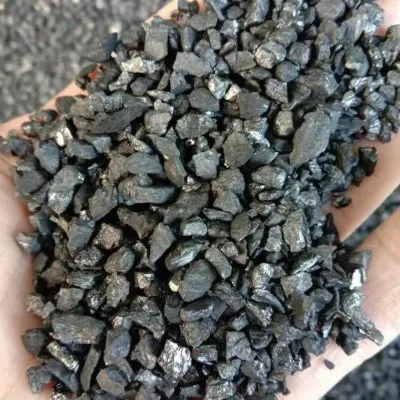
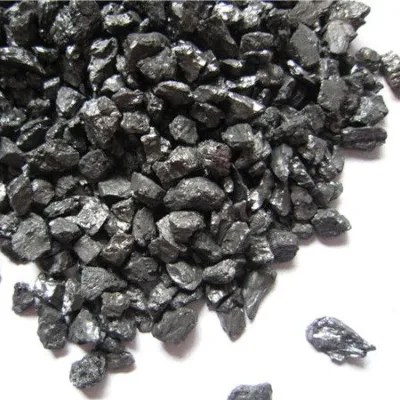
Market listings for foundry carbon additives reveal a diverse range of product types, primarily centered around calcined coke and specialized carbon additives. Observed data indicates that products are frequently categorized by their application area, including smelting industries, graphite manufacture, and chemical industries. The core material is often identified as calcined coke, which undergoes a delay coking process to remove volatile matter and increase carbon purity. Buyers should note that while many listings highlight "high purity" and "low sulfur" attributes, the specific grades can vary, with some products explicitly labeled as low-sulfur variants to meet stringent foundry requirements.
Packaging and physical specifications also vary across suppliers, reflecting different logistical needs and customer preferences. Common packaging formats include 25kg bags, ton bags, and bulk mountain bags, allowing for flexibility in handling and storage. Grain sizes observed in listings range from fine particles like 1-3mm to larger chunks up to 30-60mm, catering to different charging methods in furnaces. The origin of these products is predominantly China, with specific regions like Hebei and Shandong Dezhou being notable sources. Buyers should verify the exact particle size distribution and packaging options that align with their facility’s handling capabilities to avoid additional processing costs.
Technical Specifications to Verify
Fixed carbon content is the most critical technical parameter for carbon additives, as it directly determines the efficiency of carbon recovery in the melt. High-quality additives typically boast fixed carbon levels of 98% or higher, ensuring that the majority of the material contributes to the desired carbon enrichment rather than forming slag. Buyers must verify the specific fixed carbon percentage for each product, as lower grades may require higher dosages, increasing overall costs and potential impurity introduction. The presence of other elements, such as nitrogen and sulfur, also plays a significant role in the final quality of the cast metal, necessitating strict control over these impurities.
Sulfur and ash content are key indicators of the additive’s purity and its potential impact on cast iron quality. Low sulfur levels are essential to prevent the formation of sulfide inclusions, which can lead to brittleness and reduced ductility in the final product. Similarly, low ash content minimizes the formation of slag, improving melt fluidity and reducing the need for extensive slag removal. Buyers should request detailed chemical analysis reports that specify sulfur, ash, moisture, and volatile matter content. Additionally, physical properties such as real density and expansion ratio can provide insights into the material’s structural integrity and reactivity during the smelting process.
Compliance and Safety Documentation
Quality management systems are a fundamental aspect of supplier reliability, with ISO 9001:2015 being a commonly cited standard in the industry. This certification indicates that the supplier has established processes for consistent quality control, from raw material sourcing to final product delivery. Buyers should verify the validity of these certifications and inquire about the specific quality control measures implemented during production. A robust quality system ensures that batch-to-batch variations are minimized, providing the foundry with a stable and predictable supply of carbon additives.
Safety documentation is equally important, particularly regarding the handling and storage of carbon-based materials. While carbon additives are generally stable, they can pose fire hazards if not stored properly, especially in fine powder forms. Buyers should ensure that suppliers provide Material Safety Data Sheets (MSDS) that outline safe handling procedures, storage conditions, and emergency response measures. Additionally, compliance with environmental regulations regarding emissions and waste disposal during the production of calcined coke is crucial. Suppliers who adhere to strict environmental standards are less likely to face supply disruptions due to regulatory issues.
Cost Drivers and Commercial Terms
The price of carbon additives is influenced by several factors, including the cost of raw materials, energy consumption during the coking process, and transportation logistics. Observed price ranges in the market can vary significantly, reflecting differences in product quality, packaging, and order volume. Buyers should consider the total cost of ownership, which includes not only the unit price but also the efficiency of the additive in the furnace and the potential costs associated with impurities. Higher-quality additives with lower sulfur and ash content may have a higher upfront cost but can result in significant savings by improving yield and reducing defect rates.
Minimum Order Quantities (MOQ) and payment terms are key commercial considerations that affect procurement flexibility. MOQs can range from small quantities for trial orders to large volumes for long-term contracts, with some suppliers offering flexibility for customized orders. Buyers should negotiate terms that align with their inventory management strategies and cash flow requirements. Additionally, lead times and delivery schedules should be clearly defined to ensure timely supply, especially for foundries with just-in-time production processes. Understanding the supplier’s capacity and production capabilities can help buyers assess the reliability of their supply chain.
Supplier Qualification and Quality Control
Supplier qualification involves a thorough assessment of the manufacturer’s production capabilities, quality control processes, and track record. Buyers should evaluate the supplier’s annual production capacity, which can range from small-scale operations to large facilities with capacities exceeding 200,000 tons per year. A larger capacity often indicates a more established operation with the resources to maintain consistent quality and meet large orders. Additionally, buyers should inquire about the supplier’s experience in serving the foundry industry and their ability to provide customized solutions based on specific customer requirements.
Quality control measures should be integrated into the procurement process, including regular sampling and testing of incoming materials. Buyers should establish clear acceptance criteria for key parameters such as fixed carbon, sulfur, ash, and moisture content. Implementing a rigorous inspection protocol helps to identify any deviations from specifications early in the supply chain. Furthermore, building a collaborative relationship with the supplier can facilitate continuous improvement, allowing for joint efforts to optimize the additive’s performance in the foundry process. Regular communication and feedback loops are essential for maintaining high standards of quality and service.
Long-Term Procurement Checks
Long-term procurement success depends on the ability to monitor and adapt to changes in the market and supplier performance. Buyers should regularly review supplier performance metrics, including on-time delivery, product quality consistency, and responsiveness to issues. Establishing key performance indicators (KPIs) provides a structured way to evaluate suppliers and identify areas for improvement. Additionally, staying informed about market trends, such as fluctuations in raw material prices or changes in environmental regulations, can help buyers anticipate potential disruptions and adjust their sourcing strategies accordingly.
Continuous improvement in the use of carbon additives involves exploring new technologies and materials that may offer better performance or cost efficiency. Buyers should remain open to evaluating alternative products or suppliers that may provide advantages in terms of purity, reactivity, or sustainability. Engaging with industry associations and attending trade shows can provide valuable insights into emerging trends and best practices. By maintaining a proactive approach to procurement, foundries can ensure a stable supply of high-quality carbon additives that support their production goals and competitive edge.
FAQs
What is the fixed carbon content of this additive?
The fixed carbon content is 98.5 percent minimum for this calcined coke product. This high purity ensures effective carburization in smelting and metallurgical applications while maintaining low ash and moisture levels for consistent performance.
Which grain sizes are available for purchase?
Available grain sizes include 1-3mm, 1-5mm, 5-20mm, and 30-60mm to suit various industrial needs. These specifications allow for precise control during the coking and smelting processes in chemical and refractory industries.
Can I request custom packaging for this product?
Yes, customization is available for packaging requirements including 25kg bags or ton bags. Suppliers can also arrange bulk shipments in Mt bags or customized big bags according to specific customer requests and logistical needs.
What is the minimum order quantity for this additive?
The minimum order quantity is one ton for this high-purity carbon additive. This low threshold allows buyers to test the product quality before committing to larger volumes for their smelting or casting operations.
How is the sulfur content controlled in this material?
The sulfur content is maintained at 0.1 percent maximum or 0.3 percent depending on the specific grade. This low sulfur level is critical for producing high-quality steel and castings without compromising material integrity.
Which certifications does the manufacturer hold?
The manufacturer holds ISO 9001:2015 certification for its quality management system. This standard ensures consistent production processes and reliable product quality for all carbon additives supplied to the global market.
Where is this carbon additive manufactured?
This product originates from China, specifically from regions like Hebei and Shandong Dezhou. These locations support a significant annual production capacity of 200,000 tons to meet diverse industrial demands.