Find Four Core Solid CCTV Cable for Security, LAN, and Heating
Source 30 verified listings for Four Core Solid CCTV Cable tailored to overhead, underground, and local communication needs. Buyers can compare copper conductor options, insulation types, and certification standards to match specific project requirements.
Key considerations
Products List


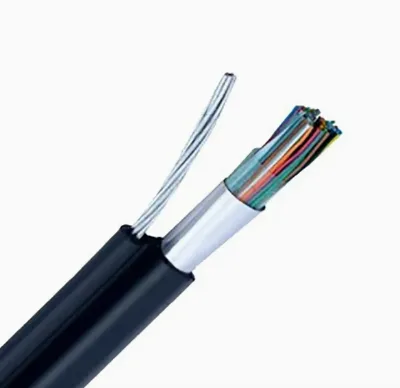

Multi Function Cables for Security Cameras Cables Network Technology Camera
$2.18 - $4.00
MOQ: 3000 Pieces


6 Core High Performance Camera Monitor Cable Bc Conductor Security Alarm Cable
$0.04 - $0.50
MOQ: 10000 Meters


Comprehensive Sourcing Guide
Strategic Sourcing Guide for Four Core Solid CCTV Cable
Understanding the Technical Architecture of Four Core Solid Conductors
When evaluating a four-core solid CCTV cable, the primary distinction lies in the conductor construction. Unlike stranded conductors, which consist of multiple thin wires twisted together to provide flexibility, solid conductors are made from a single, continuous strand of metal. In the context of the available market data, solid copper conductors are frequently specified for applications where the cable will remain stationary after installation. The observed product attributes confirm that solid conductor types are available, often paired with PVC insulation materials. This specific construction offers superior electrical conductivity and mechanical stability for fixed runs, making it ideal for permanent surveillance installations where the cable is not expected to be moved or flexed repeatedly.
The physical geometry of these cables is typically round, as indicated by the "Material Shape: Round Wire" observation. The insulation material is predominantly PVC, a standard choice for its balance of cost, durability, and electrical properties. For four-core configurations, the internal arrangement often involves specific core diameters, such as the observed "7*0.20mmcu" specification for inner conductors in similar communication cables, though exact dimensions for four-core solid variants must be verified against the specific datasheet. The color coding is a critical visual identifier; standard industry practice, supported by the "Color: Black Red Yellow" and "According to Voltage Level" attributes, suggests that individual cores are color-coded to facilitate correct termination at both the camera and the recorder end. Some suppliers offer customization where colors are "According to Customer" or "As Request," allowing for specific project branding or internal wiring logic.
Compliance Verification and Certification Standards
Navigating the regulatory landscape is essential for any B2B procurement of electrical cabling. The supplied product facts highlight a consistent presence of major international certifications, including RoHS, CE, and ISO standards. RoHS compliance ensures that the cable is manufactured without restricted hazardous substances, a mandatory requirement for markets in Europe and increasingly in other regions. The CE mark indicates conformity with health, safety, and environmental protection standards for products sold within the European Economic Area.
Furthermore, the data references ISO certifications, specifically ISO9001 in some instances, which validates the supplier's quality management systems rather than the product itself. Buyers must distinguish between product-specific certifications and organizational certifications. The observed standards also include ETL and SGS, which are third-party testing and verification bodies. When sourcing four-core solid CCTV cables, it is imperative to request the specific test reports associated with these certifications. The "Whether Quality Inspection: Provide Inspection Certificate" attribute confirms that reputable suppliers should be able to furnish documentation proving that the batch meets the claimed standards.
It is important to note that while "RoHS, CE, ISO" appears frequently in the data, the specific standard version (e.g., ISO9001:2015) and the scope of the ETL listing must be verified. The "Frame Retardant Level: Normal/Cm/Cmr" attribute indicates that fire safety ratings vary by product line. Buyers should explicitly confirm the flame retardant classification required for their specific installation environment, whether it is a standard commercial building or a high-risk industrial facility. The "prod_standard: 200m" and "prod_standard: KX6 Cable" entries suggest that standards can also refer to specific product models or length specifications, requiring careful cross-referencing with the technical datasheet to ensure the cable meets the intended application's regulatory framework.
Cost Drivers and Pricing Dynamics in the Cable Market
The pricing structure for four-core solid CCTV cables is influenced by several volatile factors, primarily the global price of copper and the specific configuration of the cable. The observed price range of 0.03 to 100 USD indicates a vast disparity, likely driven by differences in conductor cross-sectional area, insulation thickness, and packaging. A cable with a higher copper content per meter will naturally command a higher price, as copper is a significant cost component. The "Conductor Material: Copper" and "Wire Core Material: Bare Copper Wire" attributes confirm that the base metal is copper, though some variants may use CCA (Copper Clad Aluminum) as seen in shielded cable descriptions, which would lower the cost but affect conductivity and longevity.
Minimum Order Quantity (MOQ) is another critical cost driver. The observed MOQ range of 2 to 30,000 units suggests that buyers can source small quantities for prototyping or small projects, but economies of scale are realized at higher volumes. For large-scale deployments, negotiating a lower unit price by increasing the order volume to the upper end of the MOQ spectrum is a standard procurement strategy. The "prod_packing" options, ranging from "100m/Reel" to "500m/Drum" or "Wooden Reel," also impact the final landed cost. Bulk packaging reduces handling and shipping costs per meter, making larger reels more cost-effective for professional installers.
Additionally, the "Customization: Available" and "OEM/ODM: Accepted" attributes imply that custom specifications, such as unique color codes or specific jacket thicknesses, may incur additional tooling or setup fees. Buyers should factor these potential one-time costs into their total cost of ownership (TCO) analysis. The "Export Length" specifications, such as 100m, 305m, or 500m per roll, further influence logistics; selecting a standard export length that matches the project's needs can minimize waste and shipping inefficiencies.
Typical Applications and Performance Environments
The versatility of four-core solid CCTV cables is evident in the diverse application ranges observed in the market data. The "Application: Overhead, Heating, Underground" attributes suggest that these cables are robust enough for various environmental exposures. However, the solid conductor construction specifically makes them best suited for indoor fixed installations or underground conduits where flexibility is not a primary requirement. For outdoor overhead runs, the cable must possess adequate UV resistance and weatherproofing, which may require specific jacket materials beyond standard PVC, or the use of additional protective conduits.
The "Range of Application: LSOH" (Low Smoke Zero Halogen) attribute points to a specialized variant suitable for public spaces, tunnels, or enclosed areas where fire safety is paramount. In the event of a fire, LSOH cables emit minimal smoke and no toxic halogen gases, protecting occupants and equipment. For standard commercial CCTV systems, the "Application: Local Communication Cable, LAN Cable" overlap indicates that these cables can often serve dual purposes, transmitting both video signals and power (PoE) if the voltage rating is sufficient. The "Cable Voltage: 450/750V and Others" specification confirms that these cables are generally rated for low-voltage applications, typical for CCTV power and signal transmission.
The "Type: Insulated" and "Jacket: 6.10mm pvc" attributes highlight the protective layering necessary for long-term reliability. The "Shield: Pet Foil/Al Foil" and "80% CCA or 95% Cu" options are critical for environments with high electromagnetic interference (EMI). In industrial settings with heavy machinery, a shielded four-core cable prevents signal degradation, ensuring clear video feeds. The "prod_model: Alarm Cable" and "Kx6 with Power Coaxial Cable" entries suggest that these cables are also integrated into broader security systems, potentially combining alarm signaling with video transmission in a single conduit.
Supplier Evaluation and Origin Verification
When selecting a supplier for four-core solid CCTV cables, verifying the origin and manufacturing capabilities is crucial. The data indicates that the majority of these products originate from "China," specifically "Zhejiang, China" and "Hangzhou, Zhejiang, China(Mainland)." These regions are known for their robust manufacturing ecosystems and supply chains for electrical components. However, the presence of a specific location does not guarantee quality; it is the supplier's adherence to the stated standards that matters. Buyers should prioritize suppliers who explicitly list their "prod_standard" and "Certification" details, such as the "ETL, CE, RoHS, SGS, ISO9001" combination observed in the data.
The "brand name: Dongrun" is one example of a specific manufacturer mentioned, but buyers should avoid relying on a single brand and instead evaluate the supplier's overall track record. The "OEM/ODM: Accepted" attribute is a strong indicator of a supplier's flexibility and manufacturing maturity. Suppliers offering OEM services typically have the capacity to customize packaging, labeling, and technical specifications, which is valuable for large procurement contracts. The "Whether Quality Inspection: Provide Inspection Certificate" requirement is a non-negotiable filter; a reputable supplier must be willing to provide third-party or internal quality inspection reports for every batch.
Buyers should also assess the "prod_packing" capabilities. Options like "Pull out Box, Carton Box, Pallet" and "Wooden Reel" suggest a supplier equipped for international shipping and various storage requirements. A supplier that offers robust packaging is less likely to damage the cable during transit, which is a common risk with long reels of wire. The "Export Length" options further demonstrate the supplier's experience in global trade, as they understand the logistical needs of international buyers.
Quality Control Protocols and Long-Term Procurement Strategy
Ensuring the long-term reliability of four-core solid CCTV cables requires a rigorous quality control (QC) protocol. The "Quality Inspection" attribute suggests that suppliers should provide certificates, but buyers must go further by defining their own acceptance criteria. Key QC checks should include verifying the conductor diameter, insulation thickness, and the integrity of the shielding. The "Inner Conductor: 7*0.20mmcu" example serves as a reference for the type of dimensional data that should be present in the technical specifications. Any deviation from the specified dimensions can lead to increased resistance and voltage drop, compromising the CCTV system's performance.
For long-term procurement, establishing a relationship with a supplier that offers "Customization: Available" is advantageous. This allows the buyer to adapt the cable specifications as the project evolves, such as changing color codes for different zones or adjusting the jacket thickness for specific environmental conditions. The "Frame Retardant Level" should be consistently verified to ensure that the fire safety rating remains compliant with local building codes over time. Additionally, the "Standard" attributes like "KX6 Cable" or "RG59 with power cable" indicate that specific model numbers should be locked in the procurement contract to prevent substitution with inferior alternatives.
Finally, buyers should consider the "prod_origin" and logistics. Sourcing from "Zhejiang, China" offers competitive pricing, but lead times and shipping reliability must be managed carefully. The "MOQ" range of 2 to 30,000 allows for a phased procurement strategy, where initial orders are small to test quality, followed by larger orders once the supplier's performance is validated. By combining technical verification, certification checks, and strategic supplier evaluation, buyers can secure a reliable supply of four-core solid CCTV cables that meet the rigorous demands of modern security infrastructure.
FAQs
What certifications do four core solid cctv cables typically have?
These cables typically carry RoHS, CE, and ISO certifications to ensure safety and compliance. Some products also include ETL, SGS, and ISO9001 standards for quality verification. Buyers should request inspection certificates to confirm batch-specific compliance with these documented requirements.
Can I customize the color and packaging for these cables?
Yes, customization is available for colors like black, red, yellow, or specific customer requests. Packaging options include reels, drums, wooden reels, or cartons depending on the order size. Suppliers accept OEM and ODM requests to tailor these physical attributes to your project needs.
What is the minimum order quantity for purchasing these cables?
The minimum order quantity ranges from 2 units up to 30,000 units depending on the supplier. Smaller orders suit prototyping while larger volumes secure better pricing. Buyers should verify the specific MOQ with the manufacturer before placing an order to ensure it matches their project scale.
Where are these four core solid cables manufactured?
Most products originate from China, specifically from regions like Zhejiang and Hangzhou. These locations host established manufacturing ecosystems for electrical components. Buyers should verify the specific factory location to assess logistics and shipping times for their region.
Which conductor materials are used in these cables?
The primary conductor material is copper, often specified as bare copper wire or solid strands. Some shielded variants may use CCA, but copper remains the standard for conductivity. The insulation is typically PVC, ensuring durability and electrical safety for fixed installations.
How are these cables packaged for export?
Cables are commonly packed on reels, drums, or wooden reels with lengths of 100, 200, 500, or 305 meters. Some suppliers offer pull-out boxes or pallets for bulk shipments. The packaging choice affects handling costs and should be selected based on the total order volume.
What voltage ratings are available for these cables?
Standard voltage ratings include 450/750V and other custom levels suitable for low-voltage applications. These ratings support power and signal transmission for CCTV systems. Always confirm the specific voltage rating with the supplier to ensure compatibility with your camera and recorder equipment.