Source Four Head Eyelet Pressing Machine for Bags, Docs, Stationery
Find and compare 21 Four Head Eyelet Pressing Machine listings from China. Evaluate specs like servo motor power, adjustable hole spacing, and CE certification to select the right equipment for paper bags, document files, and stationery production.
Key considerations
Products List


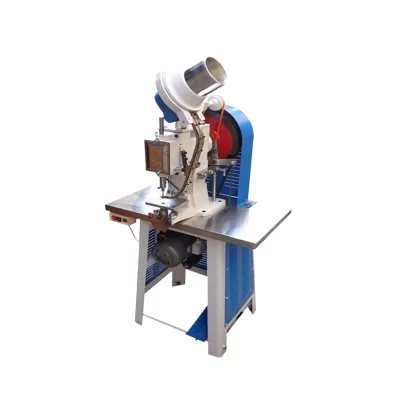


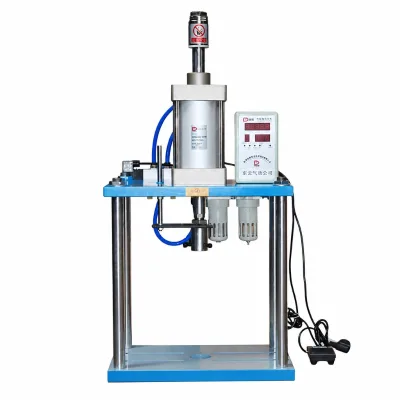
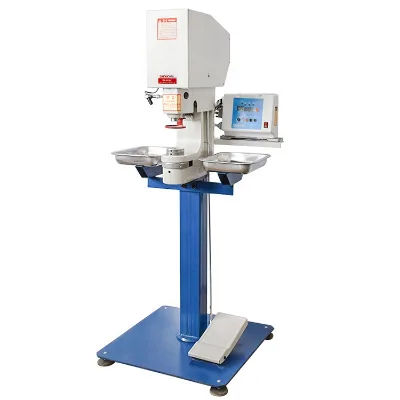
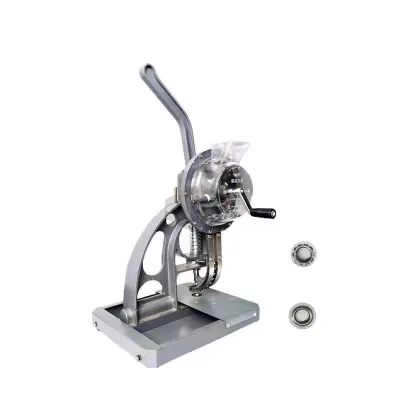


Comprehensive Sourcing Guide
Four Head Eyelet Pressing Machine Sourcing Guide
Procuring a four-head eyelet pressing machine requires a careful balance between high-speed automation and precise mechanical control. These machines are designed to punch holes and attach eyelets simultaneously, making them essential for industries such as paper bag manufacturing, stationery production, and document file assembly. The "four-head" designation typically refers to a multi-station or multi-die configuration that allows for rapid, sequential processing, significantly increasing throughput compared to single-head manual or semi-automatic units. Buyers must understand that while the core function remains consistent, the specific mechanical architecture—whether it relies on servo motors, pneumatic systems, or a hybrid approach—will dictate the machine’s speed, accuracy, and maintenance requirements.
The sourcing landscape for these machines is dominated by manufacturers in China, with significant production hubs in provinces like Shandong and Zhejiang. Listings often indicate a wide range of capabilities, from basic semi-automatic operations to fully automatic feeding systems for eyelets. Prospective buyers should note that while many suppliers advertise similar core functionalities, the actual performance metrics, such as riveting speed and hole diameter precision, can vary substantially between models. It is crucial to verify the specific model number and technical datasheet before committing to a purchase, as generic titles often mask significant differences in motor power, frame stability, and control systems.
Product Scope and Observed Listing Signals
The observed market signals indicate a diverse range of product configurations, with prices varying from approximately $20 to $12,000 USD. This wide disparity suggests that the term "Four Head Eyelet Pressing Machine" covers everything from simple, low-capacity manual aids to complex, high-speed industrial units. Listings frequently highlight key attributes such as CE certification, new condition, and customizable dies, which are critical for buyers needing specific hole patterns or eyelet sizes. The presence of automatic feeding systems and foot pedal controls further differentiates the machines, with higher-end models offering servo motor drives for enhanced precision and lower energy consumption.
Packaging and logistics details provide additional insight into the machine's scale and value. Most units are shipped in wooden crates to protect the machinery during transit, with dimensions ranging from compact 600x400x1350mm units to larger 1000x1000x1300mm frames. The weight of these machines also varies, with some lightweight models weighing around 56kg and heavier industrial units reaching 140kg or more. Buyers should pay close attention to these physical specifications, as they impact shipping costs, warehouse space requirements, and the need for specialized handling equipment upon delivery. The minimum order quantity (MOQ) is typically one unit, allowing for flexible procurement strategies for small to medium-sized enterprises.
Technical Specifications to Verify
When evaluating technical specifications, the motor type and power rating are primary indicators of performance. Some models utilize a 0.75kw dual-motor setup, while others may feature more powerful 550w or higher capacity motors, depending on the intended throughput. The punching control mechanism is another critical factor; foot pedal operation is common, offering manual control over the pressing cycle, which can be advantageous for delicate materials or variable thicknesses. Buyers should also verify the adjustable hole spacing, which typically ranges from 60mm to 220mm, ensuring the machine can accommodate the specific layout requirements of their products.
The riveting stroke and throat depth are essential for determining the machine's versatility. A standard riveting stroke of 45mm is often cited, but buyers must confirm if this is adjustable for different eyelet types. The throat depth, commonly around 150mm, dictates the maximum size of the material that can be processed. Additionally, the air pressure requirement, often specified as 5-6MPa for pneumatic components, must be compatible with the buyer's existing factory infrastructure. It is also important to check the voltage compatibility, with 220V being a standard input, to ensure seamless integration into local power grids without the need for expensive transformers.
Compliance and Safety Documentation
Compliance with international safety standards is non-negotiable for industrial machinery. Most listed machines carry CE certification, indicating adherence to European health, safety, and environmental protection standards. This certification is a strong indicator that the manufacturer has conducted necessary risk assessments and implemented appropriate safety features, such as protective guards and emergency stop mechanisms. Buyers should request the official CE declaration of conformity and verify that the documentation matches the specific model and serial number of the machine being purchased.
ISO 9001:2015 certification is another common credential, reflecting the manufacturer's commitment to quality management systems. This standard ensures that the production process is consistent and that quality control measures are in place at every stage of manufacturing. While ISO certification does not guarantee the performance of a specific unit, it provides confidence in the supplier's ability to maintain consistent quality across batches. Buyers should also inquire about machinery test reports, which some suppliers provide to demonstrate that the machine meets specified performance criteria before shipment.
Cost Drivers and Commercial Terms
The cost of a four-head eyelet pressing machine is influenced by several factors, including the complexity of the automation, the quality of the components, and the level of customization required. Machines with automatic eyelet feeding systems and servo motor controls tend to be more expensive due to the advanced technology involved. Conversely, semi-automatic models with basic foot pedal controls are more affordable but may require more manual labor, impacting long-term operational costs. Buyers should consider the total cost of ownership, including energy consumption, maintenance, and potential downtime, rather than just the initial purchase price.
Commercial terms such as warranty and after-sales support are critical components of the procurement decision. A standard one-year warranty is commonly offered, covering defects in materials and workmanship. Buyers should clarify what is included in the warranty, such as spare parts and technical support, and whether extended warranty options are available. Additionally, the supplier's reputation for providing machinery test reports and detailed operation manuals can significantly reduce the risk of post-purchase issues. Clear communication regarding these terms helps ensure a smooth transaction and minimizes potential disputes.
Supplier Qualification and Quality Control
Supplier qualification involves verifying the manufacturer's production capabilities and quality control processes. Buyers should look for suppliers who provide detailed machinery test reports, which serve as evidence that the machine has been tested for performance and safety before leaving the factory. The presence of core components that are "other" or unspecified may indicate a lack of transparency, so buyers should request specific details about the motor, controller, and other critical parts. Understanding the origin of these components can help assess the overall reliability and longevity of the machine.
Quality control extends beyond the initial purchase to include the supplier's ability to provide customized dies and adjust hole spacing. The availability of customized dies is a significant advantage for buyers with unique product requirements, allowing for greater flexibility in production. Buyers should confirm the lead time for die customization and the associated costs. Additionally, the supplier's willingness to provide training and technical support is crucial for ensuring that the machine is operated correctly and maintained properly, reducing the risk of premature wear or operational errors.
Long-Term Procurement Checks
Long-term procurement success depends on the machine's durability and the supplier's ongoing support. Buyers should consider the availability of spare parts and the ease of maintenance. Machines with widely available components and clear maintenance guidelines are easier to keep in operation, reducing downtime and repair costs. The warranty period is a key indicator of the supplier's confidence in their product, but buyers should also inquire about the supplier's policy for handling warranty claims and providing technical assistance after the warranty expires.
Finally, buyers should evaluate the supplier's track record and customer feedback. While specific supplier names should not be recommended, general market reputation can be assessed through industry forums, trade shows, and direct inquiries to existing customers. A supplier with a history of reliable performance and responsive customer service is more likely to provide a positive long-term partnership. Regular reviews of the machine's performance and adherence to safety standards will help ensure that the investment continues to deliver value over its operational lifespan.
FAQs
What are the key functions of a Four Head Eyelet Pressing Machine?
The machine performs punching holes and attaching eyelets simultaneously. It features adjustable hole spacing from 60 to 220mm and a riveting stroke of 45mm. This dual function ensures efficient processing for paper bags, stationery, and document files. The automatic feeding system handles eyelets while the foot pedal controls punching, allowing for precise and rapid production workflows.
Can the Four Head Eyelet Pressing Machine be customized for specific needs?
Yes, customization is available for this equipment. Buyers can request customized dies to match specific product requirements. The machine supports adjustable hole spacing and features a safety frame. This flexibility allows manufacturers to adapt the tool for various materials and eyelet types, ensuring the equipment meets precise operational standards and integrates smoothly into existing production lines.
What certifications does the Four Head Eyelet Pressing Machine hold?
The machine holds CE certification and complies with ISO9001:2015 standards. These certifications indicate adherence to European safety regulations and international quality management systems. The equipment is marked as new condition and comes with a one-year warranty. Buyers can also request machinery test reports to verify performance and safety compliance before finalizing procurement decisions.
How is the Four Head Eyelet Pressing Machine packed for shipping?
The machine is packed in a wooden crate or wooden package to ensure safe transport. Shipping options include air, sea, and land freight methods. The standard packaging dimensions are approximately 1000 by 1000 by 1300mm. This robust packing method protects the machinery during transit, regardless of whether the origin is Shandong or Zhejiang in China, ensuring the equipment arrives in new condition.
What is the power and motor type of the Four Head Eyelet Pressing Machine?
The machine uses a servo motor for precise control and reliable operation. Power specifications vary, with some models using 0.75kw x 2 or 550kw motor power. The system is electrically powered and operates on 220V voltage. This configuration supports high-efficiency eyelet riveting, with speeds reaching 30 to 40 pieces per minute, ensuring consistent performance for industrial applications.
What is the minimum order quantity for a Four Head Eyelet Pressing Machine?
The minimum order quantity is one unit. This low MOQ allows buyers to purchase a single machine for testing or small-scale production needs. The machine is available for immediate sourcing with no bulk purchase requirements. This flexibility supports businesses looking to upgrade their eyelet pressing capabilities without committing to large inventory investments or complex supply chain logistics.