Source Freestanding Hot Tub with Ozone Sterilization for Hotel Residence Villa
Compare 30 Freestanding Hot Tub with Ozone Sterilization options for indoor and outdoor use. These units feature acrylic shells, whirlpool functions, and computer or hand controls suitable for hotels, residences, and villas.
Key considerations
Products List


Hot Selling Ozone Hydrotherapy Home 6 Person Hot Tub Outdoor SPA Hot Tub
$1900.00 - $2400.00
MOQ: 1 Sets

Sunrans 210cm Square Bathtub Whirlpool SPA Outdoor Ozone Hot Tub for 5 Person
$3000.00 - $3500.00
MOQ: 1 Pieces

Sr831 Large Capacity Hot Tub for 6 People with 10 Color Options & 50mg/H Ozone
$2999.00 - $3399.00
MOQ: 1 Pieces

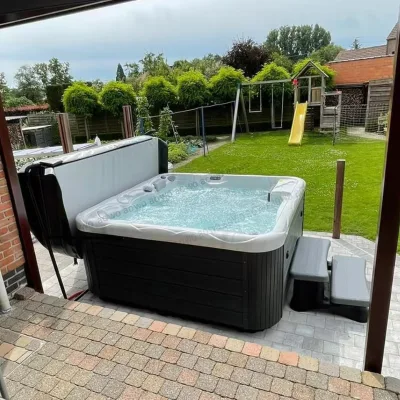

Virlux 6 Person Hot Tub Ozone System Outdoor Hot Tub Whirlpool Massage SPA
$2800.00 - $3500.00
MOQ: 1 Pieces


Hot Sale Luxurious Hot Tub Outdoor SPA Withswim Massage Whirlpool Funtion
$3000.00 - $5499.00
MOQ: 1 Pieces

2020 Hot Sale Luxurious Hot Tub Outdoor SPA with Swim Massage Whirlpool Funtion
$3000.00 - $5499.00
MOQ: 1 Pieces

Hot Sale Luxurious Massage Bathtub Hot Tub Outdoor SPA Withswim Massage Whirlpool
$3000.00 - $5499.00
MOQ: 1 Pieces


Comprehensive Sourcing Guide
Strategic Sourcing Guide for Freestanding Hot Tubs with Ozone Sterilization
Procuring a freestanding hot tub equipped with ozone sterilization requires a rigorous approach that balances technical performance, regulatory compliance, and supply chain reliability. For B2B buyers targeting this specific niche, the decision matrix extends beyond simple aesthetic selection. The integration of ozone technology into a freestanding acrylic structure introduces specific engineering constraints and maintenance protocols that must be understood before initiating a tender or purchase order. This guide synthesizes observed market data and technical attributes to provide a framework for evaluating suppliers and products in this category.
Technical Architecture and Sterilization Integration
The core of a high-performance freestanding hot tub lies in its material composition and the integration of its water treatment systems. Based on observed product attributes, the industry standard for the shell material is Aristech Acrylic or high-grade acrylic. This material choice is critical because it offers superior durability, resistance to UV degradation, and a non-porous surface that inhibits bacterial growth, which complements the function of ozone sterilization. The structural design is predominantly freestanding, allowing for flexible placement in both indoor and outdoor environments. Common configurations include square shapes with dimensions ranging from 1200mm to 1700mm, with larger luxury models reaching dimensions such as 2120mm by 2120mm.
The ozone sterilization feature represents a significant advancement over traditional chlorine-only systems. In the observed product data, ozone sterilization is listed as a distinct feature, indicating that the system is designed to oxidize organic contaminants and reduce the reliance on harsh chemicals. This system typically operates in conjunction with a filtration pump, often specified as a single unit in standard configurations, though high-capacity models may utilize more complex pump setups. The control system is a pivotal component; while some units utilize manual hand controls, advanced models feature computer-controlled systems, such as the America Balboa System, which allows for precise management of the ozone generator's output, jet pumps, and circulation rates.
When evaluating the technical specifications, buyers must verify the jet configuration. The total number of jets can vary significantly, with observed data showing configurations up to 59 jets. The pump assembly is equally critical; typical high-end units may include dual jet pumps (e.g., 2 x 2.0HP) and a dedicated circulation pump (e.g., 0.5HP). The water capacity is another vital metric, with observed ranges indicating volumes around 290 US gallons (1100 liters). This capacity directly impacts the efficacy of the ozone system, as the contact time between the ozone and the water must be sufficient to ensure sterilization. Buyers should request detailed schematics to confirm that the ozone injection point is strategically located within the circulation loop to maximize contact time before the water returns to the tub.
Compliance, Certification, and Regulatory Standards
Navigating the regulatory landscape is essential for B2B procurement, particularly when importing products for commercial use in hotels, villas, or public residences. The safety and quality of the electrical and mechanical components must be verified against international standards. Observed product data indicates that compliant units often carry certifications such as CE, ISO9001, and ETL. The CE mark confirms conformity with health, safety, and environmental protection standards for products sold within the European Economic Area. ISO9001 certification validates that the manufacturer has a robust quality management system in place, ensuring consistency in production processes. The ETL mark, often recognized in North America, indicates that the product has been tested by a Nationally Recognized Testing Laboratory (NRTL) and meets specific safety standards.
Beyond product certifications, the manufacturing origin plays a role in compliance. The majority of observed products originate from China, with specific manufacturing hubs noted in Guangdong. While this region is a major exporter of spa equipment, buyers must ensure that the specific factory holds the necessary export licenses and that the products are not subject to trade restrictions or tariffs that could impact the landed cost. Furthermore, the electrical systems, including the control panels and pumps, must be compatible with the local voltage and frequency of the destination country. A product certified for the European market may require modification to meet US or Asian electrical codes.
Buyers should also verify the "prod_standard" dimensions and structural integrity against local building codes. While observed standards list dimensions like 1500x1500x720mm or 21202120900mm, these are product-specific and not universal building codes. The structural load of a filled tub, which can reach weights of 1470kg, must be supported by the installation site. For freestanding units, the floor load-bearing capacity is a critical compliance check that often falls on the buyer's architect or engineer, but the supplier must provide accurate weight specifications for both dry and filled states.
Cost Drivers and Pricing Dynamics
The pricing of freestanding hot tubs with ozone sterilization is influenced by a complex array of factors, ranging from raw material costs to the sophistication of the control systems. The observed price range in the market spans from $40 to $10,000 USD, a wide disparity that reflects differences in size, material quality, and feature sets. The lower end of this spectrum typically corresponds to smaller, basic models with fewer jets and simpler control mechanisms. In contrast, the upper end includes large, luxury units with advanced computer controls, extensive jet arrays, and premium materials like Aristech Acrylic.
Material costs are a primary driver. The use of high-grade acrylic, such as Aristech, significantly increases the base cost compared to standard acrylics. Additionally, the inclusion of ozone sterilization systems adds to the component cost, as these require specialized generators and plumbing integration. The control system is another major cost variable; units equipped with the America Balboa System or similar advanced computer controls command a premium over those with manual hand controls. The number of pumps and jets also directly correlates with price; a unit with 59 jets and dual high-horsepower pumps will be substantially more expensive than a model with fewer jets and a single pump.
Logistics and packaging also contribute to the final cost. Observed data indicates that products are shipped in standard export packing, often involving a combination of film, EPE foam, foam, carton, and wooden crates. For larger units, such as those with dimensions of 2100x2100x945mm, the shipping volume is substantial. The container load capacity is a key logistical factor, with observed rates of 5 pieces per 20-foot container and 12 pieces per 40-foot container. Buyers must calculate the landed cost, including freight, insurance, and customs duties, as these can significantly impact the total investment. The MOQ (Minimum Order Quantity) observed ranges from 1 to 50 units, offering flexibility for both small boutique hotels and large resort chains.
Typical Applications and Usage Scenarios
Freestanding hot tubs with ozone sterilization are versatile assets suitable for a wide range of commercial and residential applications. The observed usage categories include hotels, residences, villas, and apartments. In the hospitality sector, these units are often deployed in resort pools, spa centers, or as premium amenities in luxury suites. The ozone sterilization feature is particularly valuable in these settings, as it reduces the chemical odor and skin irritation associated with high chlorine levels, enhancing the guest experience. The ability to operate in both indoor and outdoor environments makes these units adaptable to various architectural designs and climate conditions.
For private residences and villas, the freestanding nature of the tub allows for installation in patios, gardens, or dedicated spa rooms without the need for permanent plumbing connections, provided a water source and drainage are accessible. The square shape and customizable options allow these units to be integrated seamlessly into modern landscape designs. The seating capacity, observed to be around 5 people in larger models, makes them suitable for family gatherings or social events. The inclusion of features such as pillows (4PCS observed) and lounge areas (1 Person) further enhances comfort for extended use.
The application also dictates the required durability and maintenance protocols. Commercial applications, such as hotels, require units with robust warranties and reliable after-sales support. Observed warranty periods range from 1 to 2 years, with some suppliers offering free spare parts as part of their service agreement. For high-traffic commercial environments, the 2-year warranty and free spare parts provision are critical risk mitigation strategies. Buyers should align the product's application rating with their specific usage intensity to ensure long-term reliability.
Supplier Evaluation and Quality Assurance
Selecting the right supplier is as important as selecting the product itself. Buyers should prioritize suppliers who demonstrate transparency in their manufacturing processes and provide comprehensive documentation. The presence of ISO9001 certification is a baseline requirement, but buyers should also verify the supplier's track record in exporting to their specific region. The origin of the product, often Guangdong, China, suggests a mature manufacturing ecosystem, but the specific factory's quality control processes must be scrutinized.
Quality assurance should begin with the raw materials. Buyers must confirm that the acrylic used is of the highest grade, such as Aristech, and that the gel coat is applied correctly to prevent delamination or cracking. The integration of the ozone system should be tested for leaks and proper flow rates. The control system, particularly if it involves complex computer controls, should be tested for responsiveness and stability. Buyers should request third-party test reports or certification documents to verify the performance claims.
The packaging and shipping process are also indicators of supplier quality. Observed packing methods include standard export cartons, wooden crates, and protective foam layers. A reputable supplier will ensure that the product is packed to withstand international shipping without damage. The container load optimization, such as 5 pieces per 20FT or 12 pieces per 40FT, indicates efficient logistics planning. Buyers should also evaluate the supplier's after-sales service capabilities, including the availability of spare parts and the responsiveness of their technical support team.
Long-Term Procurement and Lifecycle Management
Procuring a freestanding hot tub is a long-term investment that requires careful consideration of lifecycle management. The warranty period, observed to be between 1 and 2 years, is a critical factor in this decision. Buyers should negotiate for extended warranties or service contracts that cover the major components, such as the pump, heater, and ozone generator. The availability of spare parts is equally important; suppliers offering free spare parts as part of their service agreement provide a significant advantage in minimizing downtime.
Maintenance is another key consideration. The ozone sterilization system reduces the need for frequent chemical adjustments, but it still requires regular monitoring and maintenance. Buyers should ensure that the supplier provides clear operating manuals and training for their maintenance staff. The control system should be user-friendly, allowing for easy adjustment of settings and diagnostics. For commercial applications, the ability to remotely monitor the system or integrate it with building management systems can be a valuable feature.
Finally, buyers should consider the resale value and the potential for future upgrades. The modular nature of many hot tub components allows for the replacement of pumps, jets, or control systems without replacing the entire unit. This flexibility extends the useful life of the asset and protects the initial investment. By focusing on quality, compliance, and supplier reliability, buyers can ensure that their freestanding hot tubs with ozone sterilization provide years of reliable service and enhanced user satisfaction.
Comparative Analysis of Key Product Attributes
To assist in the decision-making process, the following table summarizes the key attributes observed in the market for freestanding hot tubs with ozone sterilization. This comparison highlights the variability in specifications and helps buyers identify the features most relevant to their specific needs.
| Attribute | Standard Configuration | Premium/High-End Configuration |
|---|---|---|
| Material | Acrylic | Aristech Acrylic |
| Shape | Square | Square (Customizable) |
| Installation | Freestanding | Freestanding |
| Control System | Hand Control | Computer Control (e.g., Balboa) |
| Ozone Sterilization | Available | Integrated Standard |
| Jet Count | Variable (e.g., 1-20) | High (e.g., 59 PCS) |
| Pump Setup | 1PC Filter Pump | 2x 2.0HP Jet Pumps + 0.5HP Circulation |
| Dimensions | 1200-1700mm range | 2120x2120x900mm range |
| Seating Capacity | 1-3 People | 5 People |
| Certification | ISO9001 | CE, ISO9001, ETL |
| Warranty | 1 Year | 2 Years |
| Packing | Standard Export Carton | Film+EPE+Foam+Carton+Wooden Crate |
This table illustrates that while the core functionality remains consistent, the level of sophistication and durability varies significantly. Buyers should use this framework to align their procurement strategy with their specific operational requirements and budget constraints.
FAQs
What certifications do these hot tubs typically have?
These units commonly carry CE, ISO9001, and ETL certifications. The CE mark ensures European safety compliance, while ISO9001 validates quality management systems. ETL certification confirms testing by a recognized laboratory for North American safety standards.
Which control systems are available for these tubs?
Available control systems range from manual hand controls to advanced computer controls like the America Balboa System. Computer-controlled models offer precise management of ozone generators, jet pumps, and circulation rates for enhanced user experience and efficiency.
How many jets are included in the larger models?
Larger models can include up to 59 jets in total. These high-capacity units often feature dual jet pumps and a dedicated circulation pump to ensure effective water movement and therapeutic massage coverage throughout the tub.
Can these tubs be used in both indoor and outdoor settings?
Yes, these freestanding tubs are designed for both indoor and outdoor applications. Their durable Aristech Acrylic shell and weather-resistant construction allow for flexible placement in patios, gardens, or dedicated indoor spa rooms without structural limitations.
What is the typical water capacity for a standard unit?
A standard unit typically holds approximately 290 US gallons or 1100 liters of water. This volume ensures sufficient contact time for the ozone sterilization system to effectively oxidize contaminants and maintain water hygiene without excessive chemical use.
Which warranty periods are offered for these products?
Warranty periods typically range from one to two years depending on the specific model and supplier. Some suppliers provide extended two-year warranties along with free spare parts to support long-term reliability in commercial and residential settings.
How are these tubs packed for international shipping?
Products are shipped using standard export packing that includes film, EPE foam, cartons, and wooden crates. This robust packaging method protects the acrylic shell and internal components during transit, ensuring units arrive safely for installation.