Source Mahjong Tiles for Home, Hotel, and Travel Use
Compare 30 listings for Mahjong Tiles featuring acrylic and plastic materials with customizable designs. Buyers can evaluate options for home, hotel, and travel applications with varying sizes and difficulty levels.
Key considerations
Products List




Comprehensive Sourcing Guide
Mahjong Tiles Sourcing Guide
Sourcing Mahjong Tiles requires a nuanced understanding of material properties, manufacturing capabilities, and commercial terms that vary significantly across global suppliers. The market offers a diverse range of products, from traditional ceramic and bamboo sets to modern acrylic and plastic variants designed for durability and aesthetic appeal. Buyers must navigate a landscape where product attributes such as customization options, die-cut styles, and lamination techniques directly impact the final utility and perceived value of the tiles. This guide provides evidence-based procurement strategies to help buyers evaluate suppliers, verify technical specifications, and mitigate risks associated with bulk orders of game components.
The following sections detail the critical factors influencing the sourcing process, including observed listing signals, technical verification steps, compliance requirements, cost drivers, supplier qualification methods, and long-term procurement checks. By adhering to these structured guidelines, buyers can make informed decisions that align with their specific operational needs, whether for retail distribution, corporate gifting, or hospitality sector supply. The focus remains on actionable insights derived from typical industry practices and observable product data, ensuring that procurement strategies are grounded in reality rather than speculative assumptions.
Product Scope and Observed Listing Signals
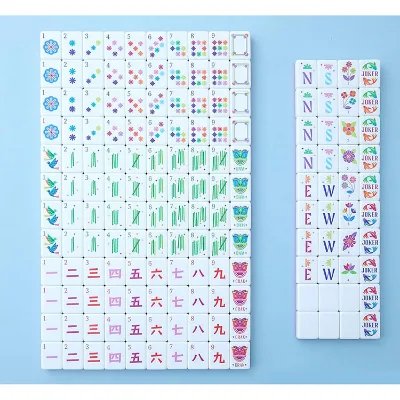
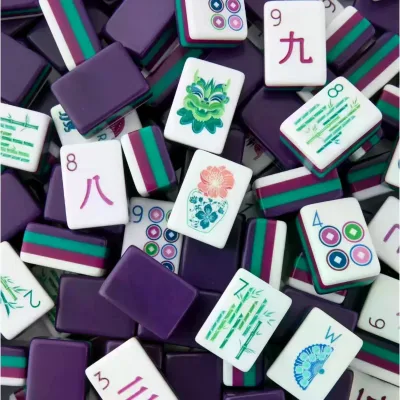
The current market for Mahjong Tiles exhibits a wide spectrum of product types, ranging from standard American-style sets to specialized mini or giant formats. Observed listings indicate a strong presence of acrylic and plastic materials, with acrylic variants often featuring laser engraving or UV printing for enhanced visual clarity and durability. These materials are particularly suited for applications in home game rooms, hotels, and travel scenarios due to their resistance to wear and environmental factors. Buyers should note that product capacities can reach up to 50,000 pieces per week, suggesting that many suppliers have robust manufacturing infrastructures capable of handling large-volume orders efficiently.
Customization is a prevalent feature in the mahjong tile market, with suppliers offering tailored solutions for logos, colors, and packaging. Products are frequently described as accepting customized logos and colors, allowing brands to create unique identity elements for their game sets. Packaging options vary from simple carton boxes to more elaborate designs, with some listings specifying shrink wrap lamination for added protection. The age range for these products spans from all ages to 14 years and up, indicating versatility in target demographics. Buyers should carefully review these signals to ensure that the selected product aligns with their intended market segment and usage context.
Technical Specifications to Verify
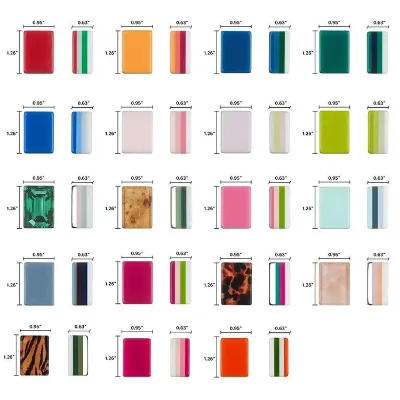
When evaluating Mahjong Tiles, buyers must verify key technical specifications such as dimensions, material composition, and production standards. Observed data suggests that tile sizes can vary significantly, with standard dimensions including 30mm x 23mm x 13mm, as well as other common sizes like 29x37mm, 31x40mm, and 33x44mm. It is crucial to confirm these measurements with the supplier, as even minor deviations can affect gameplay experience and compatibility with existing tile racks or storage solutions. Additionally, the level of difficulty associated with the game, whether beginner or intermediate, may influence the design complexity and number of tiles included in the set.
Material quality is another critical aspect that requires verification. While acrylic and plastic are common materials, buyers should inquire about the specific grade and finish of these materials to ensure durability and safety. Features such as waterproofing and die-cut precision are important for maintaining the integrity of the tiles over time. Furthermore, the font style, often simplified for readability, should be checked to ensure it meets the aesthetic and functional requirements of the end-users. Buyers should also verify the production model numbers, such as mj31529 or YH035, to track specific product iterations and ensure consistency in future orders.
Compliance and Safety Documentation
Compliance and safety documentation are essential for ensuring that Mahjong Tiles meet regulatory standards in target markets. Buyers should request certificates of conformity and material safety data sheets to verify that the products are free from harmful substances and meet local safety regulations. Although specific certification statuses are not universally disclosed, it is prudent to ask suppliers about their adherence to international standards for toy and game safety, such as ASTM F963 in the United States or EN71 in Europe. These documents provide assurance that the products have undergone rigorous testing for physical and mechanical hazards, flammability, and chemical composition.
In addition to safety certifications, buyers should verify the origin of the products and the manufacturing processes employed. Many Mahjong Tiles are produced in China, where suppliers may have varying levels of quality control and compliance with international standards. Buyers should inquire about the supplier’s quality management systems and whether they conduct regular internal audits to ensure consistent product quality. Understanding the supply chain and manufacturing practices can help buyers assess the reliability of the supplier and the likelihood of receiving products that meet their compliance requirements.
Cost Drivers and Commercial Terms
Cost drivers in the mahjong tile market include material costs, customization requirements, and order volume. Acrylic and plastic materials offer different price points based on quality and processing complexity, with laser engraving and UV printing adding to the overall cost. Customization options, such as logo printing and unique packaging, can also increase the price per unit. Buyers should negotiate commercial terms that reflect the value of these customizations and seek volume discounts for larger orders. Minimum order quantities (MOQs) typically range from 1 to 1,000 pieces, allowing flexibility for both small-scale and large-scale procurement.
Payment terms and lead times are other critical commercial considerations. Buyers should clarify the payment structure, including deposit requirements and balance payments, to manage cash flow effectively. Lead times can vary based on the complexity of the order and the supplier’s production capacity, with some suppliers offering rapid turnaround times for standard products. It is advisable to establish clear communication channels with the supplier to monitor production progress and address any potential delays promptly. Understanding these commercial terms helps buyers plan their inventory and distribution strategies more effectively.
Supplier Qualification and Quality Control
Supplier qualification is a vital step in the sourcing process, involving a thorough assessment of the supplier’s capabilities, reputation, and quality control measures. Buyers should verify the supplier’s production capacity, which can reach up to 50,000 pieces per week, to ensure they can meet demand without compromising quality. It is also important to check the supplier’s experience in manufacturing Mahjong Tiles and their ability to handle customization requests. Requesting samples before placing a bulk order allows buyers to evaluate the product quality, finish, and overall craftsmanship firsthand.
Quality control measures should be clearly defined and agreed upon with the supplier. Buyers should inquire about the supplier’s inspection processes, including pre-production, during-production, and pre-shipment inspections. Establishing clear quality standards and acceptance criteria helps ensure that the delivered products meet the buyer’s expectations. Additionally, buyers should consider implementing their own quality control checks upon receipt of the goods to verify that the products conform to the agreed specifications. This proactive approach minimizes the risk of receiving defective or non-compliant products.
Long-Term Procurement Checks
Long-term procurement checks involve continuous monitoring of supplier performance and product quality to ensure sustained value and reliability. Buyers should establish key performance indicators (KPIs) to track metrics such as on-time delivery, product defect rates, and responsiveness to issues. Regular communication with the supplier helps maintain a strong partnership and allows for timely resolution of any problems that may arise. Buyers should also stay informed about market trends and technological advancements in mahjong tile manufacturing to identify opportunities for improvement or innovation.
Periodic reviews of the supplier’s compliance and safety documentation are essential to ensure ongoing adherence to regulatory standards. Buyers should verify that the supplier continues to meet all necessary certifications and that any changes in regulations are promptly addressed. Additionally, buyers should assess the supplier’s ability to scale production and adapt to changing market demands. By maintaining a proactive and strategic approach to supplier management, buyers can build a resilient supply chain that supports their long-term business objectives.
FAQs
What customization options are available for Mahjong Tiles?
Customization is available for these acrylic Mahjong Tiles, allowing buyers to request specific designs or logos. Suppliers can apply laser engraving or UV printing to meet unique branding needs. The standard size and customized options provide flexibility for different project requirements.
Can I order Mahjong Tiles with a low minimum quantity?
Yes, the minimum order quantity ranges from 1 to 1000 pieces depending on the specific product model. This flexibility allows small businesses to test the market without committing to large stock. Buyers should verify the exact MOQ for their selected model before placing an order.
How long does it take to produce Mahjong Tiles?
Production capacity reaches 50,000 pieces per week, indicating a fast turnaround for standard orders. Lead times vary based on customization requirements and current factory workload. Buyers should confirm specific delivery schedules with the supplier to ensure timely receipt of goods.
What materials are used to make these Mahjong Tiles?
The tiles are primarily made from acrylic or plastic materials, ensuring durability and a premium feel. Some models feature specific dimensions like 30mm by 23mm by 13mm for standard play. The material choice supports various applications including home use, hotels, and travel.
Where are these Mahjong Tiles manufactured?
These products originate from China, which is a major hub for manufacturing game accessories. The location supports efficient logistics and competitive pricing for international buyers. Buyers can expect standard shipping procedures from Chinese factories to global destinations.
What packaging is used for shipping Mahjong Tiles?
Tiles are typically packed in cartons or boxes to ensure safe transport. Some items may include shrink wrap for additional protection during shipping. The packaging is designed to prevent damage while keeping the product ready for retail or direct use.
Are these Mahjong Tiles suitable for beginners?
Yes, certain models are designed with a beginner level of difficulty, making them accessible to new players. The age range covers all ages, ensuring suitability for family gatherings or educational settings. Specific game types like money and assets are included in the product line.