Source freeze-dried all natural pet treats for cats, dogs, and puppies
Find 30 listings for freeze-dried all natural pet treats featuring high protein and low fat options. Buyers can compare flavors like chicken and beef, packaging sizes, and OEM services from suppliers in China.
Key considerations
Products List
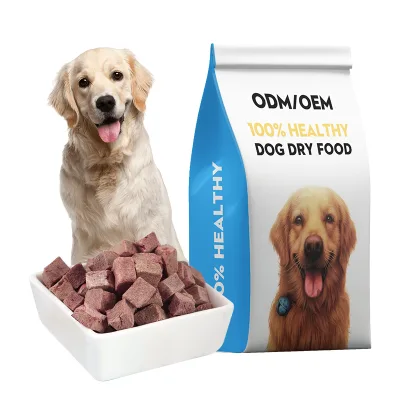


OEM Safe Reliable Pet Snack High Quality Freeze Dried Cat Treats Food
$7.50 - $17.50
MOQ: 50 Kilogram/Kilograms


Comprehensive Sourcing Guide
Strategic Sourcing Guide for Freeze-Dried All-Natural Pet Treats
Understanding Product Specifications and Variability
When sourcing freeze-dried all-natural pet treats, buyers must first navigate the inherent variability in product specifications found in the current market. The term "freeze-dried" implies a specific dehydration process that preserves nutritional integrity, yet the physical attributes of the final product vary significantly based on the manufacturer's equipment and formulation. Based on observed market data, the physical appearance of these treats is consistently described as "Dry," a direct result of the sublimation process that removes moisture while retaining the structural matrix of the raw ingredients. This dry texture is critical for shelf stability and palatability, distinguishing the product from kibble or wet food alternatives.
The specification of the product is not uniform across all suppliers. Market observations indicate that packaging and unit weights fluctuate widely. Some suppliers offer retail-ready units ranging from 200g to 499g, while others focus on bulk commercial packaging with specifications extending from 500g to 999g, or even larger industrial bags. The standard packaging formats observed include eco-friendly plastic boxes for retail distribution, 5kg bags for wholesale, and bulk options ranging from 20kg to 100kg. Furthermore, the raw material composition is a primary differentiator. While the core keyword emphasizes "all-natural," the specific protein sources vary. Commonly observed raw materials include chicken, duck, salmon, beef, and egg yolk. Some suppliers list specific standards such as "Chicken/Duck/Cod/Beef/Egg Yolk," while others highlight "100% Natural" as a material attribute, implying a lack of synthetic additives.
Buyers must also account for the diversity in product models and target applications. The market data reveals a split between treats specifically labeled for "Adult Pet" and those suitable for "Puppy Pet" or "All Ages." This distinction is vital for procurement strategies targeting specific demographics. Additionally, the flavor profiles are diverse, with options ranging from single-ingredient proteins like chicken or fish to customizable blends including salmon and beef. The "Natural Color" and "Natural Flavor" attributes are frequently cited, suggesting that the visual and olfactory appeal of the treat comes directly from the raw ingredient rather than artificial dyes or flavor enhancers.
Compliance, Certification, and Regulatory Standards
In the B2B procurement of pet food and treats, compliance is not merely a formality but a prerequisite for market entry and brand safety. The supply chain for freeze-dried treats is subject to rigorous scrutiny regarding food safety and manufacturing standards. When evaluating potential suppliers, buyers should verify the presence of internationally recognized certifications that validate the hygiene and quality control of the production facility.
Observed data indicates that high-quality manufacturers often hold a suite of certifications including HACCP, ISO9001, ISO22000, and FSSC22000. These standards cover hazard analysis, quality management systems, and food safety management, respectively. The presence of Halal certification is also a significant factor for suppliers targeting specific regional markets or religious dietary requirements. It is important to note that while these certifications are observed in the market, they are not universal; a buyer must explicitly request proof of these certifications rather than assuming their presence based on the "all-natural" marketing claim.
Beyond facility certifications, the product standards themselves must be scrutinized. The market shows a range of product standards, from specific ingredient lists like "OEM" (Original Equipment Manufacturer) formulations to defined weight standards such as 50g, 100g, 200g, 500g, and 1kg. Some suppliers adhere to strict raw material standards, listing specific proteins like chicken, duck, and salmon, while others may offer customizable standards. Buyers should verify that the supplier's internal quality standards align with the regulatory requirements of the destination market. For instance, if importing into the European Union or North America, the supplier must demonstrate compliance with local feed safety regulations, which often exceed the baseline requirements of the country of origin.
Cost Drivers and Economic Factors
The pricing structure for freeze-dried pet treats is influenced by several complex factors, primarily driven by the cost of raw materials and the energy-intensive nature of the freeze-drying process. The observed price range in the market is substantial, spanning from $0.38 to $38.00 per unit. This wide variance is not indicative of a single product tier but rather reflects differences in packaging size, ingredient quality, and order volume.
The Minimum Order Quantity (MOQ) is a critical economic driver. Market data shows an MOQ range from 20 units to 3,000 units, with some bulk suppliers requiring a minimum of 500kg. This disparity suggests that buyers must align their procurement strategy with their volume capabilities. Small retailers may find the lower MOQ options accessible but face a higher per-unit cost, whereas large distributors can leverage bulk purchasing to secure lower prices, provided they can meet the higher weight requirements.
Raw material costs are the most volatile component of the price. The use of premium proteins like salmon or specific cuts of chicken and beef directly impacts the final cost. Suppliers utilizing "100% Natural" materials without fillers will naturally command a higher price point compared to those using blends. Additionally, the "Stable Monthly Production" capability mentioned by some suppliers suggests that consistent supply chain management can mitigate price fluctuations, whereas suppliers with unstable production may face price volatility due to raw material shortages.
Typical Applications and Target Markets
The application of freeze-dried all-natural pet treats extends beyond simple snacking; they serve functional roles in pet nutrition and behavior management. The market data highlights that these products are suitable for "Adult Pet" and "Puppy Pet" applications, indicating a broad target audience. The "Everyday" season attribute suggests that these treats are designed for daily consumption rather than seasonal or occasional use.
One of the primary applications is health protection. Products are frequently marketed with features such as "High Protein Low Fat" and "Holistic" benefits. This positions freeze-dried treats as functional snacks that support specific dietary needs, such as weight management for overweight pets or muscle maintenance for active dogs. The "Protein-Rich" attribute is particularly relevant for owners seeking high-quality nutrition in a treat format.
Furthermore, the customization capabilities of these products allow for specialized applications. With "OEM & ODM" services widely accepted, suppliers can create treats tailored to specific brand identities or functional requirements. This includes customizing the flavor profile, such as offering salmon for fish-allergic pets or duck for sensitive stomachs. The "Custom Bags, Bulk & Retail Packaging Available" option further expands the application scope, allowing brands to choose packaging that fits their specific retail channel, whether it be e-commerce, brick-and-mortar pet stores, or veterinary clinics.
Supplier Evaluation and Operational Capabilities
Evaluating a supplier for freeze-dried pet treats requires a deep dive into their operational capabilities and flexibility. The market shows that many suppliers are located in China, with specific hubs in Shandong and Hebei provinces. While these locations are known for manufacturing, buyers must verify the specific capabilities of the facility beyond just the location.
A key evaluation metric is the supplier's willingness to accept customization. The data indicates that "Customization" is available and "OEM/ODM" is supported by multiple suppliers. This flexibility is crucial for brands looking to differentiate their product line. Buyers should assess the supplier's ability to handle custom specifications, such as unique shapes, sizes, or ingredient blends. The "Welcomed Accepted" status for OEM and ODM suggests a high level of flexibility, but the buyer must confirm the minimum requirements for these custom orders.
Production stability is another critical factor. The mention of "Stable Monthly Production" in the market data is a positive indicator, suggesting that the supplier has the capacity to handle consistent order volumes without significant disruption. However, buyers should also inquire about lead times and the ability to scale production during peak demand periods. The "2 Years" shelf life observed in some products is a significant advantage for logistics, allowing for longer shipping times and extended inventory holding periods. Conversely, other products list a "24 Months" shelf life, which is functionally equivalent but requires verification of the specific testing protocols used to determine this duration.
Quality Control and Long-Term Procurement Strategy
Ensuring consistent quality in freeze-dried pet treats requires a robust quality control (QC) strategy. The "All Natural" and "100% Natural" claims must be backed by rigorous testing protocols. Buyers should verify that the supplier conducts regular testing for contaminants, moisture content, and microbial load. The presence of certifications like HACCP and ISO22000 is a strong indicator of a structured QC system, but it does not replace the need for independent third-party testing, especially for the first few orders.
Long-term procurement considerations should focus on the sustainability of the supply chain. The "Eco-Friendly Plastic Box" and "Customizable" packaging options suggest that environmental considerations are becoming a priority for suppliers. Buyers should evaluate the recyclability and sustainability of the packaging materials to align with their own corporate social responsibility goals. Additionally, the "High Protein Low Fat" and "Holistic" features indicate a trend toward health-conscious pet ownership. Suppliers that can consistently deliver on these functional claims will be more valuable partners in the long run.
Buyers must also consider the potential for product evolution. As consumer preferences shift, the ability of the supplier to adapt their formulations and packaging will be essential. The "Customizable" nature of the product allows for this evolution, but it requires a supplier that is agile and responsive to market feedback. Establishing a clear communication channel and a shared understanding of quality standards will be key to a successful long-term partnership.
Summary of Key Procurement Parameters
To facilitate decision-making, the following table summarizes the key parameters observed in the market for freeze-dried all-natural pet treats. This overview is based on the aggregated data points and serves as a checklist for buyer verification.
| Parameter | Observed Range/Options | Verification Requirement |
|---|---|---|
| Raw Materials | Chicken, Duck, Salmon, Beef, Egg Yolk | Verify ingredient sourcing and purity |
| Appearance | Dry | Confirm texture and moisture content |
| Shelf Life | 2 Years / 24 Months | Request stability test reports |
| MOQ | 20 units to 3,000 units; 500kg (bulk) | Confirm minimum order thresholds |
| Certifications | HACCP, Halal, ISO9001, ISO22000, FSSC22000 | Request valid certificates |
| Packaging | Eco-Friendly Plastic Box, 5kg/Bag, Custom | Verify packaging sustainability |
| Origin | Shandong, Hebei, China | Confirm facility location and audit |
| Application | Adult Pet, Puppy Pet, All Ages | Match product to target demographic |
By adhering to these guidelines and rigorously verifying the observed parameters, buyers can navigate the complex landscape of freeze-dried pet treats with confidence, ensuring they secure high-quality, compliant, and cost-effective products for their specific market needs.
FAQs
What certifications do freeze-dried all natural pet treats manufacturers hold?
High-quality manufacturers often hold HACCP, ISO9001, ISO22000, Fssc22000, and Halal certifications. These standards validate food safety and hygiene protocols, but buyers must explicitly request proof rather than assuming their presence based on natural claims.
Can buyers customize the flavor and packaging for these pet treats?
Yes, customization is available with OEM and ODM services widely accepted by suppliers. Buyers can specify flavors like chicken, duck, or salmon and choose from eco-friendly plastic boxes, bulk bags, or custom retail packaging formats.
What is the typical shelf life for freeze-dried all natural pet treats?
The observed shelf life ranges from 24 months to 2 years depending on the specific product and packaging. This duration supports extended inventory holding and long shipping times, provided storage conditions remain stable and dry.
Which raw materials are commonly used in these freeze-dried pet snacks?
Common raw materials include chicken, duck, salmon, beef, and egg yolk, often listed as 100% natural. These proteins are used to create high-protein, low-fat treats suitable for adult and puppy pets without synthetic additives.
How does the minimum order quantity vary for these pet food products?
MOQs vary significantly, ranging from 20 units for small retailers to 3000 units or 500kg for bulk buyers. This disparity means procurement strategies must align with volume capabilities to secure optimal pricing and avoid excessive inventory costs.
Where are the primary manufacturing locations for these freeze-dried pet treats?
Primary manufacturing hubs are located in China, specifically in Shandong and Hebei provinces. Buyers should verify specific facility capabilities and certifications at these locations rather than assuming uniform quality across all regional suppliers.
What packaging options are available for retail and bulk distribution?
Available packaging includes eco-friendly plastic boxes, 5kg bags, and bulk options ranging from 20kg to 100kg. Custom bags and retail packaging are also supported to fit specific brand identities and distribution channel requirements.