Source Freestanding Vertical Earring Display for retail shops
Compare 30 Freestanding Vertical Earring Display options from verified Chinese manufacturers. Buyers can evaluate acrylic and metal models for supermarkets, specialty stores, and jewelry shops with customizable sizes and installation methods.
Key considerations
Products List


Classic Glass Slim Wide Storage Showcase Freestanding Jewelry Display Case
$180.00 - $280.00
MOQ: 5 Sets




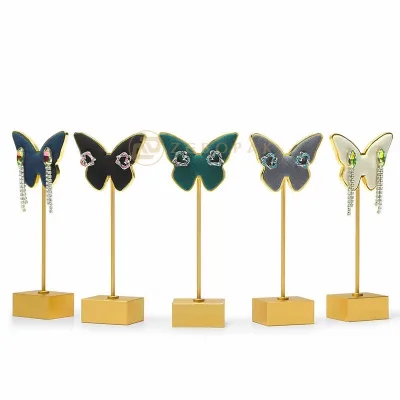
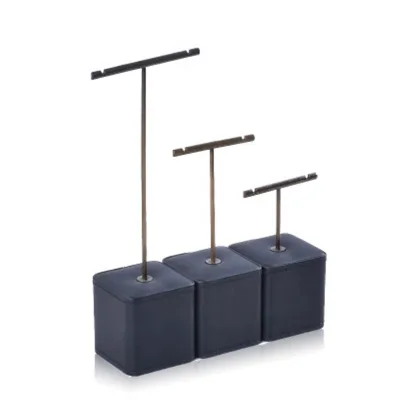
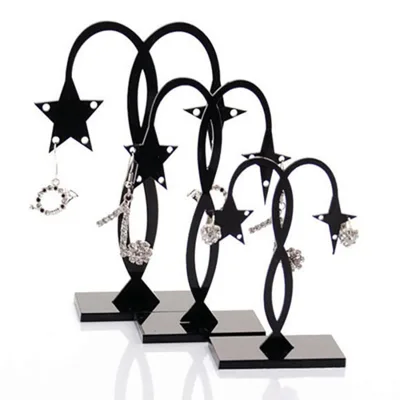
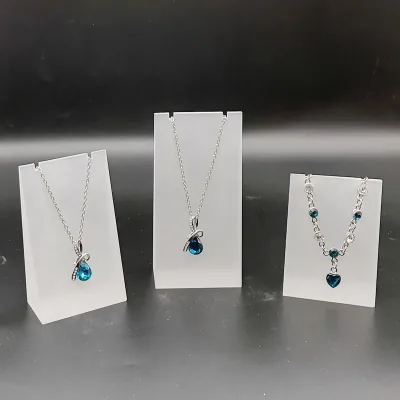
Comprehensive Sourcing Guide
Strategic Sourcing Guide for Freestanding Vertical Earring Displays
Understanding the Product Category and Core Specifications
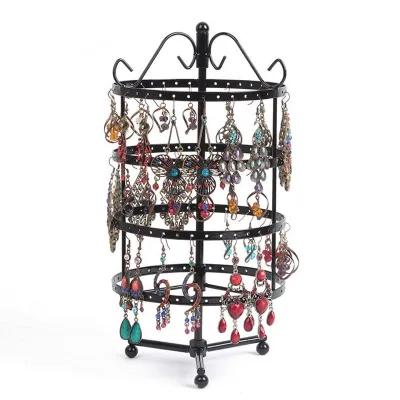
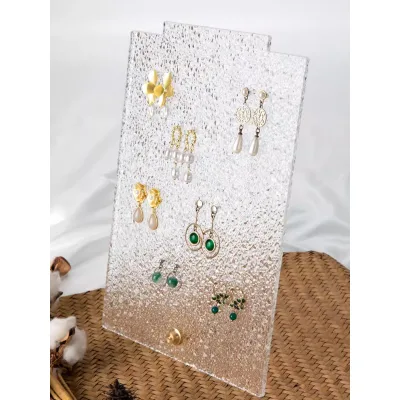
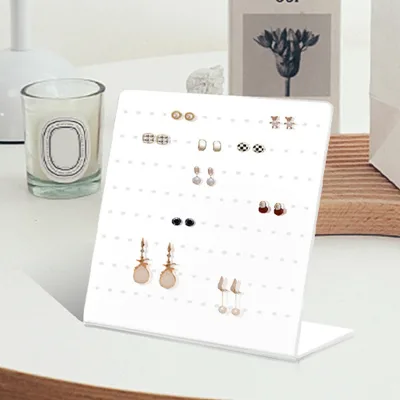
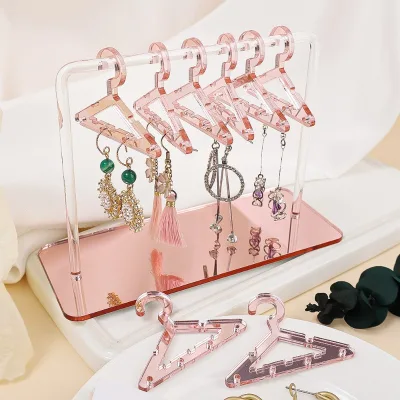
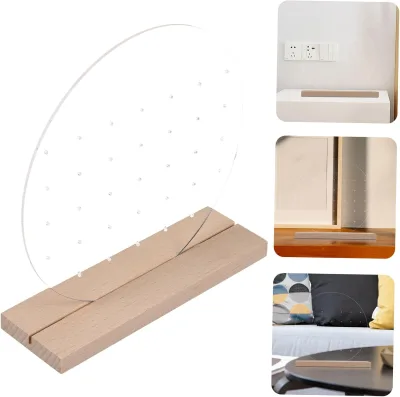
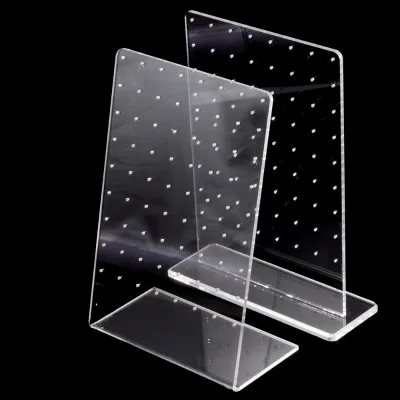
The acquisition of freestanding vertical earring displays requires a precise understanding of the product's physical attributes and intended operational environment. Based on current market data, these units are primarily categorized as acrylic display stands or specialized jewelry shop interior design elements. The core material composition frequently observed in this category is acrylic, which offers a transparent clear finish that can be customized to specific brand colors. This material choice is critical for retail environments where visibility of the merchandise is paramount. The shape of these units is predominantly round, though the vertical orientation ensures maximum floor space efficiency while maintaining a compact footprint.
Technical specifications for these displays often include a "desktop" style, indicating they can be utilized on counters, yet the "freestanding" designation confirms their ability to stand independently on the floor without external support. Installation is generally designed to be easy, with some models featuring a "connect" build method that allows for modular assembly. The product models identified in the current supply base include specific identifiers such as AC040001, JSD-2603 series variants, and JD series models like JD1137 and JD1098. These model numbers often correspond to specific dimensions or customization levels. Buyers must verify that the selected model supports the required vertical height and load-bearing capacity for the specific earring inventory they intend to showcase. The functional scope extends to exhibition shows, specialty stores, supermarkets, and retail shops, necessitating a design that is both aesthetically pleasing and durable enough for high-traffic areas.
Compliance, Certification, and Safety Verification
When sourcing freestanding vertical earring displays, buyers must navigate the landscape of compliance and safety standards carefully. While specific certification statuses like ISO 27001 are noted in broader industry contexts, they are not explicitly confirmed for every listed product in the current supply data. Consequently, buyers should not assume that a supplier automatically holds specific safety or quality certifications unless explicitly documented in the product datasheet. The primary safety concern for acrylic displays involves the structural integrity of the vertical stand and the stability of the base to prevent tipping, especially in high-traffic retail zones.
Buyers should verify the "antitheft" attributes of the display. Current observations indicate that many standard acrylic units are "Not Antitheft," meaning they do not inherently include locking mechanisms or security features. If security is a priority for high-value earring inventory, the procurement strategy must include a separate evaluation of add-on security accessories or specific models that integrate locking features. Furthermore, the "eco-friendly" and "waterproof" features observed in some product descriptions require verification. While some listings mention these features, they are not universal across all models. Buyers must request specific test data or material safety data sheets (MSDS) to confirm that the acrylic material meets local fire safety codes and environmental regulations for the destination market. The "customized sizes" standard implies that non-standard dimensions may be available, but this customization process must be validated against the structural stability requirements of the specific retail location.
Cost Drivers and Pricing Structure Analysis
The pricing structure for freestanding vertical earring displays is influenced by several distinct variables, primarily material quality, customization level, and order volume. The observed listed price range in the current market spans from 0.2 to 280 USD, a significant variance that reflects the difference between basic acrylic units and complex, custom-designed jewelry shop interior solutions. The lower end of this spectrum typically corresponds to standard, off-the-shelf models with minimal customization, while the higher end includes units with integrated LED lighting, custom branding, or specialized finishes.
A critical cost driver is the "customization" factor. The supply data indicates that customization is available for color, size, and design. However, custom orders often incur higher unit costs and may require a higher Minimum Order Quantity (MOQ). The observed MOQ range spans from 1 to 1000 units. For buyers seeking a single unit or a small pilot batch, the unit cost will likely be higher due to the lack of economies of scale. Conversely, bulk orders of 100 units or more, which is a common threshold for many suppliers, may unlock more favorable pricing tiers. The packaging method also impacts the final landed cost. Products are typically packaged in individual cartons or customized packaging, which adds to the material and labor costs. Buyers should also consider the origin of the product, with major manufacturing hubs identified in Zhejiang and Guangdong, China. Shipping costs from these regions will vary based on the weight and volume of the acrylic units, which are relatively lightweight but can be bulky.
Typical Applications and Retail Integration
Freestanding vertical earring displays are designed for versatile application across various retail and exhibition settings. The primary use cases include exhibition shows, specialty stores, supermarkets, and general retail shops. The "transparent clear" nature of the acrylic material makes these displays ideal for jewelry shops, perfume shops, and shopping malls where the visual appeal of the product is the primary sales driver. The vertical orientation allows for the display of multiple pairs of earrings in a compact area, maximizing the utility of limited floor space in busy retail environments.
The integration of these displays into a retail space often involves specific design considerations. Some models are designed to be "desktop" units, meaning they can be placed on counters, while others are "freestanding," allowing them to serve as floor-standing focal points. The "connect" build method suggests that these units can be linked together to form larger display walls or islands, which is particularly useful for large exhibitions or flagship stores. Additionally, the availability of LED lighting options, such as light spotlights or LED strip lights, allows for enhanced product presentation. Buyers should evaluate whether the specific application requires integrated lighting to highlight the sparkle of the earrings or if standard ambient lighting is sufficient. The "folded" or "unfolded" state of the product is another consideration; while some units are designed for permanent installation, others may need to be portable for temporary exhibitions or pop-up stores.
Supplier Evaluation and Sourcing Strategy
Evaluating suppliers for freestanding vertical earring displays requires a focus on their ability to deliver consistent quality and meet customization demands. The supply base includes manufacturers from China (Mainland), specifically in regions like Zhejiang and Guangdong. Buyers should verify the "place of origin" for each supplier to ensure alignment with their logistics and quality expectations. The "brand name" Ouyee is noted in the supply data, but buyers should not limit their search to a single brand. Instead, they should evaluate multiple suppliers based on their portfolio of models, such as the JSD-2603 series or the JD series.
A critical aspect of supplier evaluation is the verification of their customization capabilities. The supply data confirms that customization is available for color, size, and design. However, buyers must confirm the supplier's capacity to handle these customizations within the required lead time. The "build method" and "installation" requirements should also be discussed during the supplier selection process. Suppliers that offer "easy installation" or "freestanding" designs that do not require complex assembly will reduce the operational burden on the buyer's retail staff. Additionally, the "packing" method, whether individual cartons or customized packaging, should be assessed to ensure the products arrive in perfect condition. Buyers should request samples to verify the quality of the acrylic material, the clarity of the finish, and the stability of the base before committing to a large order.
Quality Control and Long-Term Procurement Considerations
Quality control for freestanding vertical earring displays must address the durability of the acrylic material and the stability of the vertical structure. Acrylic is prone to scratching and can become brittle over time if exposed to harsh chemicals or extreme temperatures. Buyers should establish clear quality control criteria regarding the thickness of the acrylic, the clarity of the finish, and the precision of the cut edges. The "feature" of being "waterproof" and "eco-friendly" should be validated through specific testing protocols, as these claims are not universal across all models.
Long-term procurement considerations involve the scalability of the supply chain and the availability of replacement parts. Given the "customized" nature of many orders, buyers should ensure that the supplier can reproduce the exact specifications for future orders. The "standard" of customized sizes implies that dimensions may vary, so maintaining a consistent design language across multiple orders is essential for brand consistency. Buyers should also consider the "antitheft" aspect for long-term security; if the initial purchase does not include security features, a plan for retrofitting or adding security accessories should be in place. Finally, the "lead time" for production and shipping should be factored into the procurement timeline, especially for custom orders that may require additional manufacturing time. By focusing on these quality and logistical factors, buyers can ensure a reliable supply of high-quality freestanding vertical earring displays that meet their retail needs.
Comparative Analysis of Display Models
To assist in the selection process, the following table compares key attributes of the observed product models based on the supplied data. This comparison highlights the differences in model numbers, materials, and specific features to aid in decision-making.
| Product Model | Material | Shape | Installation Type | Key Features | Customization Availability |
|---|---|---|---|---|---|
| AC040001 | Acrylic | Round | Freestanding | Transparent Clear, Easy Install | Yes (Color, Size) |
| JSD-2603 Series | Acrylic | Variable | Freestanding/Countertop | LED Lighting, Waterproof | Yes (Customized) |
| JD1137 | Acrylic | Variable | Freestanding | Carton Packing | Yes (Can be customized) |
| JD1098 | Acrylic | Variable | Freestanding | Desktop Style | Yes |
| JD1251 | Acrylic | Variable | Freestanding | Connect Build Method | Yes |
This table illustrates that while the core material (Acrylic) and general shape (Round/Variable) remain consistent, the installation methods and specific features like LED lighting vary significantly between models. Buyers should use this data to match the specific requirements of their retail environment with the appropriate model specifications.
FAQs
What materials are used for freestanding vertical earring displays?
These displays are primarily constructed from acrylic, offering a transparent clear finish. Some models allow for customized colors to match brand identity, ensuring visibility of the jewelry while maintaining a sleek aesthetic for retail environments.
Can I customize the size and color of the display stand?
Yes, customization is available for color, size, and design specifications. Buyers can request specific dimensions and colors, though this may affect the minimum order quantity and unit cost compared to standard off-the-shelf models.
Where are these acrylic display stands manufactured?
The products originate from manufacturing hubs in Zhejiang and Guangdong, China. Buyers should verify the specific place of origin for each supplier to align with their logistics expectations and quality standards for the final delivery.
What is the minimum order quantity for these displays?
The minimum order quantity ranges from one to one thousand units depending on the supplier and customization level. Standard models often have lower thresholds, while custom orders may require higher volumes to achieve favorable pricing tiers.
How are the display units packaged for shipping?
Products are typically packaged in individual cartons or customized packaging solutions. This ensures the acrylic units arrive in perfect condition, though the specific packing method should be confirmed with the supplier to manage shipping costs effectively.
Are these displays suitable for exhibition shows and retail shops?
Yes, they are designed for use in exhibition shows, specialty stores, supermarkets, and retail shops. The vertical orientation maximizes floor space efficiency while providing a stable platform for showcasing earrings in high-traffic areas.