Source Front Entrance Door for Homes, Offices, and Buildings
Explore 30 Front Entrance Door options with varying materials like steel and solid wood, featuring security functions and customizable styles. Buyers can compare specifications, pricing, and delivery times to find suitable solutions for residential or commercial projects.
Key considerations
Products List


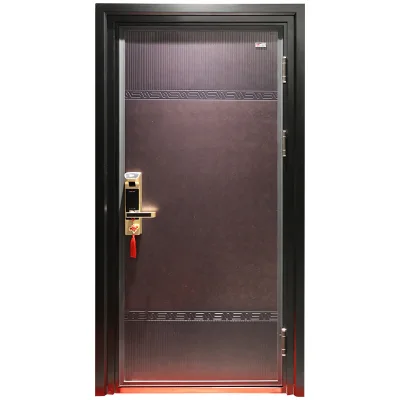
Modern Main Entrance Security Entrance House European Door Front Entrance Doors
$100.00 - $369.00
MOQ: 1 Square Meters

American Door Entry Main Exterior Entrance Double Front Entry Doors
$135.00 - $285.00
MOQ: 1 Square Meters


China Manufacturer House Front Door Designs Main Entrance Single Door
$800.00 - $1200.00
MOQ: 100 Square Meters


Front Doors for Homesinterior Doorinterior Doorsinterior Exterior Doors
$44.00 - $50.00
MOQ: 100 Pieces

Folding Doorfront Doors for Homesinterior Doorinterior Doorsinterior Exterior Doors
$27.00 - $35.00
MOQ: 200 Pieces



Comprehensive Sourcing Guide
Strategic Sourcing Guide for Front Entrance Doors
Procuring a Front Entrance Door represents a critical decision in the construction and renovation lifecycle, balancing aesthetic requirements with rigorous security and durability standards. The global market for exterior entry systems is vast, offering a spectrum of materials ranging from engineered steel to solid timber. For procurement professionals, the primary challenge lies in navigating the fragmented supply chain to identify products that meet specific technical mandates without compromising on compliance or delivery timelines. This guide synthesizes observed market data and technical attributes to provide a structured framework for evaluating potential suppliers and selecting the appropriate entry door configuration.
Technical Specifications and Material Composition
The foundation of a reliable Front Entrance Door lies in its material composition and structural specifications. Market observations indicate a divergence in product offerings, primarily categorized by the core material used. Steel doors are frequently cited for their robustness, often featuring a honeycomb paper infill or aluminum silicate core to enhance insulation and structural integrity while maintaining a manageable weight. These units typically undergo surface finishing processes such as powder coating, anodizing, or electrophoresis to ensure resistance against environmental degradation. The thickness of the door leaf is a critical metric; observed specifications highlight a standard thickness of 90mm for certain high-performance models, which contributes significantly to thermal efficiency and security.
Conversely, the solid wood segment offers a distinct aesthetic appeal. These doors are constructed from solid wood materials, often with customized wood types to suit specific design preferences. The infill material for these units may vary, but the emphasis remains on the structural integrity of the solid timber. A key technical differentiator is the presence or absence of glass. Some configurations are designed with glass panels in various tints, including green, silver, gray, tea, mirror, blue, or gold, while others are solid without glazing. The choice between glass and solid panels impacts the door's light transmission, privacy, and security profile. Buyers must verify the specific model numbers, such as LK003, ED6058, or ED6117, as these identifiers often correlate with specific dimensional standards and material compositions.
Compliance, Certification, and Safety Standards
Ensuring that a Front Entrance Door meets international and regional safety standards is non-negotiable for commercial and high-end residential projects. Certification checks should be the first step in the supplier evaluation process. Observed product data confirms the availability of doors certified under CE, SONCAP, and ISO standards. The CE mark indicates conformity with health, safety, and environmental protection standards for products sold within the European Economic Area, while SONCAP is a mandatory certification for products entering Nigeria, highlighting the importance of destination-specific compliance. ISO certification suggests adherence to quality management systems, which is a strong indicator of a supplier's commitment to consistent manufacturing processes.
Beyond certifications, the physical standards of the door must align with the intended application. Dimensional standards vary significantly; observed data includes specific sizes such as 2050860/960mm, 1950860/960mm, and 1200x2400mm. Some suppliers offer fully customizable dimensions, which requires a more rigorous verification process to ensure the custom cut does not compromise the structural integrity of the frame or the locking mechanism. Buyers should verify that the supplier can provide test reports or documentation confirming that the door meets fire resistance, wind load, and impact resistance standards relevant to the project location. The absence of a specific standard number in a product listing should prompt a direct inquiry to the supplier rather than an assumption of compliance.
Cost Drivers and Pricing Dynamics
The pricing of front entrance doors is influenced by a complex interplay of material costs, customization levels, and logistical factors. The observed price range in the market spans from $27 to $1,200 USD, a wide variance that reflects the diversity in product quality and specification. Lower-priced units often correspond to standard steel models with basic finishes and minimal customization. In contrast, the upper end of the price spectrum typically includes solid wood doors with custom finishes, specialized glass treatments, and advanced security features.
Material selection is a primary cost driver. Solid wood doors generally command a higher price point than steel alternatives due to the cost of the raw timber and the labor-intensive finishing processes required. Similarly, the choice of surface treatment—whether powder coating, anodizing, or electrophoresis—affects the final cost, with more durable and aesthetically complex treatments adding to the unit price. Customization is another significant factor; doors with custom dimensions, unique colors, or specialized hardware will incur additional charges. Buyers must also consider the Minimum Order Quantity (MOQ) requirements, which range from 1 set to 200 units. High MOQs can sometimes reduce the per-unit cost, but they also increase the initial capital outlay and inventory risk. Understanding these variables is essential for accurate budget forecasting.
Typical Applications and Functional Requirements
Front entrance doors serve multiple functional roles beyond simple access control. They are the primary barrier against the elements, requiring features such as waterproofing, sun protection, soundproofing, and rust-proofing. The observed product attributes highlight these functional requirements, indicating that modern entrance doors are engineered to withstand harsh weather conditions while maintaining acoustic insulation. This makes them suitable for a wide range of applications, from high-security commercial buildings to luxury residential complexes.
The style of the door also dictates its application. Simple and modern styles are often preferred for contemporary architectural designs, offering clean lines and minimalistic aesthetics. Classic styles, characterized by intricate detailing and traditional hardware, are better suited for heritage buildings or properties with a traditional architectural language. The opening direction, whether inward or outward, is another critical specification that must align with the building's layout and local building codes. For instance, outward-opening doors may be required in certain seismic zones or to comply with specific egress regulations. The position of the door, specifically as an exterior unit, necessitates robust hardware and sealing mechanisms to prevent air and water infiltration.
Supplier Evaluation and Operational Logistics
Selecting the right supplier requires a thorough evaluation of their operational capabilities and logistical reliability. Geographic origin is a key indicator of supply chain dynamics. Products observed in the market originate from regions such as Fuzhou, Guangdong, and other parts of China. While these regions are known for manufacturing expertise, buyers should verify the specific factory capabilities and quality control measures in place. The delivery time is another critical operational metric; standard lead times observed in the market are approximately 20 working days after the receipt of a deposit. However, this timeline can fluctuate based on the complexity of the order, the level of customization, and current supply chain conditions.
Packaging is often overlooked but plays a vital role in ensuring the product arrives in pristine condition. Observed packaging methods include carton packing, protection foam combined with heat-contracted plastic film, and plywood crates. The choice of packaging depends on the fragility of the product and the mode of transport. For large or heavy solid wood doors, plywood crates provide superior protection against impact and moisture during transit. Buyers should explicitly request packaging details in their procurement contracts to ensure that the supplier's logistics plan aligns with the product's vulnerability. Additionally, the availability of customization services should be confirmed, as many suppliers offer tailored solutions for color, dimensions, and hardware configurations.
Quality Control and Long-Term Procurement Considerations
Long-term procurement success hinges on establishing a robust quality control framework. Buyers should implement a multi-stage verification process that includes pre-production sample approval, in-process quality checks, and final inspection before shipment. The condition of the product upon arrival should be "New," as specified in the market data, but this must be verified through visual and functional testing. Key quality indicators include the smoothness of the surface finish, the integrity of the locking mechanism, and the absence of defects in the glass or wood panels.
Sustainability and maintenance are also important long-term considerations. Doors with powder-coated or anodized finishes generally require less maintenance than untreated wood, which may need periodic sealing or varnishing. The "High Cost Performance" attribute observed in some listings suggests that certain models offer a balance of durability and affordability, making them attractive for large-scale projects. However, buyers should not rely solely on marketing claims; instead, they should request detailed maintenance guidelines and warranty information from the supplier. Establishing a long-term relationship with a supplier who demonstrates a commitment to quality and after-sales support can mitigate risks associated with future repairs or replacements.
Comparative Analysis of Product Attributes
To facilitate decision-making, it is useful to compare the key attributes of different door types based on the observed data. The following table summarizes the primary distinctions between steel and solid wood options, as well as the variability in specifications and certifications.
| Attribute Category | Steel Door Options | Solid Wood Door Options | Customization & Logistics |
|---|---|---|---|
| Primary Material | Steel | Solid Wood | Customized Wood Material |
| Infilling Material | Honeycomb Paper, Aluminium Silicate | N/A (Solid Core) | Varies by Supplier |
| Surface Treatment | Powder Coated, Anodizing, Electrophoresis | Customized Color Finished | Available |
| Thickness | 90mm (Observed) | Varies (Solid Construction) | Customizable |
| Glass Options | Green, Silver, Gray, Tea, Mirror, Blue, Gold | With Glass or Without Glass | Custom Tints Available |
| Certifications | CE, SONCAP, ISO | ISO (Observed) | Verify per Order |
| Dimensions | 2050860/960, 1950860/960 | 900x2100x160, 1200x2400 | Customizable Standards |
| Packing | Carton, Foam + Film | Plywood Crate | Depends on Size/Weight |
| Lead Time | 20 Working Days | 20 Days | Subject to Deposit |
This comparison highlights that while both steel and wood doors offer robust security and aesthetic options, the decision often rests on the specific project requirements regarding insulation, weight, and maintenance. Steel doors with honeycomb or aluminum silicate cores offer excellent thermal performance and durability, making them ideal for high-traffic commercial environments. Solid wood doors, with their customizable finishes and classic appeal, are better suited for residential applications where aesthetics are paramount. Regardless of the material, the availability of customization and the strict adherence to lead times and packaging standards are universal requirements for a successful procurement process.
In conclusion, sourcing a Front Entrance Door requires a meticulous approach that balances technical specifications, compliance requirements, and logistical realities. By leveraging the observed data on certifications, materials, and dimensions, buyers can make informed decisions that align with their project goals. The wide range of options available in the market, from basic steel models to high-end solid wood doors, ensures that there is a solution for every application. However, the success of the procurement depends on rigorous supplier evaluation, clear communication of requirements, and a commitment to quality control throughout the supply chain.
FAQs
What certifications do front entrance doors typically have?
Front entrance doors often carry CE, SONCAP, and ISO certifications. These marks indicate compliance with safety standards for Europe, Nigeria, and general quality management systems respectively.
How thick are the steel Front Entrance Door leaves?
The thickness of steel door leaves is commonly observed at 90mm. This dimension contributes to structural integrity and thermal efficiency for high-performance exterior units.
Can I customize the dimensions of a Front Entrance Door?
Yes, customization of dimensions is available for many Front Entrance Door models. Suppliers can adjust sizes beyond standard options like 2050*860mm to meet specific project requirements.
What is the typical delivery time for front entrance doors?
The standard delivery time is approximately 20 working days after receiving the deposit. This timeline applies to most standard and customized orders from Chinese manufacturers.
Which materials are used for Front Entrance Door infills?
Infilling materials include honeycomb paper and aluminium silicate for steel doors. Solid wood doors utilize solid timber cores without additional infill materials.
What glass color options are available for front entrance doors?
Glass options include green, silver, gray, tea, mirror, blue, and gold tints. These colors allow buyers to select the appropriate aesthetic and light transmission for their entrance.
How much does a Front Entrance Door cost?
Prices range from 27 to 1200 USD depending on material and features. Lower costs usually reflect basic steel models, while higher prices cover solid wood and custom finishes.