Source Frozen Garlic for Food Processing, Retail, and Catering
Find 30 listings for Frozen Garlic from China. Compare IQF peeled cloves, whole bulbs, and various sizes. Check certifications like HACCP and BRC, packaging options, and MOQs for bulk sourcing needs; compare the available evidence and request quotations based on your requirements.
Updated
Key considerations
Products List
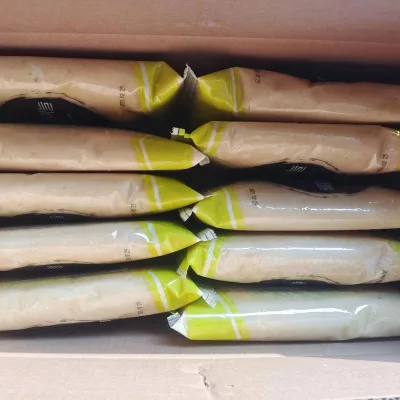
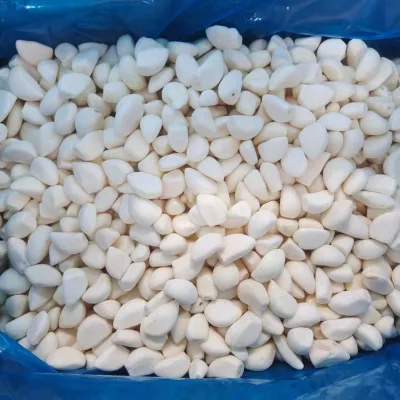
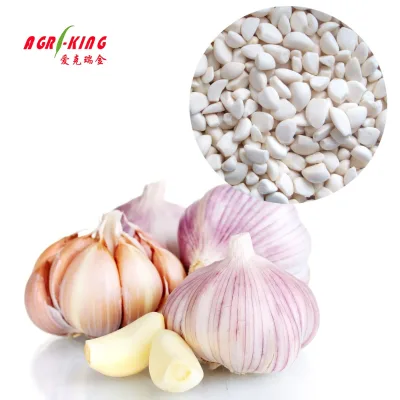
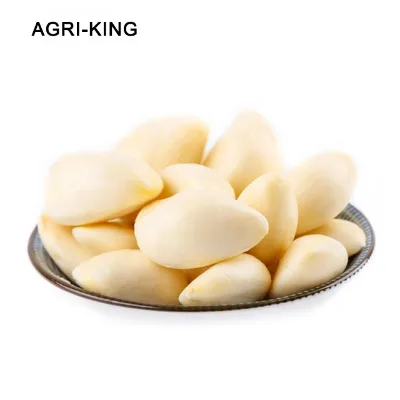






Comprehensive Sourcing Guide
Frozen Garlic Sourcing Guide
Procuring Frozen Garlic requires a strategic approach to balancing quality preservation with supply chain reliability. Buyers must navigate a market where product attributes vary significantly between suppliers, from whole cloves to peeled segments. Understanding the specific processing methods, such as IQF freezing, is essential for maintaining texture and flavor integrity during storage and transport. This guide outlines the critical verification steps needed to secure consistent supply.
The sourcing landscape for Frozen Garlic is diverse, with manufacturers offering various grades and packaging options. Key decisions involve selecting the appropriate form, whether whole, peeled, or chopped, and verifying the origin and cultivation type. Buyers should prioritize suppliers who provide transparent documentation regarding certifications and storage conditions to ensure the product meets international safety standards and culinary requirements.
Product Scope and Observed Listing Signals
The observed market for Frozen Garlic includes products ranging from whole bulbs to peeled cloves, with specific models like DCG005 and DCG003 indicating standardized industrial offerings. Listings frequently highlight attributes such as "normal white" or "pure white" varieties, cultivated in open air, which suggests a focus on natural growing conditions. The presence of bulk packaging alongside customized requests indicates flexibility in supply chain logistics, allowing buyers to tailor orders to their specific processing needs.
Weight and volume specifications vary, with some listings noting a single gross weight of 1.0 kg while others describe larger bulk units. Packaging materials range from bags and cartons to aluminum foil bags, reflecting different preservation strategies. Buyers should carefully review the stated specifications, such as grain counts per kilogram, to ensure the product size aligns with their manufacturing processes. The distinction between fresh and frozen moisture content is also a critical signal for quality assessment.
Technical Specifications to Verify
Technical verification begins with confirming the freezing process, particularly whether the product utilizes Individual Quick Freezing (IQF) technology. IQF ensures that individual cloves remain separate, preventing clumping and facilitating easier portion control during production. Buyers must also verify the storage temperature requirements, which are typically maintained below -18°C to preserve quality. The shelf life, often cited as 24 months, should be cross-referenced with actual storage conditions to prevent degradation.
Size specifications are critical for operational efficiency, with common standards including 180-220 grains/kg and 260-300 grains/kg. These metrics directly impact yield and processing speed in commercial kitchens or food manufacturing facilities. Additionally, the grade of the garlic, often labeled as Grade A, should be confirmed through visual inspection or supplier samples. The presence or absence of blanching is another technical detail that affects flavor profile and texture, requiring explicit confirmation from the supplier.
Compliance and Safety Documentation
Compliance with international food safety standards is non-negotiable for Frozen Garlic imports. Buyers should verify that suppliers hold recognized certifications such as HACCP, ISO, and BRC, which demonstrate adherence to rigorous hygiene and quality management protocols. These certifications are essential for ensuring that the product meets regulatory requirements in destination markets, particularly in regions with strict food safety laws. The presence of Halal and Kosher certifications may also be relevant for specific market segments.
Documentation must also cover the origin and cultivation practices, with Shandong Province in China being a common source. Buyers should request evidence of GAP (Good Agricultural Practices) to ensure sustainable and safe farming methods. Additionally, the manufacturer's address and factory location should be verified to assess logistical feasibility and supply chain transparency. Proper labeling and ingredient declarations, noting zero added ingredients, are crucial for accurate product identification and consumer trust.
Cost Drivers and Commercial Terms
Cost structures for Frozen Garlic are influenced by several factors, including the form of the product, packaging complexity, and order volume. MOQs can range widely, from small trial orders to large bulk purchases, impacting unit pricing and logistics costs. Buyers should negotiate terms that align with their inventory management strategies, considering the long shelf life and storage requirements of frozen goods. The choice between bulk packaging and customized solutions also affects overall expenditure.
Lead times and payment terms are critical components of the commercial agreement. Buyers must clarify production schedules to avoid supply disruptions, especially during peak seasons. The use of standard packaging materials like paper or plastic bags can reduce costs, while specialized packaging may incur additional fees. Understanding the total landed cost, including shipping and customs duties, is essential for accurate budgeting and profitability analysis.
Supplier Qualification and Quality Control
Supplier qualification involves a thorough assessment of manufacturing capabilities and quality control processes. Buyers should evaluate the supplier's ability to maintain consistent product specifications, such as grain size and color, across different batches. Factory audits, whether virtual or physical, can provide insights into hygiene standards and operational efficiency. The manufacturer's reputation and history in the industry are also important indicators of reliability.
Quality control measures should include regular testing for moisture content, microbial safety, and physical defects. Buyers must establish clear acceptance criteria for incoming goods, including visual inspections and laboratory tests if necessary. Communication channels with the supplier should be robust to address any quality issues promptly. Building a long-term relationship with a qualified supplier ensures consistent supply and reduces the risk of disruptions.
Long-Term Procurement Checks
Long-term procurement success depends on continuous monitoring of supplier performance and market trends. Buyers should regularly review supplier certifications and compliance records to ensure ongoing adherence to safety standards. Market analysis can help identify shifts in supply dynamics, such as changes in cultivation practices or processing technologies. Staying informed about regulatory changes in destination markets is also crucial for maintaining compliance.
Building a diversified supplier base can mitigate risks associated with single-source dependencies. Buyers should periodically re-evaluate their supplier portfolio to ensure it meets evolving business needs. Feedback loops with internal stakeholders, such as production and quality teams, can provide valuable insights for supplier improvement. Continuous engagement with suppliers fosters collaboration and drives innovation in product quality and service delivery.
FAQs
What certifications do the Frozen Garlic products hold?
The Frozen Garlic products hold multiple certifications including HACCP, GAP, BRC, KOSHER, FDA, ISO, and Halal. These certifications ensure the product meets international safety and quality standards for export and domestic distribution channels.
How is the Frozen Garlic processed and stored?
The garlic undergoes an IQF freezing process and is stored at temperatures below minus 18 degrees Celsius. This method preserves freshness and texture while ensuring the product remains safe for long-term storage up to 24 months.
Which specifications are available for the Frozen Garlic cloves?
Available specifications include sizes ranging from 180 to 300 grains per kilogram and various cut sizes like 3 by 3 mm or 4 by 4 mm. Buyers can also request mixed-level or whole peeled garlic based on their specific needs.
Can buyers request custom packaging for the Frozen Garlic?
Yes, customization is available for packaging materials such as bags, cartons, or aluminum foil bags. Buyers can also specify packaging according to their own requests to meet unique logistical or branding requirements for their supply chain.
Where are the Frozen Garlic factories located?
The factories are located in Shandong Province, China. This region is a known hub for agricultural production, ensuring efficient sourcing and logistics for the Frozen Garlic products supplied to international markets.
What is the shelf life of the Frozen Garlic?
The shelf life of the Frozen Garlic is 24 months when stored correctly at temperatures below minus 18 degrees Celsius. This extended shelf life allows for flexible inventory management and long-term distribution planning.