Source Frozen Fried Black Pepper Chicken for Hotels, Restaurants, and Catering
Compare 30 listings of Frozen Fried Black Pepper Chicken from Shandong, China, featuring HACCP and ISO certifications. Buyers can evaluate specifications like 1kg to 2000kg packaging, -18°C storage, and deep-fry cooking methods for hotels, fast food restaurants, and Japanese dining venues.
Key considerations
Products List




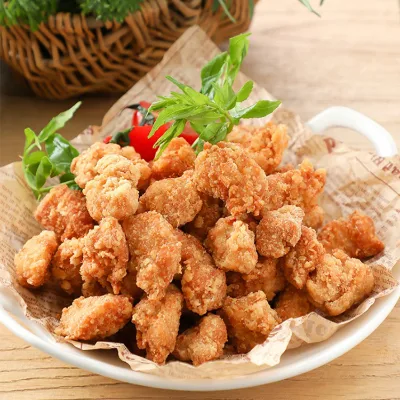
The Best-Selling Peppercorn-Flavored Popcorn Chicken in Western Restaurants
$1650.00 - $2000.00
MOQ: 10 Tons


Comprehensive Sourcing Guide
Strategic Sourcing Guide for Frozen Fried Black Pepper Chicken
Understanding Product Specifications and Technical Attributes
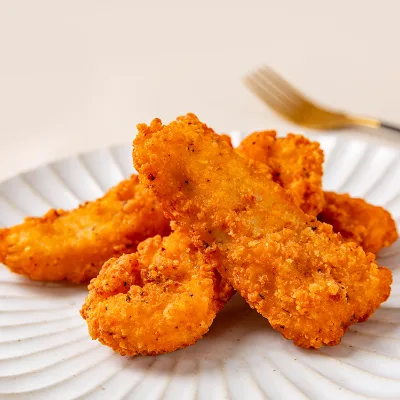
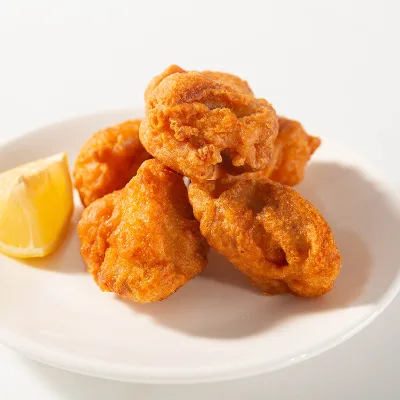
When sourcing Frozen Fried Black Pepper Chicken, buyers must first establish a clear understanding of the technical specifications that define the product's quality and suitability for their supply chain. The core product is characterized by its processing method, which is explicitly fried, followed by a freezing process to ensure preservation. This dual-process approach ensures that the chicken retains its texture and flavor profile while remaining safe for long-term storage. The product type generally falls under the category of chicken and duck preparations, with specific variations such as chicken nuggets and whole body parts available in the market.
Storage is a critical technical parameter. The required storage temperature is consistently maintained at -18 degrees Celsius, which is standard for frozen poultry products to prevent bacterial growth and maintain structural integrity. The shelf life for these products is observed to be greater than 12 months when stored under these conditions. This longevity allows for flexible inventory management, though buyers should verify the specific expiration dates on individual batches. The conditioning methods typically involve deep-frying, and the recommended cooking method for the end-user is to fry the product at 170 degrees Celsius for a duration of 3 to 5 minutes. Notably, the product is designed for convenience, often requiring no thawing prior to cooking, which streamlines operations in high-volume food service environments.
Packaging specifications vary significantly depending on the order volume and the specific product model. Common packaging configurations include single pieces weighing between 18 to 24 grams, or bulk units such as 1kg cartons containing 10 individual packs, or 2.5kg packs containing 6 units. Some suppliers offer customizable packaging options ranging from 400g to 2.5kg per unit. The packaging material is typically plastic, housed within cartons for structural support during transport. For large-scale logistics, the loading capacity is a key metric, with a standard 40-foot container capable of holding approximately 27 metric tons of product. Transportation is conducted via freezer or reefer containers to maintain the required -18 degree environment throughout the supply chain.
Compliance and Certification Verification
In the global food trade, particularly for products destined for international markets, compliance and certification are non-negotiable. Buyers must rigorously verify that their suppliers possess the necessary certifications to operate legally and safely. The observed certification landscape for frozen fried chicken products includes a robust set of standards. Key certifications frequently cited include HACCP (Hazard Analysis and Critical Control Points), which is essential for food safety management systems. Additionally, many suppliers hold BRC (British Retail Consortium) and ISO certifications, which validate their adherence to international quality management standards.
For markets with specific dietary or religious requirements, Halal and Kosher certifications are critical. The presence of these certifications indicates that the product has been processed according to specific religious guidelines, expanding the potential customer base. Furthermore, FDA (Food and Drug Administration) certification is a vital indicator of compliance with United States food safety regulations, ensuring that the product meets strict standards for ingredients and processing. Some suppliers also list Gap (Good Agricultural Practices) certification, which covers the upstream agricultural phase of the supply chain.
Buyers should not assume that all listed products automatically possess every certification mentioned in general market descriptions. Instead, the procurement strategy must involve requesting current, valid certificates for the specific product model being ordered. The verification process should include checking the scope of the certification to ensure it covers the specific manufacturing facility and product line. For instance, a BRC certification might cover the packaging facility but not the primary processing plant. Therefore, cross-referencing the certification documents with the specific product model number, such as 202409240102 or FF004, is a necessary step to ensure full compliance.
Cost Drivers and Pricing Dynamics
The pricing of Frozen Fried Black Pepper Chicken is influenced by a complex interplay of raw material costs, processing complexity, and logistical requirements. The observed price range in the market spans from 1.4 USD to 3600 USD, a wide variance that reflects differences in product specifications, order volume, and packaging formats. The lower end of the spectrum typically corresponds to smaller order quantities or standard packaging configurations, while the higher end may reflect bulk orders with custom private labeling or specialized product models.
Minimum Order Quantity (MOQ) is a significant factor in determining the unit cost. The observed MOQ range is between 3 units and 3000 units. Buyers purchasing at the lower end of the MOQ spectrum may face higher per-unit costs due to the fixed costs of production and logistics being spread over fewer units. Conversely, larger orders that approach the upper limits of the MOQ range can often negotiate more favorable pricing. The supply period is noted as being available throughout the year, which suggests that seasonal price fluctuations related to raw material availability may be less pronounced than in fresh produce markets, though global commodity prices for chicken and oil can still impact costs.
Logistics and transportation costs also play a substantial role in the final landed cost. Since the product requires frozen transport, the use of reefer containers adds a premium to the shipping cost compared to dry freight. The loading capacity of 27 metric tons per 40-foot container is a critical efficiency metric; maximizing this load can significantly reduce the per-kilogram shipping cost. Buyers should also consider the origin of the product, which is predominantly Shandong, China. Proximity to major shipping ports in this region can influence freight rates, but buyers must factor in any tariffs or import duties applicable in their destination country.
Typical Applications and Market Segments
Frozen Fried Black Pepper Chicken is a versatile product designed to meet the demands of various food service sectors. The primary applications include hotels, fast food restaurants, and Japanese restaurants, among others. The convenience of the product, which requires no thawing and minimal cooking time, makes it particularly attractive for fast food operations where speed and consistency are paramount. The ability to fry the product at 170 degrees Celsius for just 3 to 5 minutes allows for rapid service during peak hours without compromising quality.
In the hotel sector, this product serves as a reliable component for breakfast buffets, room service, or catering events. The consistent quality and long shelf life ensure that hotels can maintain a stable inventory without the risk of spoilage. For Japanese restaurants, the product's preparation method and flavor profile can be adapted to fit specific menu requirements, offering a fusion option that appeals to a broad customer base. The availability of customization, including private labeling and OEM services, allows these establishments to brand the product as their own, enhancing their market differentiation.
The product's adaptability extends to different serving styles. Whether sold as whole body parts, nuggets, or other cuts, the Frozen Fried Black Pepper Chicken can be integrated into a wide array of dishes. The "Style" attribute is listed as "Fried Chicken," indicating a broad appeal across different culinary traditions. This versatility makes it a strategic choice for buyers looking to diversify their menu offerings while maintaining operational efficiency.
Supplier Evaluation and Sourcing Strategy
Evaluating suppliers for Frozen Fried Black Pepper Chicken requires a multi-faceted approach that goes beyond price comparison. Buyers should prioritize suppliers who demonstrate transparency in their production processes and supply chain management. The origin of the product, specifically Shandong, China, is a known hub for poultry processing, but buyers must verify the specific facility's capabilities and reputation.
Key evaluation criteria include the supplier's ability to meet customization requests, such as private labeling and OEM services. The acceptance of private labels indicates a supplier's flexibility in catering to brand-specific needs. Additionally, the supplier's ability to provide consistent product models, such as the "Classic Chicken Nugget" series, is crucial for maintaining brand consistency. Buyers should also assess the supplier's logistical capabilities, ensuring they can handle the transportation of frozen goods via freezer containers and meet the delivery time of approximately 20 working days.
It is essential to verify the supplier's production capacity and supply stability. The "Supplying Period" is listed as "All The Year Throughout," which suggests a stable supply chain, but buyers should confirm this with the supplier to ensure there are no seasonal interruptions. Furthermore, the supplier's commitment to quality control should be evident through their certification portfolio and their willingness to share test results or quality assurance protocols.
Quality Control and Inspection Protocols
Quality control is paramount in the frozen food industry to ensure that the product meets safety and sensory standards. Buyers should implement a rigorous inspection protocol that covers raw material sourcing, processing, and final product testing. The processing method, which involves frying and freezing, must be strictly controlled to prevent issues such as oil oxidation or uneven cooking. The storage temperature of -18 degrees Celsius must be maintained throughout the entire supply chain, from the factory to the final destination.
Inspection should also focus on packaging integrity. The packaging material, typically plastic within cartons, must be durable enough to withstand freezing temperatures and handling during transport. Any damage to the packaging could lead to freezer burn or contamination, rendering the product unsellable. Buyers should request samples for sensory evaluation to assess the texture, flavor, and appearance of the fried chicken. The cooking method, specifically the 170-degree Celsius fry time, should be tested to ensure the product achieves the desired crispiness and doneness.
Furthermore, buyers should verify the product's adherence to the stated standards, such as the weight specifications of 18-22 grams per piece or the 1kg carton configuration. Deviations from these standards can indicate production inconsistencies. Regular audits of the supplier's facility, including checks on their HACCP and ISO compliance, are recommended to ensure ongoing adherence to quality standards.
Long-Term Procurement Considerations
Sourcing Frozen Fried Black Pepper Chicken is not just a transactional activity but a strategic partnership that requires long-term planning. Buyers should consider the scalability of their supply chain to accommodate growth. The ability of the supplier to handle large order volumes, such as the 2000kg standard or the 27mt container load, is critical for meeting increasing demand. The availability of customization options, including private labeling and OEM, allows buyers to adapt their product offerings to changing market trends without disrupting their supply chain.
Sustainability and ethical sourcing are becoming increasingly important in the food industry. Buyers should inquire about the supplier's practices regarding animal welfare, environmental impact, and waste management. While specific data on these topics may not be explicitly listed in the product facts, it is a key area for due diligence. Additionally, buyers should monitor the global market for changes in raw material costs, such as chicken prices and oil costs, which could impact the long-term pricing of the product.
Finally, maintaining a strong relationship with the supplier is essential for ensuring reliability and flexibility. Open communication regarding production schedules, quality issues, and market changes can help mitigate risks and ensure a smooth procurement process. By focusing on these long-term considerations, buyers can build a resilient supply chain that supports their business growth and meets the evolving needs of their customers.
FAQs
How long is the shelf life of Frozen Fried Black Pepper Chicken?
The shelf life exceeds 12 months when stored correctly. This longevity is achieved by maintaining a consistent storage temperature of -18 degrees Celsius to prevent bacterial growth and preserve texture.
What certifications do suppliers typically hold for this product?
Suppliers often hold HACCP, BRC, ISO, Halal, FDA, and Kosher certifications. Buyers must verify that specific certificates cover the exact product model and manufacturing facility before placing an order.
Can I customize the packaging for Frozen Fried Black Pepper Chicken?
Yes, customization is available for packaging sizes and private labeling. Options range from 400g to 2.5kg units, with bulk configurations like 1kg cartons containing 10 packs or 2.5kg packs with 6 units.
Which cooking method is recommended for the end user?
The recommended method is deep-frying at 170 degrees Celsius for 3 to 5 minutes. The product is designed for convenience and requires no thawing prior to cooking to ensure optimal crispiness.
What is the minimum order quantity for this product?
The minimum order quantity ranges from 3 to 3000 units depending on the supplier and configuration. Smaller orders may have higher per-unit costs, while larger volumes often allow for better pricing negotiations.
Where is the product origin and how is it transported?
The product originates from Shandong, China, and is transported in freezer or reefer containers. This ensures the -18 degree storage temperature is maintained throughout the supply chain to preserve quality.
How much product fits in a standard shipping container?
A 40-foot container can hold approximately 27 metric tons of this frozen chicken. Maximizing this loading capacity helps reduce the per-kilogram shipping cost for large-scale international orders.