Source Frozen Cheese Cake Mix for Parties and Events
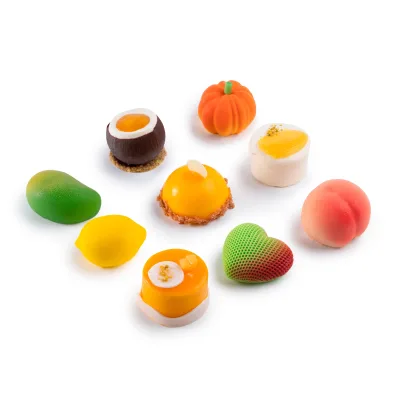
Find 30 listings for Frozen Cheese Cake Mix suitable for birthday parties, banquets, and private enjoyment. Compare options from Jiangsu, China, including mango, peach, and chocolate varieties with OEM services available; compare the available evidence and request quotations based on your requirements.
Key considerations
Products List
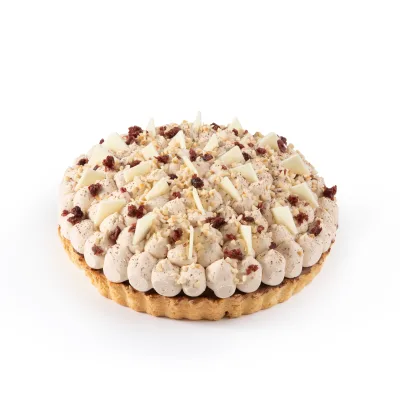
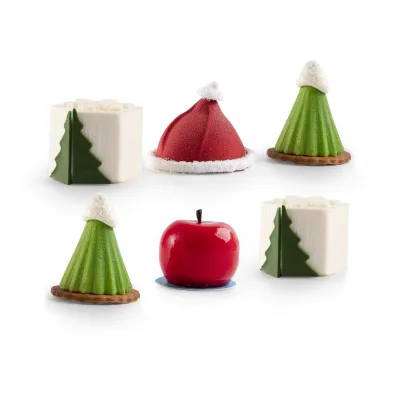


$2800.00 - $3300.00
MOQ: 20 Tons

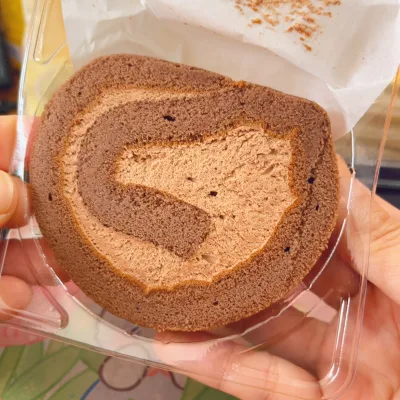


Comprehensive Sourcing Guide
Frozen Cheese Cake Mix Sourcing Guide
Procurement of frozen cheese cake mixes requires distinguishing between finished ready-to-eat products and raw mix components, as the market data indicates a prevalence of finished frozen desserts like mousse and cheesecakes. Buyers must verify whether the supplier provides a pre-mixed dough or a complete frozen unit, as the observed listings describe finished items such as mango and peach shaped mousse cakes rather than dry mix powders. This distinction fundamentally alters the storage requirements and the logistical complexity of the supply chain, necessitating a clear definition of the product form before initiating any purchase order.
The observed product attributes highlight specific flavor profiles including cheese, chocolate, cream, and various fruits like mango and peach, which suggests a diverse range of finished goods rather than a generic mix. Sourcing teams should scrutinize the ingredient lists for gelatin and food coloring to ensure alignment with dietary restrictions or regional labeling laws. Understanding that the primary product type is a frozen cake with a shelf life of twelve months when frozen helps in planning inventory turnover, while the instruction to thaw at room temperature without refreezing dictates strict handling protocols during the final delivery leg.
Product Scope and Observed Listing Signals
The market signals for frozen cheese cake products reveal a wide price range from 0.46 to 500,000 USD, indicating significant variation in product scale, packaging, and customization levels. Buyers should interpret this range as reflecting differences between single-unit samples and bulk industrial orders rather than a standard unit price for a specific SKU. The minimum order quantity (MOQ) varies from 1 to 50,000 units, with specific listings showing a baseline of 5 cartons, which implies that small-batch procurement is possible but may incur higher per-unit costs compared to full container loads.
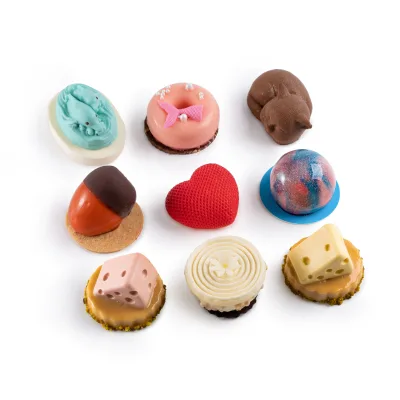
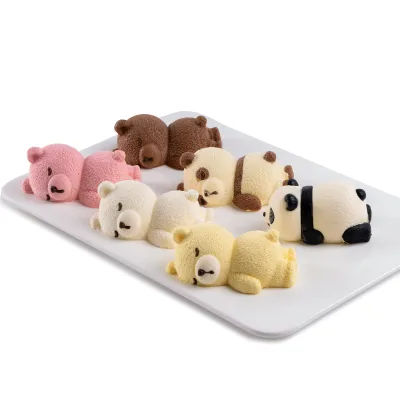
Product descriptions frequently mention specific shapes such as round or fruit-shaped designs and packaging formats like plastic boxes or cartons containing 9 to 12 pieces per box. These details are critical for buyers targeting specific retail channels or event catering needs, such as birthday parties or banquets, where presentation is paramount. The presence of OEM services suggests that suppliers are willing to customize branding and packaging, but buyers must confirm if the core product formulation remains fixed or if the mix composition can be altered to meet specific taste preferences.
Technical Specifications to Verify
Technical verification must begin with the storage temperature requirements, as the data specifies both refrigerated storage below 8°C for short-term use and frozen storage at minus 18°C for long-term preservation. Buyers need to confirm that their cold chain logistics can maintain the minus 18°C threshold consistently to ensure the twelve-month shelf life is not compromised. The instruction to keep the product fresh below 8°C for only three days highlights the fragility of the product once thawed, requiring precise coordination between delivery schedules and consumption timelines.
Weight and volume specifications are often listed as zero or variable in the provided data, necessitating a request for exact single gross weight and volume per unit to calculate accurate freight costs. The observed specifications indicate 10 to 12 boxes per carton, which is a standard palletization metric that affects warehouse space planning. Buyers should also verify the single volume in cubic centimeters to ensure compatibility with existing freezer units, as the physical dimensions of the cake and its packaging directly impact storage density and handling efficiency.
Compliance and Safety Documentation
Compliance verification should prioritize the presence of ISO2200 and HACCP certifications, which are explicitly mentioned in the product attributes and serve as foundational indicators of food safety management systems. These certifications suggest that the manufacturer, Suzhou Fulan Sweet Food Co., LTD, adheres to international standards for hazard analysis and critical control points, which is essential for importing food products into regulated markets. Buyers must request current, valid certificates from the supplier to confirm that these standards are actively maintained and not merely historical claims.
Ingredient transparency is another critical compliance area, with observed lists including cream, cheese, milk, gelatin, and food coloring. Procurement teams must ensure that the declared ingredients align with local labeling regulations and that any allergens, such as dairy or nuts, are clearly identified on the packaging. The presence of gelatin requires verification of its source, particularly for markets with specific religious or dietary restrictions, to ensure the product is suitable for the intended consumer base without violating local import laws.
Cost Drivers and Commercial Terms
Cost structures for frozen cheese cake products are heavily influenced by the MOQ and the complexity of the packaging, which ranges from simple plastic boxes to multi-layer carton systems. The observed MOQ of 5 cartons suggests a tiered pricing model where larger volumes significantly reduce the unit cost, making it vital for buyers to aggregate demand to achieve competitive pricing. Additionally, the acceptance of OEM services may introduce additional costs for custom branding, mold design, or specific flavor formulations that deviate from standard production runs.
Commercial terms must account for the specialized logistics required for frozen goods, including the need for refrigerated containers and the potential for higher freight rates compared to ambient products. The shelf life of twelve months in frozen storage offers flexibility in lead time planning, but the short three-day window for refrigerated products demands a just-in-time delivery strategy to prevent spoilage. Buyers should negotiate clear terms regarding temperature excursions and liability for product loss during transit to mitigate the financial risks associated with frozen food logistics.
Supplier Qualification and Quality Control
Supplier qualification should focus on the manufacturer's location in Jiangsu, China, specifically within the Korea Industrial Park, which may offer insights into their supply chain capabilities and regional expertise. The explicit mention of the manufacturer as Suzhou Fulan Sweet Food Co., LTD allows for direct verification of their business license and production capacity. Buyers should conduct on-site audits or request third-party inspection reports to validate the claimed certifications and ensure that the production environment meets the required hygiene and safety standards.
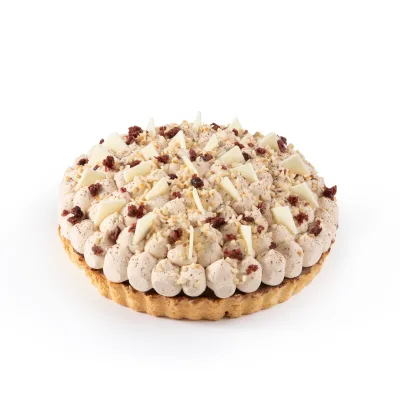
Quality control protocols must address the consistency of the product shape, flavor, and texture, as the listings describe specific varieties like frozen mascarpone cheesecakes and fruitcakes. Buyers should establish clear acceptance criteria for visual defects, such as uneven coloring or damaged packaging, and require pre-shipment inspections to verify that the product matches the agreed specifications. The observation of "Normal" features suggests standard quality, but buyers must define what constitutes acceptable variance in taste and appearance to avoid disputes upon delivery.
Long-Term Procurement Checks
Long-term procurement strategies should include regular re-verification of the supplier's certification status and production capacity to ensure continued compliance with evolving food safety regulations. The dynamic nature of the food industry requires that buyers monitor for any changes in the supplier's quality management systems or ingredient sourcing practices that could impact product integrity. Establishing a schedule for periodic audits and sample testing helps maintain a high standard of quality and ensures that the supplier remains a reliable partner over the contract duration.
Buyers must also plan for market fluctuations by maintaining a diversified supplier base or negotiating flexible volume adjustments in their contracts. The wide range of observed flavors and shapes indicates a potential for product line expansion, which can be leveraged to meet changing consumer trends without disrupting the core supply chain. Regular reviews of the product's performance in the market, including customer feedback on taste and texture, will provide valuable data to refine future procurement specifications and maintain a competitive edge in the frozen dessert sector.
FAQs
What are the main ingredients in this frozen cheese cake?
The main ingredients include cream, cheese, and milk, along with gelatin and food coloring for texture and appearance. These components create a delicious mousse-style dessert available in flavors like mango, lemon, and peach. The product is designed for immediate enjoyment or special occasions, ensuring a rich and creamy taste profile for consumers.
How should I store the Frozen Cheese Cake Mix?
Store the product in a cool place, specifically at minus 18 degrees Celsius for frozen preservation or refrigerated below 8 degrees Celsius for short-term use. The shelf life is 12 months when frozen and only 3 days when refrigerated. Proper storage ensures the cake maintains its quality and safety for consumption during the specified periods.
Can I customize the packaging for bulk orders?
Yes, OEM services are accepted for customized packaging solutions. The standard specification includes 9 pieces per box and 10 boxes per carton, or 10 pieces per box with 12 boxes per carton. This flexibility allows buyers to tailor the packaging to their specific branding needs while maintaining the integrity of the frozen dessert product.
What is the minimum order quantity for this product?
The minimum order quantity is 5 cartons. This MOQ applies to the standard Frozen Cheese Cake Mix products available from the manufacturer. Buyers should consider this requirement when planning their initial procurement to ensure they meet the supplier's baseline order threshold while securing sufficient inventory for their distribution or retail channels.
Where is the manufacturer of this frozen cake located?
The manufacturer, Suzhou Fulan Sweet Food Co., LTD, is located in the Korea Industrial Park in Jiangsu Province, China. This origin ensures access to established industrial infrastructure and logistics networks. Buyers sourcing from this location can benefit from the region's manufacturing capabilities and reliable supply chain connections for international export.
What certifications does the manufacturer hold for food safety?
The manufacturer holds ISO2200 and HACCP certifications, ensuring strict adherence to food safety standards. These credentials verify that the production processes meet international requirements for hygiene and quality control. Buyers can trust that the Frozen Cheese Cake Mix is produced in a facility that prioritizes consumer safety and regulatory compliance throughout the manufacturing process.