Source Full Automatic Paper Gathering Sorter for Printing
Find and compare 30 Full Automatic Paper Gathering Sorter models from verified suppliers. Evaluate specifications like collating speed, paper size capacity, and voltage options to select the right equipment for your production line.
Key considerations
Products List
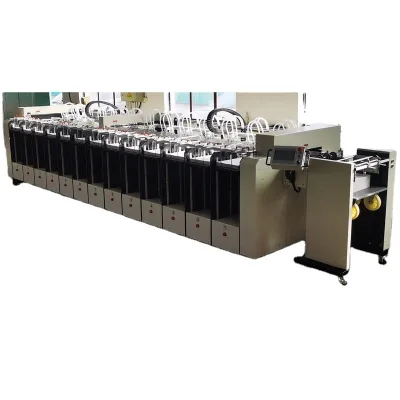
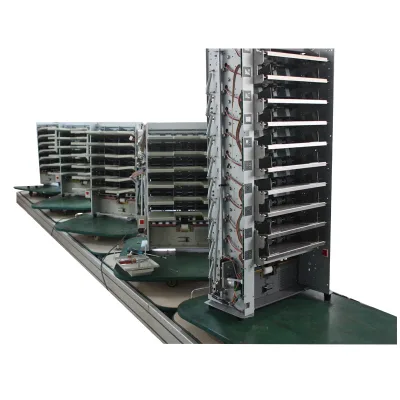
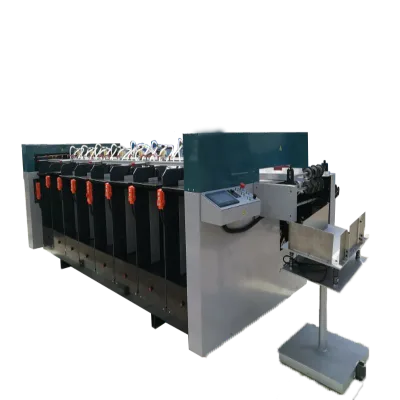

Automatic High Speed Book Paper Sorting Gathering Collating Machine
$29300.00 - $31300.00
MOQ: 1 Pieces


Paper Collating Sorting Machine for Calendar Newspaper Collator Gathering Machine for Paper
$70000.00 - $80000.00
MOQ: 1 Sets

Paper Collating Sorting Gathering Machine for Calendar Newspaper Collator Machine for Paper
$82000.00 - $90000.00
MOQ: 1 Pieces

Automatic Paper Gathering Sorting Collating Newspaper Calendar Collating Machine
$82000.00 - $90000.00
MOQ: 1 Pieces


Automated High-Speed Sorting Machine Package Sorting Line
$16900.00 - $18900.00
MOQ: 1 Sets
Hangzhou Yingjie International Intelligent Equipment Co., Ltd.


Automatic Paper Collator Machine Collating Machine Roller A4 Paper Sheet Sorting Machine
$50000.00 - $60000.00
MOQ: 1 Sets

$18000.00 - $20000.00
MOQ: 1 Pieces

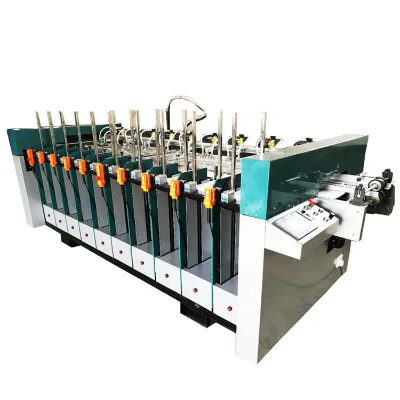
Automatic Paper Sorting Gathering Machine for Calendar Paper Collator Machine
$9267.80 - $10297.56
MOQ: 1


Comprehensive Sourcing Guide
Full Automatic Paper Gathering Sorter Sourcing Guide
Selecting the right Full Automatic Paper Gathering Sorter requires a clear understanding of how these machines integrate into high-volume document processing workflows. These systems are designed to automate the collation, sorting, and stacking of printed materials, significantly reducing manual labor and increasing throughput consistency. Buyers must evaluate whether the machine’s specific mechanical design aligns with their production volume, paper weight variations, and required output formats. The decision often hinges on balancing speed capabilities with the flexibility to handle different paper sizes and thicknesses without frequent downtime for adjustments.
Procurement teams should approach this category by distinguishing between basic gathering units and complex, multi-station collating systems. The market offers a range of configurations, from simple friction-roller models to advanced air-suction systems with customizable station counts. Understanding the distinction between these technologies is critical for matching equipment to specific operational needs. For instance, air-suction mechanisms may offer superior handling for lightweight or delicate papers, while friction rollers might be preferred for heavier stock or simpler collating tasks. This foundational knowledge helps buyers avoid over-specifying or under-specifying their requirements during the initial sourcing phase.
Product Scope and Observed Listing Signals
The current market landscape for full automatic paper gathering sorters reveals a diverse array of product listings with varying specifications and price points. Observed data indicates a price range spanning from approximately $666 to $90,000 USD, reflecting the significant variance in machine complexity, automation level, and brand positioning. This wide spectrum suggests that buyers can find entry-level solutions for small-scale operations as well as industrial-grade systems for large publishing or logistics centers. The minimum order quantity (MOQ) typically ranges from 1 to 5 units, indicating that most suppliers are willing to accommodate single-unit purchases for pilot testing or small business needs.
Product attributes observed in listings highlight key differentiators such as automatic grade, voltage requirements, and core components. Many machines are marketed as "full automatic" or "automatic," driven by electric motors and featuring PLC controls from reputable brands like ABB. Voltage specifications vary, with some units operating on 380V for industrial power grids and others on 110/220V for standard commercial outlets. Additionally, the presence of features like online video technical support and a one-year warranty provides a baseline level of assurance for buyers. These signals help buyers quickly filter listings based on their immediate technical constraints and support expectations.
Technical Specifications to Verify
When evaluating technical specifications, buyers must prioritize the machine’s capacity to handle specific paper dimensions and weights. Key parameters to verify include the minimum and maximum collating paper sizes, which can range from small formats like 75105mm to large formats up to 592882mm. The working width is another critical dimension, with observed values ranging from 700mm to 1270mm, directly impacting the machine’s ability to process wide documents or multiple sheets simultaneously. Buyers should also check the paper thickness tolerance, which varies significantly across models, with some handling 30-1000gsm and others limited to 55-120gsm, ensuring compatibility with their specific print materials.
Throughput and stacking capabilities are equally important for maintaining production efficiency. Production capacity figures observed in listings range from 50 sheets per minute to 3000 sheets per hour, depending on the model’s complexity and station count. Buyers should verify the stacking device type, such as cross-collating mechanisms, and the stacking capacity, which can hold up to 600 sheets. Additionally, the number of collating stations, which can be customized or fixed at counts like 10, determines the machine’s ability to handle complex multi-part documents. Verifying these metrics against actual production demands prevents bottlenecks and ensures the selected machine meets long-term volume requirements.
Compliance and Safety Documentation
Safety and compliance documentation are essential for integrating full automatic paper gathering sorters into regulated work environments. Buyers should request machinery test reports and certification documents to verify that the equipment meets local safety standards. While some listings mention CE certification, buyers must confirm the validity and scope of these certifications, as compliance requirements vary by region and application. Ensuring that the machine’s electrical components, such as the PLC and motor, adhere to relevant safety norms is crucial for preventing operational hazards and ensuring worker safety.
Documentation should also cover the machine’s operational parameters and maintenance requirements. Buyers need to verify the voltage compatibility and power consumption, which can range from 6000W for larger units to lower outputs for smaller models. Understanding the machine’s weight and dimensions, including single package sizes and gross weights, is vital for planning installation and logistics. Additionally, buyers should inquire about the availability of detailed user manuals and technical diagrams, which are necessary for proper operation and troubleshooting. Comprehensive documentation reduces the risk of misoperation and facilitates smoother integration into existing workflows.
Cost Drivers and Commercial Terms
Several factors influence the total cost of ownership for full automatic paper gathering sorters, including the machine’s automation level, brand reputation, and included features. High-end models with customizable stations, advanced PLC controls, and premium components like ABB motors command higher prices. Conversely, basic models with fixed specifications and standard components offer more affordable entry points. Buyers should also consider the cost of additional accessories, such as stitching fold units or specialized stacking devices, which may be offered as optional add-ons and can significantly impact the final price.
Commercial terms and after-sales support play a crucial role in the overall value proposition. Buyers should negotiate clear warranty terms, typically ranging from one year, and verify the availability of spare parts and technical support. Online video technical support is a common offering, but buyers should assess the responsiveness and expertise of the support team. Additionally, understanding the lead times for production and delivery is essential for planning procurement cycles. Buyers should also clarify payment terms and shipping responsibilities to avoid unexpected costs and ensure a smooth transaction process.
Supplier Qualification and Quality Control
Evaluating supplier qualification is a critical step in mitigating procurement risks for full automatic paper gathering sorters. Buyers should verify the supplier’s place of origin, with many manufacturers located in industrial hubs like Shanghai, China, known for their expertise in machinery production. Assessing the supplier’s production capacity, which can range from 1800 sets per hour for individual machines to larger batch capacities, helps gauge their ability to meet demand. Buyers should also review the supplier’s track record in providing machinery test reports and other quality assurance documentation to ensure product reliability.
Quality control processes should be transparent and rigorous. Buyers should inquire about the supplier’s manufacturing standards, including the use of certified components and adherence to quality management systems. Verifying the supplier’s ability to provide customized solutions, such as adjustable station counts or specific voltage configurations, demonstrates their technical flexibility and customer focus. Additionally, buyers should assess the supplier’s commitment to post-sale service, including the availability of training and maintenance support. A qualified supplier will provide comprehensive documentation and demonstrate a clear understanding of the buyer’s specific operational needs.
Long-Term Procurement Checks
Long-term procurement success depends on the machine’s durability and the supplier’s ability to provide ongoing support. Buyers should prioritize machines with key selling points such as long service life and robust construction, which minimize downtime and maintenance costs. Verifying the warranty terms and the supplier’s policy for handling defects or breakdowns is essential for protecting the investment. Buyers should also consider the availability of upgrade paths, such as adding new stations or integrating with other automated systems, to ensure the machine can adapt to evolving production requirements.
Regular maintenance and performance monitoring are vital for sustaining optimal operation. Buyers should establish a preventive maintenance schedule based on the manufacturer’s recommendations, including routine checks of the motor, PLC, and mechanical components. Tracking performance metrics, such as collating speed and stacking accuracy, helps identify potential issues before they lead to significant disruptions. Additionally, maintaining open communication with the supplier for technical updates and spare part availability ensures that the machine remains a reliable asset in the long run. Proactive management of these factors maximizes the return on investment and supports continuous operational efficiency.
FAQs
What is the working width of the EASYSTAR paper collator?
The working width is 800mm for the standard model, while other configurations offer 700mm or 1270mm options. This dimension determines the maximum paper size the machine can process during the collating operation.
Can the machine handle paper thickness up to 1000gsm?
Yes, the machine supports paper thickness ranging from 30 to 1000gsm for specific models. Other variants are rated for 55 to 120gsm, so verify the specific model number before ordering to ensure compatibility.
How fast can the automatic gathering machine operate?
The collating speed reaches 2500 to 3000 sheets per hour for high-capacity units. Some models operate at 50 sheets per minute, depending on the specific configuration and stacking device selected.
Which PLC brand is used in the EASYSTAR machine?
The machine utilizes an ABB PLC brand for its control system. This ensures reliable automation and precise operation for the Full Automatic Paper Gathering Sorter across various production environments.
What is the warranty period for this equipment?
The standard warranty period is 1 Year for the machine. Buyers also receive online video technical support as part of the after-sales service provided by the manufacturer.
Can the number of stations be customized for this sorter?
Yes, the number of stations can be customized to meet specific production needs. The machine also features a stacking capacity of 250 sheets per station or up to 600 sheets depending on the setup.
What is the voltage requirement for the machine?
The machine operates on 380V voltage for industrial use, while other models support 110/220V. Ensure your facility power supply matches the specific voltage requirement of the selected unit.