Source Full Automatic Popcorn Making Machine for Candy Popcorn Chocolate
Compare 30 full automatic popcorn making machines from suppliers in China. Buyers can evaluate electric and gas power sources, capacities from 55 to 135kg, and certifications like ISO and CE for candy, popcorn, and chocolate production.
Key considerations
Products List

China Automatic Popcorn Making Machine Industrial Large Popcorn Machine
$6300.00 - $6500.00
MOQ: 1 Pieces

High Quality Popcorn Maker Popcorn Machine Automatic Electric Popcorn Making Machine
$6300.00 - $6500.00
MOQ: 1 Pieces

Hot Selling Fully Automatic Kettle Popcorn Making Machine with Low Price
$5000.00 - $6500.00
MOQ: 1 Pieces


Factory Supplier Commercial Popcorn Machine Automatic Popcorn Making Machine
$6300.00 - $6500.00
MOQ: 1 Pieces

Commercial Electric Popcorn Machine Automatic Popcorn Production Line
$5800.00 - $6000.00
MOQ: 1 Pieces


Fully Automatic Popcorn Making Machine Industrial Pop Corn Production Line on Sale
$6000.00 - $30000.00
MOQ: 1 Pieces


110-220 Voltage Easy to Operate Snack Popcorn Making Machine for Movie Theater
$55.00 - $65.00
MOQ: 10 Pieces



Comprehensive Sourcing Guide
Strategic Sourcing Guide for Full Automatic Popcorn Making Machines
Technical Specifications and Operational Capabilities
When evaluating a Full Automatic Popcorn Making Machine, the primary focus must be on the integration of automation levels, power sources, and processing mechanisms. The market offers machines categorized by their automatic grade, ranging from fully automatic systems to semi-automatic units. Buyers should verify the specific "Automatic Grade" listed in product documentation, as this dictates the level of human intervention required during the production cycle. The core functionality centers on thermal processing, a method essential for expanding popcorn kernels through controlled heat application.
Power source compatibility is a critical technical variable. Sourcing data indicates the availability of machines powered by electricity, gas, or intelligent hybrid systems. For facilities with established electrical infrastructure, electric models with motor powers typically ranging from 1.5 kW to 2.2 kW are common. Conversely, gas-powered units or those labeled as "Gas/Electric/Intelligence" offer flexibility for locations where gas lines are accessible or where energy efficiency is a priority. The specific model designation, such as DC-90, RQB 70, or VIC-828, often correlates with these power configurations and should be cross-referenced against the facility's utility capacity.
Capacity and throughput are equally vital. Operational data suggests a capacity range of 55 to 135 kg per batch or hour, depending on the specific model and configuration. Buyers must align this output with their projected sales volume. The physical dimensions of the machinery also vary; some units are specified with a diameter of 700mm or 900mm, while others have overall dimensions around 850mm by 600mm by 1800mm. The construction material is predominantly SUS304 or 304 Stainless Steel, ensuring durability and compliance with food safety hygiene standards. Operating temperatures can reach up to 250 degrees Celsius, a parameter that must be managed by the machine's control system to ensure consistent popping quality without burning the product.
Compliance, Certification, and Safety Standards
Navigating the regulatory landscape is essential for international procurement. While specific certification statuses vary by manufacturer, the presence of recognized quality marks is a strong indicator of compliance. Product listings frequently reference certifications such as ISO, CE, and SGS. These marks suggest adherence to international quality management systems and safety protocols. However, buyers must treat these as observations of specific listings rather than universal guarantees for every unit in the category.
Standard verification is another layer of compliance. Some specifications reference a standard of 750 kg or 100-200 L, which likely pertains to batch size or tank capacity rather than a safety standard. Buyers should explicitly request the specific safety standards the machine meets, such as electrical safety norms or pressure vessel regulations if applicable. The availability of an English manual is a significant factor for non-local buyers, ensuring that operational procedures and safety warnings are accessible. Additionally, the condition of the equipment, typically listed as "New," should be verified to ensure it has not been refurbished or previously used, which could impact warranty validity and safety.
Cost Drivers and Pricing Variables
The pricing for full automatic popcorn making machines exhibits a wide variance, with observed ranges spanning from 55 USD to 50,000 USD. This broad spectrum is driven by several distinct factors. The primary cost driver is the level of automation and the sophistication of the control system. Machines labeled with "Intelligence" or those featuring advanced automation grades command higher prices due to the reduced labor requirement and increased consistency.
Material composition significantly influences cost. Units constructed entirely from 304 Stainless Steel or Alloy and toughened glasses are generally more expensive than those with mixed material construction, as these materials offer superior corrosion resistance and longevity. The power source also plays a role; specialized gas-electric hybrid systems or high-power electric motors (e.g., 3 kW or higher) may increase the base price. Furthermore, the packaging method, such as "Wooden Package for Overseas Shipment" or "Wooden Case," adds to the final cost but is necessary for protecting the machinery during ocean freight.
The Minimum Order Quantity (MOQ) is another financial consideration. Observed MOQs range from 1 to 100 units. Buyers purchasing a single unit for a small business or testing phase will face different per-unit economics compared to those ordering in bulk. The "Customized" attribute is a major cost variable; machines tailored to specific dimensions, capacities, or branding requirements will incur additional engineering and manufacturing costs compared to standard off-the-shelf models.
Typical Applications and Production Versatility
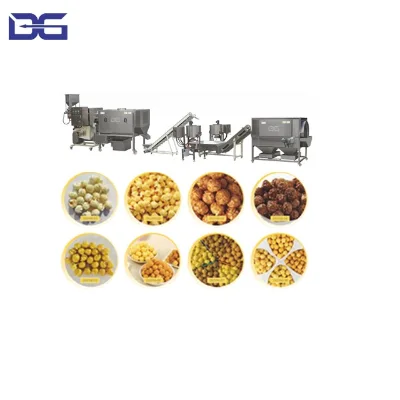
While the core keyword focuses on popcorn, the versatility of these machines often extends to other confectionery applications. Product attributes indicate that many units are designed for multi-functionality, capable of processing Candy, Popcorn, and Chocolate. This versatility allows buyers to maximize the utility of the equipment across different product lines. The "Application" field often lists "Popcorn" as the primary function, but the "Function" attribute explicitly mentions "Popcorn Making" alongside broader confectionery capabilities.
The thermal processing method is the underlying technology that enables this versatility. By controlling temperature and agitation, the same machine can be adapted to melt chocolate, coat candies, or pop corn. This adaptability is particularly valuable for small to medium-sized enterprises that require flexible production lines. The "Easy Operation" feature is highlighted in several listings, suggesting that the transition between different product types is streamlined, reducing the learning curve for operators.
Supplier Evaluation and Geographic Considerations
Identifying the right supplier requires a careful assessment of their location and service capabilities. The origin of these machines is predominantly China, with specific hubs noted in Zhucheng, Shandong, and Shanghai. Buyers should verify the exact location of the manufacturer, as proximity to ports can influence shipping logistics and lead times. The "prod_packing" attribute, which often specifies "Ocean Freight" or "Wooden Cased by Sea," confirms that these machines are designed for international export.
Supplier evaluation should extend beyond the product itself to include after-sales support. A critical attribute to verify is "After-Sales Service Provided," with many suppliers offering "Engineers Available to Service Machinery Overseas." This service is crucial for maintaining operational continuity, especially for complex automatic machines. Buyers should confirm the scope of this service, including response times, travel costs, and the availability of spare parts. The presence of an English manual is a strong indicator of a supplier's commitment to international clients, facilitating easier troubleshooting and maintenance.
Quality Control and Long-Term Procurement Strategy
Ensuring long-term reliability requires a robust quality control strategy. Buyers should prioritize machines that explicitly state "High Quality" and "New" condition. The use of SUS304 or 304 Stainless Steel is a baseline requirement for food-grade equipment, ensuring that the machine does not contaminate the product and can withstand rigorous cleaning. The "Automatic Grade" should be matched to the buyer's operational capacity; a fully automatic machine reduces labor costs but may require more sophisticated maintenance.
Long-term procurement considerations include the durability of the machine's components and the availability of replacement parts. The "Weight" of the machine, observed at 16 kg for some models, provides an indication of its build density and stability. Heavier units may offer better vibration damping during operation. Buyers should also consider the "Standard" specifications, such as the 750 kg or 100-200 L capacities, to ensure the machine meets future production scaling needs.
Summary of Key Selection Criteria
To facilitate a structured decision-making process, the following table summarizes the critical attributes buyers should verify when sourcing a Full Automatic Popcorn Making Machine. This comparison highlights the variability in specifications and the importance of matching machine capabilities to specific business needs.
| Attribute Category | Key Verification Points | Typical Observed Values |
|---|---|---|
| Automation Level | Automatic Grade | Automatic, Semi-Automatic |
| Power Source | Electrical vs. Gas | Electric, Gas, Gas/Electric/Intelligence |
| Motor Power | Wattage/Kilowattage | 1.5/2.2 kW, 3 kW |
| Capacity | Output per batch/hour | 55-135 kg, 100-200 L |
| Material | Construction Quality | SUS304, 304 Stainless Steel |
| Dimensions | Physical Footprint | 700/900mm Diameter, 8506001800mm |
| Certification | Safety & Quality Marks | ISO, CE, SGS (Verify per listing) |
| Packaging | Export Readiness | Wooden Package, Wooden Case, Ocean Freight |
| Service | Support Availability | Engineers Available Overseas |
| Language | Documentation | English Manual (Yes/No) |
In conclusion, sourcing a Full Automatic Popcorn Making Machine requires a meticulous review of technical specifications, certification status, and supplier support capabilities. By focusing on the verified attributes provided in product listings and avoiding assumptions about unlisted standards, buyers can make informed decisions that align with their operational goals and quality requirements. The wide range of options, from basic electric models to intelligent hybrid systems, allows for a tailored approach to confectionery production.
FAQs
What power sources are available for full automatic popcorn making machines?
Machines are available with electric, gas, or intelligent hybrid power sources. Specific models may feature motor powers ranging from 1.5 to 2.2 kW, while others operate at 3 kW or utilize gas systems for flexible energy requirements.
Which certifications do these popcorn machines typically hold?
Product listings frequently reference ISO, CE, and SGS certifications as indicators of compliance. Buyers should verify specific certification statuses per listing, as these marks suggest adherence to international quality and safety protocols.
Can these machines handle applications beyond just popcorn?
Yes, many units are designed for multi-functionality to process candy and chocolate alongside popcorn. The thermal processing method allows adaptation for melting chocolate or coating candies, offering versatility for confectionery production lines.
What is the typical capacity range for these automatic machines?
Operational data suggests a capacity range of 55 to 135 kg per batch or hour depending on the model. Some specifications also reference tank capacities between 100 and 200 liters for different production scales.
How are these machines packaged for overseas shipment?
Machines are typically shipped in wooden packages, wooden cases, or ocean freight containers to ensure protection. This packaging method is standard for international export to prevent damage during transit and handling.
Are customized options available for these popcorn making machines?
Customization is available for machines tailored to specific dimensions, capacities, or branding requirements. Buyers should note that customized units may incur additional engineering costs compared to standard off-the-shelf models.
What materials are used to construct these popcorn machines?
Construction materials predominantly include SUS304 or 304 Stainless Steel to ensure food safety and durability. Some units also utilize alloy and toughened glasses for specific components requiring high heat resistance.
What after-sales support is provided for these machines?
Many suppliers offer engineers available to service machinery overseas to maintain operational continuity. Buyers should confirm the scope of this service, including response times and spare parts availability for long-term reliability.