Source Full Automatic SMT Chip Mounter for Electronics
Find 28 Full Automatic SMT Chip Mounter options for electronics assembly. Compare high-speed models like XP243E and NXT series from Japan and China. Check prices, specs, and delivery times for your production needs; compare the available evidence and request quotations based on your requirements.
Key considerations
Products List

Adjustable Parameters Humidity Resistance and Stable Used SMT Chip Mounter
$13000.00 - $21000.00
MOQ: 1 module


Wide Compatibility SMT Assembly Equipment LED Chip Mounter with Operator Protection
$13000.00 - $21000.00
MOQ: 1 module


Low Cost Flexible Exact Used SMT Placement Solution PCB Chip Mounter
$10000.00 - $21000.00
MOQ: 1 module

Seamlessly Integrated PCB Chip Mounter for Precision Component Placement
$8500.00 - $13500.00
MOQ: 1 module


Chip Mounter for PCB and LED Production Line Pick and Place Machine SMT Line
$68500.00 - $75000.00
MOQ: 1 Sets


Chip Mounter LED SMT Pick and Place Machine for SMT Production PCB Assembly Machine
$5000.00 - $65000.00
MOQ: 1 Pieces

Automatic SMT Pick and Place Machine LED Chip Mounter PCB Making Machine
$18000.00 - $20000.00
MOQ: 1 Pieces


Comprehensive Sourcing Guide
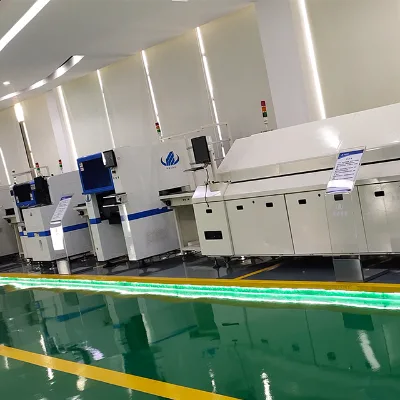
Full Automatic SMT Chip Mounter Sourcing Guide
The Full Automatic SMT Chip Mounter represents a critical investment for high-volume electronics manufacturing, designed to automate the placement of surface-mount components onto printed circuit boards with exceptional speed and precision. Buyers must distinguish between new units and refurbished equipment, as the observed market offers both conditions with varying warranty terms and performance expectations. Understanding the specific model lineage, such as the XP243E or various NXT series, is essential for aligning machine capabilities with current production requirements.
Procurement decisions should prioritize the operational environment and the specific component mix to be handled, as different models like the SM 481 Plus or Fuzion offer distinct head configurations and placement rates. The observed availability of high-speed and high-precision variants indicates that buyers can source machines tailored for either rapid throughput or intricate, fine-pitch assembly tasks. Evaluating the adaptation capabilities of these SMT placement machines ensures they integrate seamlessly into existing production lines without requiring extensive retooling or process adjustments.
Product Scope and Observed Listing Signals
Market listings for full automatic SMT chip mounters reveal a diverse range of conditions, from brand-new units to used equipment that has undergone rigorous testing. The observed data indicates that some suppliers offer a 12-month warranty on used machines, while new units may carry different coverage terms, necessitating a careful review of the specific condition and warranty status before purchase. This variation in product condition directly impacts the total cost of ownership and the immediate readiness of the equipment for deployment.
Buyers should also note the significant variation in packaging standards, which range from standard export wooden cases to specialized carton boxes with fine foam protection. These packaging differences often reflect the origin of the machine, with units from Japan, America, and China utilizing distinct shipping protocols to ensure safe transit. Verifying the specific packing method is crucial for logistics planning, as improper packaging can lead to damage during international shipping, particularly for heavy machinery weighing over a ton.
Technical Specifications to Verify
When evaluating technical specifications, the delivery time and operational speed are primary indicators of a machine's readiness and efficiency. The observed market shows delivery times ranging from immediate availability to approximately 15 days, with some suppliers offering expedited shipping windows of 1-7 days for specific models. Buyers must align these lead times with their production schedules, ensuring that the machine arrives before the planned start of a new manufacturing run to avoid costly downtime.
Precision and head quantity are equally critical factors that define the machine's capability to handle complex assembly tasks. Models like the SM 481 Plus feature an 8-head configuration, which significantly influences placement speed and flexibility. Additionally, the standard weight and dimensions, such as the 1650x1680x1530mm footprint for certain units, must be verified against the available floor space in the factory. Confirming these physical and operational parameters prevents costly integration errors and ensures the machine fits the intended production cell.
Compliance and Safety Documentation
Compliance with international safety and environmental standards is a non-negotiable aspect of sourcing industrial automation equipment. The observed listings frequently cite certifications such as CE, ISO, RoHS, FDA, PSE, and CCC, which indicate adherence to specific regional safety and environmental regulations. Buyers must verify that the specific unit they intend to purchase carries the necessary certifications for their target market, as missing documentation can lead to customs delays or legal liabilities upon installation.
Beyond general certifications, the quality assurance processes employed by the supplier play a vital role in ensuring the machine's reliability. Many listings emphasize that units are 100% tested before shipment, a claim that should be substantiated with detailed test reports or inspection certificates. This verification step is essential for mitigating the risk of receiving equipment with latent defects, ensuring that the machine meets the rigorous performance standards required for high-speed, high-precision SMT assembly operations.
Cost Drivers and Commercial Terms
The cost of a Full Automatic SMT Chip Mounter is influenced by a complex interplay of factors, including the machine's condition, model generation, and origin. The observed price range spans from approximately $899 to $82,500, reflecting the vast difference between entry-level or older models and high-end, fully automated systems. Buyers must carefully assess the value proposition of each listing, considering whether the lower price point of a used machine justifies the potential need for additional maintenance or part replacements.
Commercial terms such as the minimum order quantity (MOQ) and payment conditions also significantly impact the procurement strategy. The market data indicates a standard MOQ of 1 PC, which allows for flexible purchasing without the need for bulk commitments. However, buyers should negotiate delivery terms and warranty extensions, as these can vary widely between suppliers. Understanding the total cost of acquisition, including shipping and potential customs duties based on the country of origin, is essential for accurate budgeting.
Supplier Qualification and Quality Control
Supplier qualification requires a thorough vetting process to ensure that the vendor can consistently deliver high-quality equipment and support. The presence of certifications like CE and ISO suggests a baseline level of compliance, but buyers should also investigate the supplier's track record in handling specific models like the NXT M3S or GI14. A qualified supplier will provide transparent information about the machine's history, including previous usage and maintenance records, which are critical for assessing the remaining lifespan of the equipment.
Quality control measures extend beyond the initial sale to include post-delivery support and troubleshooting capabilities. Buyers should verify that the supplier offers comprehensive testing protocols, such as the 100% testing mentioned in several listings, to guarantee that the machine functions correctly upon arrival. Establishing a clear communication channel for technical support and spare parts availability is equally important, as it ensures that any operational issues can be resolved quickly to minimize production interruptions.
Long-Term Procurement Checks
Long-term procurement success depends on establishing a sustainable relationship with suppliers who can support the machine throughout its operational lifecycle. Buyers should prioritize vendors who offer extended warranty options or service contracts, as these provide financial protection against unexpected breakdowns and repair costs. The observed 12-month warranty on used units serves as a baseline, but negotiating longer coverage periods can significantly enhance the return on investment for critical production assets.
Regular performance audits and maintenance planning are essential for maintaining the high-speed and high-precision capabilities of the SMT chip mounter. Buyers must develop a schedule for routine inspections and calibration to ensure the machine continues to meet the required specifications over time. By proactively managing the machine's condition and staying informed about available upgrades or replacement parts, organizations can maximize the utility of their full automatic SMT chip mounters and maintain competitive manufacturing efficiency.
FAQs
What models of Full Automatic SMT Chip Mounter are available?
Available models include XP243E, NXT M3S, NXT M3III, NXT M3II, NXT M6S, GI14, AC30, GC30, Fuzion, SM 481 Plus, SM, and Sm481. These units represent high-speed chip mounters designed for automatic grade adaptation. Buyers can select specific models based on required production capacity and precision needs for their assembly lines.
Can I purchase used or new Full Automatic SMT Chip Mounter units?
Yes, both used and new conditions are available for these machines. Used units typically come with a 12-month warranty, while new units offer a 6-month warranty. All products undergo 100% testing to ensure quality and operational readiness before shipment, providing buyers with reliable options for different budget constraints.
What certifications do these Full Automatic SMT Chip Mounter machines hold?
Certifications include CE, ISO, RoHS, FDA, PSE, and CCC for various models. Some specific units may only hold CE and ISO certifications. These standards ensure compliance with international safety and environmental regulations, allowing buyers to confidently integrate these machines into their manufacturing processes without regulatory hurdles.
How long is the delivery time for a Full Automatic SMT Chip Mounter?
Delivery times vary by condition and supplier. Used units typically require about 15 days for delivery, while new units can be delivered within 1 to 7 days. This flexibility allows buyers to choose based on their urgency, with faster turnaround available for new inventory and standard lead times for refurbished equipment.
What is the minimum order quantity for these full automatic smt chip mounters?
The minimum order quantity is 1 PC for these machines. This low MOQ allows buyers to purchase single units for testing or small-scale production needs. It provides flexibility for businesses looking to upgrade specific lines without committing to large bulk orders, making advanced SMT technology accessible for various production scales.
Where are these Full Automatic SMT Chip Mounter machines manufactured?
Manufacturing origins include Japan, America, USA, and China. Specific models like XP243E originate from Japan, while others like GI14 come from America or USA. Models such as SM 481 Plus are sourced from China. This global sourcing offers buyers diverse options regarding technology heritage and manufacturing standards.
Is customization available for these Full Automatic SMT Chip Mounter systems?
Yes, customization is available for these high-speed chip mounters. Buyers can tailor specific aspects of the machine to fit their unique production requirements. This adaptability ensures that the equipment can be optimized for different component types and board sizes, enhancing efficiency and precision in specialized SMT assembly operations.