Source SMT Feeder for Panasonic, Samsung, and Juki Lines
Explore 30 listings for SMT Feeder components including Panasonic CM402, Samsung SM, and Juki models. Compare high-speed chip mounter feeders with CE and ISO certifications, available in new condition with 12-month warranties for automated SMT production lines; compare the available evidence and request quotations based on your requirements.
Key considerations
Products List


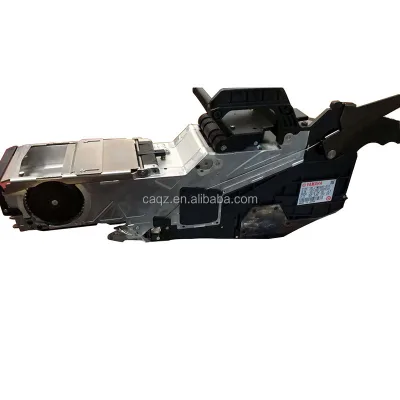
Best Selling FUJI Feeder for SMT Pick and Place Machine for Sales Promotion
$350.00 - $680.00
MOQ: 1 Pieces


Cheap Price SMT Feeder for LED Pick and Place Machine Manufacturer From China
$350.00 - $680.00
MOQ: 1 Pieces


Panasonic Npm SMT Chip Mounter Spare Parts Supplier SMT 12/16mm Feeder
$3500.00 - $4000.00
MOQ: 1 Pieces

SMT Spare Parts Kxfw1ks8a00 Supplier Panasonic SMD Machine 44mm/56mm SMT Feeder
$700.00 - $720.00
MOQ: 1 Pieces


Panasonic Placement Machine SMT Spare Parts N610161897AA Supplier Npm 4mm Feeder
$3800.00 - $4200.00
MOQ: 1 Pieces


$8000.00 - $45000.00
MOQ: 1 Pieces

$40000.00 - $150000.00
MOQ: 1 Pieces




Comprehensive Sourcing Guide
SMT Feeder Sourcing Guide
SMT feeders are critical components in surface mount technology lines, designed to transport electronic components from reels or trays to high-speed chip mounters with precision. The market offers a diverse range of units, including specific models for Panasonic CM402, Samsung SM series, and JUKI systems, alongside generic vibration and cart-based solutions. Buyers must distinguish between automatic and semiautomatic grades, as the operational speed and integration requirements vary significantly across these categories.
Procurement decisions hinge on matching the feeder's mechanical interface to the specific mounter model, ensuring compatibility with 32mm, 44mm, or 82mm component widths. The observed product landscape includes units originating from Japan, South Korea, and China, each presenting distinct quality profiles and customization options. Understanding the specific adaptation requirements for different machine brands is essential to avoid production bottlenecks and ensure seamless integration into existing assembly workflows.
Product Scope and Observed Listing Signals
The current market displays a wide price spectrum, ranging from entry-level units to high-value specialized feeders, reflecting differences in brand heritage and mechanical complexity. Listings frequently highlight high-speed capabilities and high precision, which are non-negotiable for modern electronics manufacturing. Buyers should scrutinize the product name and model designation to confirm the feeder is engineered for the specific mounter, such as the Panasonic CM402 or Samsung SM series, rather than relying on generic descriptions.
Condition and packaging standards serve as primary indicators of product integrity, with most listings specifying new units packed in vacuum wooden boxes or sturdy cartons. The availability of customization is a key signal for buyers with unique line requirements, allowing for tailored adaptations to specific component types. However, the presence of varied origin locations, including Japan and South Korea, necessitates careful verification of the actual manufacturing source to ensure the product meets the expected durability and performance standards.
Technical Specifications to Verify
Technical verification must begin with the automatic grade, as the supply chain data indicates a mix of fully automatic and semiautomatic configurations. Buyers need to confirm whether the unit operates at high speed with high precision, as these attributes directly impact the throughput of the SMT line. The material composition, often stainless steel, is a critical factor for longevity and resistance to wear in high-cycle environments, requiring explicit confirmation in the product specifications.
Model compatibility is the most critical technical parameter, with specific feeders designed for Panasonic CM402 32mm or 44mm feeders, as well as JUKI FS 82mm models. The weight specifications, such as the approximate 1.5 kg for certain feeders or 2.5 kg for vibration units, influence handling logistics and mounting stability. Buyers must ensure the model number matches the machine's slot configuration and that the adaptation features align with the specific component packaging being used on the production floor.
Compliance and Safety Documentation
Certification status is a primary compliance indicator, with many listings displaying CE, ISO, and CCC marks, while some include PSE and RoHS certifications. The presence of these marks suggests adherence to international safety and environmental standards, though buyers must verify the specific scope of each certification for the exact model being purchased. Documentation should explicitly confirm that the product meets the regulatory requirements of the destination market, particularly for equipment originating from Japan or South Korea.
Safety and quality assurance are further evidenced by claims of 100% testing and specific warranty periods, which typically range from six months to one year. Buyers should request detailed test reports that validate the precision and speed claims, ensuring the feeder has undergone rigorous quality control before shipment. The inclusion of PSE certification is particularly relevant for Japanese-origin equipment, indicating compliance with local electrical safety standards that may differ from general international requirements.
Cost Drivers and Commercial Terms
Pricing in the SMT Feeder market is driven by brand specificity, mechanical complexity, and the degree of customization required. While the observed price range is broad, the cost is heavily influenced by whether the unit is a standard replacement part or a specialized adaptation for a specific machine model. Buyers should anticipate that high-speed, high-precision units from established brands like Panasonic or Samsung will command a premium compared to generic or semiautomatic alternatives.
Commercial terms regarding delivery and lead time are equally critical, with options ranging from immediate dispatch to three-day lead times depending on stock availability. Shipping methods, including air, sea, land, and express couriers like UPS or DHL, offer flexibility but introduce variable costs and transit times. The minimum order quantity is consistently low, often starting at a single piece, which allows for flexible procurement strategies but requires careful calculation of total landed costs including freight and insurance.
Supplier Qualification and Quality Control
Supplier qualification relies heavily on the verification of origin and the consistency of quality control processes. The supply chain includes manufacturers from Japan, South Korea, and China, each with different reputations for reliability and after-sales support. Buyers must assess the supplier's ability to provide the promised warranty, which varies from six months to a full year, and ensure they have a track record of delivering units that are 100% tested prior to shipment.
Quality control extends beyond the initial inspection to include the packaging integrity, with vacuum wooden boxes and wooden cases being standard for protecting sensitive mechanical components. The acceptance of customization requests indicates a supplier's flexibility, but buyers must verify that these customizations do not compromise the unit's precision or speed. Establishing a clear communication channel for technical support is essential, especially when dealing with complex models like the Panasonic BM feeder cart or Samsung loading units.
Long-Term Procurement Checks
Long-term procurement success depends on maintaining a robust relationship with suppliers who can support the lifecycle of the equipment. Buyers should prioritize suppliers who offer clear warranty terms and responsive technical support, as SMT feeders are subject to wear and tear that may require replacement parts or recalibration. The availability of spare parts and the ability to source compatible feeders for different machine models are key indicators of a supplier's long-term viability.
Regular audits of the supply chain are necessary to ensure that the quality and specifications of delivered feeders remain consistent over time. Buyers must monitor the lead times and delivery methods to prevent production delays, especially when sourcing from international locations. Establishing a standardized verification process for each new batch of feeders, including checks on certifications and physical condition, will help mitigate risks and ensure continuous, high-quality production output.
FAQs
What certifications do SMT feeders typically have?
Most SMT feeders carry CE and ISO certifications to ensure compliance with international safety and quality standards. Some models also include CCC, PSE, RoHS, or FDA approvals depending on the manufacturer and target region. These certifications verify that the equipment meets rigorous operational requirements for automated electronics assembly lines.
Can I customize SMT feeders for specific machines?
Yes, customization is available for many SMT Feeder models to fit specific machine requirements. Buyers can request adaptations for Panasonic, Samsung, or Juki systems. Custom options often include specific dimensions like 32mm or 44mm feeders, ensuring seamless integration with existing high-speed chip mounters and production workflows.
What is the typical lead time for SMT feeders?
The typical lead time for SMT feeders is approximately three days for standard models. Delivery options include air, sea, or land transport via express couriers like UPS, DHL, or FedEx. This fast turnaround supports urgent production needs while maintaining quality control and ensuring timely installation on assembly lines.
Which origins are common for SMT Feeder products?
SMT feeders commonly originate from Japan, South Korea, and China. Japanese and Korean origins often feature Panasonic or Samsung compatible models, while Chinese sources provide various feeder types including vibration feeders. These regions are known for producing high-precision, automatic grade components suitable for modern electronics manufacturing environments.
What warranty periods are offered for SMT feeders?
Warranty periods for SMT feeders typically range from six months to one year. Most new condition products offer a twelve-month warranty covering manufacturing defects. Some suppliers provide extended coverage or specific terms based on the model type, ensuring buyer confidence in the reliability and performance of the automated feeding equipment.
How are SMT feeders packaged for shipping?
SMT feeders are packaged using vacuum wooden boxes, cartons, or wooden cases to ensure safe transit. This protective packaging prevents damage to sensitive mechanical components during international shipping. The secure packing method helps maintain the high precision and automatic grade functionality of the feeders upon arrival at the buyer's facility.