Source Galvanized Dock Bollard for Harbor Wharf and Yacht
Find 30 Galvanized Dock Bollard options for mooring vessels at wharves and harbors. Compare specifications including load capacity, material, and surface treatment from verified Chinese manufacturers to secure reliable marine equipment.
Key considerations
Products List


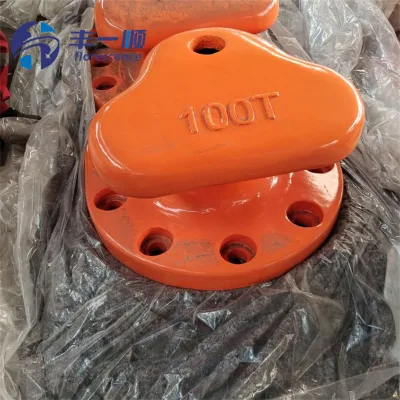


$1.00 - $999.00
MOQ: 1 Pieces


Comprehensive Sourcing Guide
Strategic Sourcing Guide for Galvanized Dock Bollards
Understanding the Technical Landscape of Marine Mooring Hardware
When sourcing galvanized dock bollards, buyers must first distinguish between the specific material compositions and manufacturing processes that define the product's longevity. The core keyword "Galvanized Dock Bollard" implies a steel substrate treated for corrosion resistance, a critical requirement for marine environments where saltwater exposure is constant. Based on available market data, the primary material composition for these units is steel, often specifically cast steel or cast iron, depending on the load requirements. The manufacturing method frequently cited for high-strength mooring hardware is sand casting, which allows for the creation of complex geometries required for double-cross or single-post designs.
A critical technical distinction lies in the casting metal and the surface treatment. While the base material is consistently identified as steel, the surface treatment varies. The specific attribute of "Galvanized" is a verified option for these products, offering a robust barrier against rust. However, buyers should also note that "Polished" surface treatments exist for other variants, which may serve different aesthetic or functional purposes. The structural integrity is often defined by the load capacity, with observed models ranging from 350KN to 2000KN. For instance, specific product models are designated with load ratings such as BS-350KN, BS-1000KN, and BD-2000KN. These numerical values represent the breaking strength or working load limits, which must align precisely with the vessel types and mooring forces expected at the specific dock location.
The physical form of the bollard is equally important. The market offers various configurations, including standard single posts and double-cross designs. The double-cross bollard, often associated with higher load capacities like the 1000KN and 2000KN models, provides superior grip for mooring lines and reduces the risk of line slippage under heavy tension. Additionally, the casting form material is sometimes noted as "Mental," which in the context of industrial casting likely refers to the molten metal state prior to solidification, though the final solid product is steel. Buyers must verify the exact casting method and material grade to ensure the component can withstand the dynamic loads of a busy harbor or the static loads of a private yacht dock.
Compliance, Certification, and Regulatory Standards
Navigating the certification landscape is a non-negotiable aspect of sourcing marine hardware. In the maritime industry, a lack of proper certification can lead to rejected shipments or, worse, equipment failure in critical situations. The supplied data indicates that reputable manufacturers provide certifications from major classification societies. Specifically, the CCS (China Classification Society) certificate is a frequently observed standard for these products. Furthermore, the market data lists a broader range of accepted marine certificates, including ABS (American Bureau of Shipping), BV (Bureau Veritas), and Kr (Korean Register). These certifications are not merely paperwork; they validate that the bollard has undergone rigorous testing for tensile strength, impact resistance, and corrosion performance.
When evaluating a supplier, buyers should explicitly request proof of these certifications. The data also mentions an "Ec" certificate alongside CCS, suggesting that some manufacturers may hold additional environmental or compliance accreditations. It is essential to understand that while some products are listed with a standard of "ISO," this is a general reference. Buyers must verify if the specific bollard model complies with ISO standards relevant to marine mooring hardware, such as those regarding dimensional tolerances or material testing protocols. The absence of a specific ISO standard number in the general data suggests that buyers should not assume compliance without direct verification from the supplier.
The "Standard" attribute in the product data also lists specific load ratings like 50KN, 250KN, and 1000KN. These figures often serve as the internal standard for the product model. However, for international projects, the buyer must ensure that the supplier's internal standard aligns with the regulatory requirements of the destination country. For example, a project in the United States might require ABS certification, while a project in Europe might prioritize BV or DNV. The presence of "CCS, ABS, BV, Kr, etc" in the product description indicates a supplier's capability to produce certified goods, but the specific certification for the ordered batch must be confirmed. This verification process ensures that the mooring hardware meets the legal and safety requirements of the port authority or vessel operator.
Cost Drivers and Pricing Variables in the Market
The pricing structure for galvanized dock bollards is influenced by a complex interplay of factors, including material costs, manufacturing complexity, and certification requirements. The observed price range in the market spans from 0.5 USD to 3000 USD, a vast disparity that reflects the diversity in product specifications. A low-cost unit, likely a small-scale or lightweight model, may be priced at the lower end of this spectrum, while a heavy-duty, double-cross bollard with a 2000KN capacity and full marine certification will command a price closer to the upper limit.
Material weight is a primary cost driver. Since the base material is steel, the volume of steel required to achieve a specific load rating directly impacts the price. A 2000KN bollard requires significantly more cast steel than a 350KN unit, leading to higher raw material costs. Additionally, the surface treatment process adds to the expense. Galvanization is a more involved process than simple polishing or painting, involving dipping the steel in molten zinc to create a protective layer. This process requires energy, specialized equipment, and quality control measures, all of which contribute to the final unit price.
The level of customization is another significant variable. The data confirms that "Customization" is available and that "Customized" is a common attribute. Custom orders, such as specific dimensions, unique colors (e.g., Yellow), or tailored mounting flanges, typically incur higher costs due to the setup time and non-standard production runs. Furthermore, the packaging requirements can influence the total landed cost. While some units are shipped on standard pallets, others require wooden cases or custom packaging "up to Customer's Request" to prevent damage during transit. The choice of packaging, especially for heavy items, can add substantial freight and material costs.
Finally, the Minimum Order Quantity (MOQ) plays a role in the effective unit cost. The observed MOQ range is 1 to 300 units. For buyers purchasing a single unit or a small batch, the per-unit cost may be higher due to the fixed costs of production setup. Conversely, bulk orders of 300 units may benefit from economies of scale, reducing the per-unit price. Buyers should negotiate based on their total volume requirements to optimize their budget. It is also important to note that lead times, observed to be around 7 days for some models, can affect pricing if expedited shipping is required, though standard production times are generally efficient.
Typical Applications and Operational Environments
Galvanized dock bollards are versatile components designed for a wide array of maritime applications. The primary function of these units is mooring, which involves securing vessels to a fixed structure to prevent drifting. The data explicitly lists applications such as "Mooring," "Dock," "Wharf," "Harbor," and "Yacht." This broad range indicates that these bollards are suitable for everything from small private marinas to large commercial shipping terminals. The specific model selected should match the scale of the operation. For instance, a 350KN bollard might be ideal for a yacht club or a small boat dock, whereas a 2000KN double-cross bollard is necessary for commercial vessels or large ships that exert significant mooring forces.
The environment in which the bollard operates dictates the necessity of the galvanized finish. Saltwater environments are highly corrosive, making the galvanized coating essential for long-term durability. The "Anti-Corrosion" feature is a key selling point, ensuring that the steel substrate does not degrade rapidly when exposed to marine conditions. This is particularly important for wharves and harbors where the bollards are constantly splashed by waves or submerged during high tides. The "Durable" attribute further reinforces the expectation that these units will withstand harsh weather conditions, including high winds and UV exposure, without losing structural integrity.
Beyond simple mooring, some bollards serve additional functions. The data mentions attributes such as "Separation," "Obstruction," "Warning," and "Beautiful." This suggests that bollards can be used as safety barriers to separate pedestrian areas from vessel docking zones or to protect sensitive infrastructure from accidental impact. The "Yellow" color option noted in the data is likely chosen for high visibility, serving as a warning to vessel operators and enhancing safety on the dock. The aesthetic function, described as "Beautiful," indicates that in leisure or high-end residential marinas, the design and finish of the bollard contribute to the overall visual appeal of the waterfront.
The versatility extends to the types of vessels they serve. The applications list "Boat," "Yacht," and "Commercial Vessels," confirming that the hardware is adaptable to different vessel sizes and types. Whether securing a small fishing boat or a large cargo ship, the bollard must provide a reliable anchor point. The "Anchor Chain" attribute also suggests that some models are designed to handle the specific dynamics of chain mooring, which requires different friction and wear characteristics compared to rope mooring. Buyers must ensure that the selected bollard model is compatible with the specific mooring lines and chains used in their operation.
Supplier Evaluation and Quality Assurance Protocols
Selecting the right supplier is critical for ensuring the reliability and safety of galvanized dock bollards. Buyers should prioritize suppliers who demonstrate transparency in their manufacturing processes and certification capabilities. The data indicates that suppliers are located in regions such as Jiangsu, China, a hub for steel manufacturing. When evaluating a potential supplier, buyers should verify their production capacity and consistency. The ability to offer "Customization" is a strong indicator of a flexible and capable manufacturer, but it requires a robust quality control system to ensure that custom specifications are met without compromising the structural integrity of the product.
Quality assurance should focus on the verification of the galvanization process. Buyers must inquire about the thickness of the zinc coating and the adherence to industry standards for hot-dip galvanizing. While specific test results are not provided in the general data, a reputable supplier should be able to provide mill test reports or third-party inspection certificates that confirm the coating quality. The presence of multiple certifications like CCS, ABS, and BV in the product data suggests that the supplier has experience meeting international standards, but buyers should request the specific certificate for the batch they are purchasing.
The manufacturing process, specifically "Sand Casting," requires skilled labor and precise control to avoid defects such as porosity or inclusions. Buyers should ask about the supplier's quality control measures during the casting phase. Additionally, the "Surface Treatment" process, whether galvanized or polished, must be consistent across all units. Variations in finish can lead to uneven corrosion resistance, which is unacceptable in marine environments. The supplier's ability to maintain consistency in color, particularly the "Yellow" option mentioned, is also a marker of quality.
Packaging and logistics are often overlooked but are vital for product integrity. The data shows various packaging options, from "Pallet" to "Wooden Case" and "Foam, Honeycomb, Carton." A supplier that offers robust packaging tailored to the product's weight and fragility demonstrates a commitment to delivering the goods in perfect condition. The "prod_packing" attribute of "as Confirmed" suggests flexibility, but buyers should specify their packaging requirements to prevent damage during transit. Finally, the lead time of "Around 7 days" indicates a responsive supply chain, but buyers should confirm if this applies to stock items or custom orders, as customization may extend the delivery window.
Long-Term Procurement and Lifecycle Management
Procuring galvanized dock bollards is not a one-time transaction but a long-term investment in maritime infrastructure. The "Durable" and "Anti-Corrosion" attributes suggest a long service life, but buyers must plan for maintenance and eventual replacement. The galvanized coating will eventually degrade over time due to constant exposure to saltwater and mechanical wear. Buyers should establish a maintenance schedule that includes regular inspections of the coating thickness and the structural condition of the bollard. Early detection of corrosion or damage can prevent catastrophic failure and extend the lifespan of the equipment.
When planning for future procurement, buyers should consider the standardization of their fleet. By selecting bollards with consistent specifications, such as the 1000KN or 2000KN models, buyers can simplify their inventory management and spare parts procurement. The availability of "Customized" options is valuable for unique projects, but relying too heavily on custom parts can complicate future replacements. It is advisable to balance custom needs with standard, off-the-shelf models that are widely available and supported by multiple suppliers.
The lifecycle cost of the bollard includes not just the initial purchase price but also installation, maintenance, and replacement costs. While the initial price range is broad, the total cost of ownership is often lower for high-quality, certified units that require less frequent maintenance. Buyers should factor in the cost of potential downtime if a bollard fails, which can be significant in a busy commercial port. Investing in higher-grade materials and robust galvanization may have a higher upfront cost but can result in significant savings over the asset's life.
Finally, buyers should maintain a relationship with their supplier for ongoing support. A reliable supplier can provide technical advice on installation, maintenance best practices, and updates on new product developments. The ability to source replacement parts or additional units quickly is crucial for maintaining operational continuity. By focusing on long-term partnerships and comprehensive lifecycle management, buyers can ensure that their galvanized dock bollards continue to provide safe and reliable mooring solutions for years to come.
FAQs
What certifications are available for galvanized dock bollards?
Certifications such as CCS, ABS, BV, and Kr are available for these products. Buyers should verify specific marine certificates like CCS or ABS for their project requirements to ensure compliance with safety standards.
Which casting method is used for these steel bollards?
Sand casting is the primary method used to manufacture these cast steel bollards. This process allows for the creation of complex geometries required for high-strength mooring applications like double-cross designs.
Can I customize the specifications of a Galvanized Dock Bollard?
Yes, customization is available for these steel mooring bollards. Buyers can request specific dimensions, colors like yellow, or tailored packaging options to meet unique project needs and site requirements.
How long is the delivery time for these mooring bollards?
The standard delivery time is around 7 days for many models. This lead time applies to standard production runs, though custom orders or bulk shipments may require adjusted scheduling based on factory capacity.
What is the minimum order quantity for these steel bollards?
The minimum order quantity starts at 1 set for many suppliers. This low MOQ allows buyers to purchase single units or small batches for testing or small-scale dock projects without large inventory commitments.
Which surface treatments are offered for marine steel bollards?
Galvanized and polished surface treatments are available for these products. Galvanization provides essential anti-corrosion protection for saltwater environments, while polishing may be selected for specific aesthetic or functional requirements.
What load capacities are available for these mooring bollards?
Load capacities range from 50KN to 2000KN depending on the model. Specific models like BS-350KN or BD-2000KN are designed to handle varying mooring forces for yachts, boats, and commercial vessels.