Source Galvanized ERW Steel Pipe for Construction, Oil, and Machinery
Compare 30 listings of Galvanized ERW Steel Pipe from verified Chinese manufacturers. Buyers can evaluate specifications, surface treatments, and pricing for pipeline transport, oil and gas drilling, and construction applications; compare the available evidence and request quotations based on your requirements.
Key considerations
Products List


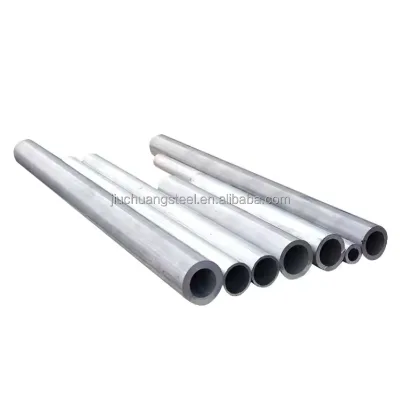
Steel Pipe / Galvanized Carbon Steel Pipe Galvanized Pipe Steel Tube ERW
$400.00 - $660.00
MOQ: 20 Tons


Comprehensive Sourcing Guide
Galvanized ERW Steel Pipe Sourcing Guide
Sourcing Galvanized ERW Steel Pipe requires a disciplined approach to balancing technical performance with commercial viability. Buyers must first define the precise application, whether for pipeline transport, machinery industry use, or construction and decoration. The supplied data indicates that these pipes are available in round and square section shapes, with techniques ranging from cold drawn to hot rolled. Understanding the specific mechanical requirements and environmental conditions of the end-use project is the foundational step in selecting the correct product variant.
The manufacturing process significantly influences the final product characteristics. ERW (Electric Resistance Welded) pipes are distinct from seamless options, offering a cost-effective solution for many structural and fluid transport applications. The surface treatment is typically galvanized, providing essential corrosion resistance. Buyers should verify if the galvanization is hot-dipped or electro-galvanized, as this affects durability and coating thickness. The observed listings show a wide range of usage scenarios, including oil and gas drilling, hydraulic systems, and food and beverage transport, each demanding different quality levels.
Product Scope and Observed Listing Signals
The market for Galvanized ERW Steel Pipe presents a diverse array of specifications and packaging options. Observed listings indicate a price range of 300-900 USD, with minimum order quantities varying from 1 to 28 units. This variability suggests that suppliers cater to both small-scale specialized projects and large-volume industrial contracts. The products are often described with specific model numbers, such as TYT-IRON STEEL PIPE or Amanda-20221114-10, which may correspond to internal manufacturer codes rather than universal industry standards. Buyers should treat these model identifiers as reference points for communication rather than definitive technical classifications.
Packaging methods observed include bundles, bulk shipments, and export packages, often secured with steel belts or strips. This diversity in packing reflects the logistical needs of different destinations and the fragility of certain pipe finishes. The standard sizes mentioned range from small diameters like 21.3mm up to 325mm, with some specific listings noting dimensions like 25252.1 for square profiles. Thickness requirements are also noted, with some standards specifying thickness greater than or equal to 0.3mm. These signals help buyers gauge the supplier’s capability to handle various dimensional tolerances and packaging constraints.
Technical Specifications to Verify
Technical verification is critical when procuring Galvanized ERW Steel Pipe, particularly regarding material composition and dimensional accuracy. The core material is identified as carbon steel, which provides strength but requires adequate zinc coating for corrosion protection. Buyers must confirm the exact grade of carbon steel, as properties vary significantly between low-carbon and high-carbon variants. The diameter range observed is 1/2" to 10", or 20-113mm, which covers many common structural and plumbing applications. However, specific wall thicknesses and tolerances must be explicitly stated in the purchase order to avoid discrepancies in structural integrity.
Surface treatment and coating quality are paramount for longevity, especially in outdoor or corrosive environments. The zinc coating thickness is observed to range from 30um to 80um, a critical parameter for determining service life. Buyers should request mill test reports that verify the coating weight and adhesion properties. Additionally, the pipe ends may be threaded, grooved, or socketed, depending on the installation requirements. These end preparations must match the fitting systems used in the project to ensure leak-proof and secure connections. Verifying the technique, whether cold drawn, cold rolled, or hot rolled, ensures the pipe meets the required mechanical strength and formability.
Compliance and Safety Documentation
Compliance with international and regional standards is non-negotiable for industrial procurement. The supplied facts reference several key standards, including API-5L, ASTM-A53, BS1387-1985, and GB/T3091-2001. These standards govern different aspects of pipe manufacturing, from chemical composition to hydrostatic testing. Buyers must ensure that the supplier can provide documentation proving conformity to the specific standard required by the project’s engineering specifications. For instance, API-5L is crucial for pipeline applications, while ASTM-A53 is common for general structural uses.
Safety and quality management systems also play a vital role in supplier evaluation. While some background information mentions ISO 9001, buyers should verify the current certification status directly with the supplier. EN 10204 certificates are essential for verifying material test results, providing a third-party assurance of quality. These documents should detail the chemical analysis, mechanical properties, and non-destructive testing results. Without proper compliance documentation, the risk of material failure or regulatory non-compliance increases significantly, potentially leading to costly project delays or safety hazards.
Cost Drivers and Commercial Terms
Understanding the cost drivers behind Galvanized ERW Steel Pipe pricing helps buyers negotiate better terms. The primary cost components include raw material prices for carbon steel and zinc, manufacturing energy costs, and surface treatment expenses. The observed price range of 300-900 USD likely reflects variations in these inputs, as well as differences in order volume and packaging complexity. Buyers should analyze the total landed cost, including freight, insurance, and customs duties, rather than focusing solely on the unit price. Fluctuations in global steel and zinc markets can significantly impact final costs, so locking in prices early may be advantageous.
Commercial terms such as MOQ, lead times, and payment conditions also influence the overall procurement strategy. The observed MOQ range of 1-28 units suggests flexibility, but larger orders may yield better unit pricing. Buyers should clarify the lead time for production and delivery, as this affects project scheduling. Payment terms, such as letters of credit or advance payments, should be negotiated to balance risk and cash flow. Additionally, the supplier’s business type, whether manufacturer or exporter, can affect pricing and communication efficiency. Direct manufacturers may offer more competitive pricing, while exporters provide logistical support and market access.
Supplier Qualification and Quality Control
Supplier qualification is a multi-step process that goes beyond checking basic credentials. Buyers should assess the supplier’s manufacturing capabilities, including their production lines for ERW welding and galvanizing. The observed origins in Tianjin, China, indicate a major industrial hub for steel products, but buyers must verify the specific factory’s capacity and quality control infrastructure. Requesting site audits or third-party inspections can provide insights into the supplier’s operational standards and consistency. A reliable supplier should have robust procedures for raw material inspection, in-process quality checks, and final product testing.
Quality control measures should be explicitly defined in the contract. This includes specifications for dimensional accuracy, surface finish, and coating uniformity. Buyers should agree on sampling plans and acceptance criteria for incoming goods. Non-conforming products must have a clear resolution process, including replacement or refund policies. The supplier’s ability to provide traceability, linking each batch to its mill test report, is essential for accountability. Establishing a strong quality control framework ensures that the procured pipes meet the required performance standards and reduces the risk of defects in the final application.
Long-Term Procurement Checks
Long-term procurement success depends on continuous monitoring and relationship management. Buyers should establish key performance indicators (KPIs) to track supplier performance over time, including on-time delivery rates, defect rates, and responsiveness to issues. Regular reviews of these metrics help identify potential problems early and drive continuous improvement. Building a collaborative relationship with the supplier can lead to better pricing, priority production, and access to new product developments. This strategic approach transforms the procurement function from a transactional activity into a value-adding partnership.
Market intelligence and trend analysis are also crucial for long-term planning. Buyers should stay informed about changes in steel and zinc prices, regulatory updates, and technological advancements in pipe manufacturing. This knowledge enables proactive decision-making and risk mitigation. Additionally, diversifying the supplier base can reduce dependency on a single source and enhance supply chain resilience. By maintaining a vigilant and strategic approach to procurement, buyers can ensure a steady supply of high-quality galvanized ERW steel pipes that support their operational and strategic goals.
FAQs
What surface treatments are available for Galvanized ERW Steel Pipe?
The standard surface treatment is galvanizing, typically hot dipped galvanized with zinc coating commonly specified in the 30um to 80um range. Additional process options include threaded ends, grooved ends, and socketed finishes for connection readiness. Buyers should confirm the zinc coating weight and end finish on the product page or with the supplier before placing an order.
Which sizes do galvanized ERW steel pipes come in?
Listed products cover round welded pipes from 21.3mm to 325mm outer diameter, and some listings state diameters from 1/2 inch to 10 inches. Square section pipe such as 25x25mm with 2.1mm wall is also offered. Diameter, wall thickness, and section shape should be confirmed per listing because sizes vary between individual products.
How is Galvanized ERW Steel Pipe manufactured?
It is formed from carbon steel strip into a welded tube using ERW or cold drawn techniques, and some products use hot rolled or cold rolled material. After forming and welding, the pipe is galvanized to protect against corrosion. Manufacturing technique and surface treatment are listed attributes on each product page, so check them against your project requirements.
What standards do galvanized ERW steel pipes follow?
Listings reference standards including API-5L, ASTM-A53, BS1387-1985, and GB/T3091-2001, with some products specified under ASTM, GB, or DIN generally. Applicable standards differ between individual products and listings. Buyers should state the required standard and have it confirmed in documentation before ordering, since a single catalog can include pipes made to different specifications.
What applications suit Galvanized ERW Steel Pipe?
Common uses include pipeline transport, oil and gas drilling, boiler pipe, hydraulic and automobile pipe, machinery, mining, chemical industry service, food and beverage processing, and construction and decoration. Galvanizing supports outdoor and corrosive environments, while the welded carbon steel body suits structural and fluid-carrying roles. Verify suitability for your specific medium and pressure conditions with the supplier.
How is Galvanized ERW Steel Pipe packed for delivery?
Typical packing options shown in listings include bundles, bundling with steel strips, bulk packing, normal packing, and standard export packages. Bundle packing with steel belts is common for pipes in the 21.3mm to 325mm range. Confirm the packing method, container loading arrangement, and any export package requirements with the supplier when requesting a quotation.
Where are these galvanized ERW steel pipes produced?
The listed products originate from China, with several listings specifying Tianjin as the production location. Origin matters for shipping cost, lead time, and customs documentation, so confirm the exact loading port and origin details during negotiation. Manufacturers and exporters in these locations typically serve pipeline, construction, and industrial buyers worldwide.
Can galvanized ERW steel pipes be customized?
Yes, customization is listed as available for these products. Typical customization covers dimensions such as diameter and wall thickness within ranges like 21.3mm to 325mm or 1/2 inch to 10 inches, along with end processing such as threaded, grooved, or socketed finishes. Contact the supplier with your drawings, required standards, and quantity so customization scope and cost can be confirmed.