Source Galvanized Fiber Optic Duct Rodder for Cable Laying
Find 30 Galvanized Fiber Optic Duct Rodder options for telecommunication, electric power, and pipeline operations. Compare FRP inner core specifications, tensile strength, and customization features to select the right cable pulling tools for your infrastructure projects.
Key considerations
Products List


High Strength Fiberglass Duct Rodder for Underground Cable Installation
$10.00 - $15.00
MOQ: 10 Pieces


8mm 1000m 2000m Duct Rodder for Efficient Cable Pulling Cable Duct Rodder
$0.22 - $0.45
MOQ: 100 Meters


Cable Push Rod Fiberglass Reinforced Plastic Duct Rodder Fiber Optic Cable Puller
$300.00 - $500.00
MOQ: 10 Set
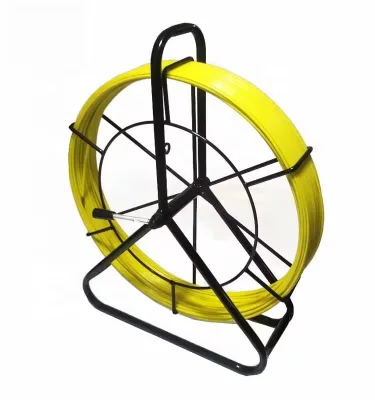


Frame Cable Duct Rodders Fiberglass Duct Rodder for Optical Fiber Cables
$85.00 - $100.00
MOQ: 20 Pieces

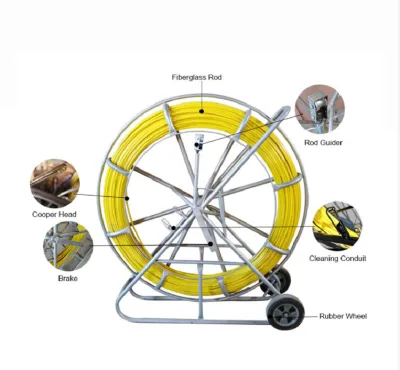
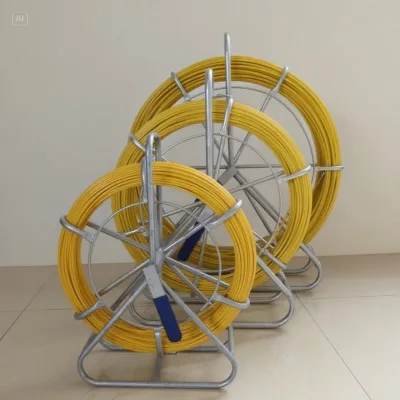
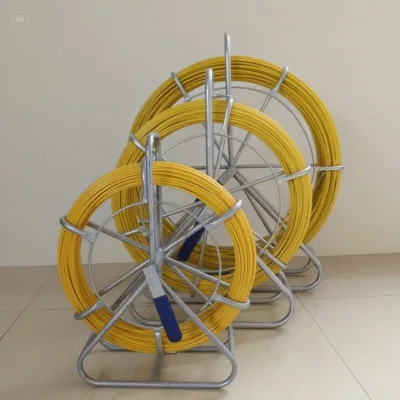
Comprehensive Sourcing Guide
Galvanized Fiber Optic Duct Rodder Sourcing Guide
Procuring Galvanized Fiber Optic Duct Rodder systems requires a nuanced understanding of composite material engineering and mechanical load requirements. These tools are essential for pulling cables through underground conduits, telecommunications ducts, and industrial pipelines where traditional steel rods might fail due to corrosion or magnetic interference. The core value proposition lies in the combination of a galvanized steel frame or structural support with a fiberglass-reinforced plastic (FRP) inner core. This hybrid design offers high tensile strength while maintaining electrical insulation and resistance to stress corrosion. Buyers must recognize that "galvanized" typically refers to the mechanical handling components, such as the reel frame or wheel assemblies, rather than the flexible rod itself, which is primarily composed of composite layers.
The sourcing landscape for these specialized tools is dominated by manufacturers in specific industrial hubs, with China being a primary origin point for production. Suppliers often offer extensive customization options, allowing buyers to tailor dimensions, lengths, and surface treatments to specific project requirements. The market signals indicate a wide range of product models, from standard configurations to fully customized OEM solutions. Understanding the distinction between the rod’s material composition and the supporting equipment’s finish is critical for accurate specification. Buyers should focus on verifying the integrity of the composite layering and the robustness of the galvanized steel components to ensure long-term durability in harsh environmental conditions.
Product Scope and Observed Listing Signals
The observed product listings reveal a diverse range of configurations tailored for cable pulling and cleaning applications. Products are frequently described with alternative names such as "Push Rodders" or "Duct Rodder," indicating their primary function in telecommunications and electric power sectors. The material composition typically involves a fiberglass core encased in an ABS or similar composite layer, providing a balance of flexibility and rigidity. Surface treatments often include fibreglass reinforced plastic finishes, which contribute to the tool’s moistureproof and antimagnetic properties. These attributes are crucial for operations in environments where electrical safety and environmental resistance are paramount.
Listing signals also highlight significant variability in physical specifications, reflecting the customizable nature of the supply chain. Diameter ranges commonly observed span from 4.5 mm to 18 mm, with lengths extending from 50 meters up to 2000 meters depending on the specific model and order volume. Colors are not merely aesthetic but serve as identification markers, with options including red, blue, yellow, orange, white, and green. The presence of rubber wheels and galvanized frames in many listings suggests that complete systems, including deployment reels, are often bundled or offered as integrated solutions. Buyers should interpret these signals as indicators of modular availability rather than fixed standard offerings.
Technical Specifications to Verify
Verifying the tensile strength and dimensional accuracy of the duct rodder is the first critical step in technical evaluation. Observed data points to a tensile strength of approximately 46.5 MPa for certain configurations, but this value must be confirmed for each specific batch or model. The diameter range of 4.5 mm to 18 mm is a common standard, yet buyers must ensure that the selected diameter matches the inner diameter of the target ducts to prevent jamming or excessive friction. Length customization is a key feature, with options ranging from 50 meters to over 2000 meters, allowing for project-specific deployment strategies. It is essential to verify that the length tolerances are strictly maintained to ensure consistent performance during long-distance cable pulls.
The application temperature range and material composition are equally vital for ensuring operational reliability. Products are generally rated for temperatures between -40°C and 80°C, making them suitable for diverse climatic conditions. The construction typically involves a fiberglass inner core with an ABS outer layer, a combination that provides excellent insulation and resistance to environmental degradation. Buyers should also inspect the galvanized steel frame quality, as this component bears the mechanical load during deployment. The technique used, often pultrusion for the composite core, significantly influences the rod’s structural integrity and flexibility. Confirming these technical details prevents premature failure and ensures compatibility with existing infrastructure.
Compliance and Safety Documentation
Compliance with international standards is a non-negotiable aspect of sourcing industrial duct rodder systems. Certifications such as CE, RoHS, CCC, and ISO are frequently cited in product listings, indicating adherence to specific safety and quality benchmarks. Buyers must request valid certification documents to verify that the products meet the regulatory requirements of their destination markets. The presence of these certifications suggests that the manufacturer has undergone rigorous testing for electrical safety, material composition, and mechanical performance. However, buyers should not assume that all listed certifications apply to every product variant; specific verification for the ordered model is necessary.
Safety features inherent in the design also contribute to compliance and operational security. The insulation properties of the fiberglass core are critical for preventing electrical shocks during cable pulling in live environments. Additionally, the antimagnetic and explosion-proof characteristics make these tools suitable for hazardous areas where spark generation could pose a risk. Buyers should ensure that the product documentation explicitly states these safety attributes and provides evidence of testing. The moistureproof nature of the composite materials further enhances safety by preventing degradation that could lead to sudden failure under load. Proper documentation of these features is essential for risk management and regulatory audits.
Cost Drivers and Commercial Terms
The cost of Galvanized Fiber Optic Duct Rodder systems is influenced by several key factors, including material composition, customization level, and order volume. The use of high-quality fiberglass and ABS composites, along with galvanized steel frames, contributes to the base price. Customization options, such as specific diameters, lengths, and colors, can add to the cost due to the additional manufacturing steps required. Observed price ranges vary significantly, reflecting the diversity of product configurations and supplier pricing strategies. Buyers should expect prices to scale with the complexity of the customization and the quantity ordered, with bulk purchases often benefiting from economies of scale.
Commercial terms, including minimum order quantities (MOQ) and packaging details, also play a significant role in total procurement costs. MOQs can range from 1 to 1000 units, depending on the supplier and the level of customization required. Packaging is typically done in cartons or on pallets, with options for air, sea, or train transport affecting logistics costs. Buyers should clarify whether samples are provided free of charge, as this can reduce initial testing expenses. Understanding the full scope of commercial terms, including shipping methods and handling procedures, is essential for accurate budgeting and supply chain planning. Transparent communication with suppliers regarding these terms helps avoid unexpected costs.
Supplier Qualification and Quality Control
Evaluating supplier qualifications is crucial for ensuring the reliability and consistency of duct rodder supplies. Manufacturers located in industrial regions such as Hengshui City, Hebei Province, China, often have established capabilities in composite material processing. Buyers should verify the supplier’s production processes, particularly the pultrusion technique used for the fiberglass core, as this directly impacts product quality. The availability of OEM services indicates a supplier’s flexibility and ability to meet specific brand or technical requirements. However, buyers must conduct due diligence to ensure that the supplier maintains consistent quality control measures across all production batches.
Quality control procedures should include rigorous testing of tensile strength, dimensional accuracy, and material composition. Buyers should request test reports or certificates of analysis to verify that the products meet the specified technical parameters. The use of galvanized steel frames requires inspection for corrosion resistance and structural integrity. Additionally, the surface treatment and color coding should be checked for consistency and durability. Suppliers that offer customization should have robust engineering support to ensure that modified designs do not compromise performance. Establishing a clear quality assurance protocol with the supplier helps mitigate risks and ensures that the delivered products meet operational standards.
Long-Term Procurement Checks
Long-term procurement success depends on establishing a sustainable relationship with suppliers who can provide consistent quality and support. Buyers should monitor supplier performance over time, tracking metrics such as delivery times, product defect rates, and responsiveness to issues. The ability of the supplier to adapt to changing project requirements, such as new duct diameters or lengths, is a valuable indicator of their flexibility and commitment. Regular audits of the supplier’s quality control processes can help identify potential issues before they impact operations. Building a partnership based on transparency and mutual benefit ensures a stable supply chain for critical infrastructure projects.
Continuous evaluation of product performance in the field is also essential for long-term procurement strategies. Feedback from field technicians regarding the rodder’s durability, ease of use, and resistance to environmental factors should be systematically collected and shared with the supplier. This feedback loop can drive improvements in product design and manufacturing processes. Buyers should also stay informed about advancements in composite materials and manufacturing techniques that could offer better performance or cost efficiency. By maintaining a proactive approach to supplier management and product evaluation, organizations can ensure that their duct rodder systems remain reliable and effective over the long term.
FAQs
What certifications do galvanized fiber optic duct rodders have?
These products typically carry CE, RoHS, CCC, and ISO certifications. The specific certification list depends on the manufacturer and region, but high-confidence data confirms these standards are available for galvanized fiber optic duct rodders sourced from China.
Can I customize the length and diameter of the duct rodder?
Yes, customization is available for both length and diameter. The standard diameter ranges from 4.5mm to 18mm, while lengths can be customized from 50m up to 2000m depending on the specific order requirements and supplier capabilities.
What material is used for the core of the duct rodder?
The core is made of Fiberglass Reinforced Plastic (FRP) with an ABS composite layer. This pultrusion technique ensures high tensile strength of 46.5MPa and provides excellent stress corrosion resistance for demanding cable pulling applications.
How does the galvanized frame enhance the duct rodder performance?
The galvanized steel frame provides structural support and durability during operation. Combined with the FRP inner core, it ensures the tool remains robust while offering insulation and flame retardant properties for safe use in various environments.
What is the operating temperature range for these duct rodders?
The product functions effectively within a temperature range of -40 to 80 degrees Celsius. This wide range allows for reliable performance in diverse climates, ensuring the tool remains functional during cable laying and cleaning operations.
Which applications are suitable for galvanized fiber optic duct rodders?
These tools are designed for cable pulling, cleaning, and pipeline operations in telecommunication and electric power sectors. They serve as essential duct rodders for laying cables in difficult environments requiring moistureproof and antimagnetic features.