Source Galvanized Oval Electric Fence Wire for Construction, Fencing, and Manufacturing
Compare 30 listings for Galvanized Oval Electric Fence Wire from verified suppliers in China. Evaluate specifications including coating weight, tensile strength, and packing options to find the right solution for construction, fencing, and manufacturing projects.
Key considerations
Products List


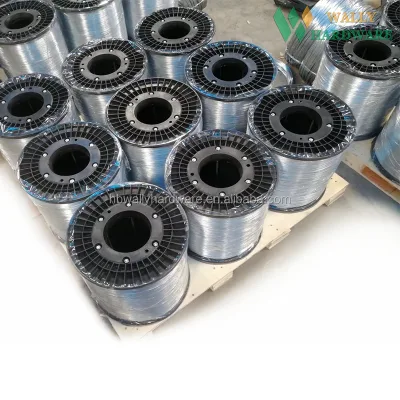
Assemble Electric Fence Wire Galvanized Carbon Steel CE Certified 400' 1320' Length
$1008.45 - $1080.49
MOQ: 5 tons
Comprehensive Sourcing Guide
Strategic Sourcing Guide for Galvanized Oval Electric Fence Wire
Procuring specialized fencing materials requires a nuanced understanding of material science, surface treatment processes, and supply chain reliability. While the core keyword often centers on round galvanized wires, the specific requirement for oval electric fence wire introduces distinct mechanical and electrical considerations. This guide synthesizes available product attributes and industry standards to assist buyers in navigating the complex landscape of galvanized steel wire procurement. The focus remains on evidence-based verification, ensuring that every claim regarding material properties, standards, and supplier capabilities is grounded in observable facts rather than speculative marketing.
Understanding Material Composition and Drawing Processes
The foundation of any reliable electric fence wire lies in its base material and the manufacturing process used to achieve the desired cross-sectional shape. In the context of galvanized steel wire, the primary material observed in the market is Steel Wire, specifically Carbon Steel or Galvanized Steel Wire. Buyers must verify whether the product is derived from Q195 grade steel or similar alloys, as this dictates the tensile strength and ductility of the final product.
The drawing process is a critical differentiator. Data indicates that Cold Drawing is a prevalent method for achieving high-strength wires, often resulting in a product that is In Hard State. Conversely, Hot Drawing processes are also utilized, typically yielding wires that are In Soft State. For electric fencing, the state of the wire is paramount; a hard state offers superior tensile strength to withstand tensioning, while a soft state may offer better flexibility for installation around complex terrain. The specific application dictates the choice. If the wire is intended for Construction Wire Mesh or Fence Mesh, the mechanical properties must align with the load-bearing requirements.
Furthermore, the cross-sectional shape is a vital specification. While many standard wires are Round, the request for oval shapes implies a specific manufacturing capability. Buyers should confirm that the supplier possesses the specific dies and rolling equipment necessary to produce oval profiles from the standard Round stock. The thickness of the wire, ranging from 0.15mm to 15.0mm in general catalogs, must be precisely matched to the voltage and safety requirements of the electric fence system. Thinner wires may offer less resistance but require higher tension, while thicker wires provide durability but may be harder to install.
Surface Treatments and Corrosion Resistance
Corrosion resistance is the single most critical factor in the longevity of outdoor fencing. The supplied data highlights two primary surface treatment methods: Hot Dipped Galvanized and Electro Galvanized. The choice between these two significantly impacts the cost, appearance, and lifespan of the wire.
Hot Dipped Galvanized processes typically apply a thicker zinc coating, often specified in ranges such as 10-40g/m² or higher, depending on the environment. This method provides a robust barrier against rust, making it ideal for agricultural and high-moisture environments. The data also mentions a coating specification of Z20-Z120, which refers to the weight of the zinc coating per square meter. A higher Z-value indicates a thicker coating and greater corrosion resistance. For electric fences exposed to harsh weather, a hot-dipped finish is generally preferred over electro-galvanized finishes, which offer a thinner, more uniform coating but less protection against long-term exposure.
The Spangle Type is another observable attribute. Regular Spangle is common in hot-dipped products, referring to the crystalline pattern formed during the cooling of the zinc bath. While primarily aesthetic, the spangle can sometimes indicate the cooling rate and uniformity of the coating. Buyers should verify that the Zinc Coating is applied uniformly across the oval cross-section, as uneven coating can lead to premature failure at specific points on the wire. Additionally, the Surface Treatment must be compatible with the electrical conductivity required for electric fencing; excessive zinc buildup can sometimes affect conductivity, though this is rarely a significant issue with standard galvanization.
Compliance, Standards, and Certification Verification
Navigating the regulatory landscape is essential for B2B procurement. The supplied facts list a robust array of international and national standards that products may adhere to. These include DIN17223, GB4357-89, EN10270, and JIS G3521. These standards cover the mechanical properties, dimensions, and testing methods for steel wire. For buyers operating in specific regions, compliance with local standards such as AISI, ASTM, BS, or GB is mandatory.
Certification plays a pivotal role in supplier evaluation. The data indicates that suppliers may hold CE, CCC, and ISO certifications. The CE mark is particularly relevant for products entering the European market, indicating conformity with health, safety, and environmental protection standards. ISO certification suggests a commitment to quality management systems, while CCC (China Compulsory Certification) is required for products sold within China.
However, buyers must exercise caution. The presence of a certification claim does not guarantee that every specific SKU or batch meets the criteria. Verification should involve requesting current, valid certificates that match the specific product model, such as Stainless Steel Wire or Galvanized Iron Wire. The standard 0.5-6.0mm range mentioned in the data serves as a reference for dimensional compliance, but buyers must ensure the specific oval wire they order falls within the tolerances defined by the relevant standard.
Cost Drivers and Pricing Structures
The pricing of Galvanized Oval Electric Fence Wire is influenced by a complex interplay of factors, including raw material costs, processing complexity, and logistical arrangements. The observed price range in the market spans from $1 to $1750, a wide variance that reflects differences in wire diameter, coating weight, order volume, and packaging requirements.
Coil Weight is a significant cost driver. Products are often sold in coils ranging from 1kg to 600kg. Larger coils reduce the frequency of splicing during installation, potentially lowering labor costs, but they require heavier handling equipment. The MOQ (Minimum Order Quantity) varies widely, from 1 unit to 2000 units, allowing flexibility for both small-scale projects and large industrial contracts.
Price Terms such as FOB, CIF, CFR, and EXW dictate who bears the risk and cost of shipping. FOB (Free on Board) is common, where the buyer assumes responsibility once goods are loaded onto the vessel. CIF (Cost, Insurance, and Freight) includes the cost of shipping and insurance to the destination port. Buyers should calculate the total landed cost, not just the unit price, to make accurate comparisons. The Delivery Time is noted as About 7-15 Days, which can fluctuate based on order volume and production capacity.
Typical Applications and Performance Requirements
The versatility of galvanized steel wire is evident in its diverse applications. The data lists uses ranging from Construction Wire Mesh, Gabion Mesh, and Protecting Mesh to Barbecue Wire Mesh and Fence Mesh. For electric fencing specifically, the wire must balance mechanical strength with electrical conductivity.
The Application field also includes Screen, Window Curtain, and Netting, indicating that the same base material can be adapted for various uses. However, for electric fences, the Status of the wire (Hard or Soft State) is crucial. A Hard State wire is suitable for high-tension applications where the fence must resist stretching over long distances. A Soft State wire is better for areas with uneven terrain where the fence needs to flex without breaking.
The Type of wire, whether Galvanized or Steel Coil, determines its suitability for specific environments. Galvanized Iron Wire is often used for general-purpose fencing, while Stainless Steel Wire offers superior corrosion resistance for coastal or highly acidic environments. The Elongation of the wire, noted as >15%, is a key metric for flexibility. High elongation ensures the wire can absorb shock loads without snapping, a critical safety feature for electric fences.
Supplier Evaluation and Quality Control Protocols
Selecting the right supplier requires a rigorous evaluation process. The prod_origin is listed as Jiangsu, Nantong or generally China, indicating a concentration of manufacturing capabilities in these regions. Buyers should verify the supplier's production capacity and whether they offer Customization services. The ability to customize Thickness and Cross Sectional Shape is a significant advantage for specialized projects.
Quality control is paramount. The data mentions High Quality Inspection as a supplier advantage. Buyers should demand evidence of this, such as third-party test reports or in-house quality assurance protocols. The Packing Way is another indicator of supplier professionalism. Options include Coil, Roll, Spool, or specific packaging like Inside by Plastic Bag, Outside by PP Woven Bag or Standard Marine Packing. Proper packaging protects the wire from damage during transit and prevents corrosion before installation.
Buyers should also check for Related Products to ensure the supplier has a comprehensive range. For instance, if a supplier offers Copper Wire or Copper Scrap, they may have broader expertise in conductive materials, though this is not a direct guarantee of quality for steel wire. The Advantage of High Quality Inspection should be validated through sample testing before placing a large order.
Long-Term Procurement and Maintenance Considerations
Sourcing Galvanized Oval Electric Fence Wire is not a one-time transaction but part of a long-term maintenance strategy. The Lead Time of 7-15 Days allows for planning, but buyers should account for potential delays in global supply chains. Establishing a relationship with a supplier who offers Customization and Flexible MOQ can provide a competitive edge in future projects.
Maintenance considerations include the longevity of the Zinc Coating. Over time, the coating may degrade, especially in harsh environments. Buyers should plan for periodic inspections and potential replacement schedules. The Standard of Customer Requested implies that suppliers can tailor products to specific longevity requirements, such as thicker zinc coatings for coastal areas.
Finally, the Price Term and Delivery Time should be factored into the total cost of ownership. A slightly higher unit price for a wire with a superior Hot Dipped Galvanized finish may result in lower long-term maintenance costs compared to a cheaper Electro Galvanized alternative. Buyers must weigh the initial investment against the expected service life of the fence. By focusing on verified standards, material properties, and supplier capabilities, procurement teams can secure high-quality Galvanized Oval Electric Fence Wire that meets both immediate and long-term operational needs.
FAQs
What surface treatments are available for Galvanized Oval Electric Fence Wire?
The wire is available with Hot Dipped Galvanized or Electro Galvanized surface treatments. Hot dipping provides a thicker zinc coating ranging from 10 to 40 grams per square meter for superior corrosion resistance in harsh outdoor environments.
Which material grades are used to manufacture this galvanized steel wire?
Manufacturers primarily use Carbon Steel, specifically Q195 grade, or Galvanized Steel Wire for production. These materials ensure the wire meets mechanical strength requirements while offering the necessary ductility for fencing applications.
Can the wire be customized for specific thickness and cross-sectional shapes?
Yes, customization is available for thickness ranging from 0.15mm to 15.0mm and specific cross-sectional shapes. Buyers can request oval profiles and tailored dimensions to fit precise electric fence system requirements.
What certifications do suppliers typically hold for this product?
Suppliers often hold CE, CCC, and ISO certifications to ensure quality and safety compliance. These credentials verify that the manufacturing processes meet international standards like DIN, ASTM, and GB for steel wire products.
How is the Galvanized Oval Electric Fence Wire typically packaged for shipment?
The wire is commonly packed in coils or rolls, often inside plastic bags and outside woven bags. Standard marine packing is also used to protect the product during long-distance transport and prevent corrosion.
What is the typical delivery time for orders of this galvanized wire?
The standard delivery time is about 7 to 15 days after order confirmation. This lead time applies to most standard orders, though larger quantities or custom specifications may require additional processing time.