Source Galvanized Polished Sliding Gate Rollers for Doors, Gates, and Carriages
Compare 29 Galvanized Polished Sliding Gate Rollers from verified Chinese manufacturers. Buyers can evaluate steel and nylon options with zinc plating, varying sizes, and customization availability for doors, gates, and carriage applications; compare the available evidence and request quotations based on your requirements.
Key considerations
Products List


Comprehensive Sourcing Guide
Galvanized Polished Sliding Gate Rollers Sourcing Guide
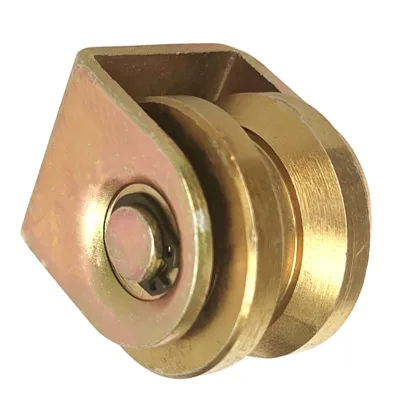
Sourcing Galvanized Polished Sliding Gate Rollers requires a clear understanding of the mechanical demands placed on these components. These rollers serve as the critical interface between the gate structure and the track, bearing the full weight of heavy sliding doors while ensuring smooth, low-friction movement. Buyers must recognize that the "polished" finish often refers to the surface treatment of the roller wheel or the gate hardware itself, which can include zinc plating or galvanized coatings to resist corrosion. The core function is to support the gate’s weight and guide its path, making material integrity and bearing quality paramount for long-term reliability.
The procurement landscape for these components is diverse, with suppliers offering various configurations such as bottom rollers, guide rollers, and bearing sliding gate wheels. Observed listings indicate a wide range of product models, including specific codes like NLT40X60, HL1U100, and HT1Y80, which suggest standardized industrial designs. Buyers should note that while some products are described as non-customized, others offer customization options, allowing for tailored solutions to specific gate dimensions or weight capacities. Understanding these variations is essential for selecting the right component that matches the existing infrastructure or new installation requirements.
Product Scope and Observed Listing Signals
The market for sliding gate rollers includes a variety of product types, from basic bottom rollers to more complex guide rollers and bearing assemblies. Listings often specify the material composition, with steel and metal being common choices for the structural components, while nylon is frequently used for the roller wheel itself to reduce noise and friction. The surface treatment is a key differentiator, with zinc plating and galvanized finishes providing essential protection against environmental wear. Buyers should pay close attention to these material specifications, as they directly impact the durability and lifespan of the rollers in outdoor or high-traffic environments.
Packaging and origin are also significant signals in the sourcing process. Most products originate from China, with specific mentions of regions like Hebei, indicating a concentration of manufacturing hubs. Packaging typically involves a multi-layer approach, such as plastic bags, cartons, and pallets, to ensure safe transit. This standardized packaging suggests a mature supply chain capable of handling bulk orders. However, buyers should verify the specific packing details for each supplier, as variations in protection levels can affect the condition of the rollers upon arrival, especially for delicate bearing components.
Technical Specifications to Verify
When evaluating technical specifications, the diameter and size of the rollers are critical parameters. Observed data includes specific dimensions such as a 25mm diameter, which must be matched to the corresponding track and gate carriage design. Buyers should verify the standard ranges, which may vary from 40-200mm or 45-200mm, depending on the gate’s weight and size. It is essential to confirm that the roller’s load-bearing capacity aligns with the gate’s total weight, including any additional hardware or wind load factors. Mismatched specifications can lead to premature failure, excessive wear, or gate misalignment.
The type of bearing and installation method are also vital technical considerations. Listings indicate the use of steel bearings, which offer robust performance but require proper lubrication and maintenance. Installation methods vary, with some rollers designed for bolt welding on steel gates, while others may use different mounting mechanisms. Buyers should ensure that the installation requirements are compatible with their existing gate structure. Additionally, the stretch elongation and customization options should be reviewed to ensure the rollers can accommodate any necessary adjustments or modifications during the installation process.
Compliance and Safety Documentation
While specific certification standards are not always explicitly listed in general product descriptions, buyers must ensure that the rollers meet relevant safety and quality standards for gate hardware. The warranty period, often cited as five years, serves as an indicator of the manufacturer’s confidence in the product’s durability. However, buyers should verify the terms of this warranty, including coverage for bearing failure, material defects, and corrosion resistance. Understanding the warranty conditions is crucial for assessing the long-term value and risk associated with the purchase.
Documentation should also include material safety data sheets and compliance certificates for the metals and coatings used. Galvanized and zinc-plated finishes must comply with environmental regulations regarding heavy metal content and coating thickness. Buyers should request these documents to ensure that the products meet local regulatory requirements, particularly if the gates are being installed in commercial or public spaces. Proper documentation not only ensures compliance but also facilitates easier maintenance and replacement in the future.
Cost Drivers and Commercial Terms
The cost of sliding gate rollers is influenced by several factors, including material quality, bearing type, and surface treatment. Steel and metal components, along with nylon wheels, contribute to the base cost, while additional treatments like zinc plating or galvanized finishes add to the price. Buyers should compare quotes based on these specific attributes rather than just the unit price, as cheaper options may compromise on material integrity or bearing quality. The observed price range of 0.3-241 USD reflects this variability, highlighting the importance of detailed specification matching.
Minimum order quantities (MOQ) and lead times are also significant commercial considerations. MOQs typically range from 10 to 2000 pieces, with some suppliers requiring a minimum of 100 pieces. Lead times can vary from 8 to 30 days, depending on the order size and customization requirements. Buyers should plan their procurement schedule accordingly, allowing for sufficient time for production and shipping. Negotiating flexible MOQs or consolidated shipping options can help optimize costs and ensure timely delivery for large-scale projects.
Supplier Qualification and Quality Control
Supplier qualification is a critical step in ensuring the reliability of the sourced rollers. Buyers should verify the supplier’s manufacturing capabilities, including their experience with steel and metal fabrication, as well as their quality control processes. Suppliers with a history of producing standardized models like NLT40X60 or HL1U100 are likely to have established quality assurance protocols. Buyers should request samples or conduct factory audits to assess the consistency of their production and the integrity of their bearings and coatings.
Quality control measures should include rigorous testing of the rollers’ load-bearing capacity, smoothness of rotation, and corrosion resistance. Buyers should inquire about the testing procedures used by the supplier, such as salt spray tests for galvanized finishes or load tests for bearings. Additionally, buyers should establish clear acceptance criteria for incoming goods, including visual inspections for surface defects and functional tests for bearing performance. Implementing a robust quality control process helps mitigate the risk of receiving substandard products and ensures long-term satisfaction.
Long-Term Procurement Checks
Long-term procurement success depends on establishing a reliable supply chain and maintaining consistent quality over time. Buyers should monitor supplier performance metrics, such as on-time delivery rates, defect rates, and responsiveness to issues. Regular communication with suppliers can help address any emerging problems early and foster a collaborative relationship. Buyers should also stay informed about industry trends and technological advancements in gate hardware, which may offer improved products or more cost-effective solutions.
Maintenance and replacement planning are essential for the long-term operation of sliding gates. Buyers should ensure that spare parts, including rollers and bearings, are readily available from the supplier. Establishing a contract for periodic supply of replacement parts can help minimize downtime and extend the life of the gate system. Additionally, buyers should review the supplier’s customer support services, including technical assistance and warranty claims processing, to ensure that any issues are resolved promptly and efficiently.
FAQs
What materials are used for Galvanized Polished Sliding Gate Rollers?
These rollers typically use steel or metal bodies with nylon rollers. Some models feature steel Q235 construction for durability. The surface treatment often includes zinc plating to prevent rust and ensure smooth operation in various weather conditions for long-term gate performance.
Can I customize the specifications for these sliding gate rollers?
Yes, customization is available for many models to meet specific gate requirements. Buyers can request specific dimensions or finishes like galvanized white or yellow. However, some standard items may be non-customized, so verify the specific product model before placing an order.
What is the typical lead time for ordering these gate rollers?
The delivery date usually ranges from 8 to 30 days depending on the order volume. Specific models may have lead times between 8-20 days or 10-30 days. Buyers should confirm the exact timeline with the supplier based on their chosen quantity and customization needs.
How are these sliding gate rollers packaged for shipping?
Products are generally packed in plastic bags first, then placed in cartons, and finally on pallets. This method ensures protection during sea shipping. Some listings specify bag plus carton plus pallet arrangements to maintain product integrity throughout the logistics process.
What is the minimum order quantity for these gate rollers?
The minimum order quantity varies by product, ranging from 10 to 2000 pieces. Specific models may require 100 pieces as a baseline. Buyers should check the individual product page for the exact MOQ applicable to the specific roller model they intend to purchase.
Which types of gates can these bottom rollers support?
These bottom rollers are designed for sliding gates, carriage doors, and standard doors. They function effectively as gate hardware accessories. The usage is explicitly listed for gates and doors, ensuring compatibility with various sliding mechanisms requiring reliable wheel support.
What warranty is provided for these sliding gate roller wheels?
A five-year warranty is available for certain models of these gate rollers. This coverage ensures reliability for the buyer. The warranty terms apply to the specific product attributes listed, providing assurance against manufacturing defects during the specified period.