Source Custom Rubber U Cup Hydraulic Seals for Industry
Find 30 customized Rubber U Cup Hydraulic Seal options from Hebei, China. Compare materials like NBR, FKM, and silicone, along with hardness and pressure ratings, to find suitable industrial and automotive sealing solutions; compare the available evidence and request quotations based on your requirements.
Key considerations
Products List
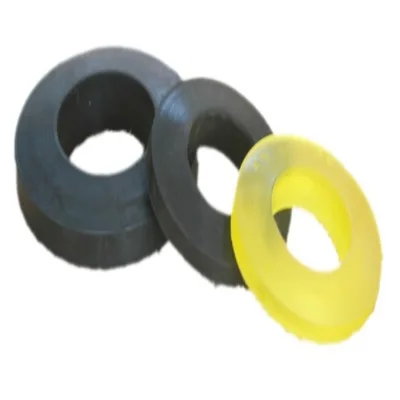


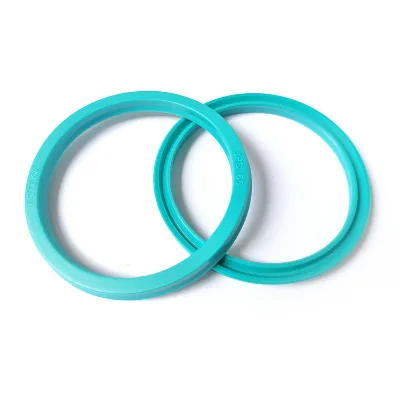

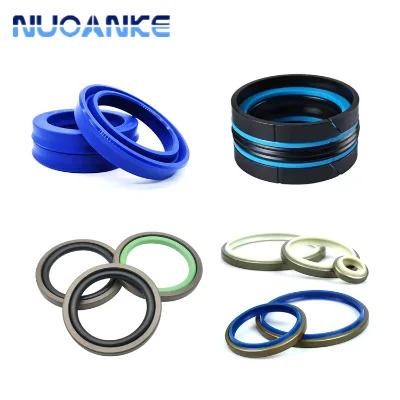
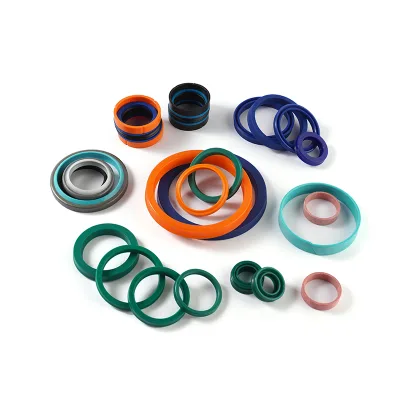


Customized Piston & Rod Seal Standard China Standard U Cup Ring/ U Cup Seal
$0.10 - $2.00
MOQ: 1000 Pieces

Comprehensive Sourcing Guide
Rubber U Cup Hydraulic Seal Sourcing Guide
Sourcing rubber U cup hydraulic seals requires a disciplined approach to material selection and dimensional precision, as these components are critical for maintaining pressure integrity in dynamic sealing applications. Buyers must recognize that the performance of a U-cup seal is heavily dependent on the specific elastomer compound used, which must align with the operating environment’s temperature range, fluid compatibility, and pressure demands. The observed market data indicates a wide variety of materials are available, including Nitrile Rubber (NBR), Fluorocarbon Rubber (FKM), Silicone, and Polyurethane, each offering distinct advantages in terms of chemical resistance and mechanical durability. Understanding these material properties is the first step in preventing premature seal failure and ensuring long-term system reliability.
Procurement teams should also consider the manufacturing processes and customization options available from suppliers, as off-the-shelf solutions may not always meet the exact requirements of complex hydraulic systems. Many manufacturers offer OEM and ODM services, allowing for tailored designs based on specific engineering drawings or 3D models. This flexibility is particularly valuable for industries such as automotive, industrial machinery, and household appliances, where unique spatial constraints or performance criteria exist. By leveraging these customization capabilities, buyers can optimize seal geometry to enhance sealing efficiency and reduce the risk of extrusion or wear under high-pressure conditions.
Product Scope and Observed Listing Signals
The current market for rubber U cup hydraulic seals presents a diverse array of product listings, with observed price points ranging from $0.01 to $7.29 USD, reflecting variations in material quality, complexity, and order volume. Minimum Order Quantities (MOQs) typically span from 1 to 1,000 units, providing flexibility for both prototyping and large-scale production runs. High-confidence data points indicate that many suppliers are based in Hebei, China, and offer delivery times of 7-15 days, which is a crucial factor for maintaining supply chain continuity. Buyers should interpret these signals as indicative of a competitive and responsive market, but must verify specific terms with individual suppliers to ensure alignment with their procurement schedules.
Listing attributes frequently highlight key features such as customized sizes, colors, and hardness levels, which are essential for matching seals to specific hydraulic cylinder designs. Common hardness ranges observed include 20 to 90 degrees, with some specific products offering 10 to 80 Shore A, allowing for fine-tuning of seal stiffness to balance sealing force and friction. Additionally, the availability of samples is a positive indicator, enabling buyers to conduct preliminary fit and function tests before committing to larger orders. These signals suggest that suppliers are equipped to handle bespoke requirements, but buyers must clearly communicate their technical specifications to avoid mismatches in critical dimensions or material properties.
Technical Specifications to Verify
When evaluating rubber U cup hydraulic seals, buyers must rigorously verify technical specifications such as tensile strength, density, and pressure ratings to ensure compatibility with their hydraulic systems. Observed data suggests that some products boast a tensile strength of 1450 psi and a density of 1.3 g/mm³, while others may be rated for pressures up to 40 MPa. These numerical values are critical for assessing the seal’s ability to withstand operational stresses without deforming or failing. Buyers should request detailed material data sheets from suppliers to confirm these properties, as variations in compound formulation can significantly impact performance under extreme conditions.
Dimensional accuracy is another paramount consideration, with many suppliers offering sizes per required drawings or customized options to fit specific cylinder bores and rod diameters. The acceptance of 2D or 3D drawings by manufacturers indicates a capability for precision engineering, which is vital for achieving optimal sealing contact. Buyers should also verify the hardness specification, as it influences the seal’s ability to maintain contact with the cylinder wall under varying pressure conditions. Ensuring that the selected seal’s hardness and dimensions align with the system’s design parameters is essential for preventing leaks and extending the service life of the hydraulic equipment.
Compliance and Safety Documentation
Compliance with relevant standards and certifications is a critical aspect of sourcing hydraulic seals, particularly for applications in regulated industries such as automotive and aerospace. While some suppliers list CE certification, buyers must verify the scope and validity of these certifications to ensure they meet the specific regulatory requirements of their target markets. It is important to note that certification status can vary between suppliers and product lines, so relying solely on listing claims without independent verification can pose significant compliance risks. Buyers should request copies of certificates and test reports to confirm that the seals meet applicable safety and performance standards.
In addition to formal certifications, buyers should inquire about the manufacturer’s quality management systems and internal testing protocols. Understanding how suppliers conduct quality control, such as checking for defects in molding or verifying material composition, can provide insight into the consistency and reliability of the products. Documentation regarding the origin of raw materials and the processing services used, such as molding techniques, can also help assess the overall quality assurance framework. By prioritizing suppliers with robust compliance documentation and transparent quality practices, buyers can mitigate risks associated with non-conforming products and potential regulatory penalties.
Cost Drivers and Commercial Terms
The cost of rubber U cup hydraulic seals is influenced by several factors, including material selection, order volume, and customization requirements. Observed price ranges suggest that basic seals may be available at lower costs, while specialized compounds or complex geometries command higher prices. Buyers should analyze the relationship between MOQ and unit price to identify opportunities for cost savings through volume consolidation. Additionally, the availability of customized options, such as specific colors or logos, may incur additional charges, so it is important to clarify all potential cost drivers upfront to avoid unexpected expenses.
Commercial terms, including delivery times and payment conditions, also play a significant role in the total cost of ownership. With observed delivery times of 7-15 days, buyers can plan their inventory more effectively, but should confirm lead times for customized orders, which may be longer. Packaging options, such as bag or carton packing, can impact logistics costs and storage requirements, so selecting the most efficient packaging solution is advisable. Buyers should negotiate clear terms regarding sample availability, return policies, and warranty coverage to protect their interests and ensure a smooth procurement process.
Supplier Qualification and Quality Control
Supplier qualification is a vital step in ensuring the reliability of rubber U cup hydraulic seals, requiring a thorough assessment of the manufacturer’s capabilities and track record. Buyers should verify the supplier’s experience in producing seals for specific industries, such as automotive or industrial machinery, to ensure they understand the unique demands of these applications. Checking for certifications like CE and inquiring about their quality control processes, including incoming material inspection and final product testing, can provide confidence in the supplier’s ability to deliver consistent quality. A supplier’s willingness to provide samples and technical support is also a positive indicator of their commitment to customer satisfaction.
Quality control measures should extend beyond initial production to include ongoing monitoring and continuous improvement initiatives. Buyers should ask about the supplier’s procedures for handling non-conforming products and their approach to addressing customer feedback. Understanding the supplier’s capacity for customization and their ability to adhere to strict dimensional tolerances is crucial for maintaining system performance. By selecting suppliers with robust quality management systems and a proven history of reliability, buyers can reduce the risk of supply chain disruptions and ensure the long-term integrity of their hydraulic systems.
Long-Term Procurement Checks
Long-term procurement success depends on establishing strong relationships with suppliers and implementing regular performance reviews to ensure ongoing compliance and quality. Buyers should schedule periodic audits or reviews to assess the supplier’s adherence to agreed-upon specifications and quality standards. Monitoring key performance indicators, such as delivery punctuality, defect rates, and responsiveness to issues, can help identify potential problems early and facilitate corrective actions. Maintaining open communication channels with suppliers allows for collaborative problem-solving and continuous improvement, fostering a partnership that benefits both parties.
Additionally, buyers should stay informed about advancements in seal materials and technologies that could offer improved performance or cost efficiencies. Regularly reviewing market trends and supplier capabilities can help identify opportunities for optimization, such as switching to more durable compounds or consolidating orders with preferred suppliers. By proactively managing supplier relationships and staying engaged with industry developments, buyers can ensure that their hydraulic systems remain reliable and cost-effective over time. This strategic approach to procurement helps mitigate risks and supports the long-term success of the buyer’s operations.
FAQs
What materials are available for custom rubber parts?
Available materials include NBR, SBR, FKM, Silicone, NR, Polyurethane, Fluorocarbon, and Butyl Rubber. These options support various industrial and automotive applications while allowing for customized hardness and color selections to meet specific engineering requirements.
Can I request custom dimensions for rubber seals?
Yes, custom sizes are available based on your required drawings or specifications. The product supports 2D or 3D drawing acceptance, ensuring the final seal fits your exact engineering needs with a hardness range from 10 to 90 Shore A.
What is the typical delivery time for orders?
The standard delivery time ranges from 7 to 15 days after order confirmation. This lead time applies to customized rubber parts and ensures timely supply for industrial, automotive, and machinery applications without compromising on quality or precision.
Which certifications do the rubber products hold?
The products hold CE certification, ensuring compliance with relevant safety and quality standards. This certification applies to the manufacturing process and final output, providing assurance for buyers sourcing industrial components from verified Chinese suppliers.
How is the product packed for shipment?
Products are packed in bags or cartons, with options available for custom packaging requirements. Each single package typically measures 15x10x10 cm with a gross weight of 1.000 kg, ensuring safe transport for various order quantities and sizes.
What is the minimum order quantity for samples?
Samples are accepted with a minimum order quantity of 1 unit, allowing buyers to test quality before bulk purchasing. Standard orders may require higher quantities, but the flexible MOQ structure supports both small trial runs and large industrial procurement needs.
Can the supplier provide OEM or ODM services?
Yes, the supplier offers both OEM and ODM services for customized rubber parts. Buyers can request specific logos, colors, and designs, ensuring the final product aligns perfectly with their brand identity and specific application requirements in the global market.