Source Electric Egg Tart Forming Machine for Bread, Pizza, Cake
Compare 30 electric egg tart forming machines from verified Chinese suppliers. These units feature stainless steel construction, varying capacities, and power options suitable for bread, pizza, and cake production lines.
Key considerations
Products List


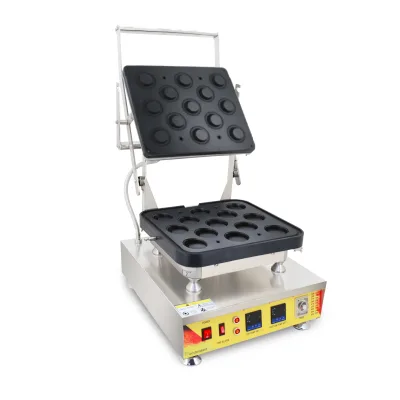
Digital Portuguese Egg Tart Molding Forming Machine Egg Tart Shell Pressing Making Machine
$8088.23 - $11000.00
MOQ: 1 Pieces


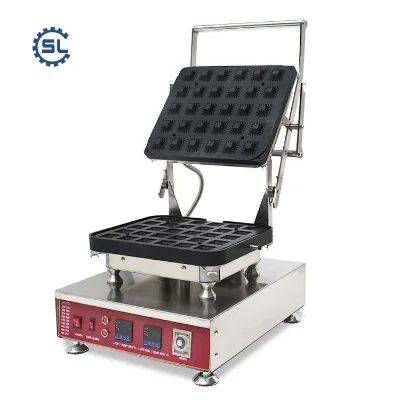
High Efficiency Low Energy Macau Egg Tart Forming Machine for Bakery
$15000.00 - $50000.00
MOQ: 1 Sets

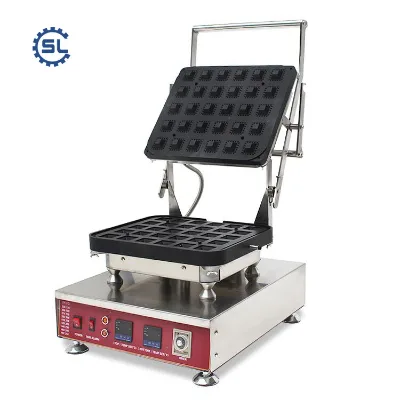
1500PCS/H Capacity Commercial Egg Tart Bread Machine, Tart Shell Forming Machine
$15000.00 - $30000.00
MOQ: 1 Sets


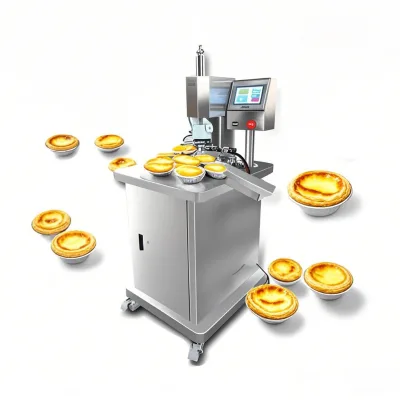
Portuguese Egg Tart Maker Machine Shell Production Pastry Forming Machine
$100000.00 - $1000000.00
MOQ: 1 Sets


Comprehensive Sourcing Guide
Strategic Sourcing Guide for Electric Egg Tart Forming Machines
The global demand for automated bakery equipment has surged, with electric egg tart forming machines emerging as a critical component for commercial bakeries, industrial food processing plants, and large-scale catering operations. Sourcing these machines requires a disciplined approach that balances technical specifications, compliance verification, and total cost of ownership. Unlike general-purpose mixers or ovens, forming machines demand precise mechanical tolerances to ensure consistent product geometry and weight. This guide synthesizes available market data to assist procurement professionals in evaluating suppliers and selecting equipment that aligns with specific production requirements.
Technical Specifications and Operational Parameters
When evaluating an Electric Egg Tart Forming Machine, the primary focus must be on the core operational parameters that dictate throughput and product quality. The power requirements for these units typically align with standard industrial electrical grids, with observed voltage specifications centering around 220V. Buyers should verify that the machine's power source is strictly electric, as manual or pneumatic alternatives may lack the consistency required for high-volume production. The power consumption is a significant variable; observed data indicates units ranging from 0.4kW to 1.5kW, with some configurations requiring 220V single-phase power. Selecting the correct power rating is essential for matching the machine to the facility's electrical infrastructure without overloading circuits.
Capacity is another defining technical metric. The production rate varies significantly based on the model and automation level. Specific data points highlight capacities ranging from 28 to 36 pieces per minute, which translates to approximately 1,500 to 1,800 pieces per hour. This range is critical for procurement planning, as it determines whether the machine can meet peak production demands. Furthermore, the physical dimensions of the machinery are non-negotiable for facility layout planning. Observed standard dimensions include configurations such as 920x860x1450mm, 1350x500x1500mm, and 2190x1060x1400mm. Buyers must ensure their production floor can accommodate the largest footprint models, which may reach lengths of over two meters.
The material composition of the machine is paramount for food safety and durability. The predominant material observed in high-quality units is stainless steel, which offers resistance to corrosion and ease of cleaning. This is particularly important for equipment that comes into direct contact with dough and batter. Additionally, the air consumption for pneumatic components should be considered, with some models requiring an air volume of 0.2m³/min. The presence or absence of a timing device is a key differentiator; while some units are equipped with timing devices for precise cycle control, others operate without them, relying on mechanical synchronization. Procurement teams must assess whether their specific production workflow requires programmable timing or if a simpler mechanical system suffices.
Compliance, Certification, and Safety Standards
In the food processing industry, compliance with international safety and quality standards is not optional; it is a prerequisite for market entry and operational licensing. When sourcing electric egg tart forming machines, buyers must rigorously verify the certification status of the equipment. The most commonly observed certification in the market is the CE mark, which indicates conformity with health, safety, and environmental protection standards for products sold within the European Economic Area. Another certification noted in the supply chain is ISOCE, which suggests adherence to specific organizational or quality management protocols. However, the absence of a specific certification in a product listing does not automatically imply non-compliance, but it necessitates a direct request for documentation from the supplier.
Safety standards extend beyond electrical certifications to include material safety and operational protocols. The use of stainless steel is often linked to compliance with food-grade material standards, ensuring that no harmful substances leach into the product. Buyers should also investigate the origin of the machinery, as production locations such as Guangzhou and Henan in China are known manufacturing hubs. While these regions have robust industrial ecosystems, the specific factory's adherence to local and international safety regulations must be confirmed. The packaging standards also play a role in compliance; options such as fumigation-free wooden cases or export-standard wooden packages are designed to meet international shipping regulations and prevent pest infestation during transit.
Cost Drivers and Pricing Dynamics
The pricing of electric egg tart forming machines is influenced by a complex array of factors, resulting in a wide observed range from $750 to $1,000,000. This vast disparity indicates that the market encompasses everything from small-scale, semi-automatic units to fully integrated, high-speed industrial lines. The primary cost drivers include the level of automation, the complexity of the forming mechanism, the quality of materials used, and the inclusion of advanced features like timing devices or digital interfaces. A machine priced at the lower end of the spectrum likely represents a basic model with minimal automation, whereas units at the higher end may feature advanced robotics, multi-station forming, and integrated quality control systems.
Minimum Order Quantity (MOQ) is another critical cost factor. The observed MOQ range for these machines is between 1 and 5 units. This flexibility allows small bakeries to purchase a single unit for pilot testing, while larger industrial buyers can negotiate bulk pricing for orders of five or more. Buyers should be aware that the price per unit often decreases as the order quantity increases, making it advantageous to consolidate procurement needs. Additionally, the net weight of the machine, which can range from 135kg to 210kg, impacts shipping costs. Heavier units require more robust packaging and specialized freight logistics, which can add significant hidden costs to the final purchase price.
Typical Applications and Production Versatility
Electric egg tart forming machines are designed with specific applications in mind, primarily targeting the production of egg tarts, but their versatility often extends to other baked goods. The observed usage data confirms that these machines are suitable for producing bread, pizza, cake, and biscuit products. This versatility makes them an attractive investment for facilities that produce a diverse range of bakery items, allowing for a single piece of equipment to serve multiple production lines. The ability to switch between different product types depends on the machine's customization capabilities and the availability of interchangeable molds or dies.
The customization options available in the market further enhance the applicability of these machines. Some suppliers offer fully customized solutions, while others provide non-customized, standard models. For buyers with unique product requirements, such as specific tart sizes or shapes, a customized machine may be necessary. The production process involved is typically thermal processing, which implies that the machine is designed to work in conjunction with ovens or other heating equipment. Understanding the specific workflow of the bakery is essential; a machine that excels in high-volume biscuit production might not be optimized for the delicate handling required for egg tart dough. Buyers should request case studies or demonstration videos that show the machine operating with their specific product types to verify its suitability.
Supplier Evaluation and Quality Assurance
Evaluating suppliers for electric egg tart forming machines requires a multi-faceted approach that goes beyond price comparison. The first step is to verify the supplier's location and production history. Key origins identified in the market include Guangzhou and Henan, China, which are established manufacturing centers. However, the specific factory's reputation and history should be scrutinized. Buyers should request references from previous clients, particularly those in similar industries or with comparable production volumes. The availability of after-sales support, including spare parts and technical assistance, is a critical indicator of supplier reliability.
Quality control measures should be a central part of the supplier evaluation process. Buyers must inquire about the testing protocols used during the manufacturing phase. While specific test results are not always publicly available, suppliers should be able to describe their internal quality assurance procedures. The packaging method is also a proxy for quality; options like wooden boxes, neutral packing, or fumigation-free wooden cases indicate a commitment to protecting the machine during transit. Furthermore, the clarity of the product specifications, such as the model numbers (e.g., DT-A303S, DT-A303R, HT-DT36), suggests a level of transparency and organization in the supplier's operations. A supplier that can provide detailed technical manuals and clear model differentiation is more likely to deliver a high-quality product.
Long-Term Procurement and Maintenance Considerations
Long-term procurement success depends on the durability and maintainability of the Electric Egg Tart Forming Machine. The initial purchase price is only one component of the total cost of ownership; maintenance, energy consumption, and potential downtime must also be factored in. Machines with higher power ratings, such as those consuming 1.5kW, may incur higher energy costs over time compared to more efficient 0.4kW models. Buyers should analyze the energy efficiency of the machine relative to its output capacity to determine the most cost-effective option for their specific volume.
Maintenance requirements are closely tied to the machine's design and material quality. Stainless steel construction generally offers lower maintenance needs due to its resistance to wear and corrosion. However, the presence of moving parts, such as those involved in the forming process, will require regular lubrication and inspection. The availability of spare parts is crucial; suppliers should guarantee the long-term availability of critical components. Additionally, the lead time for repairs or replacements should be considered, as prolonged downtime can significantly impact production schedules. Buyers should also evaluate the training provided by the supplier to ensure that their staff can operate and maintain the machine effectively, minimizing the risk of operator error and premature wear.
Comparative Analysis of Key Models
To facilitate decision-making, it is helpful to compare the key models available in the market based on the observed specifications. The following table summarizes the distinct characteristics of several prominent models, highlighting their differences in dimensions, power, and capacity.
| Model Number | Dimensions (mm) | Power Rating | Capacity (Pieces/Hour) | Timing Device | Material |
|---|---|---|---|---|---|
| DT-A303S | 920x860x1450 | 1.5kw | 1500-1800 | Without | Stainless Steel |
| DT-A303R | 1350x500x1500 | 0.4kw | 1680-2160 | With | Stainless Steel |
| DT-04A | 2190x1060x1400 | 220V 1 Phase | 1500-1800 | Without | Stainless Steel |
| BM-04A | 680x600x1500 | 0.4kw | 1680-2160 | Without | Stainless Steel |
| HT-DT36 | 700x800x1450 | 0.4kw | 1680-2160 | Without | Stainless Steel |
| GG-A303 | 840x690x1500 | 0.4kw | 1680-2160 | Without | Stainless Steel |
| GGA303-1 | 1350x500x1500 | 0.4kw | 1680-2160 | Without | Stainless Steel |
Note: Capacity calculations are based on the observed range of 28-36 pcs/min. Dimensions and power ratings are as observed in the product data.
This comparison reveals that while many models share similar power ratings and material compositions, the physical dimensions and the presence of timing devices vary significantly. The DT-A303R, for instance, includes a timing device, which may offer better control for specific production needs, whereas the DT-A303S lacks this feature but offers a robust 1.5kW power rating. The GG-A303 and GGA303-1 models share identical dimensions, suggesting they may be variations of the same base design with different internal configurations. Buyers should use this data to narrow down their options based on their specific space constraints and operational requirements.
In conclusion, sourcing an Electric Egg Tart Forming Machine requires a careful balance of technical due diligence, compliance verification, and strategic cost analysis. By focusing on the specific attributes outlined in this guide, buyers can make informed decisions that ensure their investment delivers the desired production efficiency and product quality. The market offers a diverse range of options, from compact units for small bakeries to large-scale industrial machines, and the key to success lies in matching the machine's capabilities to the buyer's unique operational profile.
FAQs
What is the power consumption range for these machines?
Power consumption ranges from 0.4kW to 1.5kW depending on the specific model configuration. Some units operate on 220V single-phase power while others may require different electrical setups, so verify the exact rating before installation.
Can the machine produce items other than egg tarts?
Yes, the machine is versatile and suitable for producing bread, pizza, cake, and biscuit products. This flexibility allows bakeries to use a single unit for multiple product lines by adjusting molds or settings.
What is the typical production capacity per hour?
Production capacity typically ranges from 1500 to 1800 pieces per hour, equivalent to 28 to 36 pieces per minute. This output level supports both small-scale commercial bakeries and larger industrial food processing operations.
Are these machines available with timing devices?
Both models with and without timing devices are available in the current market. Some units feature timing devices for precise cycle control, while others rely on mechanical synchronization for operation.
What material is used to construct the machine frame?
The primary construction material is stainless steel, ensuring durability and resistance to corrosion. This material choice supports food safety standards and simplifies cleaning processes in commercial kitchen environments.
Which certifications are commonly found on these units?
Common certifications include CE and ISOCE, indicating compliance with safety and quality standards. Buyers should verify specific certification documents from the supplier to ensure the machine meets regional regulatory requirements.
What is the minimum order quantity for purchasing?
The minimum order quantity ranges from 1 to 5 units, offering flexibility for different business sizes. Small bakeries can purchase single units for testing, while larger buyers may negotiate bulk pricing for five or more.
Where are these machines typically manufactured?
Manufacturing origins are primarily located in Guangzhou and Henan, China. These regions are established industrial hubs known for producing high-volume bakery equipment with varying levels of automation and customization.