Source Galvanized Steel Concrete Insert Channel for Construction
Compare 27 listings for Galvanized Steel Concrete Insert Channel from verified Chinese manufacturers. View specifications including thickness, dimensions, and certifications like ISO and CE to find the right product for your project needs; compare the available evidence and request quotations based on your requirements.
Updated
Key considerations
Products List

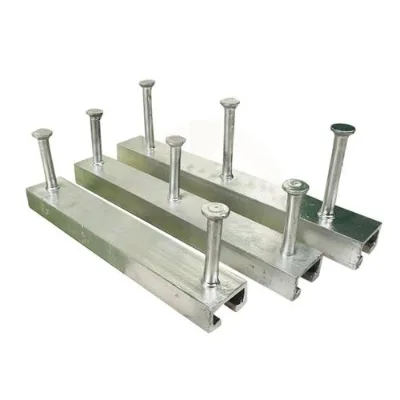
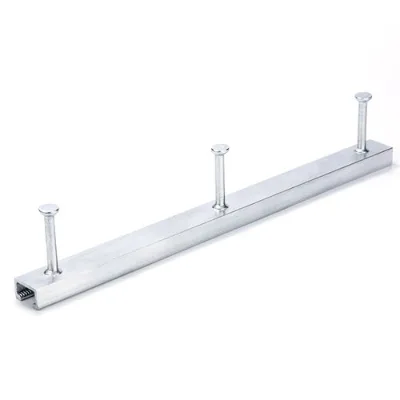
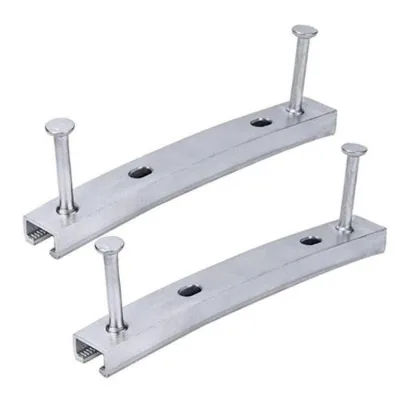
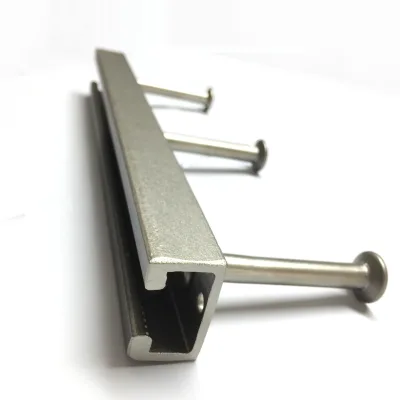
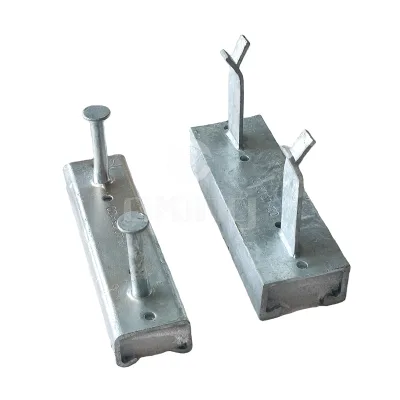
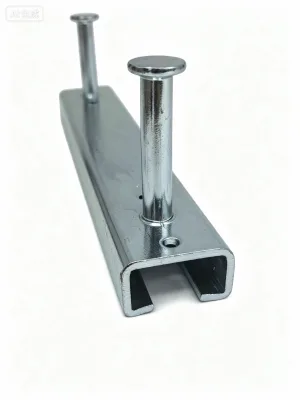
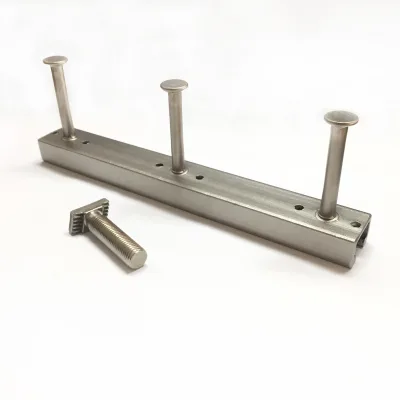
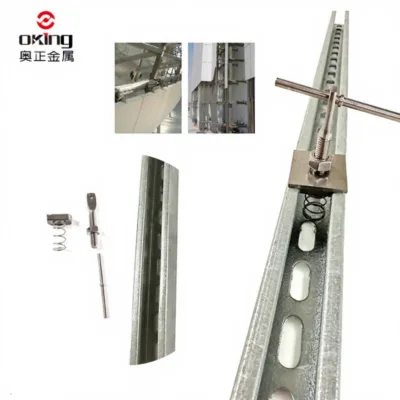
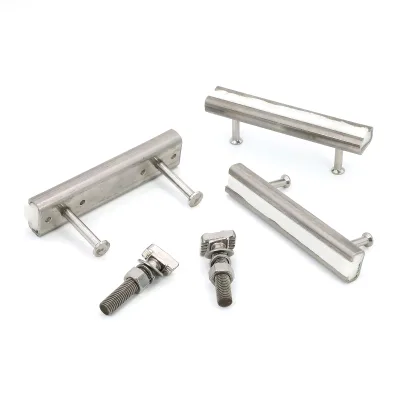
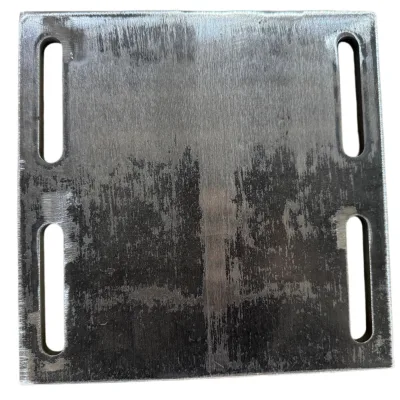
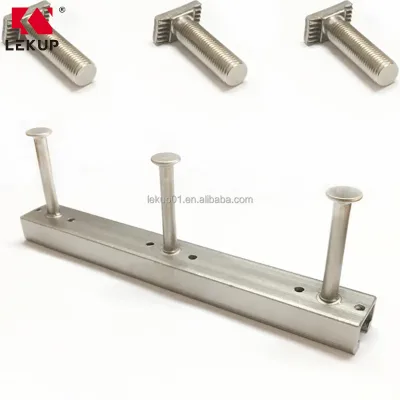
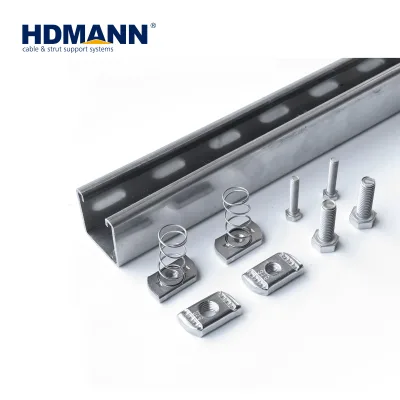
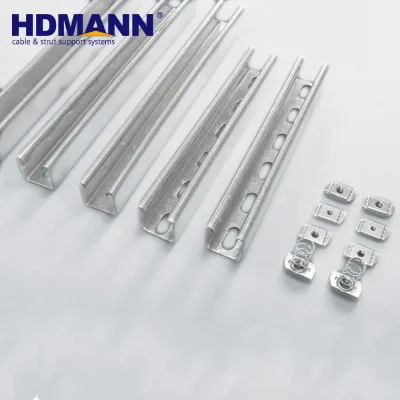
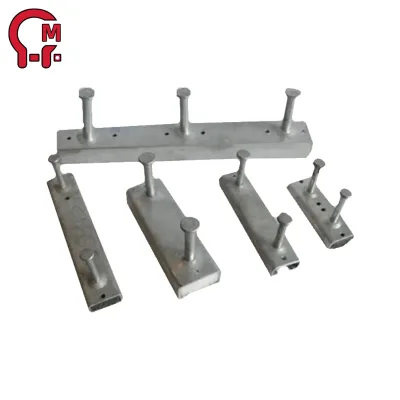
Cold Bending Anchor Channels HDG Galvanized Steel Channel Unistrut Unicanal canal De Puntal
$4.0931 - $24.5583
MOQ: 500 pieces
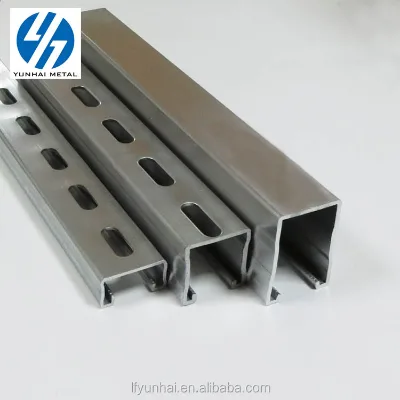







Comprehensive Sourcing Guide
Galvanized Steel Concrete Insert Channel Sourcing Guide
Procuring galvanized steel concrete insert channels requires a disciplined approach to aligning technical specifications with structural performance requirements. These components serve as critical connection points between precast concrete elements and steel frameworks, demanding precise dimensional accuracy and robust corrosion resistance. Buyers must prioritize channels that offer customizable thicknesses and widths to accommodate varying load-bearing needs, ensuring that the selected profile matches the specific engineering constraints of the project. The availability of cold-bending equal channel designs provides flexibility in installation, allowing for seamless integration into complex architectural geometries while maintaining structural integrity under dynamic loads.
The sourcing landscape for these channels is characterized by a wide range of material grades and surface treatments, necessitating careful verification of supplier capabilities. Observations indicate that carbon steel and stainless steel options are prevalent, with hot-dip galvanization and pre-galvanized finishes being standard protective measures against environmental degradation. Buyers should evaluate suppliers based on their ability to provide customized models, such as the CCH-41 or JCHX-M00315, which cater to specific industry standards like ASTM, BS, and DIN. Understanding the interplay between material grade, such as Q235B, and surface coating quality is essential for ensuring long-term durability and compliance with international construction codes.
Product Scope and Observed Listing Signals
The market for galvanized steel concrete insert channels exhibits significant variability in product attributes, reflecting diverse manufacturing capabilities and customer demands. Listings frequently highlight customization options, including adjustable thicknesses ranging from 0.8mm to 2.5mm and web widths spanning 40mm to 500mm. These dimensions allow for tailored solutions that meet specific structural requirements, while the presence of perforated designs enhances concrete bonding and load distribution. Buyers should note that product names often include descriptors like "HDG Concrete Insert Channel" or "Toothed Halfen cold rolled steel channel," indicating specialized features that may influence installation methods and performance characteristics.
Observed listing signals also reveal a broad spectrum of packaging and delivery terms, which can impact logistics planning and cost efficiency. Standard packing methods include wrapping film and customer-requested configurations, ensuring protection during transit. Delivery times typically range from 20 to 25 days after order approval, providing a predictable timeline for project scheduling. Additionally, the availability of free samples and online installation guidance supports buyer confidence and reduces the risk of installation errors. These factors collectively contribute to a transparent sourcing environment where buyers can make informed decisions based on clear product specifications and supplier commitments.
Technical Specifications to Verify
Verifying technical specifications is paramount to ensuring that galvanized steel concrete insert channels meet project requirements. Buyers should confirm the exact material grade, such as Q235B, and verify the surface treatment process, whether hot-dip galvanized or pre-galvanized, to ensure adequate corrosion resistance. The thickness of the channel web, typically ranging from 1.5mm to 5mm, must be validated against load-bearing calculations to prevent structural failure. Additionally, the channel shape, often C-channel or U-shaped, should be inspected for dimensional accuracy, as deviations can compromise the fit and stability of the connection points within the concrete matrix.
Load capacity and environmental resistance are critical technical parameters that require thorough verification. Buyers should inquire about the wind load tolerance, which can range from 0 to 60m/s, and snow load capacity, typically up to 3kN/m², to ensure the channels can withstand local climatic conditions. The earthquake resistance feature is another vital consideration, particularly in seismically active regions, as it enhances the overall safety and durability of the structure. Confirming these specifications with the supplier through detailed technical drawings and material test reports is essential to mitigate risks and ensure compliance with engineering standards.
Compliance and Safety Documentation
Compliance with international standards and certifications is a non-negotiable aspect of sourcing galvanized steel concrete insert channels. Buyers must verify that suppliers hold relevant certifications, such as ISO, CE, and GB, which attest to the quality management systems and product safety standards adhered to during manufacturing. These certifications provide assurance that the channels meet rigorous testing protocols and are suitable for use in commercial and industrial applications. Additionally, compliance with standards like ASTM, BS, and DIN ensures that the products align with global construction practices, facilitating easier integration into international projects and reducing regulatory hurdles.
Safety documentation should also include detailed information on the coating process and material composition, particularly regarding zinc aluminum magnesium coatings or galvanized finishes. Buyers should request certificates of analysis to confirm the absence of harmful substances and ensure that the products comply with environmental regulations such as REACH and RoHS, although these are noted as low-confidence background facts. Transparent documentation of the manufacturing process, including forging techniques and surface treatments, helps buyers assess the reliability and longevity of the channels. This due diligence is crucial for maintaining project integrity and avoiding potential legal or safety issues.
Cost Drivers and Commercial Terms
Understanding the cost drivers associated with galvanized steel concrete insert channels is essential for effective budgeting and procurement planning. The primary cost factors include the raw material grade, surface treatment complexity, and customization requirements. Channels with higher thicknesses, specialized coatings, or custom dimensions typically incur higher production costs, which are reflected in the final price. Buyers should also consider the impact of order volume on pricing, as larger quantities often benefit from economies of scale, reducing the per-unit cost. Observations indicate a price range of $0.01 to $55, highlighting the variability based on specifications and supplier terms.
Commercial terms, including minimum order quantities (MOQ) and payment conditions, significantly influence the overall procurement strategy. MOQs can range from 1 to 5000 units, with some suppliers requiring a minimum of 200 units, which may affect inventory management and cash flow. Payment terms often involve a deposit followed by balance upon delivery, with lead times of 20-25 days after order approval. Buyers should negotiate flexible terms that align with their project timelines and financial capabilities, while also considering the value-added services such as online technical support and free samples. These factors collectively determine the total cost of ownership and the efficiency of the supply chain.
Supplier Qualification and Quality Control
Supplier qualification is a critical step in ensuring the reliability and consistency of galvanized steel concrete insert channels. Buyers should assess suppliers based on their manufacturing capabilities, quality control processes, and track record in the industry. Suppliers located in regions like Tianjin and Jiangsu, China, often have established expertise in steel channel production, offering a range of models and customization options. Verifying the supplier's ability to provide detailed technical support and after-sales service is equally important, as it ensures ongoing assistance and problem resolution throughout the project lifecycle.
Quality control measures should include rigorous inspection of raw materials, production processes, and finished products. Buyers should request evidence of quality assurance protocols, such as ISO 9001 certification, which demonstrates a commitment to consistent product quality. Additionally, suppliers should provide material test reports and coating thickness measurements to verify compliance with specified standards. Engaging in regular communication with suppliers and conducting periodic audits can further enhance quality control, ensuring that the channels meet the required performance criteria. This proactive approach minimizes the risk of defects and ensures that the procurement process aligns with project quality standards.
Long-Term Procurement Checks
Long-term procurement checks are essential for maintaining the reliability and performance of galvanized steel concrete insert channels over the project lifecycle. Buyers should establish a system for periodic review of supplier performance, including delivery times, product quality, and responsiveness to issues. Monitoring these metrics helps identify potential supply chain disruptions and ensures that suppliers continue to meet contractual obligations. Additionally, staying informed about updates in industry standards and regulations allows buyers to adapt their procurement strategies accordingly, ensuring ongoing compliance and safety.
Continuous improvement in procurement practices involves leveraging feedback from project teams and end-users to refine supplier selection criteria. Buyers should document lessons learned from previous projects, including challenges related to installation, durability, and cost, to inform future sourcing decisions. Engaging in strategic partnerships with suppliers who demonstrate a commitment to innovation and quality can provide a competitive advantage and enhance project outcomes. By maintaining a proactive and data-driven approach to procurement, buyers can optimize the value and reliability of galvanized steel concrete insert channels, supporting the long-term success of their construction projects.
FAQs
What is the standard thickness range for these channels?
The standard thickness ranges from 0.8mm to 2.5mm for most models. Custom thicknesses are also available to meet specific project requirements. This flexibility allows buyers to select the appropriate gauge for their structural needs while ensuring compliance with industry standards.
Which certifications are available for these steel channels?
Common certifications include ISO, CE, and GB standards. These documents verify that the manufacturing processes and product quality meet international regulatory requirements. Buyers should request specific certification copies from suppliers to ensure compliance with local building codes and safety regulations.
Can the channels be customized for specific applications?
Yes, customization is available for dimensions, thickness, and surface treatments. Buyers can request specific sizes or coatings like zinc aluminum magnesium. This adaptability ensures the channels fit unique construction projects while maintaining structural integrity and corrosion resistance for long-term performance.
What is the typical lead time for orders?
The typical delivery time is 20-25 days after the order is approved and the deposit is received. This timeline allows for production and quality checks. Buyers should plan their procurement schedules accordingly to avoid delays in their construction or installation projects.
Where are these steel channels typically manufactured?
These channels are primarily manufactured in China, with origins in regions like Tianjin and Jiangsu. This location offers access to robust steel supply chains and manufacturing capabilities. Buyers can leverage this geographic advantage for competitive pricing and efficient logistics when sourcing these materials.
What surface treatments are offered for corrosion resistance?
Surface treatments include hot-dip galvanized, pre-galvanized, and zinc aluminum magnesium coatings. These options provide varying levels of corrosion protection depending on the environmental conditions. Selecting the appropriate treatment ensures the channels withstand harsh weather and maintain structural integrity over time.