Source Geotextile for Roads, Drainage, and Insulation
Find 30 Geotextile options from China, including woven and non-woven types made from PP, PET, or fiberglass. Compare specifications like weight, certification, and customization to select the right material for water filtration, waterproofing, and insulation projects; compare the available evidence and request quotations based on your requirements.
Key considerations
Products List


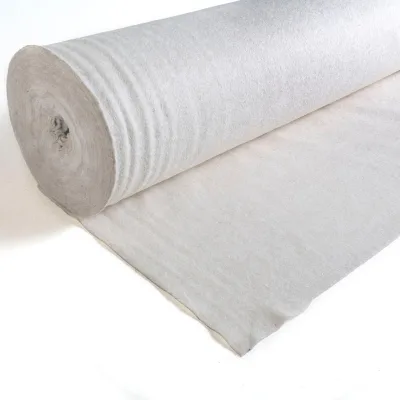
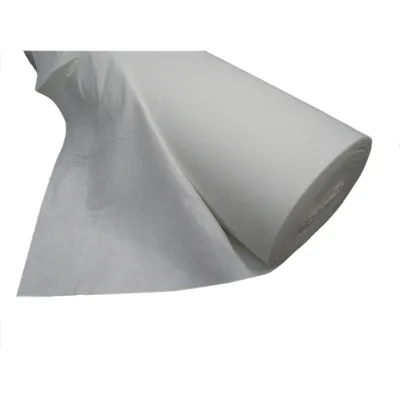
Non-Woven Geotextile for Keeping Stability of Water Conservation Project
$0.10 - $0.16
MOQ: 1000 Square Meters



Comprehensive Sourcing Guide
Geotextile Sourcing Guide
Buyers must first distinguish between woven and non-woven geotextiles, as the supplied data indicates distinct material compositions ranging from polypropylene to fiberglass and PET. The observed listings reveal that non-woven variants are frequently marketed for filtration and insulation, while woven types emphasize high strength for road and hydraulic engineering applications. Understanding this fundamental structural difference is critical before evaluating specific supplier catalogs, as the intended function dictates the required tensile strength and permeability characteristics.
Procurement teams should also scrutinize the observed customization options, which include variable weights from 100GSM to 800GSM and roll dimensions spanning 2 to 4 meters in width. The market data suggests that length is often customizable, with some suppliers offering free samples to validate these physical attributes before bulk commitment. Buyers need to align these variable specifications with their project's engineering requirements, ensuring that the selected Geotextile density and roll size match the logistical constraints of the construction site.
Product Scope and Observed Listing Signals
The current market listings demonstrate a wide spectrum of product features, including wear resistance, oxidation resistance, and corrosion resistance, which are essential for long-term durability in harsh environments. Suppliers frequently highlight high-density capabilities and specific color options such as black, white, and grey, allowing buyers to select materials that meet both functional and aesthetic project needs. These observed attributes serve as primary signals for quality, indicating that the manufacturer has the capacity to produce specialized variants for diverse engineering challenges.
Buyers should note that the observed product range includes specific applications like water filtration, waterproofing, and drainage, which are explicitly listed in the supplier descriptions. The presence of keywords like "Engineering Geotextile" and "High Strength Woven Geotextile" suggests a focus on heavy-duty infrastructure projects rather than light landscaping uses. It is vital to verify that the specific product listing matches the intended application, as the performance requirements for a road base differ significantly from those for environmental protection or hydraulic engineering.
Technical Specifications to Verify
Verification of material composition is the first technical step, as the data shows products made from PP, PET, and fiberglass, each offering unique mechanical properties. Buyers must confirm that the selected material aligns with the project's chemical and physical demands, particularly regarding resistance to oxidation and corrosion. The observed weight specifications, ranging from 100GSM to 800GSM, provide a baseline for density, but buyers should request detailed tensile strength data to ensure the Geotextile can withstand the specific loads of the intended application.
Dimensional consistency is another critical area for verification, with observed roll widths between 2 and 4 meters and lengths varying from 20 to 50 meters. Since length is often customized, buyers must confirm the exact roll dimensions to optimize cutting patterns and minimize waste on the construction site. Additionally, the observed standard of 110-1100g suggests a broad range of areal weights, requiring precise confirmation of the target weight to ensure the Geotextile meets the specific filtration or separation requirements of the engineering design.
Compliance and Safety Documentation
Compliance verification should begin with the observed certifications, which include ISO and CE marks, indicating adherence to international quality and safety management systems. Buyers must request valid certificates for these standards to confirm that the manufacturing process meets the required regulatory frameworks for the target market. The presence of ISO9001 and CE in the listings suggests a baseline of quality control, but these documents must be current and specific to the product batch being procured to ensure legal and safety compliance.
In addition to general certifications, buyers should verify adherence to specific industry standards such as ASTM and GB, which are explicitly mentioned in the product data. These standards govern critical performance metrics like permeability, puncture resistance, and UV stability, which are not always visible in a standard product listing. Procurement teams must ensure that the supplier can provide test reports validating these standards, as relying solely on the claimed compliance without documented evidence poses a significant risk to project integrity and safety.
Cost Drivers and Commercial Terms
The observed price range of 0.1 to 12.96 USD indicates significant variability driven by material type, weight, and customization levels. Buyers should understand that higher GSM weights and specialized materials like fiberglass or PET typically command higher prices compared to standard polypropylene options. The Minimum Order Quantity (MOQ) range of 10 to 5000 units further influences the unit cost, with larger orders generally securing better pricing tiers, making it essential to balance inventory needs with budget constraints.
Commercial terms must also account for the observed production capacity of 50,000,000 tons, which suggests that large-scale suppliers can handle substantial volume orders but may have longer lead times. Buyers should clarify the production timeline and shipping terms, as the customization of length and packing in PP bags can impact logistics costs. Understanding the relationship between the MOQ, unit price, and production lead time is crucial for accurate budgeting and ensuring that the supply chain can meet project deadlines without incurring unexpected penalties.
Supplier Qualification and Quality Control
Supplier qualification requires a thorough review of the production origin, with the data pointing to manufacturers located in Hebei and Hengshui, China. Buyers should verify the specific factory capabilities and history, as the concentration of Geotextile production in these regions suggests a mature supply chain but also necessitates due diligence on individual supplier reliability. Checking the brand name, such as Aohong, and cross-referencing it with industry reputation can help identify established manufacturers with a track record of consistent quality.
Quality control processes should be validated through the supplier's ability to provide free samples and detailed product specifications before mass production. The observed availability of samples allows buyers to physically test the material for features like wear resistance and thickness before committing to a large order. It is essential to establish a clear quality assurance protocol that includes third-party testing for critical parameters, ensuring that the final delivered product matches the approved sample and meets all technical specifications outlined in the purchase agreement.
Long-Term Procurement Checks
Long-term procurement success depends on establishing a reliable supply chain that can consistently deliver geotextiles meeting the evolving needs of infrastructure projects. Buyers should monitor the supplier's ability to maintain the observed standards, such as ASTM and GB, over time and ensure that their production capacity remains stable to support future project demands. Regular audits of the manufacturing process and quality control records are necessary to prevent deviations that could compromise the performance of the Geotextile in critical applications.
Finally, buyers must maintain open communication channels regarding product updates and potential changes in material composition or certification status. The market data shows a dynamic range of products, from woven to non-woven and various colors, indicating that suppliers may introduce new variants or modify existing ones. Proactive engagement with the supplier ensures that the procurement team is aware of any changes that could affect the project specifications, allowing for timely adjustments to the procurement strategy and maintaining the integrity of the long-term supply relationship.
FAQs
What materials are used for geotextiles?
Geotextiles are primarily manufactured from polypropylene (PP), polyethylene terephthalate (PET), or fiberglass. These materials provide essential durability and chemical resistance for various engineering applications. The choice of material depends on specific project requirements, such as the need for high strength or specific filtration properties in water management systems.
What certifications do geotextiles typically have?
Geotextiles commonly hold ISO and CE certifications to ensure quality and safety standards. Some products also feature ISO9001 certification for quality management systems. These certifications verify that the manufacturing processes meet international requirements, providing buyers with confidence in the product's reliability and compliance for global engineering projects.
What is the minimum order quantity for geotextiles?
The minimum order quantity for geotextiles typically starts at 10 units, though standard bulk orders often require 1000 square meters. This flexibility allows buyers to request samples for free testing before committing to larger volumes. Customized lengths and weights are available to match specific project scales and logistical needs.
What are the main features of woven geotextiles?
Woven geotextiles are characterized by high strength, wear resistance, and oxidation resistance. They are designed for heavy-duty applications such as road construction and hydraulic engineering. These features ensure long-term performance under stress, making them suitable for reinforcing soil and separating layers in infrastructure projects requiring durable filtration and stabilization.
What are the standard weights for geotextiles?
Standard Geotextile weights range from 100GSM to 800GSM, including 200, 300, 400, 500, and 600GSM options. These weights determine the fabric's density and filtration capacity. Buyers can select the appropriate weight based on project specifications, ensuring optimal performance for drainage, separation, or reinforcement tasks in civil engineering applications.
Can geotextiles be customized for specific projects?
Yes, geotextiles offer extensive customization options for length, weight, and color. Buyers can request specific dimensions to fit project requirements, with roll lengths typically ranging from 20 to 50 meters. Customization ensures that the product meets precise engineering needs, providing tailored solutions for diverse applications in construction and environmental protection.