Source Three-Dimensional Frog Brooch for Weddings, Parties, and Gifts
Compare 30 listings for Three-Dimensional Frog Brooch options featuring alloy and acrylic materials with gold or silver plating. These unisex accessories are suitable for weddings, parties, and daily wear, offering customizable designs and die-casting techniques from Zhejiang suppliers; compare the available evidence and request quotations based on your requirements.
Key considerations
Products List

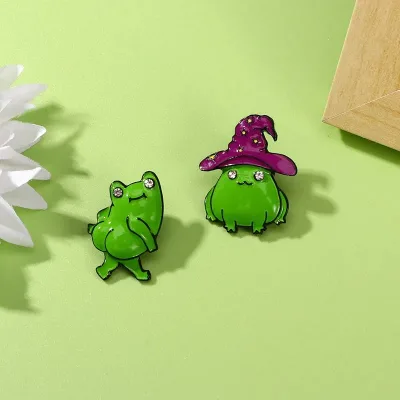
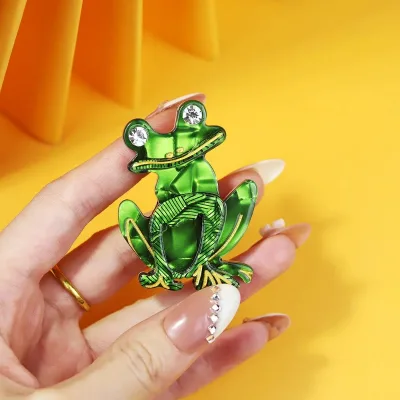
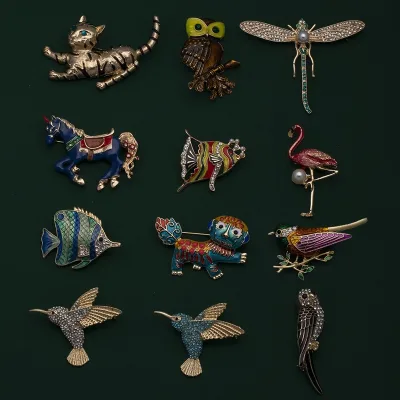
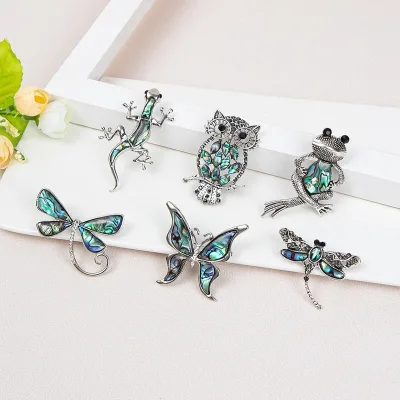
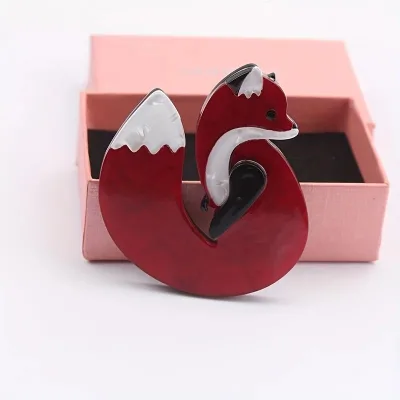


Fun Daisy Creative Geometric Rainbow Animal Whale Rabbit Elephant Collar Pin Brooch
$0.33 - $0.40
MOQ: 500 Pieces


Customized Creative Cartoon Animation Rainbow Unicorn Garment Decoration Brooch
$0.39 - $0.46
MOQ: 500 Pieces


Comprehensive Sourcing Guide
Three-Dimensional Frog Brooch Sourcing Guide
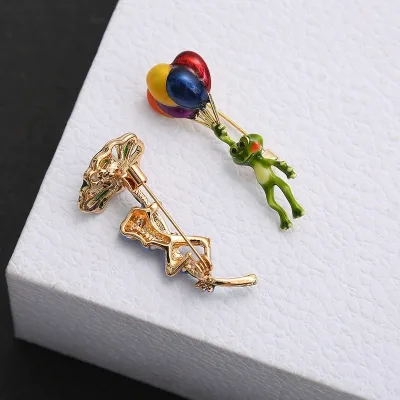
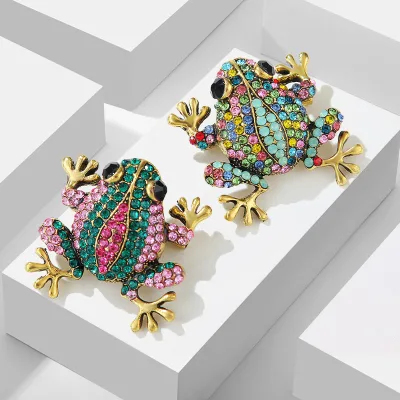
The three-dimensional frog brooch serves as a distinctive accessory primarily designed for decorative purposes on garments and accessories. Based on observed market data, these items are frequently categorized under brooches with geometric or flower-shaped patterns, often featuring crystal, rhinestone, or imitation pearl inlays. The target demographic typically includes unisex and female wearers aged 20 and above, with applications spanning daily wear, weddings, anniversaries, and parties. Buyers should note that while some listings specify a shoulder wearing way, the primary function remains as a lapel or garment accent.
Procurement strategies must account for the diverse material compositions found in current listings, which range from zinc alloy and acrylic to general metal alloys. The manufacturing processes observed include die casting, stamping, and various plating techniques such as gold, silver, and nickel finishes. These variations significantly impact the final aesthetic and durability of the piece. Sourcing teams should verify the specific material and plating type for each order, as the "unbrand" status of many suppliers suggests a high degree of customization potential for design and color codes like C14-1-369 or M3-4-1752.
Product Scope and Observed Listing Signals
Buyers must distinguish between the core three-dimensional frog design and the broader category of brooches that may share similar manufacturing origins. The observed product scope includes items with specific shape patterns described as geometric or flower-shaped, alongside those labeled simply as "other." This variation indicates that the "frog" descriptor may refer to a specific design motif within a larger inventory of animal or nature-inspired pins. Sourcing teams should carefully review product images and detailed descriptions to ensure the three-dimensional aspect is explicitly confirmed, as flat designs are also common in this category.
Listing signals reveal a wide range of color options and stone types, including oval cut diamonds and imitation pearls, which affect the visual appeal and perceived value. The single package size is consistently small, typically around 3x2x1 cm, with gross weights varying between 0.010 kg and 0.022 kg depending on the materials used. These physical attributes are critical for logistics planning and packaging cost estimation. Procurement professionals should verify if the specific frog design includes complex inlay technologies like channel setting, which may require more precise quality control during the manufacturing phase.
Technical Specifications to Verify
Technical verification begins with confirming the jewelry main material, as listings show a mix of zinc alloy, acrylic, and general metal alloys. The processing technology often involves plating, but the specific type—whether gold, silver, or nickel—must be explicitly defined in the purchase order to prevent material substitution. Buyers should also check the inlay technology, noting that some products utilize channel setting while others may use different methods. Ensuring the correct material and plating specification is essential for meeting brand standards and customer expectations regarding durability and finish.
Dimensional and structural specifications require close attention to the single gross weight and package dimensions, which can vary significantly between different product models. The observed weight range from 0.010 kg to 0.022 kg suggests differences in density and stone usage that affect shipping costs. Additionally, the attachment mechanism, such as the butterfly clutch, must be verified for compatibility with the intended garment fabric. Sourcing teams should request physical samples to confirm the "three-dimensional" depth and the stability of the attachment, ensuring the brooch remains secure during daily wear or formal events.
Compliance and Safety Documentation
Compliance verification is critical when sourcing jewelry items that may contain metals like nickel or zinc alloy, which are known allergens for some consumers. Although specific certification status is not provided in the general listing data, buyers must request documentation confirming that the plating and metal components meet international safety standards for jewelry. This includes verifying that the product does not exceed permissible limits for heavy metals, ensuring it is safe for direct skin contact. The "unbrand" nature of many suppliers means that compliance responsibility often falls entirely on the buyer to validate these safety claims.
Safety documentation should also address the materials used for inlays, such as crystals, rhinestones, and imitation pearls, to ensure they are non-toxic and securely attached. The manufacturing location in Zhejiang, China, is a major hub for this industry, but buyers should confirm that the specific factory adheres to local and export safety regulations. Requesting test reports for lead, cadmium, and other restricted substances is a standard best practice. Without these documents, the risk of product recalls or customer complaints regarding skin irritation increases significantly, particularly for items intended for sensitive demographics.
Cost Drivers and Commercial Terms
Cost drivers for three-dimensional frog brooches are heavily influenced by the choice of main material and the complexity of the plating process. Zinc alloy and acrylic are generally more cost-effective than precious metals, but the addition of intricate inlays like channel-set stones or high-quality imitation pearls can increase the unit price. The observed price range of 0.1 to 14 USD reflects these material and process variations. Buyers should analyze the cost breakdown to understand how much of the price is attributed to the raw material versus the labor-intensive die casting and stamping techniques used in production.
Commercial terms must account for the wide range of Minimum Order Quantities (MOQ) observed, which span from 2 to 2880 units. This flexibility allows buyers to test the market with small batches or secure bulk pricing for large campaigns. However, the MOQ variation often correlates with the level of customization required, such as specific color codes or custom mold making services. Sourcing teams should negotiate based on the total volume and the complexity of the design, ensuring that the unit price aligns with the expected profit margin while maintaining the quality standards required for the target market.
Supplier Qualification and Quality Control
Supplier qualification should focus on verifying the capability to provide mold making and sample making services, as many listings indicate a "design as picture" approach. This suggests that the supplier must have the technical capacity to replicate specific three-dimensional designs accurately. Buyers should assess the supplier's experience with die casting and stamping techniques to ensure they can produce consistent results across large batches. The ability to offer customized options, such as specific colors or branding, is a key indicator of a supplier's flexibility and technical maturity.
Quality control protocols must be established to monitor the consistency of plating, stone setting, and overall finish. Given the variation in gross weight and material composition, a rigorous inspection plan is necessary to prevent defects like loose stones or uneven plating. Buyers should implement a pre-shipment inspection that checks the attachment mechanism, such as the butterfly clutch, for durability. Regular audits of the manufacturing process in Zhejiang, China, can help ensure that the supplier maintains the high standards required for export-quality jewelry, minimizing the risk of receiving substandard goods.
Long-Term Procurement Checks
Long-term procurement success depends on maintaining a stable supply chain that can adapt to changing design trends and material costs. Buyers should establish a relationship with suppliers who can consistently deliver the specific three-dimensional frog designs required, ensuring that the "unbrand" products can be rebranded or customized as needed. Regular communication regarding material availability and production capacity is essential to avoid delays, especially when dealing with complex inlay technologies or specific plating requirements.
Continuous monitoring of product performance and customer feedback is vital for refining the procurement strategy over time. Buyers should track return rates and customer complaints related to plating wear or stone loss to identify potential quality issues early. By analyzing sales data for different color codes and material types, procurement teams can optimize inventory levels and focus on the most popular variations. This data-driven approach ensures that the sourcing strategy remains aligned with market demand, securing a competitive advantage in the long term.
FAQs
What materials are used for the brooch?
The brooch is crafted from zinc alloy and acrylic, featuring gold or silver plating. It incorporates crystal, rhinestone, and imitation pearl details. This combination ensures durability while providing an elegant aesthetic suitable for various occasions.
Can I customize the design of the brooch?
Yes, customization is available for this product. The supplier offers mould making and sample making services to accommodate specific design requirements. Buyers can request tailored specifications to match their brand identity or event themes effectively.
What is the minimum order quantity for this item?
The minimum order quantity ranges from 2 to 2880 pieces depending on the specific variant. This flexibility allows buyers to place small trial orders or larger bulk purchases. Check the specific product listing for the exact MOQ applicable to your selected style.
Where is this brooch manufactured?
This brooch originates from Zhejiang, China. The manufacturing process involves die casting and stamping techniques. Products are packed individually in polybags, with 500 pieces per carton, ensuring safe transit from the production facility to the buyer.
Is this brooch suitable for wedding occasions?
Yes, the brooch is explicitly designed for wedding, anniversary, and party occasions. Its elegant style and geometric or flower-shaped patterns make it a versatile accessory. It is suitable for daily wear and special events, appealing to a unisex audience.
What plating options are available for the brooch?
The brooch is available with gold or silver plating options. Some variants may feature nickel plating. These finishes enhance the visual appeal of the alloy base and main stones, providing a polished look that complements various outfit styles and personal preferences.