Source Gingerbread House Figurines for Gifts, Decor, and Events
Find 30 Gingerbread House Figurine options for business gifts, holiday decorations, and art collections. Compare materials like polyresin and ceramic, view customizable sizes, and request quotes from verified suppliers; compare the available evidence and request quotations based on your requirements.
Key considerations
Products List


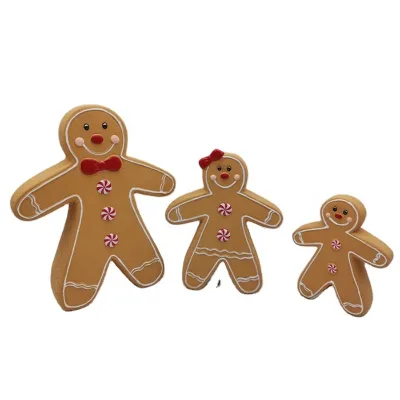

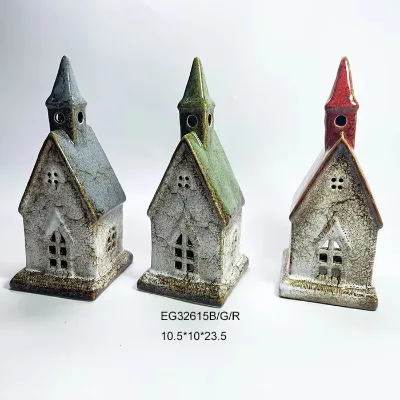
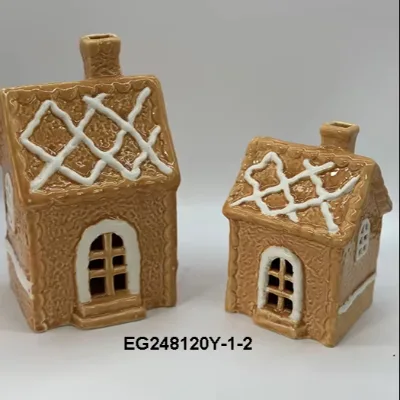
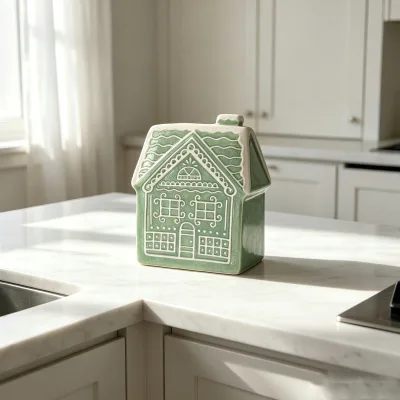
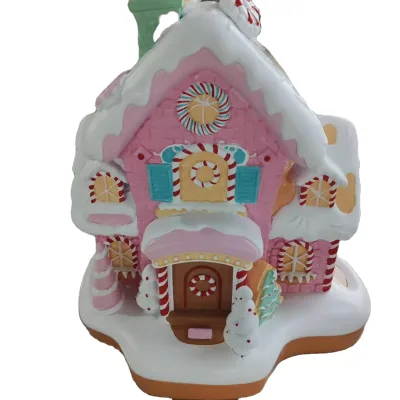

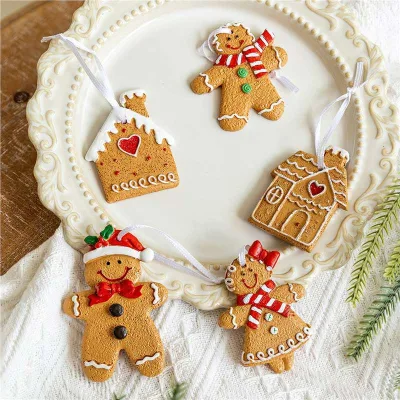

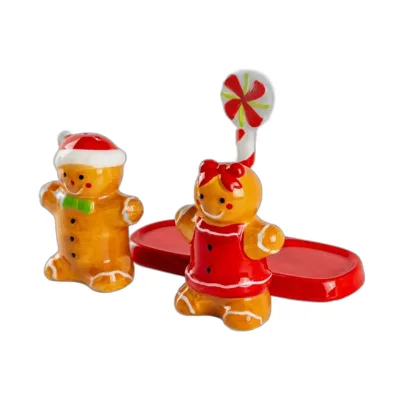
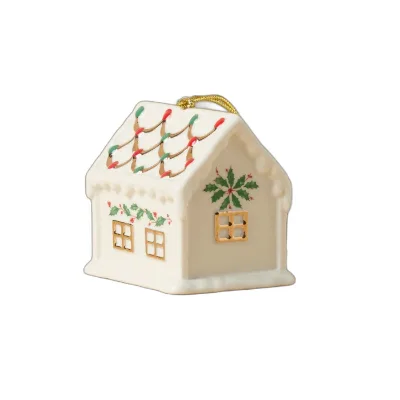



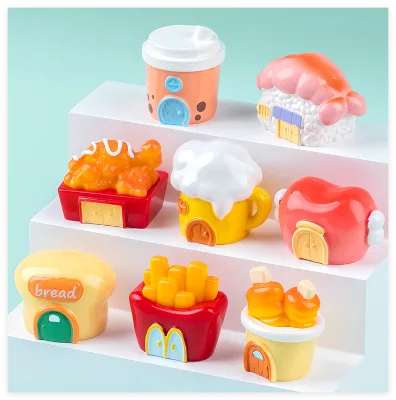
Funny Resin Christmas Items Santa Claus Penguin Bread Figurine Holiday Decoration
$0.10 - $5.00
MOQ: 500 Pieces



Comprehensive Sourcing Guide
Gingerbread House Figurine Sourcing Guide
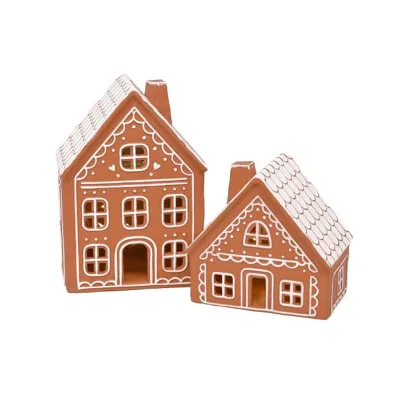
Sourcing gingerbread house figurines requires a nuanced understanding of material diversity and customization capabilities, as the market offers products ranging from polyresin to ceramic and polymer clay. Buyers must first distinguish between traditional edible-style decorations and durable decorative replicas, as this distinction dictates material selection, durability, and end-use application. The observed product landscape indicates a strong emphasis on natural styles and hand-made processing, which appeals to buyers seeking artisanal aesthetics for home decoration, business gifts, and holiday collections. Understanding these material differences is critical for aligning supplier capabilities with specific brand positioning and quality expectations.
Procurement teams should also evaluate the extent of customization available, as many suppliers offer customizable colors, sizes, and logo printing to meet specific branding needs. The presence of models with specific dimensions, such as 18.5x8x12 cm or larger sets like 25x21x31 cm, suggests that buyers can tailor the scale of their orders to fit retail packaging constraints or display requirements. Additionally, the availability of safety-exported packaging and safe shipment protocols indicates that suppliers are aware of the fragility associated with materials like ceramic and polyresin, which is a key factor in minimizing logistics damage and ensuring product integrity upon arrival.
Product Scope and Observed Listing Signals
The current market signals indicate a diverse range of gingerbread house figurines designed for various occasions, primarily Christmas, but also suitable for general home, hotel, and restaurant decoration. Listings show a price range of $0.1 to $12.8 USD, reflecting significant variation based on material complexity, size, and customization depth. Buyers should note that lower price points often correlate with smaller, simpler polyresin or polymer clay items, while higher prices may correspond to larger ceramic sets or intricate hand-painted designs. This wide variance necessitates clear definition of budget and quality tiers before engaging with suppliers to avoid misaligned expectations.
Observed minimum order quantities (MOQs) range from 10 to 1000 pieces, offering flexibility for both small boutique orders and large-scale retail distributions. Suppliers frequently highlight customization options, including adjustable sizes and colors, which allows buyers to create unique product lines that stand out in competitive holiday markets. The emphasis on "natural" styles and "simple modern" aesthetics suggests a trend toward understated elegance, appealing to contemporary interior design preferences. Buyers should leverage these signals to identify suppliers who can balance aesthetic appeal with production scalability, ensuring that the final product meets both visual and logistical requirements.
Technical Specifications to Verify
When verifying technical specifications, buyers must prioritize dimensional accuracy and material consistency, as these factors directly impact packaging efficiency and product durability. The observed standard sizes, such as 6x8x9 cm or 11.5x10x15 cm, provide a baseline for comparison, but buyers should confirm whether these are fixed or customizable. For ceramic and polyresin products, verifying the weight per unit, such as the observed 2.000 kg gross weight for certain sets, is essential for calculating shipping costs and ensuring that packaging can withstand transit stresses. Inconsistent dimensions can lead to increased void fill requirements and higher freight expenses, so precise specification alignment is crucial.
Surface treatment and finishing quality are also critical technical aspects, particularly for painted polyresin and ceramic items. Buyers should request samples to assess the adhesion of paint, the smoothness of the finish, and the overall craftsmanship of hand-made elements. The presence of models with specific model numbers, like DR-ESLAIO-338 or DSX-BD14870, indicates that suppliers maintain distinct SKUs for different designs, which helps in tracking quality variations. Additionally, verifying the single package size, such as 20x20x32 cm, ensures that the product fits standard pallet configurations and retail display units, optimizing both storage and shelf presence.
Compliance and Safety Documentation
Compliance and safety documentation are paramount when sourcing decorative items, especially those intended for use in homes with children or pets. Buyers must ensure that suppliers provide relevant test reports for materials like polyresin, ceramic, and polymer clay, verifying that they are free from harmful substances such as lead, cadmium, or phthalates. Although specific certification statuses are not detailed in the observed listings, buyers should proactively request compliance with international standards, such as ASTM F963 for toy safety or EN71 for European markets, depending on the target destination. This due diligence protects the brand from liability and ensures consumer safety.
Furthermore, buyers should verify that the packaging materials used for shipment comply with environmental regulations and are suitable for protecting fragile items. The mention of "safety exported package" suggests that suppliers are aware of the need for robust protection, but buyers should confirm the specific materials used, such as bubble wrap, foam inserts, or corrugated cardboard, to ensure they meet sustainability goals if applicable. Additionally, checking for any required labeling, such as country of origin markings or care instructions, is essential for regulatory compliance in import markets. Clear documentation reduces the risk of customs delays and ensures that the product meets all legal requirements for sale.
Cost Drivers and Commercial Terms
Cost drivers for gingerbread house figurines include material selection, customization complexity, and order volume. Polyresin and polymer clay items generally offer lower cost points compared to ceramic, which involves higher firing and handling costs. Customization, such as specific colors, sizes, or logo printing, adds to the unit price due to additional labor and setup fees. Buyers should negotiate based on volume tiers, as observed MOQs range from 10 to 1000 pieces, allowing for flexibility in initial orders and subsequent reorders. Understanding these cost components helps in budgeting accurately and identifying areas for potential savings without compromising quality.
Commercial terms, including payment methods, lead times, and shipping arrangements, significantly impact the total cost of ownership. Buyers should clarify whether prices are EXW, FOB, or CIF, as this affects responsibility for freight and insurance. The observed single gross weight of 2.000 kg for certain sets highlights the importance of accurate weight declarations for freight calculations. Additionally, buyers should inquire about sample costs and lead times for production, as these factors influence cash flow and inventory planning. Establishing clear commercial terms early in the negotiation process helps avoid unexpected costs and ensures a smooth transaction from order placement to delivery.
Supplier Qualification and Quality Control
Supplier qualification involves assessing manufacturing capabilities, quality control processes, and past performance. Buyers should verify that suppliers have experience in producing decorative items, particularly those involving hand-made processes and surface treatments like painting. Requesting references or case studies from previous clients can provide insights into the supplier's reliability and consistency. Additionally, buyers should inquire about the supplier's quality control protocols, including in-process inspections and final random inspections, to ensure that defects are minimized before shipment. A robust quality control system is essential for maintaining brand reputation and reducing return rates.
Quality control checks should also include visual inspections for paint defects, structural integrity, and dimensional accuracy. Buyers may consider hiring third-party inspection services to conduct pre-shipment inspections, ensuring that the products meet agreed-upon specifications and quality standards. This is particularly important for large orders or when dealing with new suppliers. Additionally, buyers should establish clear communication channels for addressing any quality issues that arise post-delivery, including procedures for returns or replacements. A proactive approach to quality control helps build a strong partnership with suppliers and ensures consistent product quality over time.
Long-Term Procurement Checks
Long-term procurement checks involve continuous monitoring of supplier performance, market trends, and product innovation. Buyers should regularly review supplier metrics, such as on-time delivery rates, defect rates, and responsiveness to issues, to ensure that the partnership remains beneficial. Additionally, staying informed about emerging trends in home decoration and holiday gifts can help buyers anticipate changes in demand and adjust their sourcing strategies accordingly. For example, the observed emphasis on natural styles and customization suggests a growing consumer preference for unique, personalized products, which buyers can leverage to differentiate their offerings.
Sustainability and ethical sourcing are also becoming increasingly important in long-term procurement strategies. Buyers should evaluate suppliers' environmental practices, such as waste reduction, energy efficiency, and use of eco-friendly materials, to align with corporate social responsibility goals. Additionally, exploring opportunities for product innovation, such as new materials or designs, can help maintain a competitive edge in the market. By maintaining a proactive and strategic approach to supplier management, buyers can build resilient supply chains that adapt to changing market conditions and deliver consistent value to their customers.
FAQs
What materials are used for gingerbread house figurines?
Gingerbread house figurines are crafted from materials such as polyresin, magnesia, ceramic, and polymer clay. These materials ensure durability and allow for detailed hand-made processing. The specific material depends on the chosen model and customization requirements provided by the supplier.
Can I customize the size and color of these figurines?
Yes, customized size and color options are available for these products. Buyers can request specific dimensions like 18.5x8x12 cm or 25x21x31 cm. Customized logos and colors are also acceptable to meet unique branding or design needs for business gifts and home decoration.
What is the minimum order quantity for these items?
The minimum order quantity ranges from 10 to 1000 pieces depending on the specific product model. Some listings indicate an MOQ of 1000 pieces for certain ceramic or polyresin items. Buyers should verify the exact MOQ with the supplier before placing an order.
How are these figurines packaged for shipment?
Products are packed using safe export packages designed to prevent damage during transit. Specific single package sizes vary, such as 20x20x32 cm or 16.2x16.92x25.8 cm. This safe packing ensures the items arrive securely for use as holiday gifts or home decorations.
Where are these gingerbread house figurines manufactured?
These items originate from Fujian, China, as indicated by the product origin details. The manufacturing process involves hand-made techniques with surface treatments like painting. Buyers can expect products to be sourced directly from Chinese factories specializing in these decorative items.
What occasions are suitable for these figurines?
These figurines are suitable for Christmas, business gifts, holidays, and general home decoration. They function well as ornaments for hotels, restaurants, and private homes. The natural style and customizable features make them versatile for various festive and commercial occasions.