Source Glazed Malachite Green Metro Tiles for bathroom, kitchen, and living room
Compare 30 listings of Glazed Malachite Green Metro Tiles featuring water absorption rates, certifications, and customization options. Buyers can evaluate suppliers based on material properties, surface treatments, and MOQ requirements for interior and exterior applications.
Key considerations
Products List

Malachite Green Rough Matte Surface Glazed Ceramic Tile 100X300mm
$9.00 - $12.00
MOQ: 100 Square Meters

Malachite Green Rough Glossy Surface Glazed Ceramic Tile 100X300mm
$9.00 - $12.00
MOQ: 100 Square Meters

Mint Green Biscuit Type Interior Decoration Ceramic Subway Tiles
$10.90 - $13.40
MOQ: 100 Square Meters

Mint Green Biscuit Shaped Interior Kitchen Ceramic Glazed Wall Tiles
$10.90 - $13.40
MOQ: 100 Square Meters

100X300mm Peacock Green Factory Subway Tiles Interior Wall Tiles Lwall
$9.60 - $11.30
MOQ: 1 Square Meters

100X300mm Subway Tiles with Peacock Green Colorful Glossy Finished with Flat/Beveled/Uneven Surfaces
$9.60 - $11.30
MOQ: 1 Square Meters

60X250mm Regular Glossy Malachite Green Color Style Handcraft Tile Porcelain Mosaic Tile
$31.00 - $44.50
MOQ: 100 Square Meters

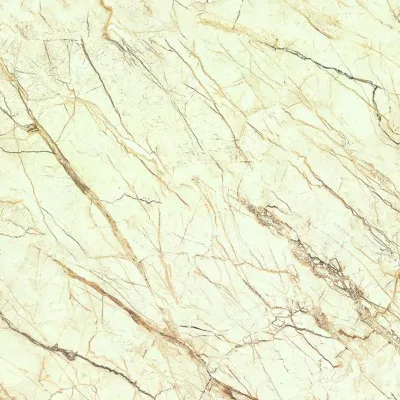


600X1200 mm Polished Glazed Glossy Different Color for Floor Outdoor Tiles
$5.00 - $5.50
MOQ: 600 Square Meters
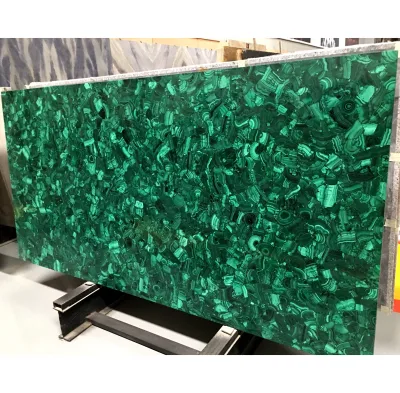



Taj Mahal Quartzite Cut-to-Size Tiles for Luxury Floor and Wall Projects
$200.00 - $300.00
MOQ: 100 Square Meters


Special Design of Wall/Floor Tile Matt Glazed Porcelain Polished Tile
$4.00 - $4.30
MOQ: 1300 Square Meters


Natural Split Pink/White/Green/Yellow/Grey Quartzite Tile for Exterior Decoration
$9.50 - $12.30
MOQ: 100 Square Meters


Comprehensive Sourcing Guide
Strategic Sourcing Guide for Glazed Malachite Green Metro Tiles
Procuring Glazed Malachite Green Metro Tiles requires a disciplined approach that balances aesthetic specificity with rigorous technical verification. The term "malachite green" implies a distinct color profile, yet the available market data indicates a complex landscape of color options and material compositions. Buyers must navigate a field where specific color names like "Green," "Avocado," and "Iron Grey" appear alongside broader ranges. This guide outlines the essential technical, compliance, and operational factors necessary to secure high-quality inventory without relying on unverified marketing claims.
Technical Specifications and Material Composition
The foundation of any successful procurement strategy lies in understanding the precise material and physical specifications of the product. The supplied data reveals a divergence in material types, with listings citing both "Ceramic" and "Porcelain Tiles" as primary materials. This distinction is critical because it dictates the water absorption rate and durability. One set of observations notes a water absorption rate of greater than 10%, which is characteristic of standard ceramic tiles suitable for interior wall applications. Conversely, other data points indicate a water absorption rate of less than 0.1%, a hallmark of high-density porcelain suitable for both interior and exterior environments, including commercial and sports applications.
When sourcing malachite green variants, buyers must verify the specific thickness and dimensions. The observed standard sizes include 10x30cm, 50x200mm, and larger formats such as 600x600mm or 60x250x10mm. The thickness is frequently observed at 10mm, though 8mm variants exist. The surface treatment is predominantly described as "Glazed Tiles" with a "Glossy" luster, which aligns with the visual expectations of metro tiles. However, the data also lists "Polished Tiles" and "Double Loading Tiles" as techniques, suggesting that the final finish may vary by manufacturer. The shape is consistently rectangular, often arranged in a "Stackbond Strip Finger Sheet" pattern, which is a specific installation method for metro-style layouts.
Compliance, Certification, and Safety Standards
Verifying compliance is a non-negotiable step in B2B procurement, particularly for tiles intended for commercial or high-traffic residential spaces. The provided facts confirm the presence of CE certification, a mandatory requirement for products entering the European market. Additionally, ISO certifications are mentioned, specifically ISO9001, which indicates adherence to quality management systems. Some listings also reference CCC (China Compulsory Certification), which is relevant for domestic sales within China or specific export channels.
Buyers must be cautious when interpreting these certifications. While the data lists "CE, ISO" and "CCC/ISO9001" as attributes, these are often product-specific or batch-specific rather than universal guarantees for every SKU. A supplier may hold an ISO9001 certificate for their factory but not for a specific tile batch. Therefore, procurement teams should request valid, current certificates for the specific product model being ordered. The data also highlights functional attributes such as "Wear-Resistant," "Antibacterial," "Acid-Resistant," and "Waterproof." These are performance claims that should be validated against independent test reports rather than accepted solely based on product descriptions. For instance, while "Acid-Resistant" is listed, the specific chemical resistance levels (e.g., against hydrochloric acid or sulfuric acid) are not quantified in the source data and require direct inquiry.
Cost Drivers and Pricing Dynamics
The pricing landscape for Glazed Malachite Green Metro Tiles exhibits significant volatility, with observed ranges spanning from $0.29 to $2,000. This wide disparity is not indicative of a single product category but rather reflects differences in material density, size, customization, and order volume. The lower end of the spectrum likely corresponds to standard ceramic tiles with high water absorption (>10%) and basic glazing. The higher end likely encompasses porcelain tiles with low water absorption (<0.1%), custom thicknesses, or specialized finishes like the "Glossy" or "Polished" options mentioned.
Several factors drive these costs. First, the "Customization" attribute is available, allowing for tailored colors and sizes, which inherently increases unit costs compared to stock items. Second, the "MOQ" (Minimum Order Quantity) varies widely from 1 to 1,300 units. Suppliers offering low MOQs or "Regular Stock" options may charge a premium per unit to offset logistics and handling inefficiencies. Third, the "OEM & ODM" availability suggests that branding and design customization add value. Buyers should not assume that a lower price per square meter equates to better value; the total cost of ownership must include shipping, which is influenced by the "prod_packing" method (e.g., "Netural Box and Wooden Pallet" vs. "Paper Carton with Fumigate Wooden Pallet"). The latter offers better protection for international shipping but may incur higher freight costs.
Typical Applications and Design Integration
The versatility of these tiles is evident in the broad range of suggested applications. The data lists usage in "Bathroom," "Kitchen," "Living Room," "Market," "Dining Room," "Office," "Cafe," and even "Outdoor" and "Sports" areas. This suggests that the product line includes both interior wall tiles and heavy-duty flooring solutions. The "Malachite Green" color, described under options like "Green," "Avocado," and "Iron Grey," fits well within "Natural," "Modern Euro," "Spanish Style," and "Europe" design aesthetics.
However, buyers must match the tile's technical properties to the specific application. For example, tiles with a water absorption rate of >10% are generally unsuitable for outdoor use or areas with constant moisture exposure, such as shower floors, unless specifically rated for such conditions. Conversely, tiles with <0.1% absorption and "Wear-Resistant" features are ideal for commercial kitchens, dining rooms, and high-traffic hallways. The "Antibacterial" and "Easy to Clean" features make them particularly attractive for healthcare facilities or food service environments. The "Soundproof" attribute, mentioned in some functional lists, could be a differentiator for office spaces or residential units requiring acoustic dampening, though this specific claim requires verification against acoustic test data.
Supplier Evaluation and Operational Due Diligence
Selecting a reliable supplier requires more than just matching product attributes; it demands a thorough evaluation of operational capabilities. The "Place of Origin" is consistently listed as "China," with specific mentions of "Foshan," a major hub for ceramic manufacturing. While this indicates a concentration of industry expertise, it also necessitates verification of the specific factory's capacity. Buyers should confirm the "Payment Term" options, which typically include "T/T" (Telegraphic Transfer) and "L/C" (Letter of Credit), to ensure financial security.
The "prod_packing" details are crucial for logistics planning. The use of "Fumigate Wooden Pallets" is standard for international shipping to prevent pest infestation, but the structural integrity of the "Paper Carton" or "Netural Box" must be sufficient to prevent breakage during transit. Furthermore, the "Quantity" per carton, such as "66PCS for 1 Carton," impacts shipping efficiency and cost calculations. Buyers should request a detailed packing list to optimize container loading. The "Customization" and "OEM & ODM" availability also signal a supplier's flexibility. A supplier that can accommodate "Low MOQ Request" may be more suitable for small-scale projects, while those requiring high volumes may offer better unit economics.
Quality Control and Long-Term Procurement Considerations
Ensuring long-term satisfaction involves establishing robust quality control (QC) protocols. The observed attributes like "Wear-Resistant," "Anti-Static," and "Thermal Insulation" are performance claims that must be validated. Buyers should insist on pre-shipment inspections that verify color consistency, particularly for "Malachite Green," which can vary significantly between batches. The "Color Option" list includes "Grey," "Black," "Pink," "White," "Beige," "Green," "Yellow / Gold," "Avocado," and "Terracotta," indicating a wide palette. However, the specific shade of "Malachite Green" must be matched against a physical sample or a standardized color chart to avoid discrepancies.
Long-term procurement strategies should also consider the "prod_standard" and "prod_model" consistency. Models like "subway tile-86" and "LP2508" suggest specific product lines. Buyers should ensure that the supplier can maintain these specifications over time to avoid supply chain disruptions. The "Standard" dimensions, such as "10x30cm" or "60X250X10mm," must be strictly adhered to for seamless installation. Additionally, the "Design Style" compatibility with "Modern Euro" or "Spanish Style" themes should be confirmed through visual samples to ensure the aesthetic intent is preserved.
| Feature Category | Observation from Data | Verification Requirement |
|---|---|---|
| Material | Ceramic, Porcelain/Ceramic | Confirm density and water absorption (<0.1% vs >10%) |
| Certification | CE, ISO, CCC/ISO9001 | Request valid certificates for specific batch/model |
| Dimensions | 10x30cm, 50x200mm, 600x600mm | Verify exact thickness (8mm vs 10mm) and tolerance |
| Finish | Glazed, Glossy, Polished | Inspect physical sample for luster and texture |
| Function | Wear-Resistant, Antibacterial, Acid-Resistant | Request independent test reports for chemical resistance |
| Packing | Netural Box, Paper Carton, Wooden Pallet | Confirm fumigation status and carton strength |
| Origin | China, Foshan | Verify factory location and export license |
Conclusion
Sourcing Glazed Malachite Green Metro Tiles is a multifaceted process that demands a clear understanding of the technical specifications, certification requirements, and supply chain dynamics. The available data highlights a diverse product ecosystem where material properties, from high-absorption ceramic to low-absorption porcelain, dictate the appropriate application. Buyers must rigorously verify claims regarding water absorption, chemical resistance, and color consistency to ensure the selected tiles meet the project's functional and aesthetic needs. By focusing on verified standards, transparent supplier capabilities, and detailed quality control measures, procurement teams can mitigate risks and secure a reliable supply of high-quality tiles that align with their specific design and operational goals. The wide range of observed prices and MOQs underscores the importance of aligning order volume with budget constraints while maintaining the integrity of the product specifications.
FAQs
What certifications do Glazed Malachite Green Metro Tiles have?
These tiles typically carry CE certification and ISO9001 quality management standards. Some listings also include CCC certification for specific markets. Buyers should request valid certificates for the specific batch to ensure compliance.
Which material types are available for these metro tiles?
The product line includes both standard ceramic and high-density porcelain tiles. Ceramic variants often have water absorption above 10 percent, while porcelain options feature absorption below 0.1 percent for superior durability.
Can I customize the size and color of these tiles?
Customization is available for both dimensions and color options like green, avocado, or iron grey. Suppliers offer tailored specifications such as 10x30cm or 60x250mm sizes, though this may affect the minimum order quantity.
How thick are the Glazed Malachite Green Metro Tiles?
Common thickness options include 8mm and 10mm variants depending on the specific model. Standard dimensions often range from 50x200mm to larger formats like 600x600mm, with 10mm being a frequent specification.
Where are these tiles manufactured and shipped from?
The primary place of origin is Foshan, China, a major hub for ceramic manufacturing. Products are packed in neutral boxes or paper cartons on fumigated wooden pallets for safe international shipping.
What surface finishes are offered for these tiles?
Available surface treatments include glazed and glossy finishes, with some polished tile options. The luster is typically described as glossy, suitable for interior applications like kitchens and bathrooms.