Source Glazed Modern Ceramic Plant Pots for Home, Garden, and Office
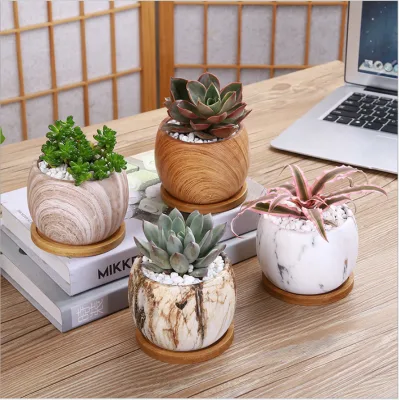
Compare 30 Glazed Modern Ceramic Plant Pots from verified Chinese manufacturers. Options include iron and ceramic materials in European, American, and Chinese styles for home decoration, garden use, and desktop applications.
Key considerations
Products List


Factory Indoor Ceramic Flower Pots Outdoor Ceramic Planters Pots Black Ceramic Pots
$1.50 - $3.00
MOQ: 3000 Pieces

Modern Home Decoration Ceramic Cylinder Pot Porcelain Indoor Plant Pot with Tray
$1.00 - $5.00
MOQ: 3000 Pieces


Factory Custom Size Flower Pots Simple Glazed Indoor Ceramic Garden Pots with Tray
$2.50 - $5.00
MOQ: 3000 Pieces




Comprehensive Sourcing Guide
Strategic Sourcing Guide for Glazed Modern Ceramic Plant Pots
Understanding Product Attributes and Technical Specifications
When sourcing Glazed Modern Ceramic Plant Pots, buyers must first establish a clear understanding of the specific technical attributes that define the product category. The market offers a diverse range of items that share the core characteristic of being ceramic with a glazed finish, yet they vary significantly in dimensions, shapes, and intended applications. Based on available market data, these products are frequently categorized under "Home Decorations" and "Garden Decoration," serving dual purposes for indoor and outdoor environments. The material composition is consistently identified as ceramic, which provides the necessary structural integrity for holding soil and water, while the surface decoration is typically achieved through glazing or painting processes.
The physical specifications of these pots are critical for logistics and design integration. Observed models in the current supply landscape include specific product codes such as HGK3364, HGH0370, and WL20005-1, each associated with distinct dimensional standards. For instance, certain models adhere to a standard size of 21.59.55.5cm, while others are larger, with dimensions reaching up to 303048cm. The shape of the pots varies between round and square configurations, influencing their aesthetic appeal and suitability for different interior design styles. The "Modern" aspect of the keyword often aligns with styles described as "Simple," "Artistic," or "European & American," though "Chinese Style" variants are also prevalent in the ceramic sector.
Color is another defining technical parameter. While the core keyword implies a broad spectrum, specific listings highlight colors such as Black, White, and Blue. The glazing process not only provides the visual finish but also serves a functional role in waterproofing the porous ceramic body. Buyers should verify the specific glaze type and thickness, as these factors determine the pot's resistance to weathering if used outdoors or its ease of cleaning if used indoors. The "Hand Made" attribute is frequently observed in high-end ceramic listings, suggesting that artisanal techniques may be employed in the manufacturing process, which can impact consistency and lead times.
Compliance, Certification, and Safety Standards
In the B2B procurement of ceramic goods, verifying compliance with international standards and certifications is a non-negotiable step. The supply chain for glazed ceramic plant pots often involves rigorous quality checks to ensure the products are safe for use in residential and commercial spaces. One of the most prominent certifications observed in the current market data is BSCI (Business Social Compliance Initiative). This certification indicates that the supplier adheres to specific social standards regarding labor practices, which is increasingly important for global buyers concerned with ethical sourcing.
While specific safety certifications like CE or ISO 9001:2015 are often associated with the broader manufacturing sector, buyers must exercise caution. The provided data does not explicitly confirm that every listed ceramic pot carries these specific certifications. Therefore, procurement teams should treat the presence of such standards as a verification point rather than an inherent guarantee. When evaluating potential suppliers, buyers should request current, valid certificates directly from the manufacturer. It is essential to confirm that the glazing materials used do not contain harmful heavy metals, particularly lead or cadmium, which can leach into the soil and affect plant health or pose risks to human contact.
The origin of the products is also a critical compliance factor. The majority of the observed ceramic plant pots originate from China, with specific ports of shipment identified as Ningbo and Xiamen. These locations are hubs for ceramic manufacturing, but they also necessitate a thorough understanding of import regulations in the destination country. Buyers must ensure that the products meet the specific chemical and safety standards of their target market, such as California Proposition 65 in the United States or REACH regulations in the European Union. The "Safe Export Packaging" mentioned in some product descriptions suggests that the supplier is aware of international shipping requirements, but this should be validated against the specific fragility of glazed ceramics.
Cost Drivers and Pricing Dynamics
The pricing of Glazed Modern Ceramic Plant Pots is influenced by a complex interplay of factors, including material costs, labor intensity, customization requirements, and logistical expenses. The observed price range in the market spans from $0.65 to $10.00 USD, a wide spectrum that reflects the diversity in product quality, size, and manufacturing complexity. Lower-priced items in this range are likely mass-produced, standard-sized units with minimal customization, whereas higher-priced items often involve hand-made processes, intricate glazing techniques, or larger dimensions.
Labor is a significant cost driver, particularly for products marked as "Hand Made." Artisanal production methods require skilled labor, which increases the unit cost compared to fully automated manufacturing lines. Additionally, the customization options available in the market allow buyers to tailor products to specific brand requirements, but this flexibility comes at a premium. The "Customization: Available" attribute indicates that buyers can request changes to colors, shapes, or sizes, but these requests will inevitably impact the final price and the minimum order quantity (MOQ).
The MOQ is another critical factor in cost management. The observed MOQ range varies from 50 to 3000 pieces, with a specific data point highlighting an MOQ of 500 PCS for certain models. This variation allows buyers to choose between smaller, more flexible orders and larger, more cost-effective bulk purchases. However, smaller orders often carry a higher per-unit cost due to the fixed costs of setup and production. Buyers should also consider the "Sample Charge" policy, which is listed as "Free" in some cases, allowing for cost-effective product evaluation before committing to a large order.
Logistics costs, including transportation and packaging, further influence the total landed cost. The "Transportation: by Sea" option is standard for heavy ceramic items, but the choice of port (Ningbo vs. Xiamen) can affect freight rates. Furthermore, the "Carton" or "Safe Export Packaging" requirements add to the material costs. Buyers must calculate the total cost of ownership, including freight, insurance, and duties, rather than focusing solely on the ex-works price.
Typical Applications and Design Integration
Glazed Modern Ceramic Plant Pots serve a versatile range of applications, making them suitable for various sectors including residential, commercial, and hospitality industries. The primary application is "Home Furnishing," where these pots act as decorative elements that enhance the aesthetic appeal of living spaces. The "Desktop" use type indicates that smaller models are designed for indoor placement on tables, shelves, and desks, while larger models are intended for floor placement in living rooms or entryways.
Beyond the home, these products are widely used in "Garden Decoration." The glazed finish provides a degree of weather resistance, making them suitable for outdoor patios, balconies, and garden centers. However, buyers should verify the specific durability of the glaze for outdoor use, as extreme temperature fluctuations can sometimes cause cracking in ceramic materials. The "Flower Pot" and "Flowerpot" classifications confirm their primary function of housing flowers and plants, with the "Applicable: Flowers/Plants" attribute ensuring compatibility with a wide range of vegetation.
The design styles observed, such as "European & American," "Chinese Style," and "Simple," allow buyers to align their product selection with specific market trends and consumer preferences. The "Artistic" style suggests that these pots can be used as standalone art pieces, not just functional containers. In commercial settings like hotels, offices, and retail stores, these pots are used to create welcoming atmospheres and to highlight greenery. The "Round" and "Square" shapes offer flexibility in spatial planning, allowing designers to create symmetrical or asymmetrical arrangements that fit the architectural constraints of a space.
Supplier Evaluation and Operational Capabilities
Evaluating suppliers for glazed ceramic plant pots requires a holistic approach that considers production capacity, lead times, and quality assurance systems. The observed lead times for these products range from 45 to 60 days, with some specific models indicating a 60-day production cycle. This timeframe is typical for ceramic manufacturing, which involves multiple stages including molding, drying, firing, glazing, and packaging. Buyers must account for these lead times in their inventory planning to avoid stockouts.
The "Fob Port" information, specifically Ningbo and Xiamen, provides insight into the supplier's logistical capabilities. Suppliers operating from these ports are likely experienced in handling international shipments and have established relationships with freight forwarders. However, buyers should verify the supplier's ability to meet specific shipping deadlines and their flexibility in handling expedited orders if necessary. The "Sample Charge: Free" policy is a positive indicator of supplier confidence in their product quality, as it reduces the barrier for buyers to test samples before placing large orders.
Quality control is paramount in the ceramic industry due to the risk of defects such as cracks, chips, or glaze imperfections. Buyers should inquire about the supplier's internal quality control processes, including the percentage of products inspected before shipment. The "Hand Made" attribute suggests that consistency may vary, making rigorous inspection even more critical. Suppliers with BSCI certification have demonstrated a commitment to social compliance, which often correlates with better management systems and quality control practices.
When evaluating suppliers, buyers should also consider their customization capabilities. The "Customization: Available" attribute indicates that suppliers are willing to work with buyers to create unique products. However, this requires clear communication of specifications and realistic expectations regarding lead times and costs. Buyers should request a detailed production schedule and a clear definition of the customization process to ensure alignment with their project timelines.
Long-Term Procurement Considerations and Quality Control
Sourcing Glazed Modern Ceramic Plant Pots is not merely a transactional activity but a strategic partnership that requires long-term planning. One of the primary considerations is the consistency of product quality over time. Ceramic manufacturing is sensitive to variations in raw materials and firing conditions, which can lead to inconsistencies in color, size, and finish. Buyers should establish clear quality benchmarks and conduct regular audits to ensure that the supplier maintains these standards.
Packaging is another critical aspect of long-term procurement. The "Carton" and "Safe Export Packaging" options highlight the importance of protecting fragile ceramic items during transit. Buyers should verify that the packaging is robust enough to withstand long-distance shipping and handling, minimizing the risk of breakage. Additionally, the environmental impact of packaging materials is becoming an increasingly important factor for many buyers. Suppliers who use recyclable or biodegradable packaging materials may offer a competitive advantage in markets with strict sustainability regulations.
Inventory management is also a key consideration. Given the lead times of 45 to 60 days, buyers must maintain a buffer stock to accommodate fluctuations in demand. The "MOQ" of 500 PCS suggests that buyers need to plan their orders carefully to avoid overstocking or understocking. Strategic forecasting and collaboration with the supplier can help optimize inventory levels and reduce carrying costs.
Finally, buyers should consider the potential for product evolution. As design trends shift, the demand for specific styles, colors, and shapes may change. Suppliers who are agile and responsive to market trends can provide a competitive edge. Buyers should maintain open communication with their suppliers to stay informed about new product developments and technological advancements in ceramic manufacturing. By fostering a collaborative relationship, buyers can ensure a steady supply of high-quality Glazed Modern Ceramic Plant Pots that meet their evolving needs.
Summary of Key Sourcing Parameters
To facilitate quick decision-making, the following table summarizes the key parameters observed in the current market for Glazed Modern Ceramic Plant Pots. This overview serves as a reference for buyers to compare different product options and supplier capabilities.
| Parameter | Observed Range / Specific Value | Notes |
|---|---|---|
| Material | Ceramic | Standard for all listed products |
| Surface Decoration | Glazed, Painted | Glazed is primary for modern look |
| Style | European & American, Chinese Style, Simple, Artistic | Varies by model |
| Shape | Round, Square | Affects spatial design |
| Color | Black, White, Blue, etc. | Customization available |
| Lead Time | 45 - 60 Days | Standard production cycle |
| MOQ | 50 - 3000 PCS | 500 PCS is a common threshold |
| Origin | China (Ningbo, Xiamen) | Major manufacturing hubs |
| Certification | BSCI | Social compliance indicator |
| Sample Charge | Free | Common policy for evaluation |
| Packaging | Carton, Safe Export Packaging | Essential for transit safety |
| Price Range | $0.65 - $10.00 USD | Depends on size and customization |
This comprehensive guide provides a structured approach to sourcing Glazed Modern Ceramic Plant Pots, ensuring that buyers make informed decisions based on verified data and industry best practices. By focusing on technical specifications, compliance, cost drivers, and supplier capabilities, buyers can build a resilient and efficient supply chain for these essential decorative items.
FAQs
What certifications do Glazed Modern Ceramic Plant Pots have?
The products carry BSCI certification, indicating compliance with social standards. This ensures ethical labor practices in the manufacturing process. Buyers should verify current certificates directly with the manufacturer for specific batches.
How long is the lead time for these ceramic pots?
The production lead time ranges from 45 to 60 days depending on the specific model. Some items require a full 60-day cycle due to hand-made processes. Planning must account for this duration to avoid inventory gaps.
Which customization options are available for these flower pots?
Customization is available for colors, shapes, and sizes to meet specific buyer requirements. This flexibility allows for tailored designs but may impact the final price and minimum order quantity. Buyers must communicate specifications clearly before production.
Can I get free samples of the glazed ceramic plant pots?
Free sample charges are available for certain models to facilitate product evaluation. This policy reduces the barrier for testing quality before committing to bulk orders. Buyers should confirm sample availability for specific product codes like HGK3364.
What is the minimum order quantity for these ceramic pots?
The minimum order quantity is typically 500 pieces for standard models. However, the observed range across the market spans from 50 to 3000 pieces. Smaller orders may incur higher per-unit costs due to setup fees.
From which locations are these ceramic pots shipped?
Products originate from China with FOB ports located in Ningbo and Xiamen. These hubs are established centers for ceramic manufacturing and international shipping. Buyers should consider freight rates associated with these specific ports.
What materials are used to make these glazed flower pots?
The primary material used is ceramic, often with iron components for specific structural elements. The surface decoration involves glazing or painting processes to achieve the desired finish. This composition ensures durability for both indoor and outdoor use.