Source Golden Crown Roller Bottle for Packaging, Cosmetics, and Personal Care
Find and compare 30 listings for the Golden Crown Roller Bottle, suitable for chemical, cosmetic, and personal care applications. Options include plastic and metal variants with screw caps, customizable sizes, and OEM services from verified manufacturers; compare the available evidence and request quotations based on your requirements.
Key considerations
Products List


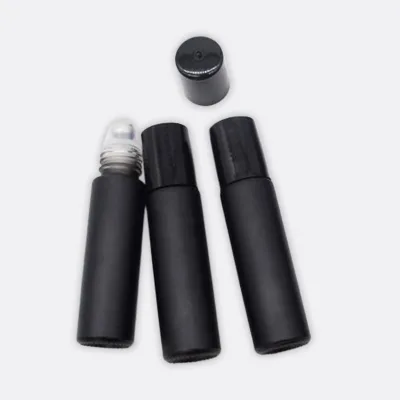


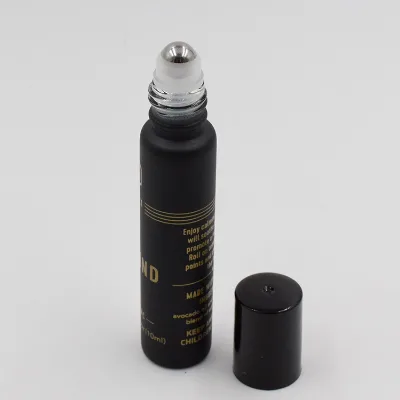


Professional Gold Supplier Sport 750ml Foam Roller Stainless Steel Water Bottles
$4.80 - $5.80
MOQ: 1000 Pieces

Hot Sale Different Color Foam Roller Stainless Steel Sport Water Drink Bottle
$4.88 - $6.88
MOQ: 1000 Pieces

Customized Multi-Function Foam Roller Sport Stainless Steel Water Bottle
$4.00 - $6.00
MOQ: 500 Pieces


$0.95 - $2.00
MOQ: 5000 Pieces

High Quality 750ml AG Green Glass Bottle with Light Blue Color Option Features
$0.48 - $1.20
MOQ: 6000 Pieces

Wholesale Clear Octagonal Roller Bottle with Capacity 3ml, 6ml, 9ml. 12ml
$0.17 - $0.25
MOQ: 200 Pieces
Comprehensive Sourcing Guide
Golden Crown Roller Bottle Sourcing Guide
The term "Golden Crown Roller Bottle" typically describes a specialized cosmetic or personal care container featuring a distinctive cap design, often mimicking a crown shape, paired with a rollerball applicator for precise topical application. While the supplied product data explicitly lists "Plastic" and "Acrylic" materials alongside "Screw Cap" sealing types, buyers must verify if the specific "golden crown" aesthetic is a standard offering or a custom-molded feature. The observed listings indicate a broad range of capacities from 15g to 200g, suggesting that the core keyword may refer to a specific size tier within a larger family of cosmetic jars and bottles rather than a single universal SKU.
Procurement strategies for this item require distinguishing between generic screw-cap containers and those with unique decorative crowns, as the latter often involve higher tooling costs and longer lead times. The data confirms that customization is available for materials and sizes, which is critical for brands seeking a premium look. Buyers should focus on suppliers in Zhejiang, China, who demonstrate experience with small-batch cosmetic packaging, ensuring the "golden" finish is applied via durable methods like hot stamping or high-quality painting rather than temporary coatings that may degrade during shipping or storage.
Product Scope and Observed Listing Signals
The observed market signals reveal a diverse inventory where "Plastic" and "Acrylic" are the primary materials, with capacities ranging from 15g to 200g, which aligns well with standard cosmetic serum and oil applications. Although the specific "roller" mechanism is not explicitly detailed in the provided text, the "Screw Cap" sealing type and "Personal Care Product" usage category strongly imply a functional closure system suitable for liquid dispensing. Buyers must carefully cross-reference the visual "golden crown" description with the actual product model numbers, such as BN-PC-218, to ensure the listing matches the intended aesthetic and functional requirements.
Listing signals also indicate significant variability in packaging and delivery terms, with sample delivery times as short as seven days and production dates within thirty days for certain acrylic items. However, other entries show MOQs as high as 20,000 units, creating a potential mismatch for small brands seeking the "golden crown" style. It is essential to filter listings by the "Customization: Available" attribute to find suppliers willing to produce the specific crown design, while noting that some products listed as "Metal" or "Stainless Steel" may be unrelated bottle openers or storage bins rather than the cosmetic containers required for this specific keyword.
Technical Specifications to Verify
When evaluating technical specifications, the primary focus must be on the material composition and sealing integrity, as the data lists both "Plastic" and "Acrylic" as viable options for cosmetic applications. Buyers should verify that the selected bottle material is compatible with the specific chemical formulation of their product, ensuring no leaching or degradation occurs over time. The "Screw Cap" sealing type is a standard feature in the data, but for a roller bottle, the internal mechanism and the seal between the cap and the bottle neck must be tested to prevent leakage, especially given the varied usage contexts from "Chemical" to "Cosmetics."
Dimensional accuracy is another critical verification point, as the observed size range spans from 15g to 200g, with specific models like BN-PC-218 offering defined capacities. The "Golden Crown" design likely involves specific molding tolerances that affect the fit of the rollerball and the overall aesthetic balance of the bottle. Buyers must confirm the exact dimensions of the crown feature and the bottle body to ensure compatibility with automated filling lines or manual packaging processes, as the "Customized" packing options suggest that non-standard dimensions may require bespoke handling solutions.
Compliance and Safety Documentation
Compliance documentation for cosmetic packaging must address both material safety and environmental standards, with the observed data citing ISO 9001, ISO 14000, and ISO 14001 as potential certifications. These standards indicate a supplier's commitment to quality management and environmental responsibility, which is vital for brands targeting international markets with strict regulatory requirements. Buyers should request specific test reports confirming that the plastic or acrylic materials used are free from harmful substances like BPA, ensuring the packaging meets food and cosmetic safety regulations for direct contact with personal care products.
Safety verification also extends to the manufacturing process, particularly regarding the "Golden Crown" finish, which may involve paints or coatings that require specific safety data sheets. While the data mentions "Ethylene Oxide Sterilization" as an attribute for some items, cosmetic bottles generally do not require this unless they are intended for medical use. Procurement teams must ensure that the supplier provides clear documentation on the chemical composition of any decorative elements and confirms that the "Screw Cap" and roller mechanism do not introduce contamination risks during the product's shelf life.
Cost Drivers and Commercial Terms
Cost drivers for "golden crown roller bottles" are heavily influenced by the complexity of the custom molding required for the crown design and the choice of material, whether "Plastic" or "Acrylic." The observed MOQ range of 1 to 20,000 units suggests that unit costs will vary significantly based on order volume, with smaller orders likely incurring higher per-unit tooling and setup fees. Buyers should anticipate that the "Customized" nature of the logo printing and packaging will add to the base cost, as the data indicates that packing can be tailored to customer requirements, which often involves additional labor and material expenses.
Commercial terms must be negotiated with attention to lead times and payment structures, as the data shows sample delivery within seven days but production dates within thirty days for certain items. The wide range of observed prices from $0.05 to $32,000 indicates that the total cost is dependent on the scale of the order and the specific customization level. Buyers should clarify whether the quoted price includes the cost of the crown mold, as this is a one-time expense that can significantly impact the total investment for new product launches, and ensure that the "OEM Order: Accept" clause covers all design modifications.
Supplier Qualification and Quality Control
Supplier qualification should prioritize manufacturers located in Zhejiang, China, who have demonstrated experience with cosmetic packaging and hold relevant ISO certifications. The data confirms that "Customization" is available, but buyers must verify the supplier's capability to maintain consistency in the "Golden Crown" design across large production runs. Quality control protocols should include visual inspections for finish defects, such as uneven gold plating or molding flash, and functional tests to ensure the "Screw Cap" and roller mechanism operate smoothly without leakage or jamming.
Quality assurance processes must also address the packaging integrity, as the data lists options ranging from "Carton and Pallet" to "Each Packed in a Polybag." Buyers should require a pre-shipment inspection plan that verifies the physical condition of the bottles and the accuracy of the labeling, especially since the "Logo Printing" attribute can be "Without Logo Printing" or customized. Establishing a clear communication channel for defect reporting and ensuring the supplier adheres to the agreed-upon "Standard" specifications will mitigate the risk of receiving substandard goods that fail to meet brand expectations.
Long-Term Procurement Checks
Long-term procurement checks should focus on the supplier's ability to maintain consistent quality and supply stability over multiple production cycles. Buyers must monitor the supplier's adherence to the "ISO 9001" and "ISO 14001" standards, ensuring that their quality management systems remain effective as order volumes scale up. Regular audits of the production line can help identify potential issues with the "Golden Crown" molding process or the application of decorative finishes, preventing costly delays or product recalls in the future.
Supply chain resilience is another critical area for long-term planning, as the observed lead times and MOQs can fluctuate based on raw material availability and market demand. Buyers should establish a buffer stock strategy for the "Plastic" or "Acrylic" components to mitigate risks associated with supply disruptions. Additionally, maintaining a relationship with the supplier for continuous improvement initiatives, such as optimizing the "Screw Cap" design for better sealing or reducing packaging waste, will ensure the product remains competitive and compliant with evolving industry standards.
FAQs
What materials are used for golden crown roller bottles?
Golden crown roller bottles are typically made from plastic or acrylic materials. Some variants may also utilize metal components like stainless steel for durability. These materials ensure the container is suitable for chemical, cosmetic, and personal care product applications while maintaining structural integrity during transport.
Can I customize the size and packaging of these bottles?
Yes, customization is available for size and packaging requirements. Options include sizes like 15g, 30g, 50g, 100g, and 200g. Packaging can be arranged in cartons and pallets according to customer specifications, ensuring the product meets specific logistical and branding needs for your business operations.
What is the lead time for sample delivery of these bottles?
Sample delivery for golden crown roller bottles is completed within seven days. This rapid turnaround allows buyers to evaluate product quality and design before committing to larger orders. Production for full orders typically takes within thirty days depending on the specific material and customization level required.
Which certifications do the manufacturers hold for these products?
Manufacturers of these bottles often hold ISO 14000, ISO 14001, and ISO 9001 certifications. These standards ensure environmental management and quality control throughout the production process. Buyers can verify these credentials to confirm that the suppliers adhere to recognized international standards for manufacturing and safety.
How is the sealing type designed for these roller bottles?
The sealing type for these bottles is designed as a screw cap. This mechanism provides a secure closure to prevent leakage and maintain product freshness. It is particularly effective for storing liquids used in cosmetics and personal care products where spillage must be avoided during shipping and usage.
What is the minimum order quantity for custom orders?
The minimum order quantity varies by product type but can be as low as one unit for samples. For bulk custom orders, MOQs typically range from 100 to 500 pieces depending on the specific model and customization level. Buyers should confirm exact MOQs with the supplier based on their specific production requirements.
Where are these golden crown roller bottles manufactured?
These bottles are manufactured in Zhejiang, China. This region is known for its robust manufacturing capabilities in plastic and metal packaging. The origin ensures access to a wide network of suppliers and efficient logistics for exporting products to international markets while maintaining competitive pricing structures.