Source Golden Waving Elephant Ornament for home decor, gifts, and collections
Compare 30 listings for the Golden Waving Elephant Ornament from suppliers in China. Buyers can review specifications, pricing, and customization options for personal decorations, souvenirs, and commercial gifts.
Key considerations
Products List


Life Size Outdoor Bronze Large Elephant Good Luck Sculpture Metal Garden Decoration
$1500.00 - $9000.00
MOQ: 1 Pieces
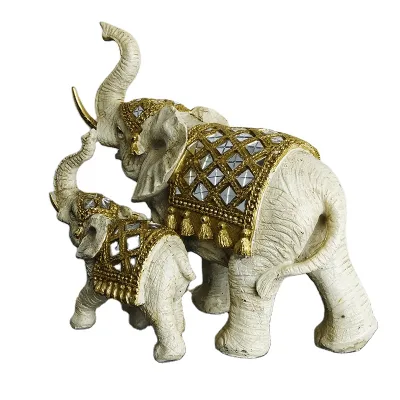

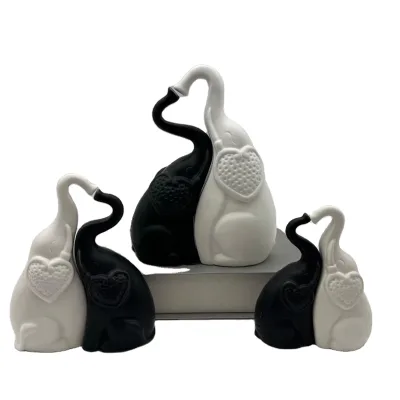


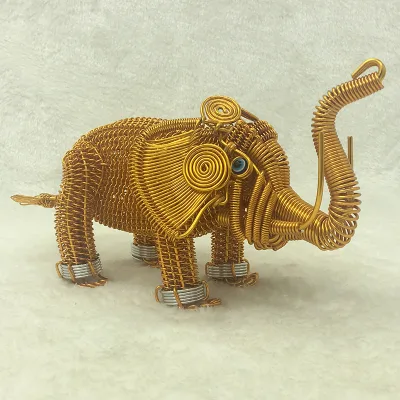


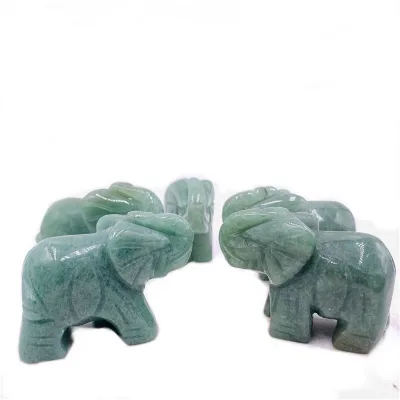
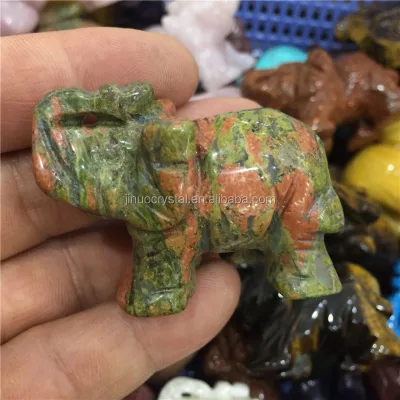


Comprehensive Sourcing Guide
Strategic Sourcing Guide for Golden Waving Elephant Ornaments
Understanding Product Attributes and Material Variants
When sourcing a Golden Waving Elephant Ornament, the primary challenge lies in navigating the diverse material compositions and manufacturing processes that define this specific decorative category. Based on the available market data, buyers must distinguish between ceramic and copper variants, as these materials dictate the final aesthetic, durability, and price point. The observed product attributes indicate that "Creative" and "Luxury" styles are prevalent, often featuring an "Elephant" shape designed specifically for "Decoration" purposes.
A critical observation in the current supply landscape is the existence of multiple material pathways. One distinct segment utilizes "Ceramic" as the base material, often finished with a "Patina" coloring method to achieve an antique or golden appearance. These items are frequently described as "Hand-Made" and undergo "Hand-Polishing" to ensure a high-quality finish. In contrast, another significant segment of the market offers "Copper" based ornaments, which are also processed through hand-made techniques. The copper variants often carry an "Antique" style and are specifically noted for their suitability in "Outdoor" environments, suggesting a higher resistance to weathering compared to standard ceramic pieces.
The "Golden" aspect of the keyword implies a specific color treatment. While the data confirms "Customized Color" is available, the "Patina" process is explicitly linked to the antique aesthetic. Buyers should verify if the "golden" finish is a result of electroplating, painting, or a chemical patina treatment, as this affects longevity. The "Elephant" shape is a consistent attribute, but the "waving" motion is a stylistic interpretation that requires visual confirmation during the sampling phase. The "Creative" style designation suggests that these ornaments often deviate from rigid traditional forms, offering unique poses or exaggerated features that appeal to modern interior design trends.
Technical Specifications and Dimensional Standards
Technical precision is paramount when ordering custom or semi-custom decorative items. The supply data reveals a wide range of dimensional standards, indicating that "Life Size" and "Middle" scale options are available, alongside specific metric measurements. For instance, specific product models such as FS13139-19.5 are associated with dimensions of 19.5x8x15cm, while others like FS13547-20/25 offer larger profiles of 20x12x12cm or 25x13x15cm. Another model, FS13715-18.5, is listed with a standard of 25x16x19cm.
Buyers must pay close attention to the "prod_standard" field, as it often contains the physical dimensions rather than a generic size category. For larger installations, such as the RLBA-107 model, the standard is explicitly defined as "Life Size," which implies a significant increase in weight and shipping complexity compared to the smaller 21.5x12.5x20cm models found in the SS-Animal series. The "Customized" standard is also a recurring attribute, particularly for models like AK-SKZ and AK-DAX, suggesting that many suppliers offer bespoke sizing to fit specific architectural or interior design requirements.
The "prod_packing" specifications provide insight into the structural integrity of the product. Smaller ceramic items are typically packed individually in "PP Bag" and then placed into a "3 Layers Box" to prevent breakage during transit. Conversely, larger or heavier copper items, such as the RLBA-107, require "Strong Wooden Crate" packaging. This distinction is vital for logistics planning, as the cost of wooden crates and the volume they occupy will significantly impact the final landed cost. The "Customized Color" attribute further complicates the specification process, as color matching must be verified against physical samples before mass production begins.
Cost Drivers and Pricing Dynamics
The pricing structure for golden waving elephant ornaments is highly variable, driven by material costs, labor intensity, and order volume. The observed price range in the market spans from $0.66 to $9,000 USD, a disparity that reflects the difference between small, mass-produced ceramic figurines and large, hand-crafted copper sculptures. The lower end of the spectrum likely corresponds to smaller ceramic items with standard finishes, while the upper end represents life-size copper pieces with complex hand-polishing and patina treatments.
Material composition is a primary cost driver. Copper is generally more expensive than ceramic due to the raw material cost and the intensive labor required for hand-making and finishing. The "Hand-Made" process, explicitly noted in the data, adds a premium to the unit price compared to machine-molded alternatives. Furthermore, the "Patina" coloring method and "Hand-Polishing" finish require skilled artisans, which increases the labor cost component. Buyers should anticipate that "Customized" orders, whether in terms of size, color, or logo, will incur additional setup fees and higher per-unit costs.
Order volume plays a critical role in price negotiation. The Minimum Order Quantity (MOQ) ranges from 1 piece to 600 units. Single-piece orders, often available for high-value items like the RLBA-107, will carry a significantly higher unit price. Conversely, bulk orders for smaller ceramic items, where the MOQ might be as low as 30 pieces, allow for economies of scale that reduce the cost per unit. The "Customization" availability also impacts pricing; while customization offers unique value, it often requires a higher MOQ to justify the tooling or setup time. Buyers must balance the desire for customization with the budgetary constraints imposed by these volume thresholds.
Compliance, Certification, and Safety Verification
In the B2B procurement of decorative items, compliance and safety are often overlooked until the final stages of the supply chain. While the provided data does not list specific certification bodies, buyers must proactively verify that products meet the safety standards of their target market. For ceramic items, this includes checking for lead and cadmium content, especially if the ornaments are intended for environments where they might be handled frequently or if they contain glazes that could degrade.
For copper ornaments, particularly those intended for "Outdoor" use, the patina and finish treatments must be verified for environmental safety and durability. The "Patina" process involves chemical treatments that must be non-toxic and stable over time. Buyers should request Material Safety Data Sheets (MSDS) or equivalent documentation to ensure that the chemicals used in the "Hand-Polishing" and "Coloring Method" processes comply with regulations such as REACH in Europe or CPSIA in the United States.
Shipping and insurance compliance is another critical area. The data indicates that "Insurance: Cover All Risks" is an available option, and shipping methods include "by Sea, by Air, by Land." For high-value items, such as life-size copper sculptures, buyers should ensure that the supplier's insurance coverage is robust and that the "Strong Wooden Crate" packaging meets international shipping standards to prevent damage during transit. Additionally, for products originating from "China" or specific regions like "Quyang, Hebei," buyers must verify that the supplier adheres to export regulations and that all necessary documentation, such as certificates of origin, is provided to facilitate smooth customs clearance.
Supplier Evaluation and Quality Control Protocols
Evaluating suppliers for golden waving elephant ornaments requires a rigorous assessment of their manufacturing capabilities and quality control systems. The data highlights several key indicators of supplier reliability, including the "Hand-Made" process and the availability of "Customized" options. Suppliers who emphasize hand-crafting are likely to offer higher quality finishes but may have longer lead times and less consistency in mass production. Buyers should verify the supplier's ability to maintain consistency across batches, especially for "Customized Color" orders.
Quality control should focus on the "Finish Treatment" and "Coloring Method." For "Hand-Polishing" and "Patina" finishes, visual inspection is essential to ensure there are no scratches, uneven coloring, or defects in the surface. Buyers should request pre-shipment samples that match the exact specifications of the order, including the "prod_standard" dimensions and "prod_packing" requirements. For ceramic items, checking for cracks or chips is vital, as these defects can occur during the firing process or packaging.
The "prod_packing" specifications also serve as a quality control metric. Suppliers who use "Strong Wooden Crate" for heavy items and "3 Layers Box" for smaller items demonstrate an understanding of product protection. Buyers should inspect the packing materials to ensure they are sturdy enough to withstand the rigors of international shipping. Additionally, the "logo" acceptance capability indicates a supplier's flexibility in branding, which is crucial for buyers looking to create a cohesive product line.
Long-Term Procurement and Application Strategy
The long-term success of sourcing golden waving elephant ornaments depends on aligning the product with specific application scenarios. The data indicates that these items are suitable for "Personal Decorations," "Home Decorations," "Collection," "Commerce Gift," and "Promotion Gifts." The "European & American" style attribute suggests that these products are well-suited for markets with a preference for classical or ornate interior design.
For "Outdoor" applications, the material choice is critical. Copper ornaments with a "Patina" finish are explicitly noted as suitable for outdoor use, making them ideal for garden decor or commercial entrances. In contrast, ceramic items may require indoor placement to prevent weathering. Buyers should consider the lifecycle of the product; copper ornaments may develop a natural patina over time, which can be desirable for an antique look, whereas ceramic items may require more careful handling to maintain their appearance.
The "Customization" availability allows for long-term brand building. Buyers can leverage the "Accept Customized Logo" feature to create exclusive products for corporate gifting or retail branding. However, this requires a strategic approach to inventory management, as customized items often have higher MOQs and longer lead times. Buyers should plan their procurement cycles to account for these variables, ensuring that stock levels are maintained without over-investing in inventory.
| Feature | Ceramic Variant | Copper Variant |
|---|---|---|
| Primary Material | Ceramic | Copper |
| Finish Process | Patina, Hand-Polishing | Patina, Hand-Polishing |
| Suitability | Indoor Decoration | Outdoor & Indoor |
| Style | Creative, Luxury, Antique | Antique, European & American |
| Packing | PP Bag, 3 Layers Box | Strong Wooden Crate |
| Typical Use | Home Decor, Collection | Outdoor Decor, Commerce Gift |
| MOQ Range | 30 PCS (Typical) | 1 Piece (Typical) |
By understanding these distinctions and aligning them with specific procurement goals, buyers can effectively navigate the complex market for golden waving elephant ornaments. The key to success lies in balancing the aesthetic appeal of the "Creative" and "Luxury" styles with the practical requirements of durability, compliance, and cost efficiency. Through careful supplier evaluation and rigorous quality control, buyers can secure high-quality products that meet their specific market demands.
FAQs
What materials are used for golden waving elephant ornaments?
These ornaments are primarily made from ceramic or copper. Ceramic variants often feature a creative style, while copper pieces are suitable for outdoor use and may have an antique finish.
How are these ornaments packaged for shipping?
Smaller ceramic items are usually packed individually in PP bags inside a three-layer box. Larger copper sculptures, such as life-size models, require strong wooden crates to ensure safety during transit.
Can I customize the color and logo on these ornaments?
Yes, customization is available for both color and logo. Buyers can request customized colors and accept customized logos, though specific minimum order quantities may apply depending on the supplier.
What is the typical price range for these products?
The observed price range spans from 0.66 to 9000 USD. Lower prices typically correspond to small ceramic figurines, while higher costs reflect large, hand-crafted copper sculptures with complex finishes.
Which styles are available for elephant decoration ornaments?
Available styles include creative, luxury, antique, and European and American designs. The shapes vary from elephants to lions, with some pieces specifically designed for outdoor or indoor home decoration.
What are the minimum order quantities for these items?
Minimum order quantities range from 1 piece to 600 units. Single-piece orders are often available for high-value items, while bulk orders for smaller ceramic items may start at 30 pieces.
Where are these ornaments manufactured and shipped from?
Products originate from China, with specific locations including Quyang, Hebei, and Fujian. Shipping methods include sea, air, and land transport, with insurance options covering all risks available for high-value items.