Source Gradient Blue Nail Polish Bottle for Cosmetic, Nail Polish Oil, and Industrial Use
Compare 30 listings for the Gradient Blue Nail Polish Bottle from suppliers in China. Buyers can review specifications like 15ml and 20ml volumes, glass materials, and brush caps to find suitable options for cosmetic and nail polish oil applications.
Key considerations
Products List
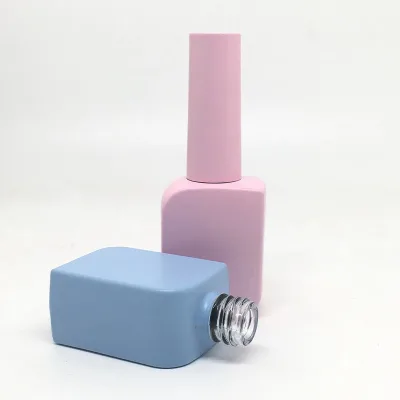
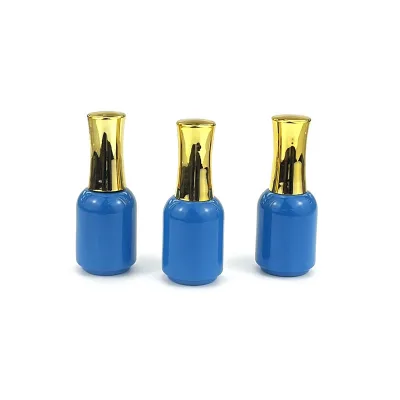
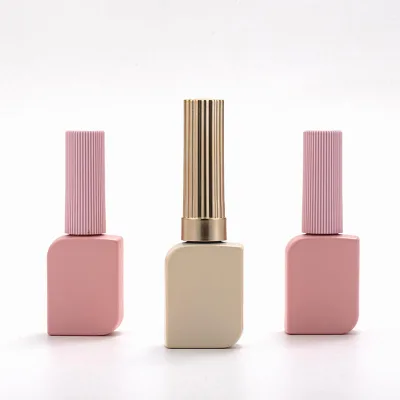
OEM Wholesale Large-capacity Pink Beige Nail Polish Bottles, Empty Bottles
$0.18 - $0.25
MOQ: 1000 pieces
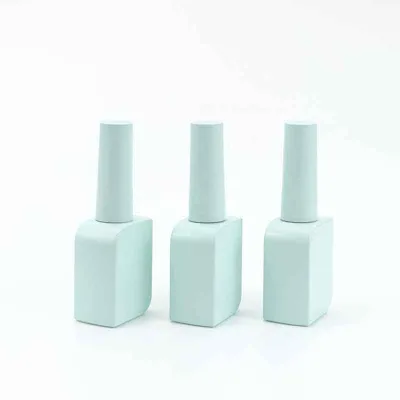
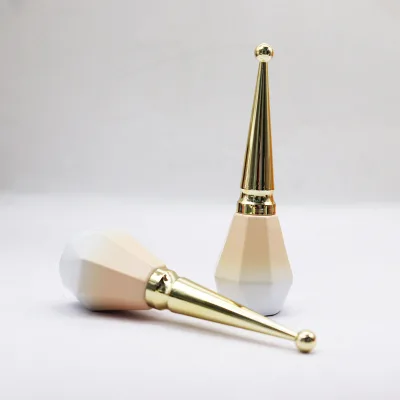
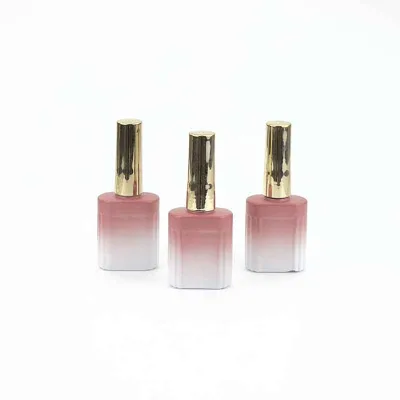
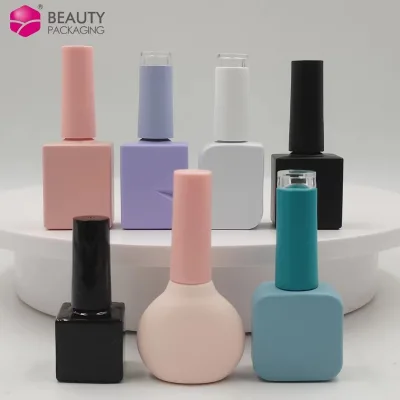
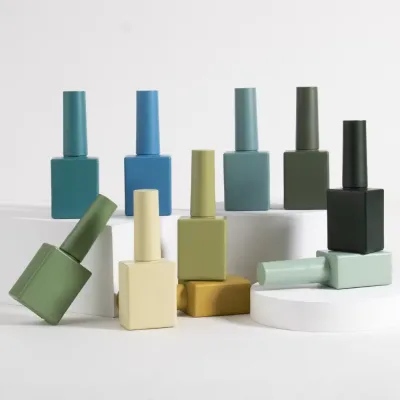
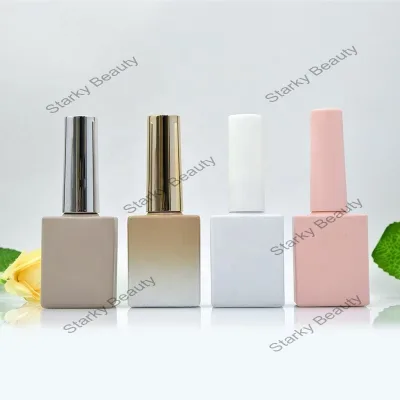


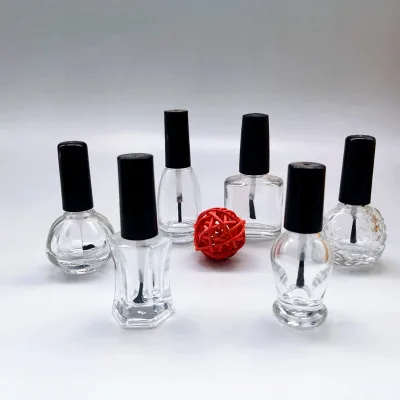


Nail Polish Bottle Nail Polish Empty Bottle Nail Art Bottle Gel Glass Bottle
$0.29 - $0.46
MOQ: 20000 Pieces


Comprehensive Sourcing Guide
Strategic Sourcing Guide for Gradient Blue Nail Polish Bottles
Sourcing specialized packaging for the beauty industry requires a nuanced understanding of material properties, aesthetic customization, and supply chain reliability. When targeting a Gradient Blue Nail Polish Bottle, buyers must navigate a landscape where visual appeal is as critical as functional integrity. The following guide provides a disciplined approach to evaluating suppliers, verifying technical specifications, and ensuring that procurement decisions align with quality standards and operational needs. This analysis relies strictly on observed market data and established industry practices to avoid speculation.
Technical Specifications and Material Composition
The foundation of a successful procurement strategy lies in the precise definition of technical specifications. For nail polish bottles, the interaction between the container material and the chemical composition of the product is paramount. Observed market data indicates that the primary body material for these containers is glass. Glass is preferred for its chemical inertness, which prevents reactions with solvents found in nail polish, thereby preserving product integrity over time. The thickness of the glass is a critical specification, with observed values ranging from 1 cm to 2 cm. While a 2 cm thickness is frequently cited, buyers should verify that the specific unit selected offers sufficient rigidity to prevent breakage during shipping and handling without being overly heavy, which could increase logistics costs.
Volume capacity is another variable that requires careful selection. The market presents a range of options, including 5ml, 10ml, 11ml, 12ml, 15ml, and 20ml configurations. A gradient blue aesthetic is often applied to bottles in the 10ml to 15ml range, though smaller 5ml or 11ml variants are also available. The sealing mechanism is equally important; the standard configuration observed involves a cap with an integrated brush. This design facilitates direct application and minimizes spillage. Buyers must ensure that the brush bristles are compatible with the viscosity of the nail polish being packaged and that the cap provides a hermetic seal to prevent evaporation or leakage. The surface finishing processes observed include frost treatments and screen printing, which can be used to enhance the gradient effect or apply branding.
Aesthetic Customization and Surface Handling
The "gradient blue" descriptor implies a specific visual requirement that goes beyond simple coloration. In the context of glass packaging, this aesthetic is achieved through specialized surface handling techniques. Observed data points to silk screen printing and hot stamping as viable methods for applying color and branding. The gradient effect may be a result of the glass tinting process or a multi-step printing technique that blends colors seamlessly. Buyers should note that customization is a widely available attribute, allowing for specific color requests such as dumb pink, dumb blue, or gradient light yellow.
Surface printing capabilities vary by supplier. Some manufacturers offer "Other" surface printing methods, while others specialize in frost finishes or specific screen printing techniques. The choice of printing method impacts the durability of the design and the cost of production. For a gradient blue bottle, the consistency of the color transition is a key quality indicator. Buyers should request physical samples to verify that the gradient does not appear patchy or uneven. Additionally, the "brand name" attribute is often customizable, with some suppliers offering logo application via silkscreen, hot stamping, or labeling. This flexibility allows brands to maintain a cohesive visual identity across their product lines.
Compliance, Certification, and Safety Standards
In the cosmetic packaging sector, compliance with safety and environmental standards is non-negotiable. While specific certification statuses are not universally listed for every product variant, buyers must verify that the glass materials and inks used meet relevant safety regulations. The glass itself must be free from lead and other heavy metals that could leach into the cosmetic product. The sealing components, including the cap and brush, should be made from food-grade or cosmetic-grade plastics to ensure they do not contaminate the nail polish.
When evaluating suppliers, buyers should inquire about their adherence to international standards for cosmetic packaging. Although specific standard numbers like "12ML" appear in product descriptions, these often refer to volume specifications rather than regulatory compliance codes. Buyers must explicitly ask for documentation regarding the safety of the materials used, particularly the plastic collar material and the inks used for the gradient blue finish. The absence of a reed diffuser in these bottles is a standard feature for nail polish, but the absence of specific certification claims in product listings does not imply non-compliance; rather, it necessitates a proactive verification process.
Cost Drivers and Pricing Dynamics
The pricing of gradient blue nail polish bottles is influenced by several factors, including material costs, customization complexity, and order volume. The observed price range in the market spans from 0 to 0.46 USD per unit, though this wide range likely reflects the difference between standard stock items and highly customized gradient designs. The cost of the gradient effect itself is a significant driver, as it requires additional processing steps compared to solid-colored bottles.
Order volume plays a crucial role in determining the final unit price. The Minimum Order Quantity (MOQ) varies significantly, with observed ranges from 1 unit to 100,000 units. Some suppliers set an MOQ of 20,000 pieces, which is typical for custom glass printing runs. Buyers with lower volume requirements may face higher per-unit costs or may need to source from suppliers with lower MOQ thresholds. Lead times are also a cost factor; observed lead times can extend to 35 days, which impacts inventory planning and cash flow. Buyers should factor in these timelines when calculating the total cost of ownership, including potential expedited shipping fees if the standard lead time is too long for their launch schedule.
Supplier Evaluation and Operational Capabilities
Selecting the right supplier involves more than just comparing prices; it requires a thorough assessment of their operational capabilities and reliability. The origin of the products is a key indicator of supply chain stability. Observed data shows that manufacturers are located in various regions of China, including Guangdong, Guangxi, and Zhejiang. Each region may have different specializations and logistical advantages. Guangdong, for instance, is a major hub for manufacturing and export, often offering robust infrastructure for international trade.
Buyers should verify whether the supplier operates as a direct factory or a trading company. Direct factory status, indicated by "Factory: YES" in some listings, often implies better control over quality and pricing. The ability to provide customization, such as specific gradient colors and logo printing, is a strong indicator of a supplier's technical proficiency. Additionally, the trade terms offered, such as FOB, CIF, and EXW, provide insight into the supplier's flexibility and experience in international logistics. A supplier offering multiple trade terms is generally more adaptable to different buyer needs.
Quality Control and Inspection Protocols
Implementing a rigorous quality control (QC) protocol is essential to ensure that the gradient blue bottles meet the required standards. The primary areas of inspection should include the integrity of the glass, the consistency of the gradient color, and the functionality of the cap and brush assembly. Visual inspection is critical for the gradient effect; buyers should check for color bleeding, uneven transitions, or defects in the frosting process.
Leakage testing is another vital component of QC. The "Advantage: no leakage" attribute observed in the market highlights the importance of a secure seal. Buyers should conduct pressure tests or drop tests on a sample batch to verify that the bottles do not leak under normal shipping conditions. The packaging method, described as "Seperately Safe Packaging+Standard Carton," should be evaluated to ensure that individual bottles are protected from breakage during transit. For large orders, implementing a third-party inspection service at the factory before shipment can mitigate the risk of receiving defective goods.
Long-Term Procurement Considerations
Sourcing for the beauty industry is a long-term endeavor that requires planning for scalability and consistency. As brands grow, the demand for specific packaging designs like the Gradient Blue Nail Polish Bottle will likely increase. Buyers should establish a relationship with suppliers who can scale production without compromising quality. The availability of customization options ensures that the packaging can evolve with the brand's identity.
Supply chain resilience is another critical consideration. Relying on a single supplier or a single region can pose risks, especially given the variability in lead times and production capacity. Diversifying the supplier base or maintaining a buffer stock can help mitigate disruptions. Furthermore, buyers should stay informed about changes in material regulations and environmental standards, as the industry is increasingly focused on sustainability. Ensuring that the glass and plastic components are recyclable or made from sustainable sources can enhance the brand's market appeal. By focusing on these long-term factors, buyers can secure a reliable supply of high-quality gradient blue nail polish bottles that support their business growth.
FAQs
What materials are used for gradient blue nail polish bottles?
The primary body material is glass, which ensures chemical inertness for nail polish. The collar material is plastic, and the sealing type typically involves a cap with an integrated brush for application.
Which volume capacities are available for these bottles?
Available volumes include 5ml, 10ml, 11ml, 12ml, 15ml, and 20ml configurations. Buyers can select specific sizes like 15ml or 20ml depending on their packaging needs and product viscosity requirements.
Can I customize the color to a gradient blue finish?
Yes, customization is available for colors including dumb blue and gradient light yellow. Surface handling options like silk screen printing and frost finishes allow for specific aesthetic effects and branding integration.
What is the typical lead time for production?
The observed lead time is 35 days for standard production runs. This duration accounts for manufacturing, surface printing, and quality checks before shipping from origins in Guangdong, Guangxi, or Zhejiang, China.
How is the product packed to prevent breakage?
The product uses separately safe packaging combined with standard cartons to ensure protection. This method helps prevent glass breakage during transit and maintains the integrity of the gradient finish and brush assembly.
What are the minimum order quantities for custom orders?
Minimum order quantities range from 1 unit to 100,000 units depending on the supplier. Some manufacturers require an MOQ of 20,000 pieces for custom printing runs, while others may accept smaller batch sizes.
Which surface printing methods are supported for branding?
Supported methods include silk screen printing, hot stamping, and labeling. These processes allow for logo application and design details on the glass surface, ensuring durability and brand visibility on the bottle.