Source Gradient Breathable Bicycle Handlebar Tape for MTB, Road, BMX
Find and compare 30 listings for Gradient Breathable Bicycle Handlebar Tape suitable for mountain bikes, road bicycles, and BMX. Options feature PU+EVA materials, various colors, and certifications like CE and BSCI for reliable sourcing.
Key considerations
Products List
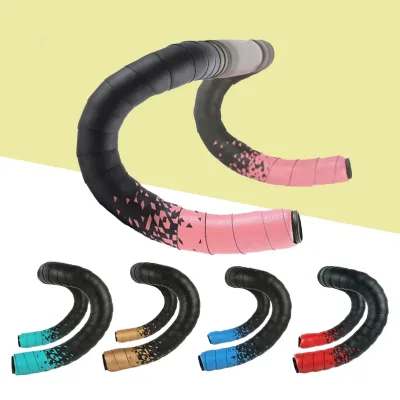
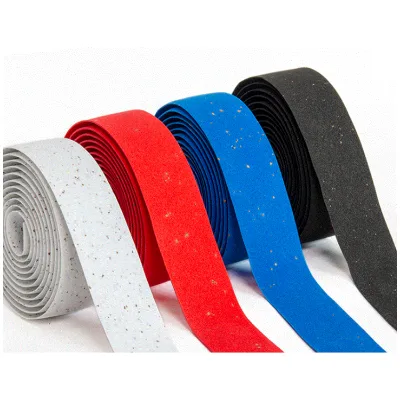


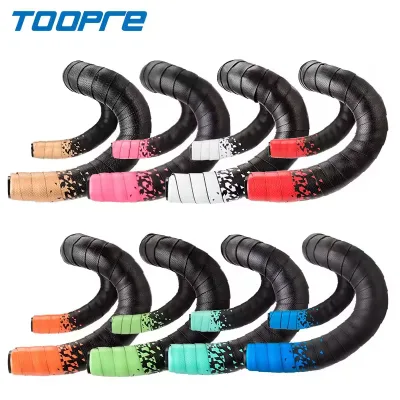
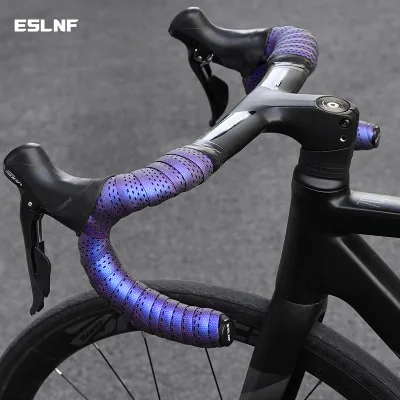
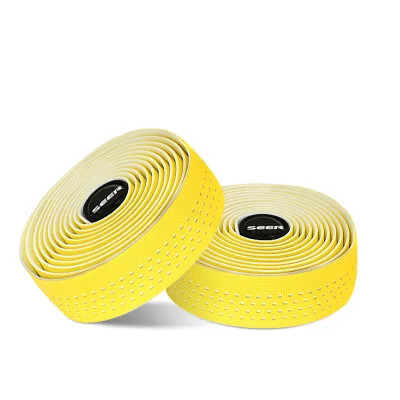
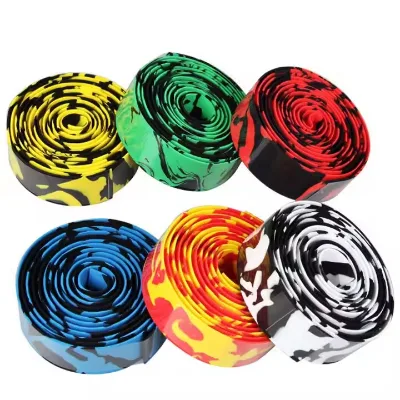
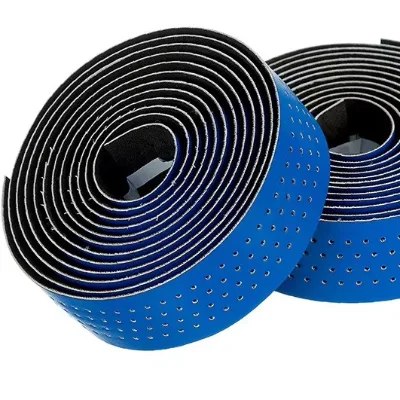
Bicycle Handlebar Tape Camouflage Shock Anti-slip Bar Tape Cycling Handle Belt
$0.50 - $0.54
MOQ: 10 pieces
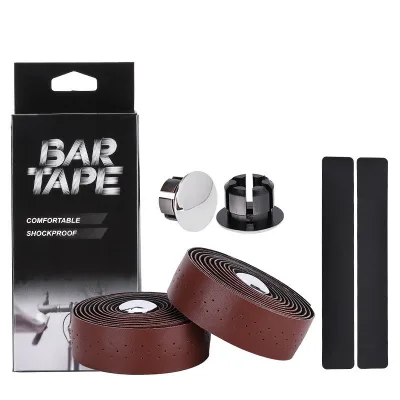
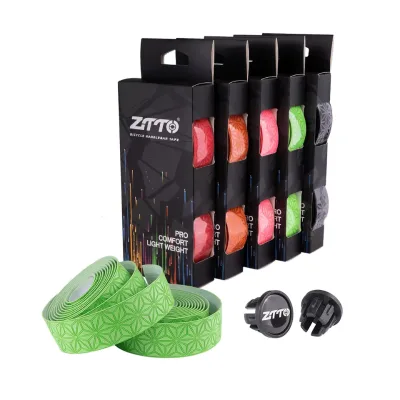





Comprehensive Sourcing Guide
Gradient Breathable Bicycle Handlebar Tape Sourcing Guide
Sourcing high-performance handlebar tape requires a nuanced understanding of material science, supply chain transparency, and commercial terms. The market for bicycle accessories, particularly those involving direct skin contact like grip tape, is dominated by manufacturers in specific industrial hubs, with Hebei, China, emerging as a significant production center for these components. Buyers must navigate a landscape where product attributes vary significantly between listings, ranging from basic PU materials to complex multi-layer constructions involving EVA foam for enhanced comfort. This guide provides a structured approach to evaluating suppliers, verifying technical specifications, and ensuring that the final product meets the rigorous demands of both professional cycling and everyday commuting.
The decision to source gradient or breathable handlebar tape involves balancing aesthetic appeal with functional performance. While visual customization is a strong driver for retail brands, the underlying material properties—such as moisture management, tackiness, and durability—remain the primary determinants of product success. Procurement teams must therefore look beyond surface-level marketing claims and focus on verifiable data points regarding weight, dimensions, and material composition. By adhering to a disciplined verification process, buyers can mitigate the risks associated with inconsistent quality and ensure that their inventory aligns with the expectations of end-users who demand reliability and comfort.
Product Scope and Observed Listing Signals
The current market landscape for handlebar tape reveals a diverse range of product offerings, with observed listings indicating a price range of $0.50 to $7.14 USD and minimum order quantities (MOQs) varying from 1 to 500 pieces. This wide variance suggests a fragmented supplier base, where some vendors cater to small-scale retailers or dropshippers with low entry barriers, while others target larger distributors requiring bulk commitments. The presence of products labeled with specific model numbers, such as "gfd-10083," and distinct branding like "Gefeida," alongside unbranded options, indicates that buyers have access to both private-label manufacturing and established brand partnerships. Understanding these signals is crucial for aligning procurement volume with supplier capabilities.
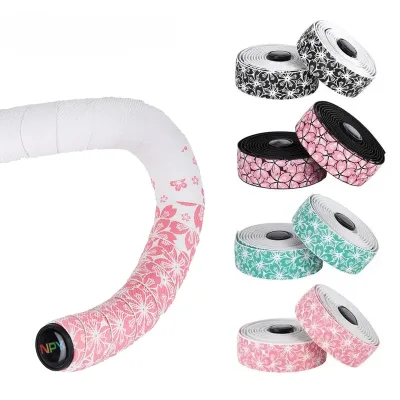
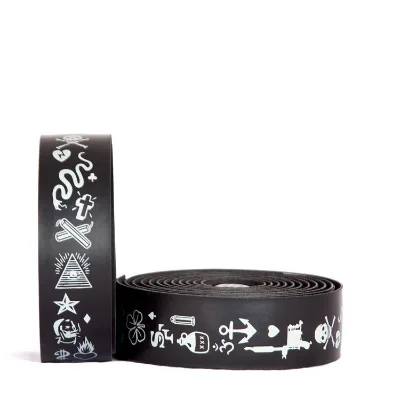
Product attributes observed in the market highlight a strong emphasis on versatility and aesthetic variety. Common applications include mountain bikes, road bicycles, BMX, and even kids' bikes, suggesting that the core product design is adaptable to multiple cycling disciplines. Color options are extensive, ranging from standard black, white, and red to more vibrant choices like pink, green, orange, gold, and cyan, as well as gradient combinations. This variety allows buyers to target specific consumer segments, from performance-oriented cyclists who prefer neutral tones to recreational riders who prioritize visual customization. However, the discrepancy in listed weights, ranging from 0.09kg to 175g, underscores the need for careful specification verification to ensure consistency across orders.
Technical Specifications to Verify
Material composition is the most critical technical factor when evaluating handlebar tape, as it directly influences comfort, durability, and grip. The supplied facts indicate that many products utilize a combination of PU (Polyurethane) and EVA (Ethylene-Vinyl Acetate), a pairing that offers a balance of softness and resilience. PU provides a durable, weather-resistant outer layer, while EVA foam adds cushioning to reduce hand fatigue during long rides. Buyers must verify the specific ratio and quality of these materials, as lower-grade EVA may compress quickly, leading to a loss of comfort and a shorter product lifespan. Additionally, some listings mention "pu" alone, which may indicate a simpler, less cushioned construction suitable for different price points or use cases.
Dimensional accuracy and packaging details are equally important for logistics and end-user satisfaction. Observed specifications include widths ranging from 300 to 400mm and lengths such as 19530mm or 215030*3mm, highlighting the need for precise measurement verification. The inclusion of accessories like handlebar jams and finishing tapes in some product sets adds value but also complicates inventory management. Buyers should confirm whether the tape is sold as a single item or as a complete kit, and verify the single gross weight and volume to calculate shipping costs accurately. Packaging formats vary from OPP bags to boxes, which can affect product protection and retail presentation, making it essential to align packaging choices with the target market's expectations.
Compliance and Safety Documentation
Certification requirements play a pivotal role in establishing trust and ensuring regulatory compliance, particularly for products that come into direct contact with the user's skin. The market data indicates that some suppliers provide certifications such as ISOEEC, BSCI, and CE, which signal adherence to international quality and social responsibility standards. ISOEEC, while not a standard acronym, likely refers to ISO 9001 or similar quality management systems, ensuring consistent manufacturing processes. BSCI certification demonstrates compliance with ethical labor practices, which is increasingly important for brands targeting conscious consumers in Western markets. CE marking indicates conformity with health, safety, and environmental protection standards for products sold within the European Economic Area.
Buyers must rigorously verify the validity and scope of these certifications, as their presence on a listing does not guarantee that every batch of production meets the same standards. It is advisable to request copies of the certificates and check their expiration dates and issuing bodies. Furthermore, while the supplied facts mention "ISOEEC" and "CE," buyers should clarify whether these certifications cover the specific materials used, such as the PU and EVA components, to ensure there are no harmful chemical residues. For markets with strict chemical regulations, such as REACH in Europe or CPSIA in the US, additional testing may be required to confirm that the handlebar tape is free from prohibited substances like phthalates or heavy metals.
Cost Drivers and Commercial Terms
The cost of handlebar tape is influenced by several factors, including material quality, customization options, and order volume. The observed MOQ range of 1 to 500 pieces suggests that suppliers are flexible, but higher volumes often unlock better pricing tiers. Customization, such as private labeling or unique color gradients, typically incurs additional setup fees and may increase the MOQ. Buyers should negotiate clearly on whether the quoted price includes packaging, accessories, and shipping costs, as these can significantly impact the total landed cost. The presence of "no brand" options alongside branded products indicates that unbranded items may offer cost savings, but buyers must weigh this against the potential loss of brand equity in their retail channels.
Commercial terms, including delivery times and payment conditions, are critical for supply chain planning. The supplied facts indicate a shipping time of 7-15 days after placing the order, which is relatively fast but can vary based on production capacity and logistics arrangements. Buyers should confirm whether this timeline is consistent across all seasons and if there are any peak-period surcharges. Additionally, understanding the payment terms, such as deposits or letters of credit, is essential for managing cash flow. It is also important to clarify the responsibilities for customs clearance and import duties, especially when sourcing from international suppliers, to avoid unexpected costs at the destination.
Supplier Qualification and Quality Control
Supplier qualification is a multi-step process that begins with verifying the manufacturer's background and production capabilities. Given that many products originate from Hebei, China, buyers should assess the supplier's factory size, equipment, and workforce to ensure they can meet quality and volume requirements. Requesting samples is a crucial step in this process, allowing buyers to physically inspect the material quality, stitching, and overall finish. The observed weight variations, from 0.09kg to 175g, highlight the importance of sample verification to ensure that the product matches the specified technical parameters. Buyers should also inquire about the supplier's quality control procedures, including in-process inspections and final random inspections.
Establishing a robust quality control protocol is essential for maintaining product consistency and minimizing returns. Buyers should define clear acceptance criteria for defects, such as uneven coloring, weak adhesion, or material imperfections, and communicate these standards to the supplier. Implementing a third-party inspection service for pre-shipment checks can provide an additional layer of assurance, particularly for large orders. It is also advisable to establish a communication channel for addressing quality issues promptly, including protocols for returns, replacements, or refunds. By building a strong relationship with the supplier based on transparency and mutual accountability, buyers can foster a more reliable and responsive supply chain.
Long-Term Procurement Checks
Long-term procurement success depends on continuous monitoring of supplier performance and market trends. Buyers should regularly review key performance indicators (KPIs) such as on-time delivery rates, defect rates, and responsiveness to inquiries. Tracking these metrics over time can help identify potential issues early and facilitate data-driven decisions regarding supplier retention or replacement. Additionally, staying informed about changes in material costs, regulatory requirements, and consumer preferences is crucial for adapting the procurement strategy. For instance, the growing demand for eco-friendly materials may necessitate exploring suppliers who offer sustainable alternatives to traditional PU and EVA.
Building a diversified supplier base can mitigate risks associated with single-source dependency. By engaging with multiple suppliers, buyers can compare prices, quality, and service levels, ensuring they have backup options in case of disruptions. It is also important to maintain open lines of communication with suppliers to discuss future product developments and potential collaborations. Regularly updating the product portfolio with new colors, materials, or designs can help keep the offering fresh and competitive in the market. By adopting a proactive and strategic approach to procurement, buyers can secure a steady supply of high-quality handlebar tape that meets the evolving needs of their customers.
FAQs
What materials are used for the handlebar tape?
The handlebar tape is constructed from a combination of PU and EVA materials to ensure durability and comfort. This composition provides a soft grip while maintaining structural integrity during various cycling conditions on mountain or road bikes.
Which bicycle types fit this handlebar tape?
This product is designed to fit mountain bikes, road bicycles, and BMX bikes. It is also suitable for ordinary bicycles and kids bikes, offering versatile application across different cycling disciplines and rider preferences.
Can I customize the color of the tape?
Customization is available for this product, allowing buyers to select specific colors. Options include blue, pink, white, red, green, orange, gold, and various combinations like white cyan or black pink to match brand requirements.
What is the minimum order quantity for this item?
The minimum order quantity varies between 100 and 500 pieces depending on the specific supplier configuration. Some listings require 100 pieces while others set the threshold at 500 pieces for bulk procurement of the handlebar tape.
How long does delivery take after placing an order?
Delivery typically occurs within 7 to 15 days after the order is placed. This lead time applies to the standard shipping process for the bicycle handlebar grip tape from the manufacturing location in Hebei, China.
What certifications does the product hold?
The product holds ISOEEC and CE certifications, ensuring compliance with relevant safety and quality standards. Some listings also mention BSCI certification, indicating adherence to social compliance standards for the manufacturing process.
What is the weight of a single handlebar tape unit?
The weight of a single unit ranges from approximately 99.4 grams to 175 grams depending on the specific model. This variation accounts for different packaging configurations and the inclusion of finishing tapes or jam materials in the set.