Source Grid Foam Roller for Yoga Pilates and Recovery
Source a grid foam roller for yoga and pilates from 30 verified listings. Compare EVA models with varying sizes, bearing capacities, and OEM options to find the right fitness tool for your business needs; compare the available evidence and request quotations based on your requirements.
Key considerations
Products List




Comprehensive Sourcing Guide
Grid Foam Roller for Yoga and Pilates Sourcing Guide
The grid foam roller market for yoga and pilates presents a diverse range of products primarily manufactured in China, with specific models like the MS-CD3015 and YR-18 offering distinct sizing options. Buyers should note that observed listings indicate a wide variation in dimensions, ranging from compact 33cm units to larger 90cm configurations, which directly impacts the intended use case for muscle massage versus full-body stretching. The material composition is consistently identified as EVA, a choice that balances durability with the lightweight characteristics essential for portable fitness equipment.
Procurement decisions must account for the significant variability in load-bearing capacities observed across different listings, with some units rated for 200kg while others claim 400kg support. This discrepancy necessitates rigorous verification of structural integrity before bulk ordering, as the grid texture is designed to provide targeted pressure points for deep tissue work. Sourcing agents should prioritize suppliers who can clearly demonstrate the relationship between the foam density and the specific grid pattern depth to ensure the product meets the physical demands of professional yoga instructors and fitness enthusiasts.
Product Scope and Observed Listing Signals
Current market listings reveal a strong emphasis on customization capabilities, with many suppliers accepting OEM and ODM requests to tailor logos, packaging, and specific dimensions. The observed product names, such as "Yoga Massage Column" and "Luxury Foam Yoga Roller," suggest a market segment that values both functional utility and aesthetic presentation for retail packaging. Buyers will find that packaging formats vary significantly, ranging from individual OPP bags to bulk cartons containing 30 to 50 pieces, which influences the final landed cost and logistics planning for international distribution.
The age and gender targeting for these products are generally listed as adult and women, though the functional design often appeals to a broader fitness demographic. Color options are frequently described as solid colors or figure-specific designs, allowing retailers to align inventory with seasonal trends or brand identity requirements. It is critical for buyers to distinguish between standard stock items and custom orders, as the lead times and minimum order quantities can differ substantially depending on the level of personalization required for the final product.
Technical Specifications to Verify
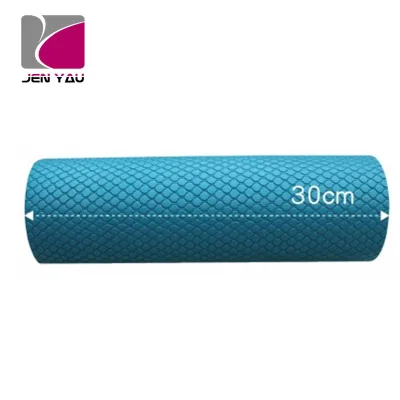
When evaluating technical specifications, the physical dimensions of the roller are a primary consideration, with common sizes including 33cm by 13cm and larger variants up to 90cm in length. The grid pattern depth and foam density are not always explicitly detailed in standard listings, requiring buyers to request physical samples to verify the texture's ability to penetrate muscle tissue without causing excessive discomfort. The single weight of these units typically ranges from 200g to 400g, a factor that affects portability and the perceived quality of the material used in construction.
Load-bearing capacity is another critical specification that varies across the supply base, with some products claiming support for up to 400kg while others are rated for 200kg. Buyers must verify these claims through independent testing or by reviewing third-party certification documents, as the structural integrity of the EVA foam is essential for safety during intense pilates or yoga sessions. Additionally, the surface features, such as non-slip properties and anti-tear capabilities, should be confirmed to ensure the product maintains its performance characteristics over repeated use and cleaning cycles.
Compliance and Safety Documentation
Safety compliance for foam rollers often involves verifying that the EVA material meets specific chemical safety standards for consumer goods, particularly regarding the absence of harmful phthalates or heavy metals. While specific certification names are not universally listed in the provided data, buyers should request documentation confirming that the materials are eco-friendly and non-toxic, as these are frequently cited as key product features in the market. Ensuring that the manufacturing process adheres to international safety guidelines is essential for maintaining brand reputation and avoiding regulatory hurdles in target markets like Europe and America.
Documentation regarding the durability and tear resistance of the grid surface is also crucial for liability management, especially when products are marketed for heavy-duty muscle massage applications. Buyers should require suppliers to provide test reports that validate the anti-tear claims and confirm that the product can withstand the mechanical stress of repeated rolling without degrading. This verification process helps mitigate the risk of product failure in the field, which could lead to customer complaints or potential safety incidents during use.
Cost Drivers and Commercial Terms
The cost structure for grid foam rollers is heavily influenced by the level of customization, with OEM and ODM services adding significant value but also increasing the unit price and minimum order requirements. Observed minimum order quantities range widely from 20 pieces to 1000 pieces, creating a barrier to entry for small retailers while offering economies of scale for larger distributors. Payment terms are flexible, with options including T/T, Western Union, and various digital wallets, allowing buyers to negotiate terms that align with their cash flow and risk management strategies.
Lead times for production and delivery are another critical cost driver, with some suppliers offering rapid turnaround times of 3 to 5 days for standard items, while custom orders may require extended periods. Shipping methods such as UPS, DHL, and TNT are commonly available, but the choice of carrier and shipping method will significantly impact the final landed cost and delivery speed. Buyers must carefully calculate the total cost of ownership, including freight, duties, and potential inventory holding costs, to ensure that the procurement strategy remains profitable in the competitive fitness equipment market.
Supplier Qualification and Quality Control
Supplier qualification should focus on verifying the manufacturer's capacity to maintain consistent quality across large production runs, particularly given the variability in observed specifications like bearing capacity and dimensions. Buyers should assess the supplier's experience in producing EVA-based fitness equipment and their ability to adhere to strict quality control protocols that minimize defects in the grid pattern and foam density. The presence of a dedicated quality assurance team and the availability of pre-shipment inspection services are strong indicators of a reliable partner capable of meeting international standards.
Quality control measures must include rigorous testing of the product's structural integrity and surface durability to ensure that the grid texture remains effective over time. Buyers should implement a sampling plan that tests for tear resistance, load-bearing limits, and material safety before approving bulk shipments. Establishing clear communication channels for feedback and issue resolution is also essential, as it allows for the rapid identification and correction of any quality deviations that may arise during the production or shipping process.
Long-Term Procurement Checks
Long-term procurement success depends on establishing a robust relationship with suppliers who can adapt to changing market demands and provide consistent product quality over time. Buyers should regularly review supplier performance metrics, including on-time delivery rates, defect rates, and responsiveness to customization requests, to ensure that the partnership remains beneficial for both parties. Maintaining a diverse supplier base can also mitigate risks associated with supply chain disruptions, ensuring that inventory levels remain stable even during periods of high demand.
Continuous monitoring of market trends and competitor offerings is essential for staying ahead in the grid foam roller sector, as product features and consumer preferences evolve rapidly. Buyers should engage in periodic market research to identify emerging technologies or design innovations that could enhance their product portfolio and maintain a competitive edge. By fostering a proactive approach to supplier management and market analysis, organizations can ensure long-term growth and sustainability in the dynamic fitness equipment industry.
FAQs
What materials are used for the yoga massage column?
The product is constructed from EVA material, which ensures durability and comfort during use. This material choice supports the lightweight design while maintaining structural integrity for various fitness applications like yoga and muscle massage.
Which sizes are available for the foam roller models?
Available sizes include 33cm by 13cm, 33cm by 14cm, and 33cm by 14.5cm. Some models also offer expanded sizes of 13.7 by 5.3 by 5.2 inches or lengths of 30, 45, 60, and 90 centimeters depending on the specific model selected.
Can buyers request custom logos on the yoga rollers?
Yes, customized logos are available for this product line. Buyers can also request OEM or ODM customization services to tailor the product to their specific brand requirements or market needs while maintaining the core functional features.
How much weight can the yoga roller support?
The bearing capacity varies by model, with some units supporting up to 400kg and others rated for 200kg. This ensures the roller remains stable and safe for adult users during intense yoga exercises or muscle massage sessions.
What is the minimum order quantity for these products?
The minimum order quantity ranges from 20 pieces to 50 pieces depending on the specific model and customization level. Some listings indicate a general MOQ of 2 pieces, while standard bulk orders typically start at 20 or 50 units.
How long does delivery take for these yoga rollers?
The standard delivery time is approximately 3 to 5 days for processing and shipment. This lead time applies to the production and initial dispatch phase before the goods are handed over to logistics carriers like UPS, DHL, or TNT.
Which shipping methods are accepted for these orders?
Accepted shipping methods include UPS, DHL, TNT, and EMS for international delivery. Buyers can also arrange payment via T/T, Western Union, PayPal, WeChat, or Alipay to facilitate the transaction and coordinate the logistics with the supplier.