Source Half Mesh Fishing Trap for Lobster, Crab, and Shrimp
Compare 30 listings of Half Mesh Fishing Trap options featuring varying sizes, materials like PE net and metal, and mesh specifications. Buyers can evaluate dimensions, frame thickness, and packaging details to find suitable aquaculture solutions.
Key considerations
Products List
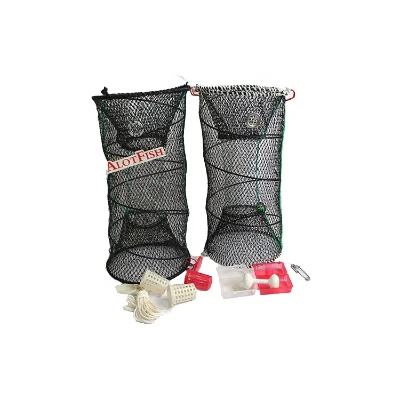
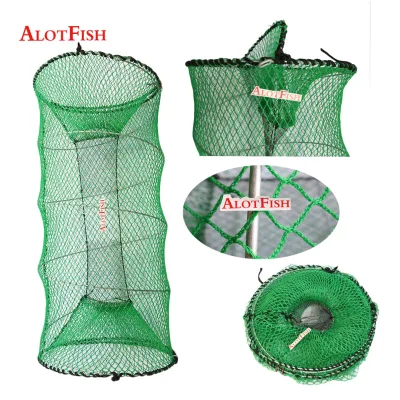


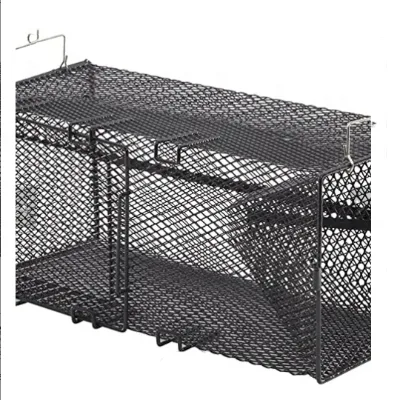
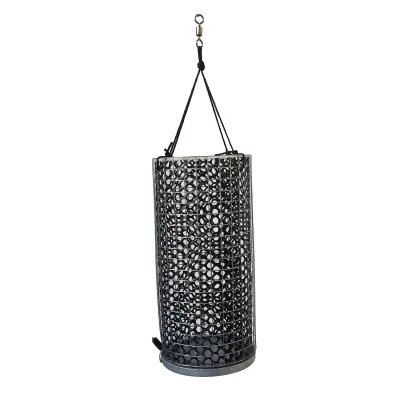





Comprehensive Sourcing Guide
Half Mesh Fishing Trap Sourcing Guide
Sourcing half mesh fishing traps requires a nuanced understanding of how mesh configuration influences catch selectivity and retention. Unlike uniform mesh designs, half mesh traps utilize a transition from larger to smaller mesh sizes, typically arranged in a half-mesh pattern along the trap’s body. This design is critical for aquaculture and recreational fishing, as it allows undersized or non-target species to escape while retaining larger, marketable catches. Buyers must recognize that this specific structural feature directly impacts the efficiency of the trap in mixed-species environments, making it a key differentiator when evaluating suppliers for lobster, crab, shrimp, or general fish trapping applications.
The procurement process for these traps involves navigating a wide variety of product specifications, from material composition to dimensional standards. Observed market listings indicate a broad range of options, including plastic-coated wire frames, PE netting, and metal constructions, with sizes varying significantly from compact 30x60cm units to large 70x130cm cylindrical traps. Buyers should approach this diversity with caution, verifying that the specific half mesh configuration aligns with their target species and local regulatory requirements. The presence of customization options and varying frame thicknesses further complicates the selection process, necessitating a rigorous verification of technical details before placing orders.
Product Scope and Observed Listing Signals
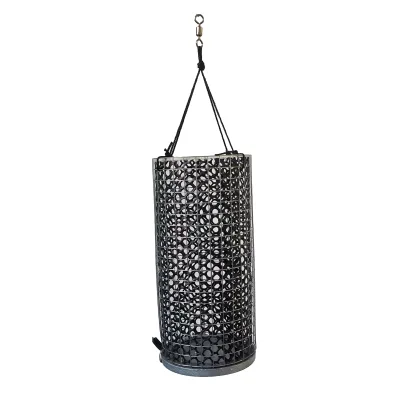
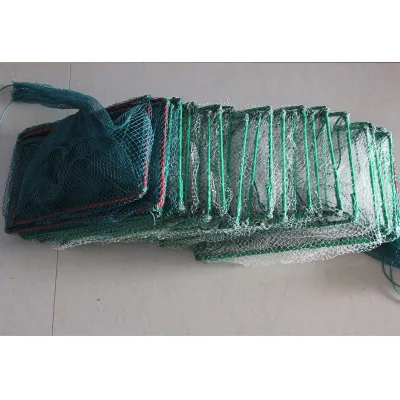
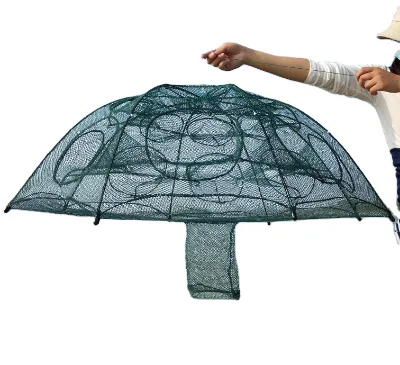
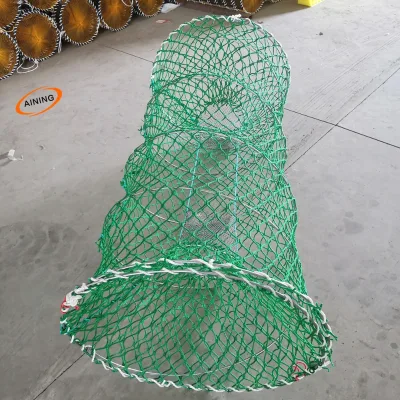
The current market for half mesh fishing traps presents a heterogeneous mix of product types, ranging from spring-loaded fishing traps to square and cylindrical cages. Listings frequently highlight specific use cases, such as lobster, crab, shrimp, and fish trapping, indicating that the half mesh design is versatile across multiple aquatic species. Buyers will encounter products with distinct shapes, including columnar and cylindrical forms, each offering different hydrodynamic properties and internal volume capacities. It is essential to distinguish between traps designed for specific single-species harvesting and those intended for multi-species aquaculture, as the half mesh placement and size will vary accordingly.
Observed listing signals reveal significant variation in material composition and structural integrity. Some products feature PE netting with specific twine sizes, such as 380D/9PLY, attached to plastic-coated wire frames, while others utilize metal frames with braided rope nets. The presence of escape holes, often with diameters around 28mm, suggests a focus on size-selective harvesting, a core benefit of the half mesh design. Additionally, single gross weights range from less than 1kg for smaller units to over 7kg for larger traps, reflecting differences in material density and construction robustness. Buyers must carefully cross-reference these physical attributes with their operational needs to avoid mismatched procurement.
Technical Specifications to Verify
Verifying mesh size and configuration is the most critical technical step when sourcing half mesh traps. Listings may specify mesh sizes such as 1.25x1.25cm or 2.5cm/3.5cm half mesh, but buyers must confirm how these dimensions transition across the trap’s surface. The half mesh pattern typically involves a gradual reduction in mesh opening size, which must be clearly defined in the product specifications to ensure it meets selectivity goals. Buyers should request detailed diagrams or samples to verify the exact arrangement of the half mesh, as inconsistencies in this pattern can lead to poor catch retention or excessive bycatch.
Frame construction and dimensional accuracy are equally important factors that require strict verification. Suppliers may offer frame thicknesses ranging from 3.6mm to 6mm, with materials including plastic-coated wire or steel. Buyers must ensure that the frame size corresponds accurately to the stated product dimensions, such as 30x60cm or 70x130cm, as discrepancies can affect the trap’s structural stability in water. Additionally, the entrance diameter, often cited between 15cm and 16cm, and the overall shape, whether cylindrical or square, must be confirmed to ensure compatibility with existing fishing gear or storage logistics.
Compliance and Safety Documentation
While specific certification statuses are not universally disclosed in general listings, buyers must proactively verify compliance with local fishing regulations and environmental standards. Many regions impose strict rules on trap design, including mesh size limits, escape hole requirements, and material restrictions to prevent ghost fishing. Buyers should request documentation from suppliers confirming that their half mesh traps meet the specific legal requirements of their target operating regions. This includes verifying that the escape hole diameter, such as the observed 28mm option, aligns with local size-selectivity mandates.
Safety and durability documentation are also essential for long-term operational reliability. Buyers should inquire about material safety data sheets, particularly for plastic-coated wires and PE netting, to ensure they are non-toxic and resistant to marine degradation. Suppliers should provide evidence of material quality, such as resistance to UV exposure and saltwater corrosion, which are critical for traps used in open-water environments. Without this documentation, buyers risk procuring traps that degrade quickly or fail to meet environmental compliance standards, leading to operational disruptions and potential legal liabilities.
Cost Drivers and Commercial Terms
The cost of half mesh fishing traps is influenced by several key factors, including material quality, frame thickness, and overall dimensions. Thicker frames, such as those up to 6mm, and higher-grade PE netting with specific twine counts like 380D/9PLY, typically command higher prices due to increased material costs and manufacturing complexity. Buyers should expect price variations based on these specifications, with larger traps like the 70x130cm models costing more than smaller 30x60cm units. Understanding these cost drivers allows buyers to balance budget constraints with performance requirements, avoiding under-specification that could lead to premature failure.
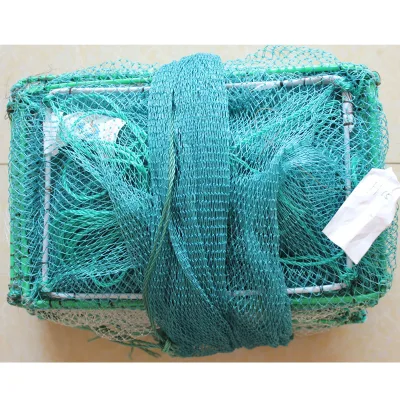
Commercial terms, including MOQ and packaging, also play a significant role in the total cost of ownership. Observed MOQs can start as low as 100 pieces, but buyers should negotiate based on volume to secure better pricing. Packaging details, such as plastic bags or custom requests, affect shipping efficiency and potential damage during transit. Buyers should clarify whether packaging is included in the unit price and how it impacts freight costs, especially for bulky items like the 70x70x30cm packaged traps. Transparent communication about these terms helps prevent unexpected expenses and ensures smooth logistics planning.
Supplier Qualification and Quality Control
Evaluating supplier qualification requires a focus on manufacturing capability and quality assurance processes. Buyers should verify that suppliers have experience in producing half mesh traps, as this specific design demands precise netting techniques and frame assembly. Requesting references or case studies from previous clients can provide insight into the supplier’s reliability and product consistency. Additionally, buyers should assess the supplier’s ability to handle customization requests, as many listings indicate that custom sizes and mesh configurations are available, which requires flexible production lines.
Quality control measures must be rigorously defined before placing orders. Buyers should establish clear acceptance criteria for mesh size accuracy, frame integrity, and material durability. Implementing pre-shipment inspections is crucial to catch defects such as loose knots, uneven mesh transitions, or frame deformities. Buyers should also consider third-party inspection services for large orders to ensure that the delivered products match the agreed-upon specifications. A robust quality control process minimizes the risk of receiving substandard traps and ensures that the half mesh design functions as intended in the field.
Long-Term Procurement Checks
Long-term procurement success depends on establishing a continuous feedback loop with suppliers to monitor product performance and market changes. Buyers should regularly review trap performance data, including catch rates, durability, and maintenance requirements, to assess whether the half mesh design continues to meet operational needs. This feedback should be shared with suppliers to drive product improvements and ensure that future orders reflect real-world usage conditions. Maintaining open communication channels helps build a collaborative relationship that can lead to better product development and pricing stability.
Regular audits of supplier compliance and quality standards are essential to mitigate long-term risks. Buyers should periodically re-verify that suppliers adhere to updated fishing regulations and environmental standards, as these requirements can change over time. Additionally, buyers should monitor market trends for new materials or designs that could offer improved performance or cost efficiency. By staying informed and proactive, buyers can ensure that their Half Mesh Fishing Trap procurement strategy remains competitive, compliant, and aligned with their business objectives.
FAQs
What materials are used for the frame and net?
The frame is constructed from plastic coated wire or steel, while the net is made of PE material or braided rope. Specific models feature twine sizes of 380D/9PLY and mesh sizes ranging from 1.25cm to 3.5cm half mesh depending on the trap design.
Which sizes are available for these fishing traps?
Available sizes include 30x60cm, 70x130cm, and various cylindrical dimensions like 55cmx40cmx32cm. Some models offer frame thicknesses from 3.6mm up to 6mm, with specific package sizes varying based on the trap dimensions selected.
Can I customize the trap specifications for my needs?
Yes, customization is available for these spring fishing traps. Buyers can request specific packing arrangements or dimensions, though standard options include green color and escape holes with diameters of 28mm or 15cm to 16cm.
What is the minimum order quantity for these traps?
The minimum order quantity is 100 pieces for standard items. However, some listings indicate an MOQ range from 1 to 1000 units, so buyers should verify specific supplier requirements before placing an order for bulk purchases.
Where are these aquaculture traps manufactured?
These traps are manufactured in Shandong, China. The products originate from this region and are exported as single items or in bags containing five pieces, with gross weights varying from 0.85kg to 7kg per unit.
How are these traps packaged for shipping?
Traps are typically packed in plastic bags, with some configurations containing five pieces per bag. Single package sizes vary significantly, ranging from 30x30x25cm for smaller models to 70x70x30cm for larger cylindrical traps.