Source Half Rim Square Wood Sunglasses for Men, Women, and Unisex Use
Explore 30 listings for Half Rim Square Wood Sunglasses featuring materials like bamboo, acetate, and alloy frames with glass or nylon lenses. Buyers can compare customization options, packaging types, and optical attributes such as polarization and UV protection across verified suppliers in Taizhou and China.
Key considerations
Products List


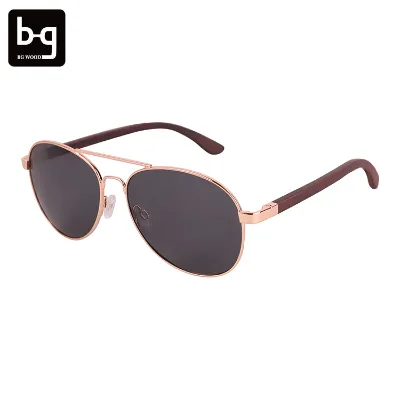
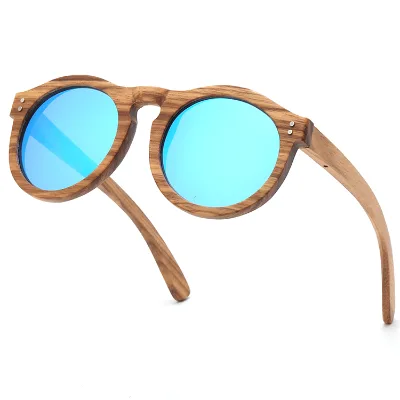
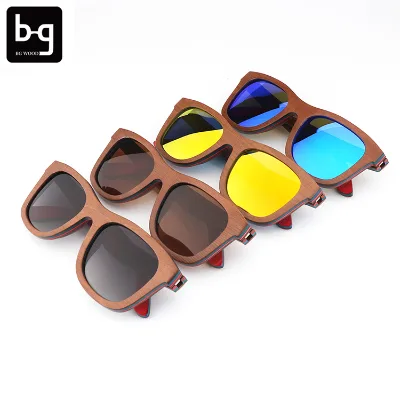
Unisex Sunglasses Custom Wood Skateboard Man Wooden Sunglasses Polarized Lens
$13.65 - $14.80
MOQ: 2 pieces


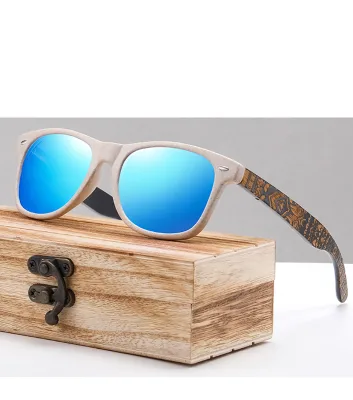
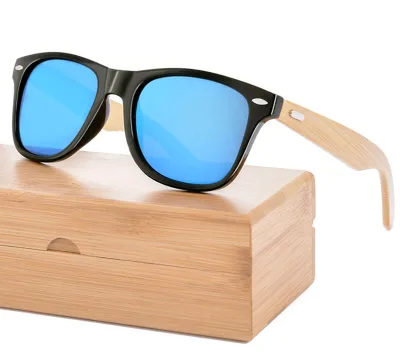


Comprehensive Sourcing Guide
Strategic Sourcing Guide for Half Rim Square Wood Sunglasses
Understanding the Product Category and Material Composition
Sourcing half-rim square wood sunglasses requires a precise understanding of the unique material blend and structural design that defines this specific eyewear category. The core keyword indicates a hybrid construction where the upper portion of the frame is typically made from wood, while the lower rim is often absent or constructed from a thin wire, creating a distinct "half-rim" aesthetic. The supplied data confirms that wood is a viable frame material for this segment, with specific references to bamboo and mixed constructions involving metal and wood temples. This combination offers a lightweight profile and a natural, organic aesthetic that appeals to buyers seeking eco-friendly or fashion-forward options.
The square shape is a critical design specification, often associated with a bold, modern look that complements various face shapes, including square and round faces, as noted in the product attributes. However, the "half-rim" construction introduces specific engineering challenges. Unlike full-frame acetate or metal sunglasses, the lack of a lower rim means the lenses must be held securely by the upper frame and the nose bridge. The supplied facts mention "One-Piece" nose support and various frame materials such as acetate, metal, and wood. Buyers must verify that the specific half-rim design utilizes a robust hinge system and a secure lens retention method, as the structural integrity relies heavily on the upper wood frame and the connection points.
When evaluating the "wood" aspect, it is essential to distinguish between solid wood, bamboo, and wood-composite materials. The data lists "Bamboo" and "Wood" as distinct materials, suggesting that suppliers may offer different grades of natural material. Bamboo is often praised for its durability and sustainability, while other woods may offer different grain patterns and hardness levels. The presence of "Metal and wood temple" in the specifications indicates that the arms (temples) may be a hybrid, potentially using metal for the hinge and tip areas while maintaining a wooden aesthetic along the length. This hybrid approach is common in high-quality wooden eyewear to ensure durability at stress points.
Technical Specifications and Design Standards
Technical due diligence is paramount when sourcing half-rim square wood sunglasses, as the intersection of organic materials and precision optical engineering creates a narrow margin for error. The supplied data provides several specific dimensional standards that serve as benchmarks for quality verification. For instance, one product entry lists a standard of "54-22-145," while another cites "55-15-145" and "58-16-146." These numbers typically represent the lens width, bridge width, and temple length in millimeters, respectively.
Buyers should not assume that all half-rim square wood sunglasses will adhere to a single set of dimensions. Instead, they must verify the specific lens width and bridge measurements for each model to ensure they meet the target demographic's fit requirements. The variation in bridge width (ranging from 15mm to 22mm in the observed data) is significant, as a wider bridge may be necessary for larger square frames to prevent slipping, while a narrower bridge might be preferred for a more delicate look. The temple length variations (145mm to 146mm) suggest a standard adult fit, but buyers should confirm that the temple length accommodates the intended age group, which the data identifies as "Adult."
The lens material is another critical technical specification. The data indicates a mix of lens types, including "Glass," "Nylon," and "Tac" (Trivex or similar high-impact plastic). For half-rim designs, the lens material choice is driven by the need for strength. Glass lenses, while offering superior optical clarity, are heavier and more prone to shattering, which can be a liability in a half-rim design where the lens is exposed on the bottom edge. Nylon and Tac lenses are generally preferred for their impact resistance and lighter weight, making them more suitable for the structural demands of a half-rim frame. Buyers must explicitly request the lens material for each SKU to ensure it aligns with safety and durability expectations.
Furthermore, the optical attributes vary significantly. The data lists "UVStyle:Vintage Sunglasses" alongside "Polarized" lenses. This indicates that the market offers both standard UV-protective vintage styles and functional polarized options. For a square wood frame, the polarization feature is often a key selling point for outdoor activities. Buyers should verify the specific optical treatment of the lenses, ensuring that the wood frame does not interfere with the polarization alignment or that the lens is properly treated for UV protection regardless of the frame material.
Compliance, Certification, and Safety Verification
Navigating the regulatory landscape for wooden eyewear involves specific checks regarding material safety and optical standards. The supplied data explicitly mentions "CE" certification for one product entry. This is a crucial indicator that the product meets the European Union's health, safety, and environmental protection standards. For buyers targeting international markets, particularly Europe, verifying CE compliance is non-negotiable. However, the data also notes that certification status varies, with some entries lacking explicit certification mentions. Buyers must treat certification as a variable attribute that requires individual verification for each supplier and model.
In addition to CE, buyers should inquire about other relevant standards. The data references a standard code "54-22-145" and "55-15-145," which are dimensional standards rather than safety certifications. True safety compliance for eyewear often involves ISO standards for impact resistance (such as ISO 12312-1) and material safety standards for the wood and adhesives used. Since wood is a natural material, it may require treatment to prevent warping, cracking, or the release of harmful substances. Buyers should request material safety data sheets (MSDS) for the wood finish and adhesives to ensure they do not contain toxic solvents or heavy metals.
The "Laser" logo method mentioned in the data suggests a specific manufacturing process for branding. Laser engraving is generally a safe and precise method that does not require additional inks or paints, reducing the risk of chemical contamination. However, buyers should confirm that the laser process does not compromise the structural integrity of the wood or the lens. If the logo is applied to the lens, it must not interfere with the optical clarity or the polarization effect.
For the "Glass" lenses mentioned in the data, buyers must ensure they meet impact resistance standards, as glass is inherently more fragile than plastic. If the product is marketed for general use or sports, the lack of impact-resistant lenses could be a compliance risk. Buyers should verify if the glass lenses are tempered or treated to meet specific safety thresholds before committing to a large order.
Cost Drivers and Pricing Dynamics
The pricing of half-rim square wood sunglasses is influenced by a complex interplay of material costs, manufacturing complexity, and customization options. The observed price range in the data spans from $1.15 to $19.00 USD. This wide variance suggests that the market includes both mass-produced, entry-level items and high-end, artisanal products. The lower end of the price spectrum likely corresponds to products using composite wood materials, simpler construction methods, and standard packaging, while the higher end reflects solid wood, hand-finished products, and advanced optical features like polarization.
Material cost is a primary driver. Wood, particularly bamboo or sustainably sourced hardwoods, is generally more expensive than plastic or standard metal alloys. The "Metal and wood temple" construction adds to the cost due to the need for dual-material processing and precise assembly. Additionally, the lens material significantly impacts the price. Glass lenses and polarized lenses are more costly to produce and source than standard non-polarized plastic lenses. Buyers should expect a price premium for models that combine wood frames with high-performance lenses.
Customization is another significant cost factor. The data confirms that "Customization: Available" is a standard attribute for this category. Customization can include logo application (via laser or other methods), frame color variations, and packaging customization. The "Laser" logo method is noted, but buyers should be aware that custom branding often incurs additional setup fees and minimum order quantity (MOQ) requirements. The observed MOQ range of 1 to 3000 units indicates that suppliers offer flexibility, but the unit price will likely decrease as the order volume increases.
Packaging also plays a role in the final cost. The data lists various packaging types, including "Carton Box," "Outer Box+Inner Box+Sealed Pocket," and "OPP" bags. Premium packaging, such as the multi-layer box with a sealed pocket, adds to the overall cost but enhances the product's perceived value. Buyers must balance the cost of packaging against the target market's expectations. For B2B procurement, the packaging must be robust enough to protect the delicate wood and glass components during transit, which may require additional testing and material costs.
Supplier Evaluation and Quality Control Protocols
Evaluating suppliers for half-rim square wood sunglasses requires a rigorous assessment of their manufacturing capabilities and quality control systems. The data indicates that products originate from locations such as "Taizhou, Zhejiang" and "China," which are known hubs for eyewear manufacturing. However, the presence of multiple models with different specifications (e.g., "3686," "YHZ3016," "G8059") suggests that suppliers may have diverse product lines. Buyers should verify that the supplier has specific expertise in wood eyewear, as the handling of organic materials requires specialized knowledge to prevent warping, cracking, or finish defects.
Quality control should focus on the structural integrity of the half-rim design. Since the lower rim is absent, the lens retention mechanism is critical. Buyers should request samples to test the lens stability, ensuring that the lenses do not fall out under normal wear conditions. The hinge system, especially in "Metal and wood temple" models, must be tested for durability. The "One-Piece" nose support mentioned in the data should be evaluated for comfort and stability, as a poorly designed nose bridge can cause the glasses to slip, particularly with the lighter weight of wood frames.
Inspection of the wood finish is also essential. Buyers should check for consistent grain patterns, smooth edges, and a durable finish that resists moisture and sweat. The "Bamboo" and "Wood" materials should be inspected for signs of delamination or cracking. Additionally, the lens quality must be verified for optical distortions, scratches, and proper polarization alignment. The "Polarized" attribute in the data requires specific testing to ensure the lenses effectively block glare and provide the advertised optical benefits.
Suppliers should also demonstrate a commitment to consistent production standards. The data lists various standards and dimensions, but buyers must ensure that the supplier can maintain these specifications across large production runs. Requesting a quality control report or a third-party inspection certificate can provide assurance that the products meet the required specifications. Buyers should also evaluate the supplier's ability to handle customization requests, as the "Customization: Available" attribute suggests a need for flexibility in branding and design.
Typical Applications and Market Segmentation
The versatility of half-rim square wood sunglasses allows them to serve a wide range of applications and market segments. The data indicates that these products are suitable for "Men," "Unisex," and "General" use, with specific mentions of "Round Face" and "Square Face" compatibility. This broad suitability makes them an attractive option for retailers targeting diverse customer bases. The "Casual" style and "Holiday Party" party type attributes suggest that these sunglasses are often used for leisure activities, outdoor events, and fashion-forward social gatherings.
The "Decoration" attribute and "Vintage Sunglasses" optical style indicate a strong fashion component. Buyers should recognize that these products are not just functional eyewear but also style statements. The natural wood aesthetic appeals to consumers interested in eco-friendly and sustainable fashion. This makes them particularly suitable for markets that value environmental responsibility and unique design elements. The "Half Rim" design adds a modern, sophisticated touch that distinguishes them from traditional full-rim wooden sunglasses.
In terms of usage, the data mentions "For Reading Glasses," which is an interesting attribute for sunglasses. While primarily designed as sun protection, the square shape and potential for clear lenses or low-power prescription inserts could make them suitable for dual-purpose use. However, buyers should verify the specific optical properties of the lenses to ensure they meet the intended use case. For general outdoor use, the "Polarized" and "UVStyle" attributes are key selling points, making these sunglasses ideal for driving, beach activities, and sports.
The "Adult" age group specification confirms that the target demographic is mature consumers who appreciate quality and style. This demographic is often willing to pay a premium for well-crafted wooden eyewear. Buyers should tailor their marketing and sourcing strategies to appeal to this audience, emphasizing the durability, sustainability, and unique aesthetic of the products. The "Carton Box" and "Outer Box+Inner Box+Sealed Pocket" packaging options suggest that these products are often positioned as premium items, requiring careful handling and presentation to maintain their value proposition.
Long-Term Procurement Considerations and Supply Chain Resilience
Sourcing half-rim square wood sunglasses involves long-term considerations regarding supply chain resilience, material sustainability, and product lifecycle management. The data shows a variety of models and specifications, indicating a dynamic market with evolving trends. Buyers should plan for the potential variability in wood supply, as natural materials can be subject to seasonal fluctuations and environmental regulations. Ensuring a stable supply of high-quality wood and bamboo is critical for maintaining consistent product quality.
Sustainability is a growing concern in the eyewear industry. Buyers should prioritize suppliers who demonstrate a commitment to sustainable sourcing practices, such as using FSC-certified wood or recycled materials. The "Bamboo" material, in particular, is often marketed as a sustainable alternative, but buyers should verify the sourcing practices to ensure that the bamboo is harvested responsibly. The "Customization" attribute also offers opportunities for buyers to differentiate their products through eco-friendly branding and packaging.
Logistics and lead times are other critical factors. The data mentions a location in "Taizhou, Zhejiang," which is a major manufacturing hub, but buyers should confirm the actual lead times and shipping capabilities of their chosen suppliers. The "CTN" and "Carton" packaging specifications suggest that the products are shipped in bulk, requiring efficient logistics planning. Buyers should also consider the impact of packaging on the supply chain, as the "Outer Box+Inner Box+Sealed Pocket" configuration may require more space and handling care than standard OPP bags.
Finally, buyers should establish a long-term relationship with suppliers who can adapt to changing market demands. The "Customization: Available" attribute suggests that suppliers are willing to work with buyers on design modifications. However, buyers should ensure that the supplier has the capacity to scale production while maintaining quality standards. Regular quality audits and open communication channels are essential for managing the long-term procurement of half-rim square wood sunglasses. By focusing on these strategic considerations, buyers can build a resilient supply chain that delivers high-quality products to their customers consistently.
FAQs
What frame materials are available for Half Rim Square Wood Sunglasses?
Wood and bamboo are the primary frame materials available, often combined with metal temples for durability. Some models also feature acetate or alloy frames, while others use a mix of metal and wood in the temple arms to ensure structural integrity at stress points.
Which lens materials are used in these sunglasses?
The available lens materials include glass, nylon, and Tac. Glass offers superior optical clarity but requires careful handling, while nylon and Tac provide better impact resistance and lighter weight, making them suitable for the structural demands of half-rim designs.
Can I find Half Rim Square Wood Sunglasses with CE certification?
Yes, CE certification is available for specific models in this category. Buyers must verify this certification individually for each supplier and model, as it is not a universal attribute for all products listed in the market.
How does the customization process work for these sunglasses?
Customization is available for logo application, frame colors, and packaging options. Laser engraving is a common method for branding, and buyers should expect additional setup fees and varying minimum order quantities depending on the specific customization requested.
What are the typical packaging options for these products?
Packaging ranges from simple OPP bags to complex multi-layer systems like outer boxes with inner boxes and sealed pockets. Carton boxes are also common, and the choice of packaging impacts the final cost and protection level during transit.
Which face shapes are suitable for these sunglasses?
These sunglasses are suitable for round, square, and general face shapes, as well as unisex and male demographics. The square frame shape is designed to complement various face types, though specific fit depends on the bridge width and lens dimensions.
What is the price range for Half Rim Square Wood Sunglasses?
The observed price range spans from 1.15 to 19 USD per unit. This variance reflects differences in material quality, such as solid wood versus composites, and optical features like polarization or glass lenses versus standard plastic.
Can I find these sunglasses with polarized lenses?
Yes, polarized lenses are available as an optical attribute for some models. Buyers should verify the specific optical treatment to ensure proper polarization alignment and UV protection, as not all products in this category include this feature.