Source Hand Blown Glass Beverage Dispenser for Parties
Explore 30 listings for Hand Blown Glass Beverage Dispenser options suitable for home, hotel, and bar use. Compare features like freshness preservation, multifunctional designs, and various capacities to find the right supplier for your needs; compare the available evidence and request quotations based on your requirements.
Key considerations
Products List

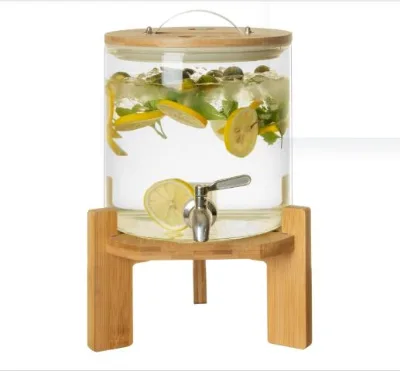
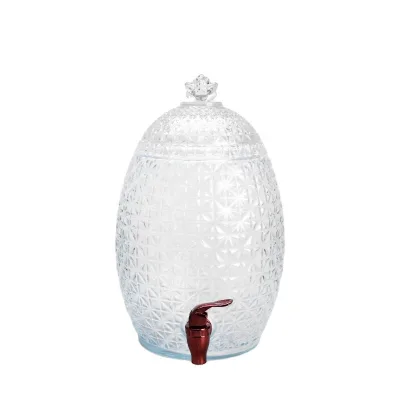


$15.60
MOQ: 1000 Pieces


5/7L High Borosilicate Glass Water Juice Dispenser Set with Lid and Tap
$17.50 - $18.00
MOQ: 100 Pieces


Comprehensive Sourcing Guide
Hand Blown Glass Beverage Dispenser Sourcing Guide
Buyers must first distinguish between machine-made and hand-blown variants, as the supplied data explicitly lists machine-made options alongside glass construction. While the market offers pineapple-shaped dispensers with glass lids, procurement teams should verify if the specific unit is hand-finished or mass-produced to ensure the aesthetic matches the intended brand positioning. This distinction directly impacts the perceived value and the appropriate pricing tier for the final product.
The observed product attributes indicate a strong focus on transparency and sustainability, with clear, reusable glass being a primary feature. Sourcing strategies should prioritize suppliers who can demonstrate the "Freshness Preservation" capability and multifunctional design required for parties, hotels, and home use. Understanding whether the glass is soda-lime or a specialized blend is critical, as this material choice dictates the durability and thermal shock resistance needed for serving cold juices or warm beverages in various settings.
Product Scope and Observed Listing Signals
The current market signals reveal a diverse range of capacities, with specific listings noting 6-liter and 8-liter options for different serving needs. Buyers should carefully cross-reference the stated capacity against the physical dimensions provided, such as the 590x190x500mm footprint, to ensure the unit fits the intended counter space in restaurants or event venues. The variety in shapes, including classic and country styles, suggests a need to align the product form factor with the specific occasion, whether it is a formal hotel bar or a casual living room gathering.
Packaging variations are significant, ranging from simple OPP bags to color boxes and cartons with plywood reinforcement. Procurement teams must verify the specific packing method required for their logistics chain, as the "Carton+Plywood" option implies a need for heavy-duty protection during international shipping. The availability of single-item selling units alongside bulk packaging options allows for flexible ordering strategies, but the buyer must confirm if the "2" unit packaging mentioned applies to the specific model being sourced.
Technical Specifications to Verify
Material composition is the most critical technical specification, with soda-lime glass being a confirmed attribute for several listed models. Buyers must request detailed chemical composition reports to ensure the glass meets the necessary standards for food contact, particularly when the product is marketed for freshness preservation and reusability. The presence of a glass lid is a standard feature, but the fit and seal quality must be tested to prevent leakage and maintain the integrity of the beverage inside during transport and service.
Dimensional accuracy and structural integrity are essential for both safety and functionality, especially given the "Multifunctional" design claims. The listed dimensions and unit packing sizes provide a baseline, but buyers should verify the wall thickness and base stability to prevent breakage under the weight of the liquid. Additionally, the "Machine-Made" classification suggests consistent molding, yet the buyer must confirm if any post-production polishing or hand-finishing steps are included to achieve the desired "Classic" or "Country" aesthetic.
Compliance and Safety Documentation
Food safety certifications are non-negotiable for beverage dispensers intended for commercial and home use, with LFGB and FDA being the specific standards observed in the supply data. Buyers must demand valid, current certificates for these standards to ensure the glass and any accompanying components do not leach harmful substances into water, juice, or whiskey. The absence of these certifications in a supplier's portfolio should be treated as a red flag, regardless of the product's aesthetic appeal or low price point.
Beyond material safety, the product must comply with regional electrical and mechanical standards if the dispenser includes any active components, though the current data focuses on passive glass units. The "CE" standard mentioned in the context of origin suggests compliance with European safety directives, which is vital for exporters targeting the EU market. Procurement teams should verify that the certification covers the entire product assembly, including the lid and any spigots, rather than just the glass vessel itself.
Cost Drivers and Commercial Terms
Minimum Order Quantities (MOQ) vary significantly across the market, with observed ranges spanning from 200 pieces to 3000 pieces depending on the supplier and customization level. Buyers must align their order volume with these thresholds to avoid prohibitive per-unit costs or the inability to secure a production slot. The "Customization" availability suggests that higher MOQs may be required for bespoke sizes or branding, which directly influences the total landed cost and inventory risk for the purchaser.
Lead times and sample availability are key commercial factors that impact the speed to market. With a sample time of 7 days noted, buyers can quickly validate product quality before committing to a large order, but this timeline must be factored into the overall project schedule. The "Enquire Us" directive for more details indicates that pricing and lead times are often dynamic, requiring direct negotiation to secure favorable terms that balance cost efficiency with delivery speed.
Supplier Qualification and Quality Control
Supplier origin plays a pivotal role in quality assurance, with production hubs identified in Zhejiang, Shandong, and Guangzhou. Buyers should assess the specific manufacturing capabilities of each location, as regional expertise often correlates with specific product strengths, such as glass blowing or precision molding. Verifying the supplier's history in producing similar items, such as the "Hot selling Pineapple-shaped" models, provides insight into their ability to maintain consistent quality and design fidelity.
Quality control protocols must be rigorous, given the fragile nature of glass products and the high expectations for transparency and clarity. Buyers should implement a pre-shipment inspection plan that specifically checks for surface defects, dimensional accuracy, and the integrity of the "Freshness Preservation" features. The "Reusable" and "Sustainability" claims require physical testing to ensure the glass can withstand repeated washing and handling without chipping or cracking, which is essential for maintaining the product's lifecycle value.
Long-Term Procurement Checks
Sustainability and reusability are central to the product's value proposition, requiring ongoing verification that the glass maintains its clarity and structural strength over time. Buyers should establish a feedback loop with end-users to monitor for any signs of degradation, such as clouding or micro-fractures, which could compromise the "Freshness Preservation" claim. This long-term monitoring ensures that the product continues to meet the "Sustainability" expectations of modern consumers and business clients.
The ability to adapt to changing market trends is crucial, as the "Multifunctional" design must remain relevant for various occasions from parties to hotel bars. Procurement teams should maintain a relationship with suppliers who offer "OEM & ODM" services to allow for future design iterations or capacity adjustments. Regular reviews of the supplier's production capacity and innovation pipeline will ensure that the sourcing strategy remains agile and responsive to evolving consumer preferences and regulatory requirements.
FAQs
Can I customize the size of the glass drink dispenser?
Yes, customized sizes are available for this product line. The manufacturer accepts OEM and ODM requests to tailor dimensions to your specific needs. You can enquire directly for detailed specifications. This flexibility ensures the dispenser fits your intended space, whether for a living room or a party setting, while maintaining the classic style and transparency of the glass material.
What is the minimum order quantity for this dispenser?
The minimum order quantity varies by supplier, with observed ranges from 1 to 3000 pieces. Some listings specify an MOQ of 200 pieces, while others require 1000 pieces. You should enquire directly to confirm the exact MOQ for your desired model. This variation allows buyers to choose suppliers that match their inventory capacity and budget constraints effectively.
What certifications does the glass material hold?
The glass material holds LFGB and FDA certifications, ensuring safety for food and beverage contact. These standards confirm the product is suitable for serving water, juice, or whiskey. The use of soda-lime glass provides durability and clarity. Buyers can rely on these certifications for compliance in home, hotel, or bar applications, ensuring the product meets international safety requirements.
How long does it take to receive a sample?
Samples are available with a typical sample time of 7 days. This allows buyers to verify the quality, transparency, and functionality before placing a bulk order. The manufacturer accepts OEM and ODM requests, so samples can reflect customized features. This quick turnaround helps in evaluating the product for parties or home use, ensuring it meets your freshness preservation and aesthetic needs.
What packaging options are available for bulk orders?
Packaging options include OPP bags, color boxes, and cartons. Some suppliers offer carton plus plywood packaging for enhanced protection during shipping. The unit packing dimensions vary, with some listings specifying 320x150x360mm. These options ensure the glass dispenser arrives safely, whether for domestic use or export. Buyers should enquire for specific packaging details to match their logistics requirements.
Where is this glass beverage dispenser manufactured?
The product originates from China, with specific origins listed as Zhejiang, Shandong, and Guangzhou. These regions are known for glass manufacturing capabilities. The place of origin indicates the supply chain location for these items. Buyers can consider these locations when evaluating shipping times and supplier reliability. The classic style and multifunctional design are produced in these areas for global distribution.